Pipe Valves
CN → US| HS编码 | 关税税率 | 原产国 | 目的国 | 文档 |
|---|---|---|---|---|
| 7305111060 | 10.0% | CN | US | 官方文档 |
| 3917210000 | 38.1% | CN | US | 官方文档 |
| 7305111030 | 10.0% | CN | US | 官方文档 |
| 7304598010 | 35.0% | CN | US | 官方文档 |
| 3917290090 | 38.1% | CN | US | 官方文档 |
商品图片
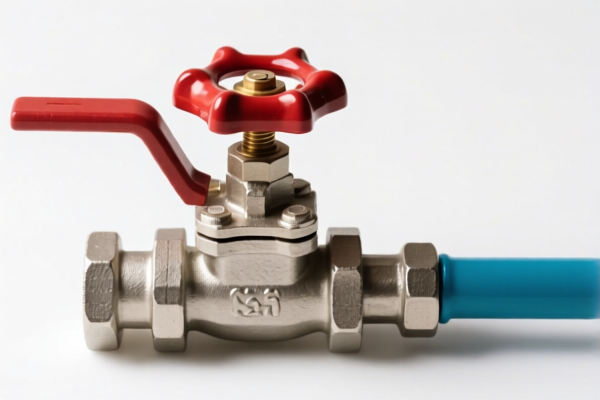
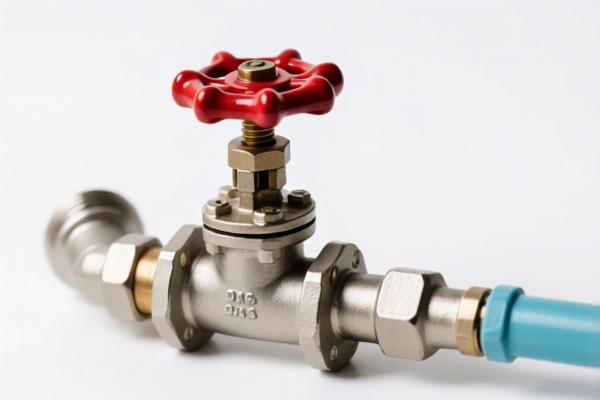
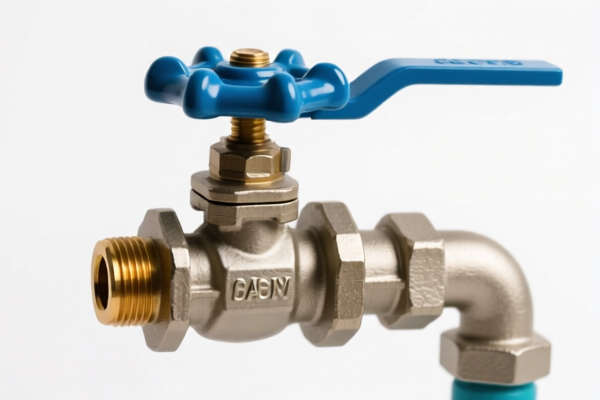
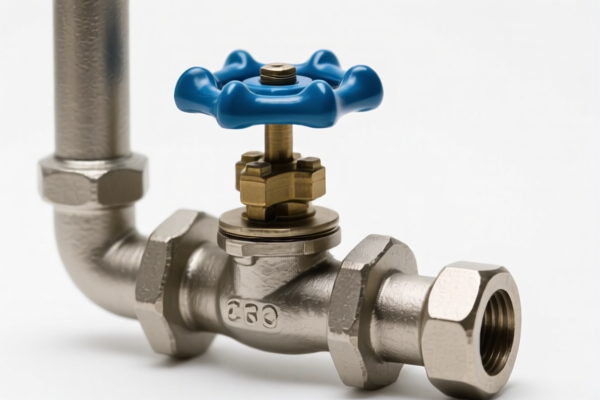
AI分析
🚰 Pipe Valves (管道阀门)
🌐 HS Code Reference & Customs Clearance Guide | 2026 Latest Tariff Analysis | Professional Clearance Strategy
📌 Part 1: Product Definition & Classification: Do You Really Understand "Pipe Valves"?
Pipe Valves are mechanical devices used to control, direct, or regulate the flow of fluids (liquids, gases, steam, slurry, etc.) in piping systems. In international trade, classification is strictly determined by the material composition and specific application of the pipe or valve component, not just the general term "valve."
Key Distinction:
- Steel Pipes for Oil/Natural Gas Lines → Classified under Chapter 73 (Iron/Steel)
- Plastic Pipes/Tubing → Classified under Chapter 39 (Plastics)
- Stainless Steel Pipes → Classified under Chapter 73 (specifically for hollow profiles)
- Metal Rods/Profiles → Classified under Chapter 73
⚠️ Critical Classification Point:
- If the product is a metal pipe/tube used for oil/gas transport → 7305
- If it is a plastic pipe/tube → 3917
- If it is a metal rod/profile → 7304
- Note: The provided DATA does not include generic "valves" (Chapter 84), but focuses on piping materials used in valve/pipe systems.
📦 Part 2: HS Code Classification Details (2026 Latest Tariff Authority)
| HS Code | Product Description | Application Scenario | Tax Rate (Total) |
|---|---|---|---|
7305.11.10.60 |
Steel pipes for oil/natural gas lines (specific form) | Oil/Gas transmission pipelines, high-pressure environments | 10.0% |
3917.21.00.00 |
Plastic pipes/tubes (rigid, PVC-based) | Water supply, drainage, residential plumbing | 38.1% |
7305.11.10.30 |
Steel pipes for oil/natural gas purposes | Specific oil/gas pipeline applications | 10.0% |
7304.59.80.10 |
Metal pipes, tubes, and hollow profiles (other steel) | Industrial structures, scaffolding, non-pipeline metal profiles | 35.0% |
3917.29.00.90 |
Plastic piping systems (other plastics) | Chemical resistance, specialized industrial plastic piping | 38.1% |
7304.49.00.60 |
Stainless steel pipes/tubes | Food processing, pharmaceutical, marine, corrosion-resistant applications | 35.0% |
🔍 Key Insight:
- Steel Pipes (Oil/Gas) enjoy a low base tariff (0%) but are subject to a 10% Section 122 tariff.
- Plastic Pipes face a high base tariff (3.1%) + 25% Section 301 Tariff + 10% Section 122 Tariff = 38.1%.
- Other Steel Products (incl. Stainless) face 0% base + 25% Section 301 + 10% Section 122 = 35.0%.
💰 Part 3: 2026 Latest Tariff Rate Breakdown (Detailed Policy Add-ons)
✅ Applicable Country: United States (US)
✅ Origin: China (CN)
✅ Effective Date: From November 10, 2025 (including subsequent imports)
🎯 1. 7305.11.10.60 & 7305.11.10.30 —— Steel Pipes for Oil/Natural Gas Lines
| Item | Detail |
|---|---|
| Base Tariff | 0.0% (ad valorem) |
| Section 301 Tariff | 0.0% (Not applicable to this subheading) |
| Section 122 Tariff | +10% (Under Section 122, HTSUS) |
| Total Rate | 10.0% |
| Calculation | CIF Value × 10% |
| De Minimis Exemption | ❌ Not Eligible (Deny de minimis) |
| Legal Basis | Section 122: HTSUS 9903.01.25 → USITC: 7305.11.10.60/30 |
📌 Explanation:
- These HS codes are exempt from the 25% Section 301 tariff, which is a significant advantage over other steel products.
- The 10% Section 122 tariff applies specifically to certain steel imports for national security reasons.
- Total cost impact is moderate (10%), making these highly competitive for energy sector supply chains.
🎯 2. 3917.21.00.00 & 3917.29.00.90 —— Plastic Pipes/Tubes
| Item | Detail |
|---|---|
| Base Tariff | 3.1% (ad valorem) |
| Section 301 Tariff | +25% (Under USITC Footnote 9903.88.01) |
| Section 122 Tariff | +10% (Under Section 122, HTSUS) |
| Total Rate | 38.1% |
| Calculation | CIF Value × 38.1% |
| De Minimis Exemption | ❌ Not Eligible (Deny de minimis) |
| Legal Basis | Section 301: Footnote 9903.88.01 → Section 122: 9903.01.25 → USITC: 3917.21.00.00 / 3917.29.00.90 |
📌 Explanation:
- Plastic pipes are heavily taxed due to combined base and additional duties.
- The 25% Section 301 tariff is the main burden, plus the 10% Section 122.
- Total cost impact is high (38.1%), significantly affecting profitability for plastic piping imports.
🎯 3. 7304.59.80.10 —— Metal Pipes, Tubes, and Hollow Profiles (Other Steel)
| Item | Detail |
|---|---|
| Base Tariff | 0.0% (ad valorem) |
| Section 301 Tariff | +25% (Under USITC Footnote 9903.88.01) |
| Section 122 Tariff | +10% (Under Section 122, HTSUS) |
| Total Rate | 35.0% |
| Calculation | CIF Value × 35.0% |
| De Minimis Exemption | ❌ Not Eligible (Deny de minimis) |
| Legal Basis | Section 301: Footnote 9903.88.01 → Section 122: 9903.01.25 → USITC: 7304.59.80.10 |
📌 Explanation:
- This category includes non-pipeline steel profiles (e.g., structural steel, scaffolding tubes).
- Unlike oil/gas steel pipes, these are subject to the 25% Section 301 tariff.
- Total cost impact is high (35.0%), comparable to plastic pipes.
🎯 4. 7304.49.00.60 —— Stainless Steel Pipes/Tubes
| Item | Detail |
|---|---|
| Base Tariff | 0.0% (ad valorem) |
| Section 301 Tariff | +25% (Under USITC Footnote 9903.88.01) |
| Section 122 Tariff | +10% (Under Section 122, HTSUS) |
| Total Rate | 35.0% |
| Calculation | CIF Value × 35.0% |
| De Minimis Exemption | ❌ Not Eligible (Deny de minimis) |
| Legal Basis | Section 301: Footnote 9903.88.01 → Section 122: 9903.01.25 → USITC: 7304.49.00.60 |
📌 Explanation:
- Stainless steel pipes are exempt from base tariff but subject to 25% Section 301 + 10% Section 122.
- Commonly used in food, medical, and chemical industries where corrosion resistance is critical.
- Total cost impact is high (35.0%), but justified by higher value-added products.
🛠️ Part 4: Customs Clearance Practical Advice (Real-World Pitfall Avoidance)
✅ 1. Documentation Checklist (Missing Items Cause Delays)
| Document | Mandatory | Notes |
|---|---|---|
| ✅ Product Specification Sheet | ✔️ | Must specify material (steel grade, plastic type), dimensions, pressure rating |
| ✅ Material Certification | ✔️ | Mill test certificates for steel; compliance certs for plastics (e.g., NSF, ASTM) |
| ✅ Commercial Invoice | ✔️ | Clearly state "Steel Pipe for Oil/Gas" or "Plastic Pipe for Water Supply" – do not use generic "Pipe" |
| ✅ Packing List | ✔️ | Specify net/gross weight, number of units, and packaging type |
| ✅ Country of Origin Certificate | ✔️ | Required for tariff calculation; if not China, may qualify for reduced rates |
| ✅ Import License (if applicable) | ✔️ | Some steel products may require additional licensing under Section 232 |
✅ 2. Declaration Strategy (Key Mantra)
🔥 “Material First, Application Second, Tax Rate Depends on It!”
| Scenario | Correct Declaration | Wrong Practice |
|---|---|---|
| Oil/Gas Steel Pipe | 7305.11.10.60 or 7305.11.10.30 |
Declare as “Steel Pipe” → Risk of misclassification |
| Plastic Pipe (PVC) | 3917.21.00.00 |
Declare as “Steel Pipe” → 10% vs 38.1% error |
| Stainless Steel Tube | 7304.49.00.60 |
Declare as “Carbon Steel” → Higher scrutiny |
| General Metal Profile | 7304.59.80.10 |
Declare as “Pipe” → May be rejected if not hollow |
✅ 3. Special Cases Handling
| Scenario | Recommendation |
|---|---|
| Mixed Shipments (Steel + Plastic) | Separate HS Codes on invoice. Do not mix. |
| Customs Labeling | Clearly mark “Made in China” and “Subject to Section 301/122 Tariffs” |
| Section 232 Steel | If from certain countries, may require quota licenses even if China-origin |
| De Minimis Threshold | ❌ Not Applicable. All shipments are subject to full duty assessment. |
🌍 Part 5: Global Market Comparison (2026 Latest)
| Country/Region | Recommended HS Code | Total Tariff | Certification | Notes |
|---|---|---|---|---|
| 🇺🇸 USA | See above | 10%–38.1% | NIST, ASTM, NSF | High compliance cost |
| 🇨🇳 China | See above | 0%–6.5% | CCC, GB | No additional tariffs |
| 🇪🇺 EU | 7305.11, 3917.21 | 0%–5% (if MFN) | CE, REACH | No Section 301/122 |
| 🇦🇺 Australia | 7305.11, 3917.21 | 5% | RCM | Low additional duties |
| 🇯🇵 Japan | 7305.11, 3917.21 | 0%–5% | PSE, JIS | No additional tariffs |
📌 Conclusion:
- USA is the most expensive market due to Section 301 and Section 122 tariffs.
- EU, Japan, Australia are more tariff-friendly for these products.
- Strategic Recommendation: Consider re-routing supply chains through non-tariffed countries if possible.
📌 Part 6: Common Mistakes & Pitfall Guide (Lessons Learned)
❌ Mistake 1: Using generic term “Pipe” in declaration
👉 Consequence: Customs may classify under highest applicable rate (38.1%) → Overpayment!
❌ Mistake 2: Confusing “Steel Pipe” with “Steel Profile”
👉 Consequence: 7305 vs 7304 tax difference → 5–25% penalty!
❌ Mistake 3: Ignoring Section 122 Tariff
👉 Consequence: Underpayment by 10% → Fines + Back Taxes!
❌ Mistake 4: Mixing Plastic and Steel in one shipment without separate HS codes
👉 Consequence: Customs rejects mixed declaration → Delay + Storage Fees!
✅ Correct Practice:
“Carbon Steel Pipe, API 5L, for Oil/Gas Transmission, 12-inch OD, Wall Thickness 10mm, Made in China”
“PVC Plastic Pipe, ASTM D1785, for Water Supply, 4-inch, Made in China”
🎯 Part 7: Conclusion: Precision Classification Saves Money!
🎯 Remember the Mantra:
🔹 “Material Dictates HS, Application Dictates Tax Rate”
🔹 “Oil/Gas Steel: 10%, Plastic/Other Steel: 35–38%”
🔹 “One Mistake in Classification = Thousands in Extra Costs!”
📌 Pro Tip:
- If your plastic pipes are originally from Vietnam, Mexico, or Thailand, you may exempt from Section 301 tariffs → Reduce tax from 38.1% to ~3–5%.
- For steel pipes, consider Advance Ruling from US Customs to confirm HS Code classification before shipment.
📣 Immediate Action:
📞 Contact a Licensed Customs Broker + Provide Product Specs + Apply for Advance Ruling
🚀 Ensure Smooth Clearance, Minimize Tariff Burden, Maximize Profit!
✨ Professional Clearance Starts with Precise Classification!
💼 Every Dollar Saved on Tariffs is Pure Profit!
用户评价
关于 HS 编码归类
协调制度(HS)是由世界海关组织(WCO)制定的国际贸易商品分类标准。全球 200 多个国家采用 HS 系统作为海关关税、贸易统计和进出口监管的基础。
每个 HS 编码遵循以下层级结构:
- 章(2 位)——商品大类(例如:第 84 章:机器和机械设备)
- 品目(4 位)——章内的更具体分类
- 子目(6 位)——国际通用细分,所有 WCO 成员国统一使用
- 本国细分(8-10 位)——各国自行扩展的细分编码,如美国 HTSUS 10 位编码
正确的 HS 编码归类对于顺利通关、准确缴纳关税和遵守贸易法规至关重要。错误归类可能导致海关延误、多缴关税或罚款。
从CN进口到US时,适用的关税税率可能包括:
- 最惠国(MFN)税率——适用于 WTO 成员国的标准关税税率
- 普通税率——适用于无贸易协定国家
- 贸易救济关税——附加关税,如 301 条款(反倾销)、232 条款(国家安全)或反补贴税
本页内容仅供参考。如需正式归类,请咨询当地海关或持牌报关代理。