Pirate Headscarf
CN → US| HS编码 | 关税税率 | 原产国 | 目的国 | 文档 |
|---|---|---|---|---|
| 9505902000 | 10.0% | CN | US | 官方文档 |
| 6506910045 | 35.0% | CN | US | 官方文档 |
| 3926909989 | 22.8% | CN | US | 官方文档 |
| 9505906000 | 10.0% | CN | US | 官方文档 |
| 6506996000 | 43.5% | CN | US | 官方文档 |
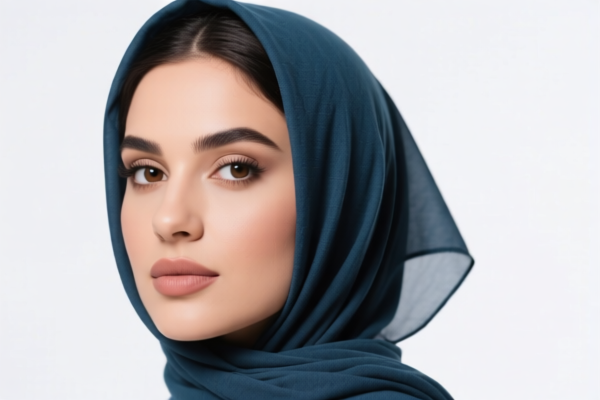
商品图片



AI分析
🏴☠️ Pirate Headscarf (and Eye Patch Accessories)
🌐 HS Code Reference & Customs Clearance Guide | 2026 Latest Tariff Analysis | Professional Clearance Strategy
📌 I. Product Definition & Classification: Do You Really Understand "Pirate Accessories"?
A "Pirate Headscarf" in international trade often blurs the lines between costume accessories, headwear, and toy/plastic goods. Depending on the material, construction, and intended use, it can fall into vastly different categories with significantly different tax implications.
In customs practice, if the item is a headscarf/bandana (fabric tied around the head), it is generally classified under Headwear (Chapter 65).
If the item refers to the iconic Pirate Eye Patch (often sold in sets or as a standalone accessory), it is typically classified under Toys/Novelties (Chapter 95) or Plastic Articles (Chapter 39).
⚠️ Key Distinction:
- Fabric Headscarf/Bandana: Tied around the head, no brim, no crown structure → Chapter 65 (Headwear) or Chapter 61/62 (Clothing Accessories) depending on exact fabric.
- Eye Patch/Plastic Costume Piece: Plastic/rubber, part of a "joke/magic" set or costume prop → Chapter 95 (Toys/Festive Articles) or Chapter 39 (Plastics).
- Composite Kit (Hat + Patch): If sold as a set, the classification depends on the "essential character" or the component that defines the item.
📦 II. HS Code Classification Details (2026 Latest Tariff Authority Comparison)
Based on the provided data, here are the five most likely HS Codes for "Pirate Headscarf/Eye Patch" related items, ranging from low-tax festive goods to high-tax headwear.
| HS Code | Product Description | Application Scenario | Tax Rate (US Import from CN) | Key Reasoning |
|---|---|---|---|---|
9505.90.20.00 |
Festive/Masquerade Articles | Costume parties, Halloween, carnival props | 10.0% | "Magic tricks, joke articles, and prank goods." Fits festive entertainment use. Material (plastic/fabric) is not contradictory. |
9505.90.60.00 |
Other Festive/Masquerade Articles | Similar to above, general entertainment props | 10.0% | "Festive, carnival, or entertainment use." No material conflict. Broad category for costume accessories. |
3926.90.99.89 |
Other Plastic Articles | Plastic eye patches, plastic costume pieces | 22.8% | "Plastic articles." Considered a finished consumer product made of synthetic materials. Not specifically classified elsewhere. |
6506.91.00.45 |
Other Headwear (Plastic/Rubber) | Headbands, plastic pirate bands | 35.0% | "Headwear not covering the whole head." Matches material (plastic/rubber). High tariff due to Section 301. |
6506.99.60.00 |
Other Headwear (Other Materials) | Fabric bandanas, cloth headscarves | 43.5% | "Other headwear." Fallback category. High base tariff + Section 301 + IEEPA. Highest Risk Category. |
🔍 Critical Reminder:
- Chapter 95 (Toys/Festive): Lowest tax (10%). Best if the item is clearly a prop or party favor.
- Chapter 65 (Headwear): Highest tax (35%-43.5%). Risky if the item is seen as actual headwear rather than a costume accessory.
- Chapter 39 (Plastics): Middle ground (22.8%). Common for hard plastic eye patches.
💰 III. 2026 Latest Tariff Rate Breakdown (Including Surtaxes & Policy Add-ons)
✅ Applicable Country: United States (US)
✅ Origin: China (CN)
✅ Effective Date: November 10, 2025 (and subsequent imports)
🎯 1. 9505.90.20.00 & 9505.90.60.00 —— Festive/Entertainment Articles (Lowest Risk)
| Item | Content |
|---|---|
| Base Tariff | 0% |
| Section 301 (Trade Act) | 0% (No additional 25% tariff on this code) |
| IEEPA Tariff | +10% (For Chinese/Hong Kong products) |
| Total Tariff | 10.0% |
| De Minimis Exemption | ❌ Not Applicable (IEEPA tariffs generally negate de minimis for China) |
| Legal Basis Path | IEEPA:9903.01.25 → USITC:9505.90.20.00 |
📌 Explanation:
- These codes are classified under Chapter 95 (Toys, Games, Sports), which is exempt from the Section 301 25% tariff.
- Only the IEEPA 10% tariff applies.
- Total: 10%. This is the most cost-effective classification if the product can be argued as a "costume prop" or "festive accessory."
🎯 2. 3926.90.99.89 —— Plastic Articles (Middle Risk)
| Item | Content |
|---|---|
| Base Tariff | 5.3% |
| Section 301 (Trade Act) | +7.5% |
| IEEPA Tariff | +10% |
| Total Tariff | 22.8% |
| De Minimis Exemption | ❌ Not Applicable |
| Legal Basis Path | USITC:3926.90.99.89 → IEEPA:9903.01.24 |
📌 Note:
- If the eye patch is made of hard plastic and not clearly a "toy," it may fall under plastic articles.
- Total: 22.8%. Higher than Chapter 95 but lower than headwear.
🎯 3. 6506.91.00.45 & 6506.99.60.00 —— Headwear (High Risk)
| Item | Content |
|---|---|
| Base Tariff | 0% (6506.91) or 8.5% (6506.99) |
| Section 301 (Trade Act) | +25% |
| IEEPA Tariff | +10% |
| Total Tariff | 35.0% (6506.91) or 43.5% (6506.99) |
| De Minimis Exemption | ❌ Not Applicable |
| Legal Basis Path | IEEPA:9903.01.24 → USITC:6506.9x.00 → FOOTNOTE:9903.88.01 |
📌 Warning:
- Section 301 25% is the main driver of high costs.
- Chapter 65 (Headwear) is heavily taxed on Chinese imports.
- Total: 35%-43.5%. This is very expensive and should be avoided if possible.
🛠️ IV. Customs Clearance Practical Advice (Combat Pitfall Guide)
✅ 1. Document Checklist (Non-negotiable)
| Document | Required | Description |
|---|---|---|
| ✅ Product Specification Sheet | ✔️ | Define material (e.g., 100% Polyester Fabric, Plastic, EVA Foam). |
| ✅ Product Photos | ✔️ | Show the item as a costume accessory (e.g., next to a pirate hat, in a party box). Avoid photos showing it as worn headwear in daily life. |
| ✅ Commercial Invoice | ✔️ | Use descriptions like "Pirate Costume Accessory," "Party Prop," or "Masquerade Mask/Eye Patch." Avoid "Headscarf" if possible. |
| ✅ Customs Declaration Form | ✔️ | Accurate HS Code selection is critical. |
| ✅ Certifications | ✔️ | CE, FCC (if electronic), or CPSIA (if for children) as applicable. |
✅ 2. Declaration Tips (Critical Mantra)
🔥 "Prop Over Hat, Toy Over Plastic, Avoid Chapter 65!"
| Scenario | Correct Declaration | Incorrect Practice |
|---|---|---|
| Fabric Headscarf/Bandana | Declare as "Costume Accessory" or "Party Prop" → 9505.90.20.00 |
Declare as "Headscarf" → 6506.99.60.00 (43.5% tax) |
| Plastic Eye Patch | Declare as "Toy/Novelty" or "Plastic Article" → 9505.90.20.00 or 3926.90.99.89 |
Declare as "Medical Patch" or "Hat Component" → Higher tax |
| Set (Hat + Patch) | Declare based on essential character (usually the costume item) → 9505.90.20.00 |
Split into "Hat" and "Patch" → Mixed high/low tax |
📌 Note:
- If you declare a fabric bandana as a "Headscarf" under Chapter 65, you face 43.5% tax.
- If you declare it as a "Festive/Costume Accessory" under Chapter 95, you pay only 10% tax.
- Key Argument: The item is sold as part of a pirate costume set for entertainment, not for daily sun protection or fashion headwear.
✅ 3. Special Cases
| Scenario | Handling Advice |
|---|---|
| Children’s Party Kit | Emphasize "Party Favor" or "Toy." Use 9505.90.20.00. |
| Adult Costume Store | Emphasize "Masquerade Prop." Use 9505.90.20.00. |
| Medical/Eyelid Patch | If truly medical, it falls under Chapter 90 (Medical Devices), but this is rare for "pirate" items. Stick to Chapter 95 for costume items. |
| Mixed Materials (Fabric + Plastic Buckle) | If the plastic part is minor, declare as textile/costume. If the plastic is the main structural component, consider Chapter 39 (3926.90.99.89). |
🌍 V. Global Market Customs Comparison (2026 Latest)
| Country/Region | Recommended HS Code | Tariff | Certification | Notes |
|---|---|---|---|---|
| 🇺🇸 USA | 9505.90.20.00 |
10% | CPC (for certain toys) | Best option. Avoid Chapter 65 due to 25% + 10% surtax. |
| 🇨🇳 China | 9505.90.20.00 |
~5-10% | N/A | Low tax, easy clearance. |
| 🇪🇺 EU | 9505.00.90 |
0-5% | CE, EN71 | No equivalent to IEEPA/Section 301. Lower risk. |
| 🇬🇧 UK | 9505.00.90 |
0-5% | UKCA | Post-Brexit rules apply. |
| 🇦🇺 Australia | 9505.10.00 |
5% | ACMA (if electronic) | Moderate tax. |
📌 Conclusion:
- USA is the most critical market due to Section 301 + IEEPA.
- Classifying as "Festive/Toy" (Chapter 95) saves ~30-35% in tariffs compared to "Headwear" (Chapter 65).
- Evidence is key: Photos, catalogs, and sales listings should show the item as a costume prop, not daily headwear.
📌 VI. Common Errors & Pitfalls (Lessons Learned)
❌ Error 1: Declaring a pirate eye patch as "Eyewear" or "Headwear"
👉 Consequence: Tax jumps from 10% to 43.5%. Loss of profit margin!
❌ Error 2: Using "Headscarf" in the product name on the Invoice
👉 Consequence: Customs may interpret it as Chapter 65 headwear. Use "Costume Accessory" or "Party Prop".
❌ Error 3: Ignoring IEEPA Tariffs
👉 Consequence: Even if Base + Section 301 are 0%, IEEPA 10% still applies to China-origin goods in Chapter 95. Total is never 0%.
❌ Error 4: Splitting a "Pirate Set" into separate items
👉 Consequence: If the hat is declared separately, it may be taxed at 35-43.5%. Declare the whole set as a "Costume Kit" under Chapter 95.
✅ Correct Practice:
"Pirate Costume Accessory Set (Includes Plastic Eye Patch and Bandana), For Party/Festive Use, Model XYZ, Not for Daily Wear"
🎯 VII. Conclusion: Professional Declaration, Cost Savings, Efficiency!
🎯 Remember the Mantra:
🔹 "Costume Prop, Not Headwear!"
🔹 "Chapter 95 Saves 30%, Chapter 65 Costs Double!"
🔹 "IEEPA 10% Always Applies to China, But Section 301 Can Be Avoided!"
📌 Pro Tip:
If you are exporting to the USA, always provide photos showing the item in a party/costume context (e.g., on a table with other Halloween items) to support the 9505.90.20.00 classification.
Consider applying for an Advance Ruling from US Customs (CBP) if the volume is high, to lock in the 10% tax rate.
📣 Immediate Action:
📞 Contact your customs broker with costume-focused product images and request Chapter 95 classification.
🚀 Clear customs smoothly, reduce taxes by 30%, and boost profits!
✨ Professional Clearance Starts with Accurate Classification!
💼 Every cent of tax saved is pure profit!
用户评价
关于 HS 编码归类
协调制度(HS)是由世界海关组织(WCO)制定的国际贸易商品分类标准。全球 200 多个国家采用 HS 系统作为海关关税、贸易统计和进出口监管的基础。
每个 HS 编码遵循以下层级结构:
- 章(2 位)——商品大类(例如:第 84 章:机器和机械设备)
- 品目(4 位)——章内的更具体分类
- 子目(6 位)——国际通用细分,所有 WCO 成员国统一使用
- 本国细分(8-10 位)——各国自行扩展的细分编码,如美国 HTSUS 10 位编码
正确的 HS 编码归类对于顺利通关、准确缴纳关税和遵守贸易法规至关重要。错误归类可能导致海关延误、多缴关税或罚款。
从CN进口到US时,适用的关税税率可能包括:
- 最惠国(MFN)税率——适用于 WTO 成员国的标准关税税率
- 普通税率——适用于无贸易协定国家
- 贸易救济关税——附加关税,如 301 条款(反倾销)、232 条款(国家安全)或反补贴税
本页内容仅供参考。如需正式归类,请咨询当地海关或持牌报关代理。