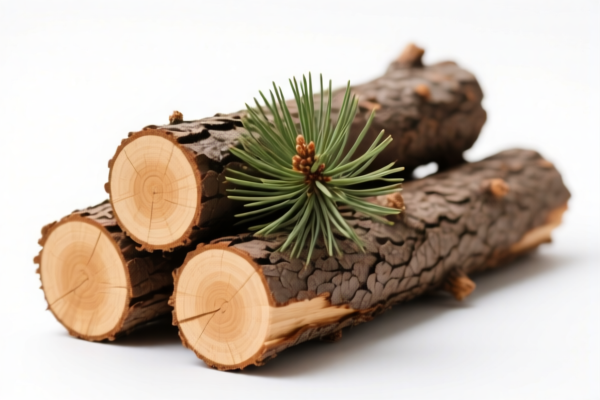
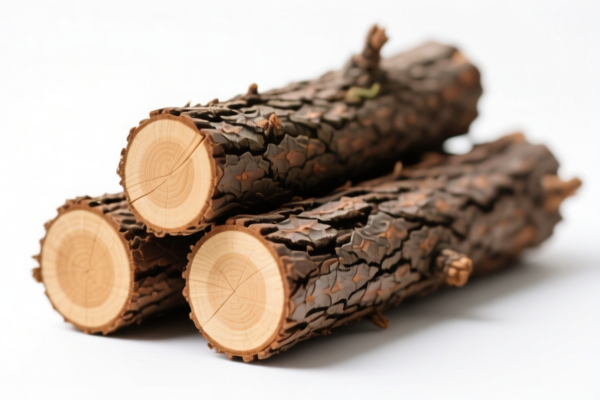
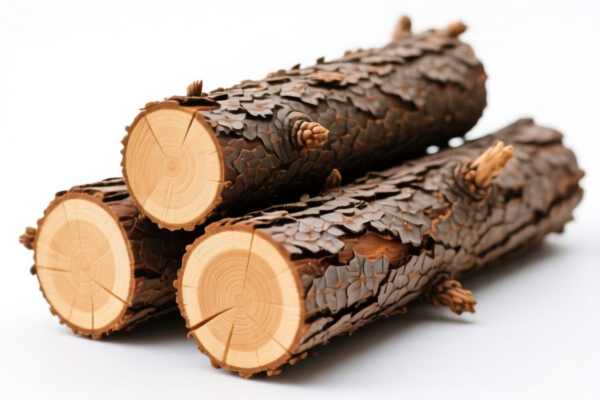
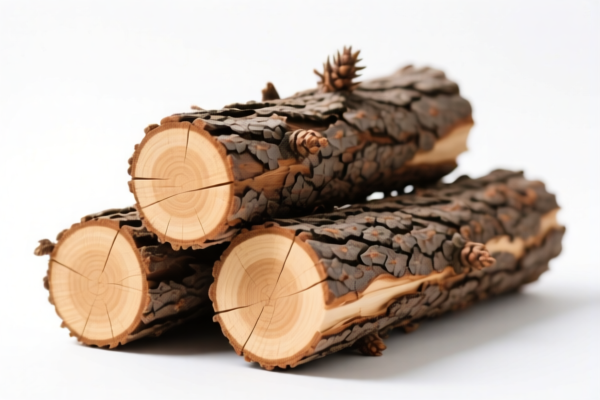
Pitch Pine Logs
CN → US| HS编码 | 关税税率 | 原产国 | 目的国 | 文档 |
|---|---|---|---|---|
| 4403210130 | 35.0% | CN | US | 官方文档 |
| 4403220120 | 35.0% | CN | US | 官方文档 |
| 4403210130 | 35.0% | CN | US | 官方文档 |
| 4403220130 | 35.0% | CN | US | 官方文档 |
| 4403210130 | 35.0% | CN | US | 官方文档 |
商品图片
AI分析
🌲 Pitch Pine Logs (Southern Yellow Pine / Longleaf Pine)
🌐 HS Code Reference & Customs Clearance Guide | 2026 Latest Tariff Analysis | Professional Entry Strategy
📌 I. Product Definition: What Exactly Are "Pitch Pine Logs"?
Pitch Pine Logs typically refer to raw timber from Pinus palustris (Longleaf Pine) or Pinus taeda (Loblolly Pine), often characterized by high resin ("pitch") content. In international trade, these are classified under Chapter 44 (Wood and Wood Products), specifically as Unworked or simply sawn wood.
These logs are primarily used for: 1. Pulp and Paper Production: Due to fiber length and chemical composition. 2. Timber Structures: Heavy construction, railroad ties, and pilings (due to high resin resistance to decay). 3. Plywood and Veneer: Core layers for structural panels.
⚠️ Key Classification Distinction:
- If the wood is treated with preservatives (e.g., creosote, copper salts), it may fall under 4403 (Wood treated with paint, preservatives, etc.).
- If the wood is raw, untreated, and in log form, it falls under 4403.21 (Coniferous, Pine) or 4403.95/96 (if misidentified as Birch, which must be avoided).
- Crucial Note: Misclassification as Birch (4403.95/96) due to visual similarity in raw logs can lead to significant audit risks, as tax rates and trade restrictions differ.
📦 II. HS Code Classification Matrix (2026 Authoritative Reference)
Based on the provided data, here are the specific HS Codes applicable to Pitch Pine Logs and related wood products:
| HS Code | Product Description & Match Criteria | Summary of Classification Logic |
|---|---|---|
4403.21.01.30 |
Pitch Pine (Coniferous) Logs | Matches Pine (Coniferous) wood material and log/unworked form. This is the primary code for untreated pitch pine logs. |
4403.22.01.20 |
Pine Logs (Specific Pine Species) | Matches Pine logs that conform to specific pine sub-categories (e.g., species-specific definitions under 4403.22). |
4403.22.01.30 |
Industrial Pine Logs (Coniferous) | Matches Pine industrial logs and coniferous classification. Often used for bulk timber trade. |
4403.95.01.27 |
Birch Logs (Raw Wood Form) | Matches Birch log material and rough-sawn/raw wood form. ⚠️ Note: Only apply if the wood is actually Birch, not Pitch Pine. Misclassification here is a common error. |
4403.96.01.23 |
Birch Logs (Paper Grade Inference) | Matches Birch logs inferred for paper-making wood form. ⚠️ Note: Specific to birch used in pulp/paper. Not applicable to Pitch Pine. |
🔍 Critical Clarification:
- Pitch Pine belongs to the Pine (Coniferous) family. Therefore, codes 4403.21 and 4403.22 are the correct categories. - Codes 4403.95 and 4403.96 refer to Birch (Broadleaf). Using these for Pitch Pine is a misclassification and will trigger customs penalties. - Why so many Pine codes? 4403.21 vs. 4403.22 often distinguishes between general pine logs and specific species or treatment statuses. 4403.22.01.30 is often used for "industrial" grade pine logs.
💰 III. 2026 Latest Tariff Rate Breakdown (Including Surtaxes)
✅ Applicable Country: United States (US)
✅ Origin: China (CN) (Assumed based on standard US-China trade context in 2025-2026)
✅ Effective Date: November 10, 2025 onwards
All listed Pine-related HS codes (4403.21, 4403.22) and Birch-related codes (4403.95, 4403.96) carry the same tax structure in the provided data:
🎯 1. Pine Logs (4403.21.01.30, 4403.22.01.20, 4403.22.01.30)
| Item | Detail |
|---|---|
| Base Tariff | 0.0% (Ad Valorem) |
| Section 301 Surcharge | +25.0% |
| Section 122 Tariff | +10.0% |
| Total Tariff Rate | 35.0% |
| Tax Calculation | CIF Value × 35% |
| De Minimis Exemption | ❌ Not Eligible |
| Legal Basis Path | Section 301 → Section 122 → USITC 4403 |
📌 Explanation:
- The 0% base tariff reflects standard MFN (Most Favored Nation) rates for unprocessed wood.
- The +25% Section 301 tariff applies to Chinese-origin wood products.
- The +10% Section 122 tariff applies to specific agricultural and raw material imports.
- Total: 35% is a high tariff rate. Importers must factor this into landed cost calculations.
🎯 2. Birch Logs (4403.95.01.27, 4403.96.01.23)
| Item | Detail |
|---|---|
| Base Tariff | 0.0% |
| Section 301 Surcharge | +25.0% |
| Section 122 Tariff | +10.0% |
| Total Tariff Rate | 35.0% |
| Tax Calculation | CIF Value × 35% |
| De Minimis Exemption | ❌ Not Eligible |
| Legal Basis Path | Section 301 → Section 122 → USITC 4403 |
📌 Note: Although Birch is a different species, the tariff structure is identical in the provided data. However, species misdeclaration remains a major compliance risk.
🛠️ IV. Customs Clearance Practical Advice (Pitfall Avoidance Guide)
✅ 1. Required Documentation Checklist
| Document | Mandatory? | Notes |
|---|---|---|
| ✅ Phytosanitary Certificate | ✔️ | Issued by origin country; proves wood is free from pests/diseases. Critical for all wood products. |
| ✅ Packing List | ✔️ | Must specify species (e.g., Pinus palustris), volume (board feet or cubic meters), and form (logs). |
| ✅ Commercial Invoice | ✔️ | Clearly state "Pitch Pine Logs" or "Southern Yellow Pine Logs." Avoid vague terms like "Timber." |
| ✅ Bill of Lading (B/L) | ✔️ | Ensure cargo description matches invoice and phytosanitary certificate. |
| ✅ Species Verification Report | ✔️ | Lab analysis or dendrological report may be required if customs suspects species misclassification (e.g., claiming Pine but sending Birch). |
| ✅ ISF (Importer Security Filing) | ✔️ | File 24 hours before loading. |
✅ 2. Declaration Tips (Key Mantras)
🔥 "Species Specific, Phytosanitary Essential, Log Form Clear!"
| Scenario | Correct Declaration | Incorrect Practice |
|---|---|---|
| Pitch Pine Logs | 4403.21.01.30 or 4403.22.01.30 with description "Pitch Pine Logs, Unprocessed" |
Misdeclaring as "Birch Logs" (4403.95) |
| Treated Pine | If treated with preservative, use appropriate 4403 subheading (check for treatment details) | Declaring as "Raw Logs" when treated |
| Mixed Species | Declare each species separately | Mixing Pine and Birch in one line item |
✅ 3. Special Situations
| Situation | Handling Advice |
|---|---|
| OEM/Custom Cut Logs | Provide cutting diagrams. Even if cut, if not further processed, it may still fall under 4403. |
| Sustainably Sourced | Provide FSC/PEFC certification to facilitate customs checks on legality. |
| High-Volume Shipments | Consider pre-clearance or Advance Ruling to mitigate delays. |
🌍 V. Global Market Comparison (2026)
| Country/Region | Recommended HS Code | Tariff (China Origin) | Key Certification | Notes |
|---|---|---|---|---|
| 🇺🇸 USA | 4403.21.01.30 / 4403.22.01.30 |
35% | Phytosanitary Certificate | High tariff due to Section 301 & 122. |
| 🇨🇳 China | 4403.21 / 4403.22 |
0-5% (varies) | CIQ Certificate | Import duties may be lower, but strict phytosanitary rules. |
| 🇪🇺 EU | 4403.21 / 4403.22 |
0% (if FSC certified) | FLEGT / Due Diligence | Strict timber legality regulations (EUTR). |
| 🇯🇵 Japan | 4403.21 / 4403.22 |
0-3.2% | Phytosanitary Certificate | Low tariffs, high quality standards. |
📌 Conclusion:
- The USA imposes the highest effective tariff (35%) on Chinese pine logs.
- Phytosanitary compliance is universally critical.
- Species accuracy is the #1 risk factor for customs delays and penalties.
📌 VI. Common Errors & Pitfalls (Lessons Learned)
❌ Error 1: Declaring "Pitch Pine" as "Birch" to avoid perceived scrutiny.
👉 Consequence: Customs lab test reveals pine → 35% tariff still applies, plus penalties for false declaration.
❌ Error 2: Failing to provide a Phytosanitary Certificate.
👉 Consequence: Cargo detention or return at port. No shipment without this document.
❌ Error 3: Using vague terms like "Wood Logs" in the invoice.
👉 Consequence: Customs request for clarification → Delay of 7-14 days.
❌ Error 4: Assuming "Raw Logs" are exempt from Section 301.
👉 Consequence: Missed 35% tariff payment → Back taxes + interest upon audit.
✅ Correct Practice:
"Southern Yellow Pine Logs (Pinus taeda/palustris), Unprocessed, Raw Form, FSC Certified, Phytosanitary Certificate Attached."
🎯 VII. Conclusion: Professional Clearance, Cost Optimization
🎯 Remember the Mantra:
🔹 "Species is Key, Phytosanitary is Mandatory, 35% Tax is Real."
🔹 "Don't Mix Pine and Birch, or Customs Will Pounce!"
📌 Pro Tip:
If your pine logs are originating from Vietnam, Thailand, or Malaysia, you may be eligible for lower or zero Section 301 tariffs under FTAs (Free Trade Agreements).
✅ Action: Apply for Certificate of Origin (CO) and Pre-Ruling for HS Code 4403.21.01.30 or 4403.22.01.30 to confirm eligibility.
📣 Immediate Action:
📞 Contact your customs broker with species-specific documentation.
🚀 Ensure Phytosanitary Certificate is ready before shipping.
💼 Your timber shipment's success depends on precision, not guesswork!
✨ Professional Clearance Starts with Accurate Classification!
💼 Every percentage point of tax matters. Get it right the first time!
用户评价
关于 HS 编码归类
协调制度(HS)是由世界海关组织(WCO)制定的国际贸易商品分类标准。全球 200 多个国家采用 HS 系统作为海关关税、贸易统计和进出口监管的基础。
每个 HS 编码遵循以下层级结构:
- 章(2 位)——商品大类(例如:第 84 章:机器和机械设备)
- 品目(4 位)——章内的更具体分类
- 子目(6 位)——国际通用细分,所有 WCO 成员国统一使用
- 本国细分(8-10 位)——各国自行扩展的细分编码,如美国 HTSUS 10 位编码
正确的 HS 编码归类对于顺利通关、准确缴纳关税和遵守贸易法规至关重要。错误归类可能导致海关延误、多缴关税或罚款。
从CN进口到US时,适用的关税税率可能包括:
- 最惠国(MFN)税率——适用于 WTO 成员国的标准关税税率
- 普通税率——适用于无贸易协定国家
- 贸易救济关税——附加关税,如 301 条款(反倾销)、232 条款(国家安全)或反补贴税
本页内容仅供参考。如需正式归类,请咨询当地海关或持牌报关代理。