Plain Weave Fabric
CN → US| HS编码 | 关税税率 | 原产国 | 目的国 | 文档 |
|---|---|---|---|---|
| 5309213055 | 41.9% | CN | US | 官方文档 |
| 5309293055 | 35.0% | CN | US | 官方文档 |
| 5210316020 | 47.2% | CN | US | 官方文档 |
| 5208114020 | 44.0% | CN | US | 官方文档 |
| 5208112020 | 42.0% | CN | US | 官方文档 |
| 5407619965 | 49.9% | CN | US | 官方文档 |
商品图片
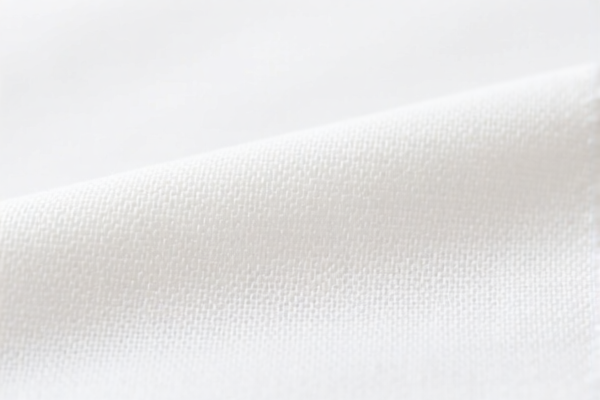
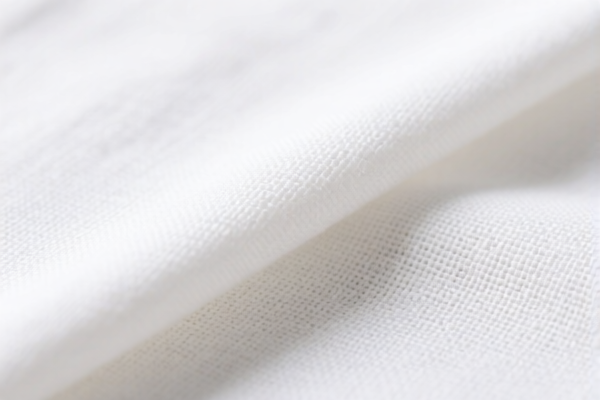
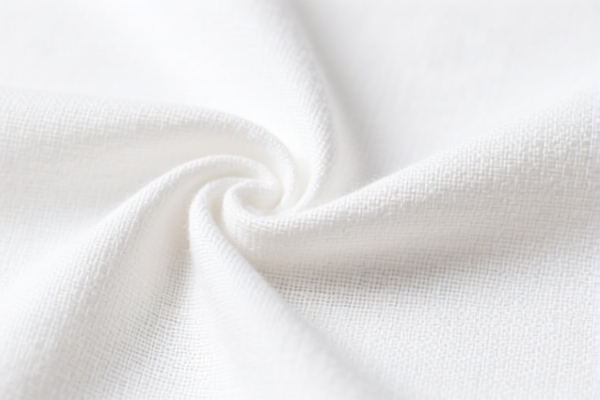
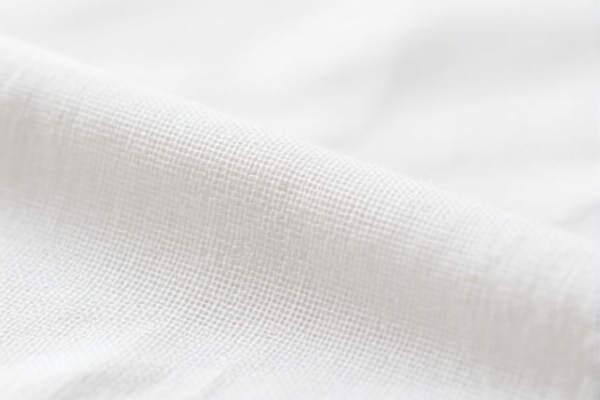
AI分析
🧵 Plain Weave Fabric (平纹细布/平纹机织物)
🌐 HS Code Reference & Customs Clearance Guide | 2026 Latest Tariff Analysis | Professional Strategy 📌 I. Product Definition: What is "Plain Weave Fabric"?
Plain Weave Fabric is the most fundamental type of textile construction, characterized by a simple "over-one, under-one" interlacing pattern. In international trade, it is not a single HS Code but a structural category that spans multiple material chapters (Cotton, Linen, Synthetic Fibers).
Because the Material (Cotton vs. Linen vs. Synthetic) determines the Chapter, and the Blend/Content determines the Heading, the HS Code varies significantly. However, the structure (Plain Weave) remains the constant.
⚠️ Key Distinction:
- If the fabric is Cotton-based → Falls under Chapter 52 (Textiles of Cotton).
- If the fabric is Linen-based → Falls under Chapter 53 (Other Vegetable Textile Fibers).
- If the fabric is Synthetic/Man-made Fiber-based → Falls under Chapter 54 (Man-made Filaments).
📦 II. HS Code Classification Matrix (Based on Provided Data)
The following HS Codes are directly derived from the provided dataset for "Plain Weave Fabric." Each code corresponds to a specific material composition while maintaining the "plain weave" structure.
| HS Code | Product Description & Logic | Total Tax Rate | Tax Composition Detail |
|---|---|---|---|
5309.21.30.55 |
Linen Plain Weave: Specifically described as "Plain weave cambric, matching the form of lawn or fine linen." (归类逻辑:亚麻类,平纹细布形态) |
41.9% | Base: 6.9% +25% (Sec 301) +10% (122 Clause) |
5309.29.30.55 |
Linen/Cotton Blend: Plain weave fabric containing cotton and man-made fibers, categorized under linen textile types. (归类逻辑:亚麻织物类别,含棉及人造纤维) |
35.0% | Base: 0.0% +25% (Sec 301) +10% (122 Clause) |
5210.31.60.20 |
Cotton/Polyester Blend: Plain weave fabric, directly corresponding to plain structure and fine cloth variety. (归类逻辑:棉涤混纺,直接对应平纹形态) |
47.2% | Base: 12.2% +25% (Sec 301) +10% (122 Clause) |
5208.11.40.20 |
100% Cotton: Cotton woven fabric, plain weave fine cloth, no material conflict. (归类逻辑:棉制机织物,无材质冲突) |
44.0% | Base: 9.0% +25% (Sec 301) +10% (122 Clause) |
5208.11.20.20 |
100% Cotton: Cotton woven fabric, plain weave structure, matching fabric material form. (归类逻辑:棉质机织物,平纹形态与布材质匹配) |
42.0% | Base: 7.0% +25% (Sec 301) +10% (122 Clause) |
5407.61.99.65 |
Synthetic: Other plain weave woven fabric, for other uses, fits "plane fabric" category. (归类逻辑:其他用途平纹机织物,符合平面织物类别) |
49.9% | Base: 14.9% +25% (Sec 301) +10% (122 Clause) |
🔍 Critical Insight:
- Base Tax Rates vary from 0% (for some linen blends) to 14.9% (for synthetics).
- Additional Taxes are uniform across all codes in this dataset: 25% (Section 301) + 10% (122 Clause).
- Total Tax Range: 35.0% – 49.9%.
💰 III. 2026 Latest Tariff Rate Breakdown (Detailed Tax Terms)
✅ Applicable Country: USA (US)
✅ Origin: China (CN) (Implied by "122 Clause" and high Section 301 rates)
✅ Effective Date: Current (2025-2026)
🎯 1. 5309.21.30.55 & 5309.29.30.55 — Linen & Linen Blends
| Item | Content |
|---|---|
| Base Tariff | 6.9% (for pure linen cambric) / 0.0% (for specific linen blends) |
| Section 301 Surcharge | +25% (US Trade Act Section 301) |
| 122 Clause Surcharge | +10% (Specific clause cited in data) |
| Total Effective Rate | 41.9% or 35.0% |
| Calculation Base | CIF Value × Total Rate |
| De Minimis Exemption | ❌ NO (High value thresholds or specific exclusions apply) |
📌 Explanation:
- Linen fabrics generally have lower base tariffs, but the 35%-41.9% total rate is still prohibitive.
- The 0% base for5309.29.30.55is rare and specific to certain blend definitions; verify material composition carefully.
🎯 2. 5208.11.40.20 & 5208.11.20.20 — 100% Cotton Plain Weave
| Item | Content |
|---|---|
| Base Tariff | 9.0% / 7.0% (depending on specific weight/construction) |
| Section 301 Surcharge | +25% |
| 122 Clause Surcharge | +10% |
| Total Effective Rate | 44.0% / 42.0% |
| Calculation Base | CIF Value × Total Rate |
| De Minimis Exemption | ❌ NO |
📌 Explanation:
- Cotton fabrics face higher base tariffs (7-9%) than some linen blends.
- This is the most common category for apparel and home textiles.
- Cost Impact: A $10,000 shipment incurs ~$4,200–$4,400 in taxes.
🎯 3. 5210.31.60.20 — Cotton-Polyester Blend (Weighted)
| Item | Content |
|---|---|
| Base Tariff | 12.2% |
| Section 301 Surcharge | +25% |
| 122 Clause Surcharge | +10% |
| Total Effective Rate | 47.2% |
| Calculation Base | CIF Value × Total Rate |
| De Minimis Exemption | ❌ NO |
📌 Explanation:
- Blends often fall into higher base tariff brackets if they exceed 50% synthetic or specific cotton percentages.
- 47.2% is a significant cost driver; consider sourcing from non-China origins if possible.
🎯 4. 5407.61.99.65 — Synthetic Plain Weave
| Item | Content |
|---|---|
| Base Tariff | 14.9% |
| Section 301 Surcharge | +25% |
| 122 Clause Surcharge | +10% |
| Total Effective Rate | 49.9% |
| Calculation Base | CIF Value × Total Rate |
| De Minimis Exemption | ❌ NO |
📌 Explanation:
- Synthetic fabrics have the highest base tariff (14.9%).
- With surcharges, the total hits nearly 50%.
- This is the most expensive category in the provided data.
🛠️ IV. Customs Clearance Practical Advice (Pitfall Avoidance)
✅ 1. Critical Documentation Checklist
| Document | Mandatory? | Purpose |
|---|---|---|
| Fabric Specification Sheet | ✔️ | Must detail Weave Type (Plain/Plat), Yarn Count (e.g., 20s/40s), Weight (GSM), and Material Composition (% Cotton vs. % Polyester). |
| Mill Test Report | ✔️ | Proves the actual fiber content. Customs will reject if % Cotton does not match the HS Code assumption. |
| Commercial Invoice | ✔️ | Must clearly state: "Plain Weave Cotton Fabric" or "Polyester Plain Weave Cloth," not just "Textile Material." |
| Packing List | ✔️ | Show gross/net weight. For textiles, weight is a key verification parameter. |
| Letter of Guarantee | ✔️ | If unsure of classification, provide a legal guarantee to cover potential back-taxes. |
✅ 2. Classification Strategy (The "Material First" Rule)
| Scenario | Correct Approach | Common Error |
|---|---|---|
| 100% Cotton | Use 5208 series. Verify yarn count and weight to distinguish between ...20 and ...40. |
Mixing up with 5516 (Synthetic) → 49.9% vs 42.0%. |
| Linen | Use 5309 series. Confirm it is "flax" or "ramie." |
Misclassifying as "Other Vegetable Fibers" → Base tax 0% but risk of audit. |
| Blend (Cotton + Synth) | Use 5210 series. Check if synthetic >50% or cotton >50%. |
Using 5407 (Synthetic) for a 60% Cotton blend → 49.9% instead of 47.2%. |
| General "Fabric" | NEVER use generic terms. | Vague descriptions lead to manual examination, delays, and potential reclassification to higher taxes. |
✅ 3. Special Considerations for "Plain Weave"
- Weight Matters: For cotton (
5208), the first 6 digits often depend on the fabric weight (per square meter). Ensure your GSM (Grams per Square Meter) matches the HS Code definition. - Yarn Count: Finer yarns (higher count) may fall into different sub-headings even within the same material type.
- 122 Clause Specifics: The "122 Clause" mentioned (10% add-on) suggests a specific trade remedy or administrative code. Ensure your entry includes the correct regulatory code to avoid "Held" status at customs.
🌍 V. Global Market Comparison (2026 Context)
| Region | Recommended HS Code (Example) | Base Tariff | Additional Taxes | Total Est. Cost |
|---|---|---|---|---|
| 🇺🇸 USA | 5208.11.20.20 (Cotton) |
7.0% | +35% (301 + 122) | 42.0% |
| 🇪🇺 EU | 5208.11.20 (Cotton) |
8.6% | 0% | 8.6% |
| 🇨🇳 China | 5208.11.20 (Cotton) |
8.0% | 0% | 8.0% |
| 🇬🇧 UK | 5208.11.20 (Cotton) |
8.0% | 0% | 8.0% |
📌 Strategic Insight:
- US Tariffs are nearly 5x higher than EU/China tariffs for the same product.
- Mitigation Strategy: If possible, shift production to Vietnam, Bangladesh, or India to leverage GSP (Generalized System of Preferences) or Free Trade Agreements (FTAs), potentially reducing taxes to 0-4%.
📌 VI. Common Errors & Pitfalls (Blood & Tears)
❌ Error 1: Declaring "Cotton Fabric" when it is 60% Polyester.
👉 Result: Misclassification as 5407 (49.9%) instead of 5210 (47.2%). Difference: 2.7% on large volumes.
❌ Error 2: Ignoring the "122 Clause" surcharge.
👉 Result: Underpayment of 10%. Customs will issue a Demand for Payment + Penalties.
❌ Error 3: Vague description "Textile Material."
👉 Result: Customs examiners have the right to classify it based on their judgment, often choosing the highest potential tax code.
❌ Error 4: Assuming all "Plain Weave" is one code.
👉 Result: Failing to distinguish between 5309 (Linen) and 5208 (Cotton) leads to immediate flags due to material mismatch.
✅ Correct Practice:
"Plain Weave Woven Fabric, 100% Cotton, 20s/40s, 100 GSM, White, for Apparel Use, HS 5208.11.20.20"
🎯 VII. Conclusion: Professional Classification Saves Money
🎯 Key Takeaway:
🔹 "Material First, Structure Second"
🔹 "Plain Weave" is not a code, it's a feature.
🔹 "US Tariffs on Textiles are Heavy: 35-50%."
🔹 "Check the Blend: 1% difference in % Cotton can change the Base Tax."
📌 Pro Tip:
For shipments to the USA, consider Transshipment (e.g., China → Vietnam → USA) or Duty Drawback programs if you are re-exporting.
Always request a Pre-Ruling from CBP (U.S. Customs and Border Protection) for high-volume shipments to lock in the HS Code and tax rate.
📣 Immediate Action:
📞 Audit your Bill of Lading: Does it specify "Plain Weave"?
📄 Verify Material Composition: Is it 100% Cotton or Blend?
💰 Calculate Landed Cost: Use the 35-50% range for accurate pricing.
✨ Precision in Classification = Profit in Pocket!
💼 Don't let tariff complexity eat your margins.
用户评价
关于 HS 编码归类
协调制度(HS)是由世界海关组织(WCO)制定的国际贸易商品分类标准。全球 200 多个国家采用 HS 系统作为海关关税、贸易统计和进出口监管的基础。
每个 HS 编码遵循以下层级结构:
- 章(2 位)——商品大类(例如:第 84 章:机器和机械设备)
- 品目(4 位)——章内的更具体分类
- 子目(6 位)——国际通用细分,所有 WCO 成员国统一使用
- 本国细分(8-10 位)——各国自行扩展的细分编码,如美国 HTSUS 10 位编码
正确的 HS 编码归类对于顺利通关、准确缴纳关税和遵守贸易法规至关重要。错误归类可能导致海关延误、多缴关税或罚款。
从CN进口到US时,适用的关税税率可能包括:
- 最惠国(MFN)税率——适用于 WTO 成员国的标准关税税率
- 普通税率——适用于无贸易协定国家
- 贸易救济关税——附加关税,如 301 条款(反倾销)、232 条款(国家安全)或反补贴税
本页内容仅供参考。如需正式归类,请咨询当地海关或持牌报关代理。