Plain Weave Fabric 43 68 Count
CN → US| HS编码 | 关税税率 | 原产国 | 目的国 | 文档 |
|---|---|---|---|---|
| 5407693000 | 35.0% | CN | US | 官方文档 |
| 5407731000 | 35.0% | CN | US | 官方文档 |
| 5208316040 | 44.7% | CN | US | 官方文档 |
| 5208114020 | 44.0% | CN | US | 官方文档 |
| 5512210010 | 47.0% | CN | US | 官方文档 |
商品图片
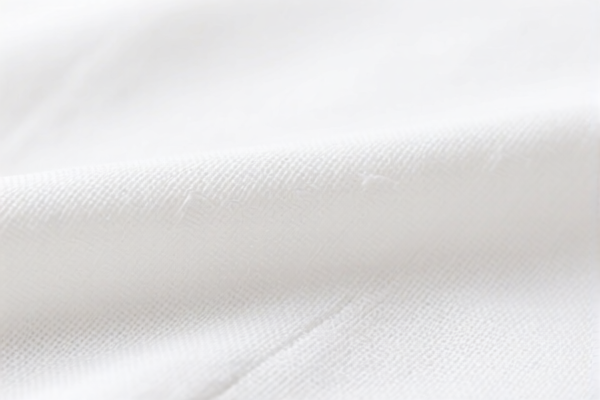
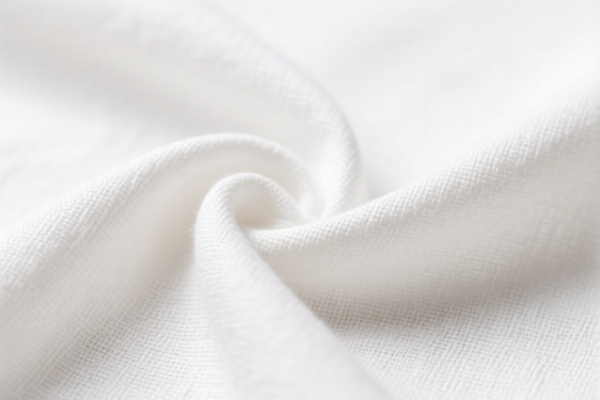
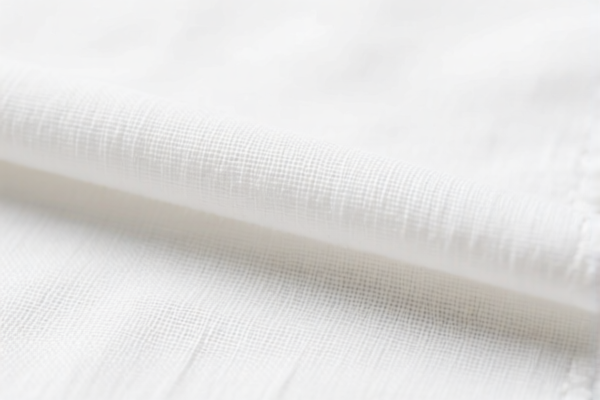
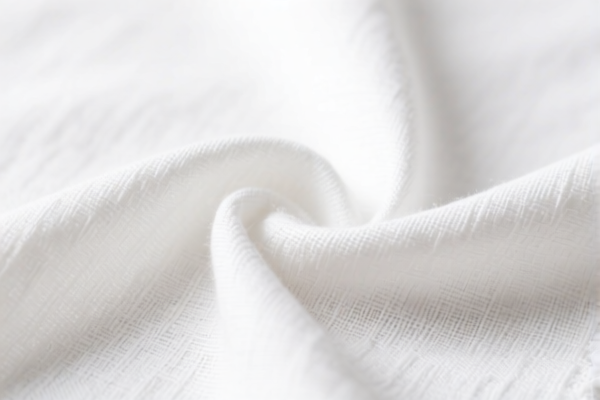
AI分析
🧵 Plain Weave Fabric (43x68 Count) – HS Code & Customs Clearance Guide
🌐 HS Code Reference & Clearance Strategy | 2026 Latest Tariff Analysis | Professional Compliance Guide
📌 I. Product Definition & Classification: What is "Plain Weave Fabric 43x68"?
"Plain Weave Fabric" refers to the most basic textile structure, where warp and weft threads interlace in a simple over-under pattern. The designation "43 68 Count" typically refers to thread count density (ends per inch/cm or yarn count), indicating a specific weave tightness and fabric weight. In international trade, this product is classified based on its fiber material (Cotton, Synthetic, Wool, etc.), which drastically affects the HS Code and tariff rate.
⚠️ Key Classification Point:
- The term "Plain Weave" alone is insufficient for accurate HS coding.
- You must identify the primary fiber content (e.g., 100% Cotton, 100% Polyester).
- The provided data below covers the most likely candidates based on standard textile categories (Cotton vs. Synthetic/Man-made filaments).
📦 II. HS Code Classification Matrix (Based on Provided Data)
The following HS Codes are derived from the input data. Each code corresponds to a specific fiber type or weave characteristic.
| HS Code | Material/Description | Total Tax Rate | Tax Detail Breakdown |
|---|---|---|---|
| 5407.69.30.00 | Synthetic/Man-made Filament (e.g., Polyester, Nylon) Plain Weave, Density matches standard range. |
35.0% | Base: 0.0% Additional (Sec 301): 25.0% Sec 122: 10% |
| 5407.73.10.00 | Synthetic/Man-made Filament Plain Weave, Density parameters partially overlap. |
35.0% | Base: 0.0% Additional (Sec 301): 25.0% Sec 122: 10% |
| 5208.31.60.40 | 100% Cotton Plain Weave, Yarn Count Matches. |
44.7% | Base: 9.7% Additional (Sec 301): 25.0% Sec 122: 10% |
| 5208.11.40.20 | 100% Cotton Plain Weave, Warp & Weft Density Fully Matches. |
44.0% | Base: 9.0% Additional (Sec 301): 25.0% Sec 122: 10% |
| 5512.21.00.10 | Synthetic Staple Fiber (e.g., Polyester Staple) Plain Weave Structure. |
47.0% | Base: 12.0% Additional (Sec 301): 25.0% Sec 122: 10% |
🔍 Critical Insight:
- Cotton Fabrics (5208.xx) carry a Higher Base Tariff (9.0%–9.7%) compared to Synthetic Filaments (5407.xx) which have 0% Base.
- However, all categories listed are subject to US Section 301 Additional Tariffs (25%) and Section 122 Tariffs (10%).
- The total tax burden ranges from 35% to 47%, depending on the specific fiber composition and weave density.
💰 III. 2026 Tariff Rate Breakdown & Legal Basis
✅ Applicable Country: USA (US)
✅ Origin: China (CN)
✅ Effective Time: Post-2025 (Including subsequent imports)
🎯 1. Synthetic/Man-made Filament Fabrics (HS 5407.69.30.00 & 5407.73.10.00)
| Item | Details |
|---|---|
| Base Duty | 0.0% (Ad Valorem) |
| USITC Additional Duty (Sec 301) | +25.0% |
| Section 122 Additional Duty | +10.0% |
| Total Effective Tax Rate | 35.0% |
| Calculation Basis | CIF Value × 35.0% |
| De Minimis Exemption? | ❌ No (Denied for Chinese Origin) |
| Legal Path | IEEPA:9903.01.25 → USITC:5407.69.30.00 → FOOTNOTE:9903.88.01 |
📌 Explanation:
- Synthetic filaments (like Polyester) often have lower base duties but are heavily impacted by trade tariffs.
- The Section 122 tariff (10%) is a specific administrative levy on imports from China.
🎯 2. Cotton Fabrics (HS 5208.31.60.40 & 5208.11.40.20)
| Item | Details |
|---|---|
| Base Duty | 9.0% – 9.7% (Ad Valorem) |
| USITC Additional Duty (Sec 301) | +25.0% |
| Section 122 Additional Duty | +10.0% |
| Total Effective Tax Rate | 44.0% – 44.7% |
| Calculation Basis | CIF Value × (9.0–9.7%) + 35% |
| De Minimis Exemption? | ❌ No (Denied for Chinese Origin) |
| Legal Path | USITC:5208.11.40.20 → FOOTNOTE:9903.88.01 |
📌 Explanation:
- Cotton fabrics are subject to higher base tariffs than synthetic filaments.
- HS 5208.11.40.20 offers a slightly lower total rate (44.0%) compared to 5208.31.60.40 (44.7%) due to a lower base duty (9.0% vs 9.7%).
- Ensure your fabric's warp/weft density exactly matches the HS Code description to qualify for the lower rate.
🎯 3. Synthetic Staple Fiber Fabrics (HS 5512.21.00.10)
| Item | Details |
|---|---|
| Base Duty | 12.0% (Ad Valorem) |
| USITC Additional Duty (Sec 301) | +25.0% |
| Section 122 Additional Duty | +10.0% |
| Total Effective Tax Rate | 47.0% |
| Calculation Basis | CIF Value × 47.0% |
| De Minimis Exemption? | ❌ No (Denied for Chinese Origin) |
| Legal Path | USITC:5512.21.00.10 → FOOTNOTE:9903.88.01 |
📌 Explanation:
- This is the highest tax bracket among the listed options due to the high base duty (12%).
- Only classify here if the fabric is made from synthetic staple fibers (e.g., spun polyester) and not continuous filaments.
🛠️ IV. Customs Clearance Practical Advice (Pitfall Avoidance)
✅ 1. Required Documentation Checklist
| Document | Mandatory? | Purpose |
|---|---|---|
| ✅ Product Specification Sheet | ✔️ | Must specify: Fiber Content (%), Weave Type (Plain), Density (43x68), Width, Weight (GSM). |
| ✅ Fabric Swatch/Photo | ✔️ | Visual proof of weave structure. |
| ✅ Commercial Invoice | ✔️ | Must state "Plain Weave Fabric, Cotton/Synthetic, 43x68 Count". |
| ✅ Bill of Lading (B/L) | ✔️ | Ensure cargo description matches invoice. |
| ✅ Certificate of Origin (CO) | ✔️ | For US-China trade, confirms origin (no preferential tariff). |
✅ 2. Declaration Tips (Key Mnemonic)
🔥 “Fiber First, Density Second, Name Specific, Tax Predictable!”
| Scenario | Correct Declaration | Wrong Practice | Consequence |
|---|---|---|---|
| 100% Cotton, Plain Weave | 5208.11.40.20 or 5208.31.60.40 |
Vague term "Fabric" | Customs reclassification → 47%+ Tax |
| 100% Polyester (Filament) | 5407.69.30.00 |
"Cotton-like Fabric" | Penalty for Misdeclaration |
| Polyester Staple (Non-woven?) | 5512.21.00.10 |
"Woven Fabric" | Rejection if structure doesn't match |
| Mix of Fibers | Determine Primary Fiber | List all fibers equally | HS Code Error → Delayed Release |
✅ 3. Special Handling
| Case | Recommendation |
|---|---|
| Blended Fabrics (e.g., 65% Poly/35% Cotton) | Classify based on the chief weight fiber. If Poly > 50%, use 5407.xx. If Cotton > 50%, use 5208.xx. |
| Density Discrepancy | If "43 68" does not exactly match the HS Code's density range, use the most similar code (as per summary) but prepare to justify. |
| Section 122 Tariff (10%) | This is non-negotiable for Chinese goods. Do not plan for duty-free entry. |
🌍 V. Global Market Comparison (2026)
| Country/Region | Recommended HS Code | Estimated Tax | Notes |
|---|---|---|---|
| 🇺🇸 USA | 5208.11.40.20 (Cotton) |
44.0% | Includes Sec 301 (25%) + Sec 122 (10%) + Base (9%) |
| 🇺🇸 USA | 5407.69.30.00 (Poly Filament) |
35.0% | Includes Sec 301 (25%) + Sec 122 (10%) + Base (0%) |
| 🇨🇳 China | 5208.11.40.20 |
5.0% – 9.0% | Lower base duty, no Sec 301/122 |
| 🇪🇺 EU | 5208.11.40.20 |
0% – 12% | Varies by exact cotton content and origin. Check EBA/GSP. |
| 🇬🇧 UK | 5208.11.40.20 |
6.5% – 12% | Post-Brexit tariff schedule applies. |
📌 Conclusion:
- USA is the most expensive market for Chinese textile due to 35%–47% total tax.
- Cotton fabrics are taxed higher than Synthetic Filament fabrics in the US.
- No De Minimis exemption applies.
📌 VI. Common Errors & Pitfalls
❌ Error 1: Declaring "Polyester" for a Cotton Fabric
👉 Consequence: Customs rejection, fines, and potential seizure.
👉 Fix: Always test fiber content or use supplier's test report.
❌ Error 2: Ignoring the "43 68" Density
👉 Consequence: If density falls outside the HS Code's specific range, customs may reclassify to a higher-tariff code.
👉 Fix: Verify density against HS Code footnotes.
❌ Error 3: Assuming "Plain Weave" is always the same HS Code
👉 Consequence: Misclassification between 5208 (Cotton) and 5407 (Synthetic).
👉 Fix: Fiber Content is King. Weave is secondary.
✅ Correct Declaration Example:
"100% Cotton Plain Weave Fabric, 43x68 Count Density, Width 58 Inches, White, for Apparel Use, HS 5208.11.40.20"
🎯 VII. Conclusion: Precision Saves Money
🎯 Remember:
🔹 "Fiber determines HS, Density confirms it, Tariffs are high in USA."
🔹 "Cotton pays more base duty, Synthetics pay less base but same附加 tariffs."
🔹 "Total Tax 35%–47%: Plan your pricing accordingly!"
📌 Pro Tip:
If your fabric is blended, consider separating shipments if one component is cheaper to import.
Always apply for a Pre-Ruling from US Customs if your fabric's density or fiber content is borderline.
📣 Immediate Action:
📞 Contact your customs broker with Fiber Test Reports + Fabric Swatches.
🚀 Ensure your invoice explicitly states "Cotton" or "Polyester" to avoid ambiguity.
💰 Budget 35%–47% of CIF value for US Duties.
✨ Professional Clearance Starts with Accurate Classification!
💼 Your Profit Margin Depends on Correct HS Coding!
用户评价
关于 HS 编码归类
协调制度(HS)是由世界海关组织(WCO)制定的国际贸易商品分类标准。全球 200 多个国家采用 HS 系统作为海关关税、贸易统计和进出口监管的基础。
每个 HS 编码遵循以下层级结构:
- 章(2 位)——商品大类(例如:第 84 章:机器和机械设备)
- 品目(4 位)——章内的更具体分类
- 子目(6 位)——国际通用细分,所有 WCO 成员国统一使用
- 本国细分(8-10 位)——各国自行扩展的细分编码,如美国 HTSUS 10 位编码
正确的 HS 编码归类对于顺利通关、准确缴纳关税和遵守贸易法规至关重要。错误归类可能导致海关延误、多缴关税或罚款。
从CN进口到US时,适用的关税税率可能包括:
- 最惠国(MFN)税率——适用于 WTO 成员国的标准关税税率
- 普通税率——适用于无贸易协定国家
- 贸易救济关税——附加关税,如 301 条款(反倾销)、232 条款(国家安全)或反补贴税
本页内容仅供参考。如需正式归类,请咨询当地海关或持牌报关代理。