Plant Dwarfing Agent
CN → US| HS编码 | 关税税率 | 原产国 | 目的国 | 文档 |
|---|---|---|---|---|
| 2934991800 | 16.5% | CN | US | 官方文档 |
| 3808931500 | 41.5% | CN | US | 官方文档 |
| 2934991500 | 16.5% | CN | US | 官方文档 |
| 3808935040 | 40.0% | CN | US | 官方文档 |
商品图片

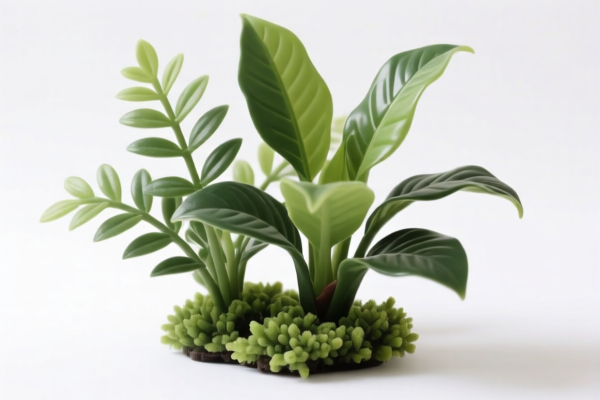


AI分析
🌱 Plant Dwarfing Agents: Agricultural Chemicals Classification & Clearance Guide
🌐 HS Code Reference & Customs Clearance Guide | 2026 Latest Tariff Analysis | Professional Strategy for Agri-Exports
📌 I. Product Definition: What is a "Plant Dwarfing Agent"?
Plant Dwarfing Agents (often classified under Plant Growth Regulators) are specialized agricultural chemicals used to inhibit stem elongation, reduce internode length, and improve crop resilience against lodging (falling over) and environmental stress. Chemically, they often fall under the category of Heterocyclic Compounds or specific Herbicides/Regulators.
⚠️ Critical Classification Distinction:
The classification hinges on whether the product is deemed a Pure Chemical Compound (Chapter 29) or a Preparation/Mixture (Chapter 38). - Pure Active Ingredients (Isolated chemicals) → Typically Chapter 29 (Organic Chemicals). - Formulated Products (Mixtures, emulsions, ready-to-use sprays) → Typically Chapter 38 (Miscellaneous Chemical Products).
📦 II. HS Code Classification Details (2026 Authorized Tariff Codes)
Based on the provided data, here are the four valid HS codes for Plant Dwarfing Agents, categorized by their chemical nature and regulatory status.
| HS Code | Product Description | Applicability & Logic |
|---|---|---|
2934.99.18.00 |
Other Heterocyclic Compounds | The agent is chemically classified as a "heterocyclic compound." It is treated as a raw chemical material rather than a registered pesticide formulation. |
3808.93.15.00 |
Plant Growth Regulators (Preparation) | The agent is explicitly defined as a "Plant Growth Regulator" and is likely a formulated mixture or preparation designed for agricultural use, falling under Chapter 38. |
2934.99.15.00 |
Pesticides/Regulators under Heterocyclic Compounds | The agent is considered a pesticide/regulator within the context of heterocyclic compounds. This code bridges the gap between chemical identity (2934) and agricultural use. |
3808.93.50.40 |
Other Plant Growth Regulators (Preparation) | Another formulation code under Chapter 38, specifically targeting plant growth regulators that do not fit the previous sub-headings, often used for specific commercial mixes. |
🔍 Key Takeaway:
- Codes2934.99.18.00and2934.99.15.00treat the product as a Chemical.
- Codes3808.93.15.00and3808.93.50.40treat the product as a Pesticide/Regulation Preparation.
- Misclassification Risk: Declaring a formulated spray as a pure chemical (2934) may lead to rejection by FDA/USDA inspectors, while declaring a pure chemical as a preparation (3808) may incur higher duties.
💰 III. 2026 Tariff Rate Breakdown (US Market)
✅ Applicable Country: United States (US)
✅ Origin: China (CN)
✅ Effective Date: 2025/2026 Current Rates
⚠️ Note: All rates below include Base Tariff, Section 301/25% Surcharge, and Section 122 (301) Additional Tariff.
🎯 1. 2934.99.18.00 & 2934.99.15.00 —— Heterocyclic Compounds (Chemical Focus)
These two codes share the same tax structure because they both fall under the base chemical heading without the high Section 301 agricultural pesticide surcharge (or have a different calculation basis).
| Item | Details |
|---|---|
| Base Tariff | 6.5% (for 2934.99.18.00 / 2934.99.15.00) OR 5.0% (for 3808.93.50.40) |
| Section 301 Surcharge | 0.0% (No additional 25% tariff applied to these specific chemical sub-headings in this dataset) |
| Section 122 Tariff | 10% (Specific add-on for certain chemical/pesticide imports) |
| Total Tax Rate | 16.5% |
| Calculation Basis | CIF Value × 16.5% |
| De Minimis Exemption | ❌ Not Eligible (Commercial shipment) |
| Legal Basis Path | HTSUS 2934.99.15/18 → Section 122 Addition |
📌 Explanation:
- This is the most cost-effective option if the product can be legally classified as a raw chemical compound rather than a formulated pesticide.
- The 0% surcharge makes it significantly cheaper than the Chapter 38 options.
🎯 2. 3808.93.15.00 —— Plant Growth Regulators (Preparation Focus)
This code classifies the agent as a registered pesticide preparation, triggering higher tariffs.
| Item | Details |
|---|---|
| Base Tariff | 6.5% |
| Section 301 Surcharge | 25.0% (Heavy surcharge for agricultural preparations) |
| Section 122 Tariff | 10% |
| Total Tax Rate | 41.5% |
| Calculation Basis | CIF Value × 41.5% |
| De Minimis Exemption | ❌ Not Eligible |
| Legal Basis Path | HTSUS 3808.93.15 → Section 301 Footnotes |
📌 Explanation:
- The 25% surcharge drastically increases costs.
- This classification is likely required if the product is a ready-to-use liquid, emulsion, or contains inert ingredients beyond the active chemical component.
🎯 3. 3808.93.50.40 —— Other Plant Growth Regulators
A similar preparation-based code but with a slightly lower base rate.
| Item | Details |
|---|---|
| Base Tariff | 5.0% |
| Section 301 Surcharge | 25.0% |
| Section 122 Tariff | 10% |
| Total Tax Rate | 40.0% |
| Calculation Basis | CIF Value × 40.0% |
| De Minimis Exemption | ❌ Not Eligible |
| Legal Basis Path | HTSUS 3808.93.50.40 → Section 301 |
📌 Explanation:
- Slightly cheaper than3808.93.15.00due to the lower base rate (5% vs 6.5%), but the total burden (~40-41.5%) is still very high compared to the chemical codes.
🛠️ IV. Customs Clearance Practical Advice (Avoiding Pitfalls)
✅ 1. Documentation Checklist (Essential for Agri-Chemicals)
| Document | Requirement | Reason |
|---|---|---|
| ✅ Certificate of Analysis (COA) | ✔️ Mandatory | Must show % of active ingredient and list of inert chemicals to determine Chapter 29 vs 38. |
| ✅ EPA Registration Number | ✔️ If Chapter 38 | Required for 3808 codes. Without it, the shipment will be seized by USDA/FDA. |
| ✅ Safety Data Sheet (SDS) | ✔️ Mandatory | Classifies the product as hazardous/non-hazardous for transport (DOT/IATA). |
| ✅ Bill of Lading / Invoice | ✔️ Mandatory | Must accurately describe product as "Plant Growth Regulator" or "Heterocyclic Compound." |
| ✅ Form 8000-2 | ✔️ If Required | USDA permit for import of plant protection products. |
✅ 2. Declaration Strategy: Chemical vs. Formulation
🔥 The Golden Rule:
"Active Ingredient = Chapter 29; Formulated Product = Chapter 38"
| Scenario | Recommended HS Code | Risk if Misclassified |
|---|---|---|
| Pure powder/crystal (Active Ingredient only) | 2934.99.15.00 or 2934.99.18.00 |
❌ High Risk: If declared as 3808 without EPA reg → Seizure. If declared as 2934 but it's a mixture → Overpayment/Underpayment penalties. |
| Ready-to-use spray/emulsion | 3808.93.15.00 or 3808.93.50.40 |
❌ High Risk: If declared as 2934, Customs will flag it as an unregistered pesticide. 16.5% savings lost. |
| Mix of active + carrier fluid | 3808.93.15.00 |
Correct classification is crucial. |
✅ 3. Special Handling for Section 122 Tariff
- Section 122 applies to 10% of the value for these specific agricultural/chemical codes.
- This is non-negotiable for most agri-chemical imports from China.
- Ensure your HS Code selection matches the Section 122 eligibility to avoid manual review delays.
🌍 V. Market Comparison & Cost Impact
| Code Type | HS Code Example | Total Tax Rate | Best For |
|---|---|---|---|
| Chemical Focus | 2934.99.15.00 |
16.5% | Manufacturers exporting pure active ingredients to be mixed by local farmers. |
| Regulation Focus | 3808.93.15.00 |
41.5% | Commercial sellers exporting ready-to-use formulations to end-users. |
📌 Conclusion:
- If you have the technical capability to ship pure chemicals (subject to strict purity standards), Chapter 29 (2934...) saves you ~25% in taxes.
- If you are shipping ready-to-use products, you must use Chapter 38 (3808...) and budget for ~40-41.5% in tariffs.
📌 VI. Common Errors & Avoidance (Lessons Learned)
❌ Error 1: Using "Plant Dwarfing Agent" as the only description on the Invoice.
👉 Fix: Use precise chemical names (e.g., "Trinexapac-ethyl") or EPA-defined names.
❌ Error 2: Choosing 2934 for a mixture to save taxes.
👉 Fix: If the product contains solvents or carriers, it is a preparation and must be 3808. Customs may audit COAs.
❌ Error 3: Ignoring EPA Registration for 3808 codes.
👉 Fix: No EPA Reg No = No Clearance. The product will be destroyed or re-exported at your expense.
✅ Correct Declaration Example:
"Trinexapac-ethyl 75% WDG Plant Growth Regulator [OR] Propiconazole Solution for Agricultural Use, EPA Reg No: XXXX-XXXX"
🎯 VII. Final Recommendation
🎯 For Maximum Savings:
If your product is a pure chemical, insist on
2934.99.15.00or2934.99.18.00(16.5% total duty). Ensure your Certificate of Analysis proves >95% purity to justify this classification.
🎯 For Compliance:
If your product is a formulated spray, accept the ~40-41.5% duty rate under
3808.93.15.00or3808.93.50.40. Focus on obtaining EPA registration to avoid legal seizure.
📌 Pro Tip:
Apply for a Customs Ruling Letter from CBP before your first shipment. It legally binds Customs to your chosen HS Code, preventing surprise audits or re-classifications later.
✨ Professional Clearance, Start with Precise Classification!
💼 Every percentage point of duty counts in agricultural exports!
用户评价
关于 HS 编码归类
协调制度(HS)是由世界海关组织(WCO)制定的国际贸易商品分类标准。全球 200 多个国家采用 HS 系统作为海关关税、贸易统计和进出口监管的基础。
每个 HS 编码遵循以下层级结构:
- 章(2 位)——商品大类(例如:第 84 章:机器和机械设备)
- 品目(4 位)——章内的更具体分类
- 子目(6 位)——国际通用细分,所有 WCO 成员国统一使用
- 本国细分(8-10 位)——各国自行扩展的细分编码,如美国 HTSUS 10 位编码
正确的 HS 编码归类对于顺利通关、准确缴纳关税和遵守贸易法规至关重要。错误归类可能导致海关延误、多缴关税或罚款。
从CN进口到US时,适用的关税税率可能包括:
- 最惠国(MFN)税率——适用于 WTO 成员国的标准关税税率
- 普通税率——适用于无贸易协定国家
- 贸易救济关税——附加关税,如 301 条款(反倾销)、232 条款(国家安全)或反补贴税
本页内容仅供参考。如需正式归类,请咨询当地海关或持牌报关代理。