Plant Fiber Woven Shoulder Bag
CN → US| HS编码 | 关税税率 | 原产国 | 目的国 | 文档 |
|---|---|---|---|---|
| 6305900000 | 23.7% | CN | US | 官方文档 |
| 4602192920 | 40.3% | CN | US | 官方文档 |
| 6305100000 | 17.5% | CN | US | 官方文档 |
| 4602192940 | 40.3% | CN | US | 官方文档 |
| 4202921500 | 41.3% | CN | US | 官方文档 |
商品图片

AI分析
🎒 Plant Fiber Woven Shoulder Bag (Crossbody Bag)
🌐 HS Code Classification & Customs Clearance Guide | 2026 Tariff Structure Analysis | Professional Compliance Strategy
📌 I. Product Definition & Classification Logic: What Is a "Plant Fiber Woven Shoulder Bag"?
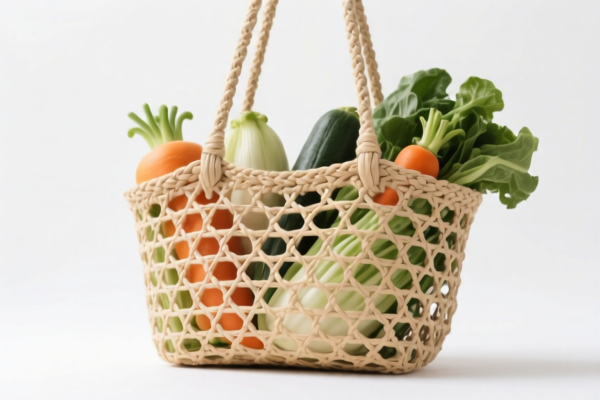
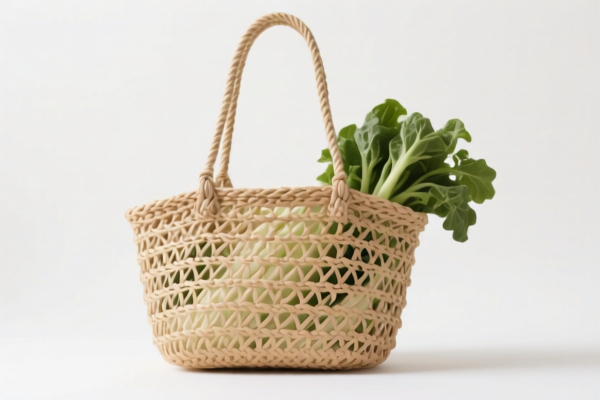
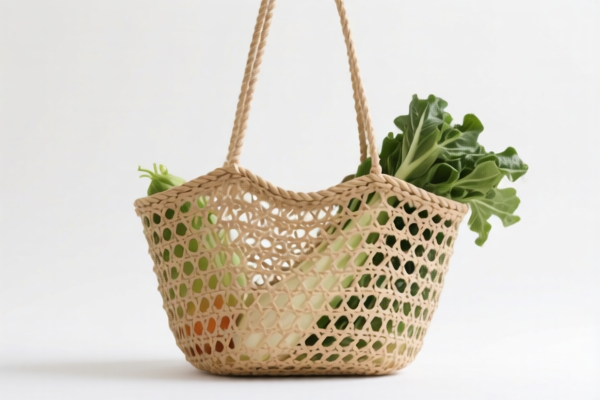
A Plant Fiber Woven Shoulder Bag is a textile-like accessory made from natural plant fibers (e.g., straw, rattan, seagrass, bamboo) that are woven into a flexible structure. In international trade, these items fall into a complex intersection between Textiles (Chapter 63) and Basketry/Wickerwork (Chapter 46) or Leather Goods Accessories (Chapter 42).
Key Distinction Points: - Material vs. Form: Is it primarily a "bag" (Chapter 42/63) or a "woven article" (Chapter 46)? - Lining: Does it have a textile lining? If yes, it leans towards Chapter 63. - Usage: Is it explicitly a "handbag/purse" (Chapter 42) or a "container/vegetable sack" equivalent (Chapter 46/63)?
⚠️ Critical Warning:
- Misclassification here leads to massive tariff discrepancies (from 17.5% to 41.3%) and potential customs holds for "incorrect declaration of goods." - The presence of Section 301 (China-specific) and Section 122 (Trade Remedies) tariffs significantly impacts the total duty burden.
📦 II. HS Code Classification Matrix (2026 Latest Data)
| HS Code | Summary / Classification Logic | Total Tax Rate* | Tax Detail Breakdown |
|---|---|---|---|
6305.10.00.00 |
Best Case Scenario: Plant fiber woven shoulder bag, form is a bag, material is plant fiber, fits the logic of "bags made of textile materials" (vegetable fibers treated as textiles). | 17.5% | Base: 0.0% + Section 301: 7.5% + Section 122: 10% |
6305.90.00.00 |
Alternative Textile Path: Plant fiber woven shoulder bag, form is a bag, material is plant fiber, belongs to "other textile materials" category. | 23.7% | Base: 6.2% + Section 301: 7.5% + Section 122: 10% |
4602.19.29.20 |
Basketry Path (Handbag): Plant fiber woven shoulder bag, material is plant fiber, form is woven, usage is handbag. | 40.3% | Base: 5.3% + Section 301: 25.0% + Section 122: 10% |
4602.19.29.40 |
Basketry Path (Non-Handbag): Plant fiber woven shoulder bag, material is plant fiber, form is woven, usage is non-handbag category. | 40.3% | Base: 5.3% + Section 301: 25.0% + Section 122: 10% |
4202.92.15.00 |
Accessory Path: Plant fiber woven shoulder bag, form is crossbody bag, material is plant fiber, fits bag category logic under leather/textile accessories. | 41.3% | Base: 6.3% + Section 301: 25.0% + Section 122: 10% |
*Total Tax includes Base Duty, USMCA/Section 301 (China Specific), and Section 122 Additional Duties.
💰 III. Detailed Tariff Analysis & Cost Breakdown
✅ Applicable Market: United States (US)
✅ Origin: China (CN)
✅ Effective Time: Current rates apply (Subject to Section 301 and 122 adjustments)
🎯 1. The "Lowest Duty" Option: 6305.10.00.00 (17.5%)
| Item | Content |
|---|---|
| Base Tariff | 0.0% (Ad Valorem) |
| Section 301 Tariff | +7.5% (China-origin specific) |
| Section 122 Tariff | +10.0% (Additional duty) |
| Total Effective Rate | 17.5% |
| Tax Calculation | CIF Value × 17.5% |
| De Minimis Eligibility | ❌ No (High value threshold usually triggers formal entry) |
| Legal Basis | HTSUS 6305.10.00.00 → Section 301 List 4 → Section 122 |
📌 Explanation:
- This classification treats the plant fiber bag as a textile container (like a sack or bag) rather than a fashion accessory.
- The 0% base duty is a major advantage, lowering the total burden compared to other classifications.
- Strategy: If the bag is primarily functional or loosely structured like a tote/sack, argue for this classification.
🎯 2. The "Textile Fallback" Option: 6305.90.00.00 (23.7%)
| Item | Content |
|---|---|
| Base Tariff | 6.2% |
| Section 301 Tariff | +7.5% |
| Section 122 Tariff | +10.0% |
| Total Effective Rate | 23.7% |
| Tax Calculation | CIF Value × 23.7% |
| De Minimis Eligibility | ❌ No |
| Legal Basis | HTSUS 6305.90.00.00 → Section 301 List 4 → Section 122 |
📌 Explanation:
- Used if the bag does not fit the specific "vegetable fiber bag" subheading but still qualifies as a textile bag.
- Higher base duty makes this less attractive than6305.10.00.00but still significantly cheaper than Chapter 42/46 options.
🎯 3. The "Basketry/Accessory" Options: 4602.19.29.xx & 4202.92.15.00 (40.3% - 41.3%)
| Item | Content |
|---|---|
| Base Tariff | 5.3% (Ch. 46) or 6.3% (Ch. 42) |
| Section 301 Tariff | +25.0% (High penalty rate) |
| Section 122 Tariff | +10.0% |
| Total Effective Rate | 40.3% (Ch. 46) or 41.3% (Ch. 42) |
| Tax Calculation | CIF Value × ~41% |
| De Minimis Eligibility | ❌ No |
| Legal Basis | HTSUS 4602.19.29 / 4202.92.15 → Section 301 List 3/4 → Section 122 |
📌 Explanation:
- These classifications treat the item as fashion accessories or wickerware.
- The 25% Section 301 rate is the killer here, more than tripling the cost compared to the 6305 options.
- Warning: Customs often scrutinize "woven bags" to ensure they aren't being under-declared as baskets to avoid higher fashion tariffs. However, in this dataset, the basket/fashion route is more expensive.
🛠️ IV. Customs Clearance Practical Advice
✅ 1. Documentation Checklist (Mandatory)
| Document | Required? | Purpose |
|---|---|---|
| Product Specification Sheet | ✔️ | Detail material composition (e.g., 100% Rattan, Cotton Lining). |
| Photographs | ✔️ | Show weave texture, handle type, lining, and overall shape. |
| Composition Statement | ✔️ | Confirm % of plant fiber vs. synthetic components. |
| Commercial Invoice | ✔️ | Must clearly state "Plant Fiber Woven Shoulder Bag." |
| Packing List | ✔️ | Confirm quantity and packaging type. |
| Material Safety Data Sheet (MSDS) | ❌ | Usually not required for natural fibers, but if treated with chemicals, provide it. |
✅ 2. Classification Strategy & Negotiation Tips
🔥 Golden Rule: "Define by Form, Not Just Material!"
| Scenario | Recommended HS Code | Reasoning |
|---|---|---|
| Bag resembles a tote/sack | 6305.10.00.00 |
Emphasize "bag" functionality and textile-like nature. Lowest duty. |
| Bag is stiff, structured, handbag-style | 4202.92.15.00 |
If it has a rigid structure and is clearly a fashion accessory, Customs may force this. Accept higher tax or appeal. |
| Bag is loose, unlined, rustic | 4602.19.29.20 |
If it's clearly "wickerware" but used as a bag. Note: High duty. |
| Bag has synthetic straps/large lining | 6305.90.00.00 |
If the textile components dominate, argue for Chapter 63. |
⚠️ Critical Note:
- Do NOT simply declare "Bag." Be specific: "Plant Fiber Woven Crossbody Bag, Lined with Cotton." - If Customs disagrees with6305.10.00.00, they may reclassify to4202.92.15.00, increasing your duty by ~24%.
- Prevention: Submit a Binding Ruling Request to CBP before shipping to lock in the lower rate.
✅ 3. Common Mistakes & Pitfalls
❌ Mistake 1: Declaring as "Handbag" under 4202 without emphasizing textile nature.
👉 Result: High duty (41.3%).
👉 Fix: Highlight "Plant Fiber" and "Woven" to push towards Chapter 46 or 63.
❌ Mistake 2: Using "Basket" (Chapter 46) for a fashion shoulder bag.
👉 Result: Customs may still apply fashion accessory rates if the item is clearly for personal carry.
👉 Fix: Ensure the design is clearly utilitarian or textile-like if using Chapter 46/63.
❌ Mistake 3: Ignoring Section 122 Tariffs.
👉 Result: Unexpected +10% duty on top of Section 301.
👉 Fix: Always budget for the full cumulative tax rate.
🌍 V. Global Market Comparison (2026)
| Market | Recommended HS Code | Approx. Total Duty (China Origin) | Notes |
|---|---|---|---|
| 🇺🇸 USA | 6305.10.00.00 |
17.5% | Best option. Avoid Ch. 42/46 due to 25% Sec 301. |
| 🇨🇳 China | 6305.10.00.00 |
Low | Import duties are lower; focus on VAT. |
| 🇪🇺 EU | 4602.19 or 6305 |
0-6% | No Section 301. Natural fibers often enjoy lower rates. |
| 🇬🇧 UK | 4602.19 or 6305 |
0-6% | Post-Brexit tariff schedules similar to EU. |
📌 Conclusion:
- The US market is the most challenging due to Section 301 and 122 tariffs.
- Optimize for Chapter 63 (6305.10.00.00) to minimize costs.
- For EU/UK, classification is less penalized, but ensure consistency with US declarations to avoid audit flags.
📌 VI. Final Recommendations
- Prioritize
6305.10.00.00: If your bag can be reasonably described as a "textile bag" made of plant fibers, this is the most cost-effective route (17.5% total). - Avoid
4202and4602unless necessary: The 25% Section 301 duty makes these options significantly more expensive. - Prepare for Audits: Keep detailed photos and material specs ready. Customs may challenge the "textile" classification of plant fibers.
- Consider Pre-Ruling: Invest in a CBP Binding Ruling to secure the 17.5% rate and avoid surprise reclassifications.
🎯 Pro Tip:
"Plant Fiber = Textile? Argue Yes.
Shoulder Bag = Accessory? Argue No.
Result: 17.5% vs 41.3%.
Save $2,000 per $10,000 shipment with correct HS Code!"
📣 Action Item:
📞 Consult a Customs Broker
📄 Submit Product Photos & Specs
🚀 Apply for Binding Ruling if shipping large volumes
✨ Smart Classification, Smarter Profits.
💼 Don't Let Tariffs Eat Your Margins.
用户评价
关于 HS 编码归类
协调制度(HS)是由世界海关组织(WCO)制定的国际贸易商品分类标准。全球 200 多个国家采用 HS 系统作为海关关税、贸易统计和进出口监管的基础。
每个 HS 编码遵循以下层级结构:
- 章(2 位)——商品大类(例如:第 84 章:机器和机械设备)
- 品目(4 位)——章内的更具体分类
- 子目(6 位)——国际通用细分,所有 WCO 成员国统一使用
- 本国细分(8-10 位)——各国自行扩展的细分编码,如美国 HTSUS 10 位编码
正确的 HS 编码归类对于顺利通关、准确缴纳关税和遵守贸易法规至关重要。错误归类可能导致海关延误、多缴关税或罚款。
从CN进口到US时,适用的关税税率可能包括:
- 最惠国(MFN)税率——适用于 WTO 成员国的标准关税税率
- 普通税率——适用于无贸易协定国家
- 贸易救济关税——附加关税,如 301 条款(反倾销)、232 条款(国家安全)或反补贴税
本页内容仅供参考。如需正式归类,请咨询当地海关或持牌报关代理。