Plastic Agricultural Film
CN → US| HS编码 | 关税税率 | 原产国 | 目的国 | 文档 |
|---|---|---|---|---|
| 3920435000 | 39.2% | CN | US | 官方文档 |
| 3920992000 | 39.2% | CN | US | 官方文档 |
商品图片
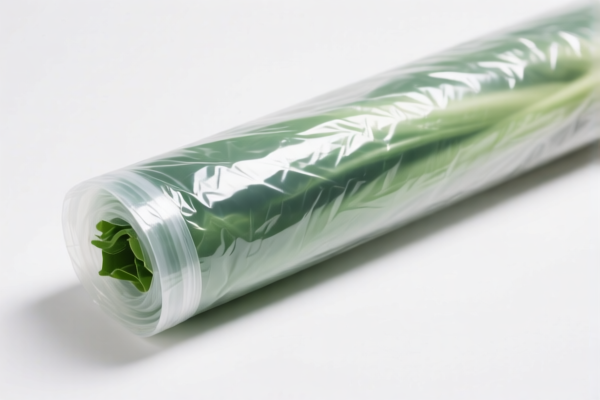
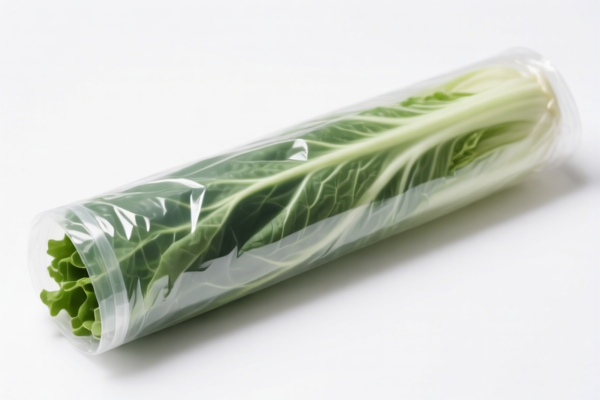
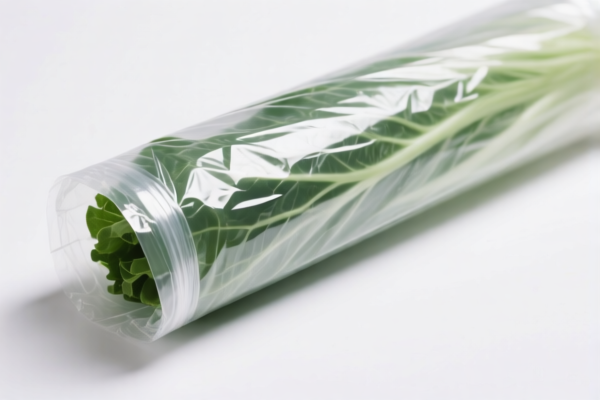

AI分析
🌾 Plastic Agricultural Film (Polymer Sheets/Films)
🌐 HS Code Reference & Customs Clearance Guide | 2026 Latest Tariff Analysis | Professional Clearance Strategy
📌 I. Product Definition & Classification: What is "Plastic Agricultural Film"?
Plastic agricultural film, commonly known as "plastic mulch" or "greenhouse film," is a critical input in modern agriculture. In international trade, it is primarily classified under Chapter 39 (Plastics and Articles Thereof).
The classification depends strictly on the chemical composition (specifically the base polymer) and physical properties (plasticizer content). The two most relevant HS Codes from the provided data are:
- Vinyl Chloride-Based Films (3920.43.50.00): Rigid or semi-rigid PVC films often used for industrial or specific agricultural containment, typically containing plasticizers for flexibility.
- Other Plastic Films (3920.99.20.00): This category covers films made from other polymers (such as Polyethylene/PE, which is the most common material for agricultural mulch/greenhouse films). These are generally flexible sheets, strips, or films.
⚠️ Key Distinction:
- If the film is made of Polyvinyl Chloride (PVC) with ≥6% plasticizers by weight → It falls under 3920.43.50.00.
- If the film is made of Other Plastics (e.g., Polyethylene (PE), Polypropylene (PP), etc.) and is flexible → It falls under 3920.99.20.00.
- Note: Most traditional agricultural mulch films are PE-based. PVC is less common for standard mulch due to environmental and durability concerns, but may be used for specialized greenhouse structures.
📦 II. HS Code Classification Details (2026 Latest Tariff Authority Comparison)
| HS Code | Product Description | Applicable Scenario | Material Type | Plasticizer Content |
|---|---|---|---|---|
3920.43.50.00 |
Other plates, sheets, film, foil, strip of plastics, noncellular: Of polymers of vinyl chloride: Containing by weight not less than 6% of plasticizers: Other | Specialized PVC agricultural film, industrial sheeting, rigid/flexible PVC applications | Polyvinyl Chloride (PVC) | ≥ 6% |
3920.99.20.00 |
Other plates, sheets, film, foil, strip of plastics: Of other plastics: Film, strip, sheets (flexible): Other | Standard agricultural mulch film, greenhouse covers (PE, PP, EVA), flexible plastic sheets | Other Plastics (PE, PP, etc.) | N/A (Not PVC-based) |
🔍 Key Reminder:
- Do not confuse "Agricultural Use" with HS Classification: The HS Code is determined by the material, not the end-use.
- If your film is Polyethylene (PE) (the most common type), you MUST use 3920.99.20.00, NOT 3920.43.50.00.
- Misclassification can lead to significant tariff penalties and customs delays.
💰 III. 2026 Latest Tariff Rate Details (Including Additional Duties & Policy Add-ons)
✅ Applicable Country: United States (US)
✅ Country of Origin: China (CN)
✅ Effective Date: 2025-11-10 onwards (including subsequent imports)
🎯 1. 3920.43.50.00 — PVC Plastic Film (With Plasticizers)
| Item | Detail |
|---|---|
| Basic Tariff | 4.2% (Ad Valorem) |
| Section 301 Additional Tariff | +25.0% (USITC Footnote 9903.88.01) |
| Total Tariff Rate | 29.2% |
| Tax Calculation | CIF Value × 29.2% |
| De Minimis Exemption | ❌ Not Applicable (Section 321 de minimis does not apply to goods subject to Section 301 tariffs) |
| Legal Basis Path | HTSUS:3920.43.50.00 → USITC:9903.88.01 → Section 301 Tariff |
📌 Explanation:
- The 29.2% total rate is high. This is because PVC products are subject to both the Most Favored Nation (MFN) base rate and the Section 301 retaliatory tariff.
- Even if the film is flexible, if it is PVC-based with ≥6% plasticizers, it is not exempt from Section 301.
- High Cost Alert: This tariff significantly impacts the competitiveness of PVC-based agricultural films. Consider switching to PE-based films if feasible.
🎯 2. 3920.99.20.00 — Other Plastic Films (e.g., PE, PP)
| Item | Detail |
|---|---|
| Basic Tariff | 0.0% (Ad Valorem) |
| Section 301 Additional Tariff | 0.0% |
| Total Tariff Rate | 0.0% |
| Tax Calculation | CIF Value × 0% = $0 |
| De Minimis Exemption | ✅ N/A (Since total tax is 0, de minimis is irrelevant, but low-value shipments may still be eligible for streamlined entry under Section 321 if ≤$800) |
| Legal Basis Path | HTSUS:3920.99.20.00 → No Section 301 Listing |
📌 Note:
- This is the most common and favorable classification for standard agricultural plastic films (mostly PE).
- Zero Duty Advantage: Exporters can offer highly competitive pricing to US buyers.
- Material Verification: Ensure your Product Data Sheet (PDS) clearly states "Polyethylene (PE)" or "Other Plastic" and NOT "PVC" to avoid customs audits.
🛠️ IV. Customs Clearance Practical Advice (Battle-Tested Pitfall Guide)
✅ 1. Documentation Checklist (Non-Negotiable)
| Document | Required? | Description |
|---|---|---|
| ✅ Product Specification Sheet | ✔️ | Must explicitly state polymer type (e.g., "LDPE," "LLDPE," "PVC"), thickness, width, and plasticizer content (if PVC). |
| ✅ Material Safety Data Sheet (MSDS) | ✔️ | Helps customs verify chemical composition, especially for PVC films. |
| ✅ Commercial Invoice | ✔️ | Description must be precise: "Plastic Agricultural Mulch Film, Made of Polyethylene (PE), Flexible, 1.5mil thickness" or "PVC Film..." |
| ✅ Packing List | ✔️ | Detail roll dimensions, weight, and packaging type. |
| ✅ Fiber Content Statement | ✔️ | Not applicable, but good practice to state "100% Synthetic Plastic." |
| ✅ Import License (if required) | ❌ | Generally not required for plastic films unless subject to specific environmental bans. |
✅ 2. Declaration Tactics (Key Mantras)
🔥 "Material First, Plasticizer Second, PVC High Tax, PE Zero Tax!"
| Scenario | Correct Declaration | Wrong Approach |
|---|---|---|
| Standard Mulch Film (PE) | 3920.99.20.00 |
Mislabeling as PVC → 29.2% tax |
| PVC Greenhouse Film | 3920.43.50.00 |
Mislabeling as "Other Plastic" → Audit & Penalties |
| Flexible PE Film | 3920.99.20.00 |
Declaring as "Rolls of Plastic" without HS code → Delay |
| PVC Film with <6% Plasticizer | 3920.43.10 (Hypothetical) |
Declaring as 3920.43.50 → Over-taxation |
✅ 3. Special Circumstances Handling
| Situation | Handling Advice |
|---|---|
| Recycled Plastic Films | If the film contains a high percentage of recycled material, ensure it still meets the "noncellular, not reinforced" criteria for Chapter 39. Some recycled plastics may fall under different headings. |
| Colored vs. Clear Films | Color does not change the HS code for 3920.99.20.00, but ensure the invoice describes it accurately. |
| Anti-UV Coated Films | Coating does not change the base material classification unless it makes the film "reinforced" or "laminated" with other materials (which would change the HS code entirely). Keep coating description minimal unless critical. |
| Biodegradable Films | If the film is biodegradable and made of PLA (Polylactic Acid), it may still fall under 3920.99.20.00 as "other plastics," but verify with customs if PLA is considered a "polymer of vinyl chloride" (It is not). |
🌍 V. Global Major Market Clearance Comparison (2026 Latest)
| Country/Region | Recommended HS Code | Tariff (China Origin) | Certification Requirements | Notes |
|---|---|---|---|---|
| 🇺🇸 USA | 3920.99.20.00 (PE) |
0% | No special certs | 3920.43.50.00 (PVC) = 29.2% |
| 🇨🇳 China | 3920.99.20.00 |
5% | N/A | Import duty for agricultural films |
| 🇪🇺 EU | 3920.49.90 (PVC) / 3920.99.90 (PE) |
~4-6% | REACH Compliance | High environmental scrutiny |
| 🇦🇺 Australia | 3920.99.90 |
5% | None | Standard MFN rates |
| 🇯🇵 Japan | 3920.99.10 / 3920.49.00 |
0-5% | JIS Standards | Varies by polymer type |
📌 Conclusion:
- The USA offers a zero-tariff advantage for PE-based films (3920.99.20.00), making it a highly competitive market for non-PVC agricultural plastics.
- PVC films face a 29.2% tariff barrier in the US, making PE films the preferred choice for US exports.
- EU and Japan have more complex classification systems based on polymer type, but generally lower tariffs than US PVC products.
📌 VI. Common Errors & Pitfall Guide (Blood & Tears Lessons)
❌ Error 1: Declaring all "Plastic Films" under one HS Code regardless of material
👉 Consequence: If you declare PE film as PVC (3920.43.50.00), you pay 29.2% instead of 0%. If you declare PVC as PE, you face smuggling allegations or heavy penalties.
❌ Error 2: Ignoring Plasticizer Content in PVC Films
👉 Consequence: If PVC film has <6% plasticizers, it might fall under a different subheading (3920.43.10), which may have a different duty rate. Incorrect declaration leads to underpayment or overpayment.
❌ Error 3: Using Generic Terms on Invoice
👉 Consequence: Invoice says "Plastic Sheet." Customs cannot determine if it is PVC or PE. Results in Hold for Inspection, Lab Testing, and Storage Fees.
❌ Error 4: Failing to Specify "Agricultural Use"
👉 Consequence: While agricultural use doesn't change the HS code, failing to specify it might lead customs to classify it as "Industrial Packaging," which could have different regulatory requirements (e.g., FDA compliance for food contact if used for food crop mulch).
✅ Correct Practice:
"Agricultural Mulch Film, Made of Low-Density Polyethylene (LDPE), Flexible, UV-Stabilized, 1.5mil Thickness, Roll Width 12m, No PVC Content"
🎯 VII. Conclusion: Professional Declaration, Save Cost, Ensure Smooth Clearance!
🎯 Remember the Mantra:
🔹 "PE is Free, PVC is Pricy (29.2%)! Know Your Polymer!"
🔹 "If it's flexible and not PVC, it's likely 3920.99.20.00 – Zero Duty!"
🔹 "Customs Checks Materials, Not Just Names – Be Specific!"
📌 Pro Tip:
If your agricultural film is biodegradable or contains additives, ensure your MSDS and Product Data Sheet clearly state the base polymer. If it is PE-based, highlight "0% PVC" on your commercial invoice to pre-emptively justify the 0% tariff classification.
Recommend pre-classification rulings for large volume shipments to avoid disputes.
📣 Take Action Now:
📞 Consult your customs broker + Provide Material Test Reports + Apply for HS Code Pre-Ruling
🚀 Make your agricultural film pass customs quickly, legally, and cost-effectively!
✨ Professional clearance starts with accurate classification!
💼 Your every cent of cost is worth precise calculation!
用户评价
关于 HS 编码归类
协调制度(HS)是由世界海关组织(WCO)制定的国际贸易商品分类标准。全球 200 多个国家采用 HS 系统作为海关关税、贸易统计和进出口监管的基础。
每个 HS 编码遵循以下层级结构:
- 章(2 位)——商品大类(例如:第 84 章:机器和机械设备)
- 品目(4 位)——章内的更具体分类
- 子目(6 位)——国际通用细分,所有 WCO 成员国统一使用
- 本国细分(8-10 位)——各国自行扩展的细分编码,如美国 HTSUS 10 位编码
正确的 HS 编码归类对于顺利通关、准确缴纳关税和遵守贸易法规至关重要。错误归类可能导致海关延误、多缴关税或罚款。
从CN进口到US时,适用的关税税率可能包括:
- 最惠国(MFN)税率——适用于 WTO 成员国的标准关税税率
- 普通税率——适用于无贸易协定国家
- 贸易救济关税——附加关税,如 301 条款(反倾销)、232 条款(国家安全)或反补贴税
本页内容仅供参考。如需正式归类,请咨询当地海关或持牌报关代理。