Plastic Appliance Handle
CN → US| HS编码 | 关税税率 | 原产国 | 目的国 | 文档 |
|---|---|---|---|---|
| 3926301000 | 24.0% | CN | US | 官方文档 |
| 3926902500 | 24.0% | CN | US | 官方文档 |
| 8538906000 | 38.5% | CN | US | 官方文档 |
| 8538908180 | 38.5% | CN | US | 官方文档 |
| 3926909989 | 22.8% | CN | US | 官方文档 |
商品图片
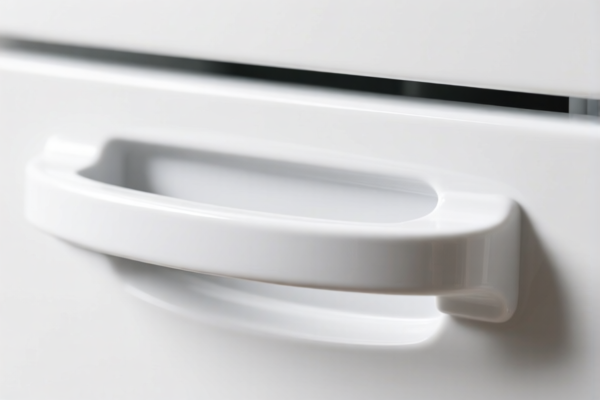
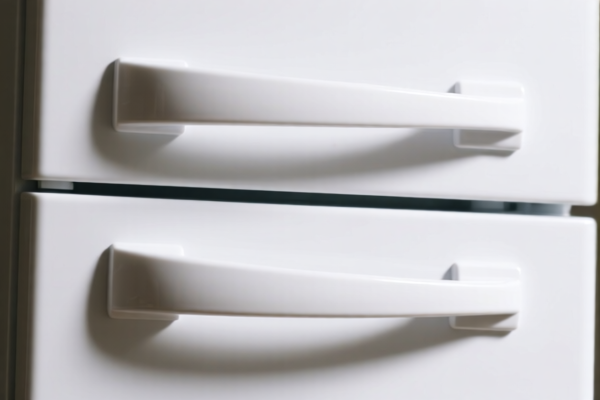
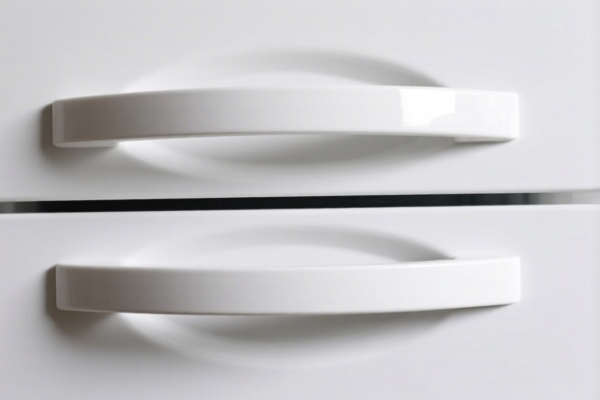
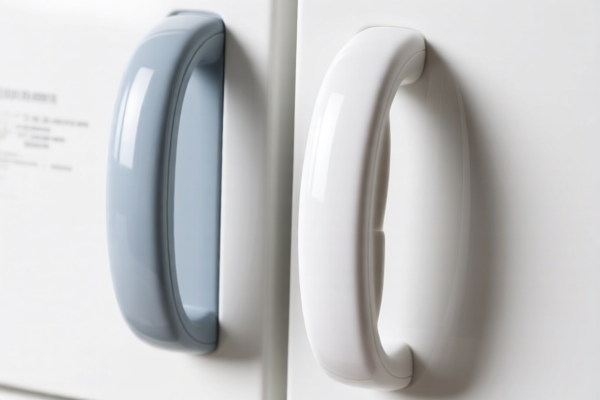
AI分析
🎛️ Plastic Appliance Handle (塑料电器把手/旋钮)
🌐 HS Code Reference & Customs Clearance Guide | 2026 Latest Tariff Analysis | Professional Strategy for US Import
📌 I. Product Definition & Classification: What Exactly is a "Plastic Appliance Handle"?
In international trade, Plastic Appliance Handles/Knobs are often underestimated. They are not just "parts"; they are critical interface components for kitchen appliances, industrial machinery, and consumer electronics. The key to accurate classification lies in determining their functional relationship with the appliance and their material composition.
Two Main Classification Paths: 1. General Plastic Articles (Chapter 39): If the handle is a standalone accessory, not specifically identifiable as a part of a specific machine, or if it serves a general purpose (e.g., a simple knob for a generic drawer). 2. Specific Machine Parts (Chapter 85): If the handle is specifically identifiable as a part of an electrical appliance, machinery, or apparatus (e.g., a knob for a microwave oven, a handle for a washing machine door).
⚠️ Critical Distinction Point: - If it is a generic plastic component with no specific electrical function → Go to Chapter 39 (e.g., 3926.90). - If it is a specialized part for an electrical appliance/machine → Go to Chapter 85 (e.g., 8538.90).
📦 II. HS Code Classification Details (2026 Latest Tariff Reference)
Based on the provided data, here are the possible HS Codes and their logic. Note that the Tax Rate differs significantly based on the chosen classification due to US-China trade policies (Section 301 & IEEPA).
| HS Code | Product Description | Logic for Classification | Total Tax Rate (US/CN Origin) |
|---|---|---|---|
3926.30.10.00 |
Plastic Handles & Knobs | General plastic handles/knobs. Classified under "Other plastic articles" specifically for handles. | 24.0% |
3926.90.25.00 |
Plastic Parts (Other) | Plastic handles/knobs classified as "Other" plastic articles if not meeting specific subheadings. | 24.0% |
3926.90.99.89 |
Other Plastic Articles | The "catch-all" for plastic articles not specified elsewhere. Often used for generic appliance parts. | 22.8% |
8538.90.60.00 |
Parts of Electrical Appliances | Specifically identified as parts of an electrical appliance/machine. Higher risk, higher tax. | 38.5% |
8538.90.81.80 |
Parts of Machinery (Other) | Classified as parts of other machinery/apparatus. | 38.5% |
🔍 Key Insight: - Chapter 39 (22.8% - 24.0%): Lower tariff. Suitable for generic handles, replacement knobs, or components not strictly "identifiable" as part of a specific electrical machine. - Chapter 85 (38.5%): Higher tariff. Applies if customs determines the handle is a specialized part of an electrical appliance (e.g., a specific knob for a blender, a handle for a dishwasher door).
💰 III. 2026 Latest Tariff Rate Breakdown (Detailed Tax Policy)
✅ Applicable Country: United States (US)
✅ Origin: China (CN)
✅ Effective Date: 2025/2026 Tariff Schedule (Subject to current trade policies)
🎯 1. Chapter 39: General Plastic Articles (Lower Tax Bracket)
🟢 Option A: 3926.30.10.00 – Plastic Handles and Knobs
| Item | Detail |
|---|---|
| Base Duty | 6.5% (Standard MFN Rate) |
| Section 301 Add-on | 7.5% (Trade War Tariff) |
| IEEPA Add-on | 10.0% (National Emergency Tariff) |
| Total Effective Rate | 24.0% |
| De Minimis Exemption | ❌ No (Cannot use $800 de minimis) |
| Legal Basis | USITC Tariff Schedule + USMCA/IEEPA Footnotes |
🟢 Option B: 3926.90.25.00 – Other Plastic Articles
| Item | Detail |
|---|---|
| Base Duty | 6.5% |
| Section 301 Add-on | 7.5% |
| IEEPA Add-on | 10.0% |
| Total Effective Rate | 24.0% |
| De Minimis Exemption | ❌ No |
🟢 Option C: 3926.90.99.89 – Other Plastic Articles (Catch-All)
| Item | Detail |
|---|---|
| Base Duty | 5.3% |
| Section 301 Add-on | 7.5% |
| IEEPA Add-on | 10.0% |
| Total Effective Rate | 22.8% |
| De Minimis Exemption | ❌ No |
📌 Explanation: - The 10% IEEPA tariff applies to most Chinese-origin goods under current emergency powers. - The 7.5% Section 301 tariff is the standard add-on for many Chinese goods. - Total ~23-24% is significantly lower than the Chapter 85 classification.
🎯 2. Chapter 85: Parts of Electrical Appliances (Higher Tax Bracket)
🔴 Option A: 8538.90.60.00 – Parts of Machines & Appliances
| Item | Detail |
|---|---|
| Base Duty | 3.5% |
| Section 301 Add-on | 25.0% (Higher Tier 301 Tariff) |
| IEEPA Add-on | 10.0% |
| Total Effective Rate | 38.5% |
| De Minimis Exemption | ❌ No |
| Legal Basis | USITC:8538.90.60.00 + IEEPA:9903.01.24 + Footnote 9903.88.01 |
🔴 Option B: 8538.90.81.80 – Other Parts of Machinery
| Item | Detail |
|---|---|
| Base Duty | 3.5% |
| Section 301 Add-on | 25.0% |
| IEEPA Add-on | 10.0% |
| Total Effective Rate | 38.5% |
| De Minimis Exemption | ❌ No |
📌 Explanation: - Why 25% Section 301? Parts of electrical machinery (Chapter 85) often fall under higher tariff lists due to trade tensions. - Why 38.5% Total? This is a high-cost classification. If your handle is deemed a "specialized part" of an electrical appliance, you pay ~15% more in tariffs than if classified as a general plastic article.
🛠️ IV. Customs Clearance Practical Advice (Avoid Pitfalls)
✅ 1. Preparation Checklist (Mandatory)
| Document | Required | Notes |
|---|---|---|
| Product Specifications | ✅ | Material (e.g., ABS, PP), Weight, Dimensions. |
| Usage Description | ✅ | Clearly state: "Generic plastic handle," "Replacement knob for furniture," vs. "Handle for Model X Microwave." |
| Photos | ✅ | Show the handle alone, and if possible, not attached to a specific electrical machine in a way that implies "specialized part." |
| Commercial Invoice | ✅ | Avoid phrases like "Part for Electrical Appliance" if possible. Use "Plastic Accessory" or "Plastic Handle." |
| HS Code Pre-Ruling | ✅ | Highly Recommended for large shipments. |
✅ 2. Classification Strategy (The "Golden Rule")
🔥 "General is Safe, Specific is Risky, Generic is Cheaper!"
| Scenario | Recommended HS Code | Tax Rate | Strategy |
|---|---|---|---|
| Generic Handle (e.g., for cabinets, tools, non-electric devices) | 3926.30.10.00 or 3926.90.99.89 |
22.8% - 24.0% | Preferred. Emphasize "Plastic Article." |
| Replacement Part for Furniture | 3926.90.25.00 |
24.0% | Safe. Not an electrical part. |
| Specialized Part for Electrical Appliance (e.g., Oven Dial) | 8538.90.60.00 |
38.5% | High Risk. Only use if strictly necessary. Must prove it's a "part." |
| Part for Non-Electrical Machine | 8538.90.81.80 |
38.5% | High Tax. Avoid if possible. |
⚠️ Warning:
If you declare "Handle for Microwave" on the invoice, Customs will classify it as8538.90.60.00(38.5%).
If you declare "Plastic Handle, Material: ABS, Use: General Purpose," Customs may classify it as3926.30.10.00(24.0%).
✅ 3. Special Cases
| Situation | Advice |
|---|---|
| OEM Parts | If supplying parts to an appliance brand, you may be forced to use Chapter 85. Negotiate with the buyer on who absorbs the higher tariff. |
| Mixed Containers | If shipping both electrical parts and general plastic handles, separate shipments or clear declarations are crucial to avoid cross-contamination of classification. |
| De Minimis ($800) | Do NOT use for US imports from China. All these HS codes are subject to high tariffs and no de minimis exemption. |
🌍 V. Global Market Comparison (2026)
| Country/Region | Recommended HS Code | Estimated Tax (CN Origin) | Notes |
|---|---|---|---|
| 🇺🇸 USA | 3926.30.10.00 |
24.0% | Best rate. Avoid Chapter 85 (38.5%) unless required. |
| 🇨🇳 China | 3926.30.10.00 |
6.5% - 9.0% | Lower import duty. VAT applies. |
| 🇪🇺 EU | 3926.90.99 |
4.5% - 6.5% | No trade war tariffs. Standard EU duties. |
| 🇬🇧 UK | 3926.90.99 |
4.5% - 6.5% | Post-Brexit, similar to EU but separate rules. |
📌 Conclusion:
The US market is the most expensive due to Section 301 and IEEPA tariffs.
Strategy: Always aim for Chapter 39 (General Plastic Articles) unless the part is undeniably a specialized electrical component.
📌 VI. Common Mistakes & Pitfalls (Learn from Others' Pain)
❌ Mistake 1: Declaring "Handle for Dishwasher" as 3926.30.10.00
👉 Result: Customs reclassifies to 8538.90.60.00. Pay 38.5% instead of 24.0%.
👉 Fix: Use generic terms like "Plastic Handle, Accessory" unless legally required to specify.
❌ Mistake 2: Assuming "Plastic" means low tax automatically
👉 Result: Ignoring the Chapter 85 trap. Parts of machines are heavily taxed.
👉 Fix: Check the "Use" description carefully.
❌ Mistake 3: Using De Minimis ($800) for bulk plastic handles
👉 Result: Shipment seized or taxed. Plastic handles from China are excluded from de minimis exemptions under current trade rules.
👉 Fix: Declare properly with full invoice value.
🎯 VII. Conclusion: Smart Classification, Lower Costs!
🎯 Remember the Mantra:
🔹 "Plastic Handle, Keep it General. Chapter 39 saves you 15%."
🔹 "Don't say 'Electrical Part' unless you must. It costs 38.5%!"
📌 Pro Tip:
For high-volume shipments, apply for a US CBP Ruling (Pre-Ruling) before shipping. This gives you legal certainty that your 3926.30.10.00 classification will stand, protecting you from post-audit penalties.
📣 Action Required:
📞 Contact your freight forwarder with a generic product description: "Plastic Handle, ABS Material, General Purpose."
🚀 Avoid "Electrical Appliance Part" on the commercial invoice if possible.
💰 Budget for ~24% duty, not 38.5%, to maximize profit margins.
✨ Professional clearance starts with precise classification!
💼 Your bottom line depends on the first 10 digits of the HS Code!
用户评价
关于 HS 编码归类
协调制度(HS)是由世界海关组织(WCO)制定的国际贸易商品分类标准。全球 200 多个国家采用 HS 系统作为海关关税、贸易统计和进出口监管的基础。
每个 HS 编码遵循以下层级结构:
- 章(2 位)——商品大类(例如:第 84 章:机器和机械设备)
- 品目(4 位)——章内的更具体分类
- 子目(6 位)——国际通用细分,所有 WCO 成员国统一使用
- 本国细分(8-10 位)——各国自行扩展的细分编码,如美国 HTSUS 10 位编码
正确的 HS 编码归类对于顺利通关、准确缴纳关税和遵守贸易法规至关重要。错误归类可能导致海关延误、多缴关税或罚款。
从CN进口到US时,适用的关税税率可能包括:
- 最惠国(MFN)税率——适用于 WTO 成员国的标准关税税率
- 普通税率——适用于无贸易协定国家
- 贸易救济关税——附加关税,如 301 条款(反倾销)、232 条款(国家安全)或反补贴税
本页内容仅供参考。如需正式归类,请咨询当地海关或持牌报关代理。