Plastic Aromatherapy Jar
CN → US| HS编码 | 关税税率 | 原产国 | 目的国 | 文档 |
|---|---|---|---|---|
| 3924104000 | 13.4% | CN | US | 官方文档 |
| 3923300010 | 38.0% | CN | US | 官方文档 |
| 3924905650 | 20.9% | CN | US | 官方文档 |
| 3923300090 | 38.0% | CN | US | 官方文档 |
| 6307909875 | 24.5% | CN | US | 官方文档 |
商品图片
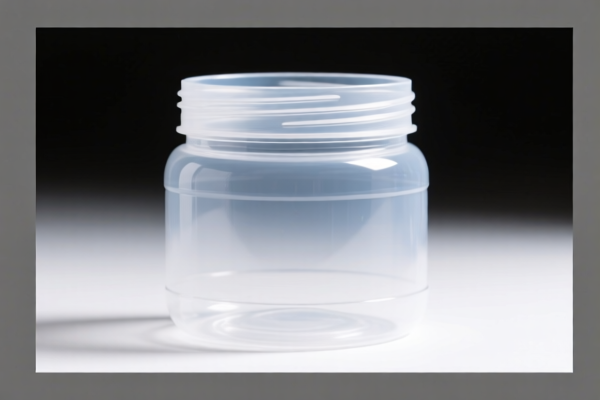
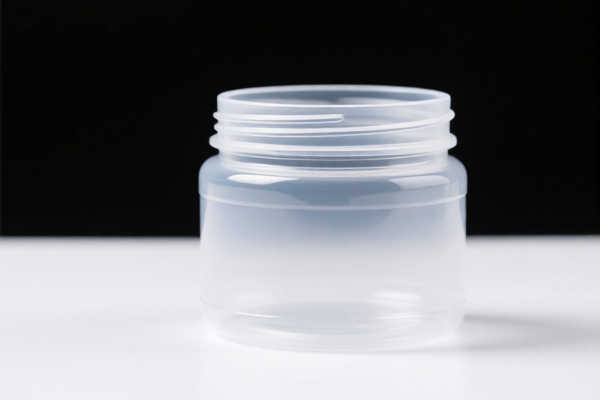
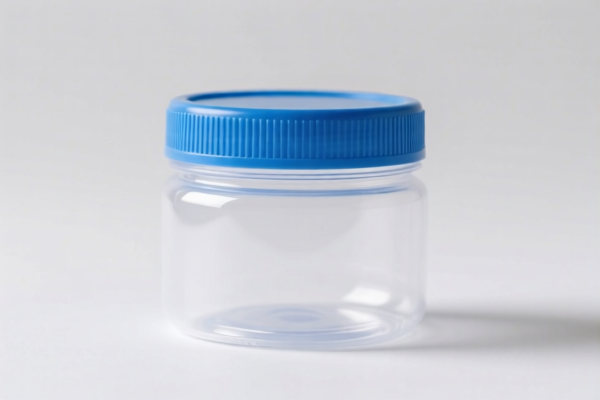

AI分析
🌿 Plastic Aromatherapy Jar (塑料香薰罐)
🌐 HS Code Reference & Customs Clearance Guide | 2026 Latest Tariff Analysis | Professional Clearance Strategy
📌 I. Product Definition & Classification: Do You Really Understand "Plastic Aromatherapy Jar"?
A "Plastic Aromatherapy Jar" is a versatile packaging or utility item, but its HS Code classification depends heavily on its primary function, shape, and end-use. In international trade, ambiguity here leads to significant tariff differences due to US Section 301 and Section 122 tariffs.
The product falls into two main categories: 1. Packaging Containers (Bottles/Jars): If used primarily to contain and transport aromatherapy oils, waxes, or creams. 2. Finished Household/Toiletry Goods: If it is a finished consumer product (e.g., a scented candle jar, a diffuser vessel, or a toiletry accessory) rather than just an empty container.
⚠️ Key Distinction:
- If the item is an empty plastic bottle/jar intended for packaging other goods →归入 3923 (Packaging Articles).
- If the item is a toiletry/cosmetic container (e.g., cosmetic bottle) →归入 3924.10 (Toiletry/Toilet articles).
- If the item is a general household plastic article (non-toiletry) →归入 3924.90.
📦 II. HS Code Classification Details (2026 Latest Tariff Authority Cross-Reference)
| HS Code | Product Description | Application Scenario | Tax Rate (Total) | Notes |
|---|---|---|---|---|
3924.10.40.00 |
Plastic Toiletry/Cosmetic Containers (e.g., Cosmetic Bottles) |
Used for toiletries or toilet articles (e.g., cosmetic jars, lotion bottles). | 13.4% | Base 3.4% + 122 Clause 10% |
3923.30.00.10 |
Plastic Bottles, Jars, etc. (Packaging) (Specific Subheading for Packaging) |
Empty plastic containers used for packaging goods. | 38.0% | Base 3.0% + 301/122 Tariffs |
3924.90.56.50 |
Other Plastic Household/Hygiene Articles (Non-Toiletry Specific) |
General plastic household items, not strictly toiletries or packaging bottles. | 20.9% | Base 3.4% + 7.5% Add-on + 122 Clause 10% |
3923.30.00.90 |
Other Plastic Bottles/Jars (General Packaging) |
Plastic bottles/jars not specified in other packaging subheadings. | 38.0% | Base 3.0% + 301/122 Tariffs |
6307.90.98.75 |
Textile/Paper Aromatherapy Bags (Scented Sachets) |
NOT for plastic jars. For fabric/paper scent bags. | 24.5% | Only if made of textile/paper |
🔍 Critical Insight:
-3924.10.40.00is the lowest tariff (13.4%) if the jar is considered a "toiletry/cosmetic container" (e.g., used for creams, lotions, or solid perfumes).
-3923.30.00.10/90carries a high tariff (38.0%) if classified simply as "packaging bottles" due to higher base rates and specific add-ons.
-6307.90.98.75applies only if the product is a scented sachet (袋) made of fabric or paper, NOT a plastic jar. Misclassifying a plastic jar as a textile bag will lead to customs rejection.
💰 III. 2026 Latest Tariff Rate Breakdown (Including Additional Taxes)
✅ Applicable Country: United States (US)
✅ Origin: China (CN)
✅ Effective Date: Current trade policies (Section 122 & Section 301)
🎯 1. 3924.10.40.00 —— Plastic Toiletry/Cosmetic Container (Recommended for Low Tariff)
| Item | Detail |
|---|---|
| Base Tariff | 3.4% |
| Section 122 Tariff | +10% (Specific to certain plastic articles/toiletries) |
| Additional Tariff (Section 301) | 0% (Exempted or lower tier for this specific subheading) |
| Total Tariff | 13.4% |
| Tax Calculation | CIF Value × 13.4% |
| De Minimis Eligibility | ❌ No (Deny de minimis) |
| Legal Basis Path | HTSUS:3924.10.40.00 → Section 122 |
📌 Explanation:
- This classification is ideal if the jar is marketed as a cosmetic/toiletry container (e.g., for face cream, solid perfume, or bath salts).
- The 122 Clause adds 10%, but the base rate is low, and it avoids the heavy 301 tariffs applied to general packaging.
🎯 2. 3923.30.00.10 / 3923.30.00.90 —— Plastic Packaging Bottles/Jars (High Tariff)
| Item | Detail |
|---|---|
| Base Tariff | 3.0% |
| Section 301 Tariff | +25% |
| Section 122 Tariff | +10% |
| Total Tariff | 38.0% |
| Tax Calculation | CIF Value × 38.0% |
| De Minimis Eligibility | ❌ No (Deny de minimis) |
| Legal Basis Path | HTSUS:3923.30.00.10 → Section 301 + Section 122 |
📌 Warning:
- If you declare a plastic jar simply as "Plastic Bottle for Packaging," customs may apply 38.0%.
- This is 24.6% higher than the toiletry classification.
🎯 3. 3924.90.56.50 —— Other Plastic Household Articles (Medium Tariff)
| Item | Detail |
|---|---|
| Base Tariff | 3.4% |
| Additional Tariff | +7.5% |
| Section 122 Tariff | +10% |
| Total Tariff | 20.9% |
| Tax Calculation | CIF Value × 20.9% |
| De Minimis Eligibility | ❌ No (Deny de minimis) |
| Legal Basis Path | HTSUS:3924.90.56.50 |
📌 Usage:
- Use this if the jar is a general household item (e.g., a storage jar for cotton balls, not explicitly for toiletries or packaging).
🎯 4. 6307.90.98.75 —— Textile/Paper Aromatherapy Sachet (Different Material)
| Item | Detail |
|---|---|
| Base Tariff | 7.0% |
| Additional Tariff | +7.5% |
| Section 122 Tariff | +10% |
| Total Tariff | 24.5% |
| Tax Calculation | CIF Value × 24.5% |
| De Minimis Eligibility | ❌ No (Deny de minimis) |
| Material | Textile or Paper ONLY |
📌 Clarification:
- Do NOT use this code for plastic jars. This code is for scented bags/sachets made of fabric or paper. Using it for plastic items will result in misdeclaration penalties.
🛠️ IV. Customs Clearance Practical Advice (Avoid Pitfalls)
✅ 1. Required Documentation Checklist
| Document | Mandatory | Description |
|---|---|---|
| ✅ Product Specifications | ✔️ | Material (PP, PET, etc.), Shape, Capacity, Intended Use |
| ✅ Product Photos | ✔️ | Clear images showing labels, closure type, and contents (if any) |
| ✅ Commercial Invoice | ✔️ | Accurate description: "Plastic Cosmetic Container" vs. "Plastic Packaging Bottle" |
| ✅ Packaging List | ✔️ | Unit weight, dimensions, and total quantity |
| ✅ Certification (if applicable) | ✔️ | FDA Compliance (if for food/cosmetic contact), BPA-Free Certificate |
✅ 2. Declaration Strategy (Key Tips)
🔥 “Material & Function Dictate Code: Cosmetic = 13.4%, Packaging = 38.0%!”
| Scenario | Correct HS Code | Incorrect Declaration | Consequence |
|---|---|---|---|
| Plastic Jar for Cream/Lotion | 3924.10.40.00 |
"Plastic Packaging Bottle" | Tax Jump: 13.4% → 38.0% (Back taxes + fines) |
| Empty Plastic Jar for Shipping | 3923.30.00.10 |
"Cosmetic Jar" | Risk of Audit: Customs may reclassify to 3924 if function is unclear |
| Scented Fabric Sachet | 6307.90.98.75 |
"Plastic Jar" | Misdeclaration: Material mismatch → Seizure |
| General Plastic Storage Jar | 3924.90.56.50 |
"Toiletry Article" | Risk: If not used for toiletries, may be reclassified |
✅ 3. Special Cases
| Situation | Handling Advice |
|---|---|
| OEM Custom Jars | Provide design specs and end-user instructions. If labeled for "Cosmetic Use," argue for 3924.10. |
| Jars with Pump Dispensers | Still likely 3924.10 if part of a toiletry system, but verify if the pump is classified separately. |
| Mixed Shipments (Plastic + Textile) | Separate declarations! Do not mix plastic jars (3924) with fabric sachets (6307) on one line item. |
| Pre-filled Jars (Candles/Oils) | If the jar contains the product, the HS code may shift to the product code (e.g., candle or oil), not the container. |
🌍 V. Global Market Clearance Comparison (2026)
| Country/Region | Recommended HS Code | Tariff (China Origin) | Certification | Notes |
|---|---|---|---|---|
| 🇺🇸 USA | 3924.10.40.00 |
13.4% | FDA (if contact) | Lowest US tariff for plastic toiletry jars |
| 🇺🇸 USA | 3923.30.00.10 |
38.0% | N/A | Avoid if possible; high tariff |
| 🇨🇳 China | 3924.10.40.00 |
~5-10% | CCC (if applicable) | No Section 301/122 taxes |
| 🇪🇺 EU | 3924.10 |
0-4% | REACH, LFGB | No major additional tariffs |
| 🇦🇺 Australia | 3924.10 |
5% | Asbestos-Free | Standard AFSI rules |
📌 Conclusion:
- USA is the most complex market due to Section 122 and 301 tariffs.
- Maximize savings by proving the jar is a toiletry/cosmetic container (3924.10) rather than a generic packaging item (3923).
- Never use textile codes (6307) for plastic items.
📌 VI. Common Errors & Pitfalls (Lessons Learned)
❌ Error 1: Declaring a plastic cosmetic jar as a "Plastic Packaging Bottle"
👉 Consequence: Tariff jumps from 13.4% to 38.0%. Loss: 24.6% extra cost.
❌ Error 2: Using 6307.90.98.75 for a plastic jar
👉 Consequence: Customs detects material mismatch (Plastic vs. Textile). Seizure or heavy penalty.
❌ Error 3: Mixing Plastic Jars and Fabric Sachets in one shipment line
👉 Consequence: Customs requires separate entry, delays shipment, and may impose penalties for inaccurate description.
✅ Correct Approach:
"Plastic Container for Cosmetic Use, Empty, Material: PP, Designed for Toiletry Products" → HS: 3924.10.40.00 (13.4%)
🎯 VII. Conclusion: Professional Declaration Saves Money!
🎯 Remember the Golden Rules:
🔹 "Cosmetic Jar = 13.4% | Packaging Bottle = 38.0% | Fabric Sachet = 24.5%"
🔹 "Material First: Plastic vs. Textile is Non-Negotiable"
🔹 "Function Matters: Toiletry Use Lowers Tariff in the US"
📌 Pro Tip:
If your product is a plastic jar but you are also selling fabric scent sachets, declare them separately.
For the plastic jars, provide photos showing cosmetic/toiletry branding to support 3924.10.40.00 classification.
📣 Immediate Action:
📞 Consult a Customs Broker: Submit product images and intended use statement for HS Code Pre-Ruling.
🚀 Optimize Your Supply Chain: Use the 13.4% tariff path for plastic cosmetic jars to maximize profit margins in the US market.
✨ Professional Clearance Starts with Accurate Classification!
💼 Every Percent of Tariff Saved is Pure Profit!
用户评价
关于 HS 编码归类
协调制度(HS)是由世界海关组织(WCO)制定的国际贸易商品分类标准。全球 200 多个国家采用 HS 系统作为海关关税、贸易统计和进出口监管的基础。
每个 HS 编码遵循以下层级结构:
- 章(2 位)——商品大类(例如:第 84 章:机器和机械设备)
- 品目(4 位)——章内的更具体分类
- 子目(6 位)——国际通用细分,所有 WCO 成员国统一使用
- 本国细分(8-10 位)——各国自行扩展的细分编码,如美国 HTSUS 10 位编码
正确的 HS 编码归类对于顺利通关、准确缴纳关税和遵守贸易法规至关重要。错误归类可能导致海关延误、多缴关税或罚款。
从CN进口到US时,适用的关税税率可能包括:
- 最惠国(MFN)税率——适用于 WTO 成员国的标准关税税率
- 普通税率——适用于无贸易协定国家
- 贸易救济关税——附加关税,如 301 条款(反倾销)、232 条款(国家安全)或反补贴税
本页内容仅供参考。如需正式归类,请咨询当地海关或持牌报关代理。