Plastic Blinds Remote Control
CN → US| HS编码 | 关税税率 | 原产国 | 目的国 | 文档 |
|---|---|---|---|---|
| 3916200020 | 40.8% | CN | US | 官方文档 |
| 3925305000 | 22.8% | CN | US | 官方文档 |
| 3925301000 | 20.8% | CN | US | 官方文档 |
| 3926305000 | 22.8% | CN | US | 官方文档 |
| 3926909989 | 22.8% | CN | US | 官方文档 |
商品图片
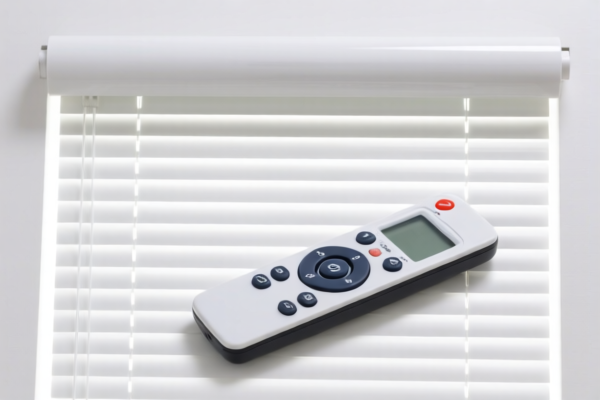
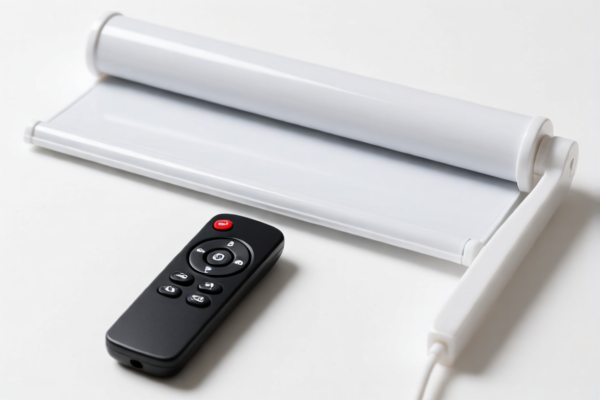
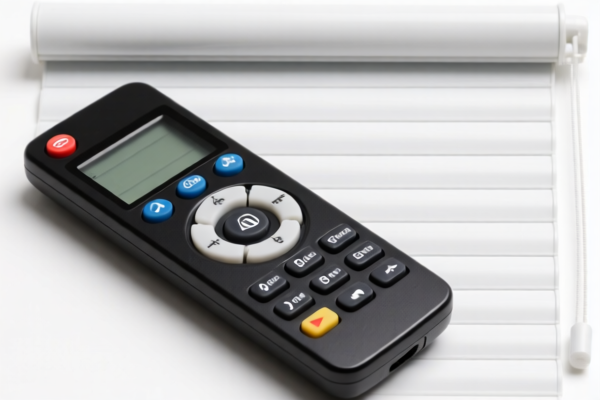
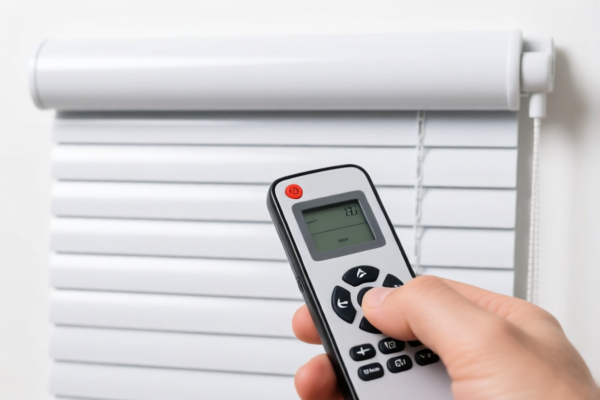
AI分析
🪟 Plastic Blinds Remote Control (塑料外窗百叶窗/遥控百叶窗)
🌐 HS Code Reference & Customs Clearance Guide | 2026 Latest Tariff Analysis | Professional-Level Clearance Strategy
📌 I. Product Definition and Classification: Do You Really Understand "Plastic Blinds"?
Plastic Blinds (often integrated with remote control systems) are architectural accessories used for window shading, privacy protection, and light control. In international trade, the classification hinges critically on the structural form, material composition, and specific application.
They are generally categorized into two main logic paths: 1. Window Profile/System (3916): If the product consists primarily of rigid plastic profiles (like PVC/UPVC) specifically shaped for installation into window frames. 2. Building Accessories/Other Plastics (3925/3926): If the product is considered a standalone accessory (like a louver blade, slat, or complete blind assembly) or a component connecting/attaching to windows.
⚠️ Key Distinction Point:
- If the item is a rigid PVC/UPVC profile strictly defined as a window型材 (profile) →归入 3916.20.00.20
- If it is a blinds/louver assembly considered a "building accessory" →归入 3925.30.50.00 or 3925.30.10.00
- If it is a general plastic component or "other plastic article" →归入 3926.30.50.00 or 3926.90.99.89
📦 II. HS Code Classification Details (2026 Latest Tariff Authority对照)
| HS Code | Product Description | Application Scenario | Tax Rate (China Origin to US) |
|---|---|---|---|
3916.20.00.20 |
Plastic Window Profiles (e.g., PVC/UPVC frames for blinds/windows) | Rigid profiles used as the main structural component of windows/blinds | 40.8% |
3925.30.50.00 |
Plastic Building Accessories: Blinds | Standard plastic blinds/louvers classified as building accessories | 22.8% |
3925.30.10.00 |
Plastic Building Accessories: Blinds (Specific Sub-category) | Blinds fully consistent with classification explanations | 20.8% |
3926.30.50.00 |
Other Plastic Articles: Window Connectors/Components | Plastic parts connecting to windows or general plastic components | 22.8% |
3926.90.99.89 |
Other Plastic Articles (Catch-all) | Plastic blinds/curtains falling into residual categories | 22.8% |
🔍 Key Reminder:
- 3916 is for profiles (long, extruded shapes). If your "blind" is essentially a long plastic strip meant to be cut and installed as part of the window frame structure, it might fit here, but the tax burden is significantly higher.
- 3925 is for building accessories. Most commercial "plastic blinds" (venetian, vertical, roller) fall here.
- 3926 is for other articles. Used if the product doesn't fit neatly into 3925 or is considered a generic plastic part.
💰 III. 2026 Latest Tariff Rate Breakdown (Including Surcharges & Policy Add-ons)
✅ Applicable Country: USA (US)
✅ Origin: China (CN)
✅ Effective Date: Post-2025 Importation (Subject to current trade policies)
🎯 1. 3916.20.00.20 —— Plastic Window Profiles (Highest Tax Burden)
| Item | Detail |
|---|---|
| Base Tariff | 5.8% |
| Section 301 Surcharge | +25.0% |
| Section 122 Surcharge | +10.0% |
| Total Rate | 40.8% |
| Calculation Basis | CIF Value × 40.8% |
| De Minimis Exemption | ❌ Not Eligible (Deny De Minimis) |
| Legal Basis Path | Base Tariff: 5.8% + Sec 301: 25.0% + Sec 122: 10% |
📌 Explanation:
- This classification carries the highest risk due to the combined impact of Section 301 and Section 122 tariffs.
- Only use this if the product is definitively a PVC/UPVC profile and not a finished blind accessory.
- Cost Impact: Extremely high. Ensure you are not misclassifying a finished blind as a profile to avoid massive overpayment or misdeclaration penalties.
🎯 2. 3925.30.50.00 —— Plastic Building Accessories: Blinds
| Item | Detail |
|---|---|
| Base Tariff | 5.3% |
| Section 301 Surcharge | +7.5% |
| Section 122 Surcharge | +10.0% |
| Total Rate | 22.8% |
| Calculation Basis | CIF Value × 22.8% |
| De Minimis Exemption | ❌ Not Eligible |
| Legal Basis Path | Base Tariff: 5.3% + Sec 301: 7.5% + Sec 122: 10% |
📌 Note:
- This is a common classification for plastic blinds that are considered "building accessories."
- Lower than the profile classification, but still subject to significant surcharges.
🎯 3. 3925.30.10.00 —— Plastic Building Accessories: Blinds (Optimal Rate)
| Item | Detail |
|---|---|
| Base Tariff | 3.3% |
| Section 301 Surcharge | +7.5% |
| Section 122 Surcharge | +10.0% |
| Total Rate | 20.8% |
| Calculation Basis | CIF Value × 20.8% |
| De Minimis Exemption | ❌ Not Eligible |
| Legal Basis Path | Base Tariff: 3.3% + Sec 301: 7.5% + Sec 122: 10% |
📌 Important:
- This is the most favorable tax rate among the valid classifications for plastic blinds provided in the data.
- Applies when the product description fully matches the classification explanation for this specific sub-category.
- Strategy: Aim for this classification by providing precise product descriptions that align with "blinds" under building accessories.
🎯 4. 3926.30.50.00 —— Other Plastic Articles: Window Connectors/Components
| Item | Detail |
|---|---|
| Base Tariff | 5.3% |
| Section 301 Surcharge | +7.5% |
| Section 122 Surcharge | +10.0% |
| Total Rate | 22.8% |
| Calculation Basis | CIF Value × 22.8% |
| De Minimis Exemption | ❌ Not Eligible |
| Legal Basis Path | Base Tariff: 5.3% + Sec 301: 7.5% + Sec 122: 10% |
📌 Note:
- Use this if the item is considered a component or connector rather than a standalone blind accessory.
- Tax rate is same as3925.30.50.00but classification logic is different (general plastic articles vs. building accessories).
🎯 5. 3926.90.99.89 —— Other Plastic Articles (Catch-all)
| Item | Detail |
|---|---|
| Base Tariff | 5.3% |
| Section 301 Surcharge | +7.5% |
| > Section 122 Surcharge | +10.0% |
| Total Rate | 22.8% |
| Calculation Basis | CIF Value × 22.8% |
| De Minimis Exemption | ❌ Not Eligible |
| Legal Basis Path | Base Tariff: 5.3% + Sec 301: 7.5% + Sec 122: 10% |
📌 Note:
- This is the residual category for plastic blinds/curtains that don't fit other specific headings.
- While it has the same tax rate as other 3926/3925 options, it is less precise. Customs may question the specificity.
🛠️ IV. Customs Clearance Practical Advice (Battlefield Pit-avoidance Guide)
✅ 1. Preparation Checklist (Mandatory)
| Document | Required | Description |
|---|---|---|
| ✅ Product Spec Sheet | ✔️ | Must include material (PVC, ABS, etc.), dimensions, assembly type, and control mechanism (remote/wired). |
| ✅ Technical Drawing | ✔️ | Show if it's a profile (3916), a finished blind (3925), or a component (3926). |
| ✅ Product Photos | ✔️ | Clear images of the product, label, and packaging. Show remote control if applicable. |
| ✅ Commercial Invoice | ✔️ | Clearly state "Plastic Blinds" or "Window Accessories," not vague terms like "Plastic Part." |
| ✅ Packing List | ✔️ | Detail contents to avoid拆分申报 (split declaration) risks. |
✅ 2. Declaration Tips (Key Mantras)
🔥 "Profile is expensive, Blinds are cheaper, Component is safe, Remote doesn't change HS!"
| Scenario | Correct Declaration | Incorrect Practice |
|---|---|---|
| Finished Plastic Blinds | 3925.30.10.00 (20.8%) or 3925.30.50.00 (22.8%) |
Misclassify as "Plastic Profile" → 40.8% |
| PVC Profile for Windows | 3916.20.00.20 (40.8%) |
Misclassify as "Blind" → Risk of penalty if audited |
| Remote Control Only | Check if remote is separate; if included, still classify main product. | Declare remote separately → Complex, potentially higher total tax |
| Generic Plastic Slat | 3926.90.99.89 (22.8%) |
Call it "Building Accessory" incorrectly |
📌 Crucial Point: The remote control is typically considered an accessory. The HS Code is determined by the main item (the plastic blind). Do not try to classify the remote separately unless it is shipped and invoiced as a standalone electronic item (which would fall under Chapter 85).
✅ 3. Special Handling
| Scenario | Handling Advice |
|---|---|
| OEM Custom Blinds | Provide design specs to prove they are "blinds" and not generic plastics. |
| Mixed Shipments | If shipping blinds (3925) with plastic profiles (3916), declare separately. Do not lump them together. |
| "Smart" Blinds | If the remote is integral and the product is marketed as a "smart window system," consult a customs broker. It might still be 3925, but documentation must be robust. |
| Material Composition | Ensure the "Plastic" definition is accurate. If it contains significant metal parts, classification might shift. |
🌍 V. Global Market Comparison (2026 Latest)
| Country/Region | Recommended HS Code | Tariff (China Origin) | Certification | Notes |
|---|---|---|---|---|
| 🇺🇸 USA | 3925.30.10.00 |
20.8% (Lowest valid) | FTC, maybe UL (for remote) | Section 301 + 122 apply. Avoid 3916 (40.8%). |
| 🇨🇳 China | 3925.30.10.00 |
~3-5% | CCC (if electrical) | Low import duty. |
| 🇪🇺 EU | 3925.30.10.00 |
~0-5% | CE, RoHS | No Section 301/122 equivalents. |
| 🇬🇧 UK | 3925.30.10.00 |
~0-5% | UKCA | Post-Brexit rules apply. |
| 🇯🇵 Japan | 3925.30.10.00 |
~0-5% | PSE (for remote) | Low tariffs generally. |
📌 Conclusion:
- The USA is the most challenging market due to the combination of base tariffs and surcharges (Section 301 + 122).
- Target Classification: Aim for3925.30.10.00(20.8%) by providing precise documentation that aligns with "Plastic Blinds" as building accessories.
- Avoid: Misclassifying finished blinds as "Plastic Profiles" (3916) to avoid the 40.8% rate, unless they are indeed raw profiles.
📌 VI. Common Errors & Pitfalls (Lessons Learned)
❌ Error 1: Classifying finished plastic blinds as "Plastic Profiles" (3916)
👉 Consequence: You pay 40.8% instead of 20.8%. Loss of 20% margin!
❌ Error 2: Failing to declare the "Remote Control" appropriately
👉 Consequence: Customs may view the shipment as "Electronics + Plastic" and audit both. If declared as just plastic, risk of penalty. Solution: Include "With Remote Control" in description but keep HS based on the blind.
❌ Error 3: Using vague terms like "Plastic Window Part"
👉 Consequence: Customs assigns a default code (possibly 3926.90.99.89 or worse) leading to delays. Solution: Use specific terms: "Plastic Venetian Blinds for Windows."
❌ Error 4: Ignoring Section 122 and 301
👉 Consequence: Underestimating landed cost. Solution: Factor in at least 20.8% minimum tax for US imports from China.
✅ Correct Practice:
"Plastic Venetian Blinds, PVC Material, with Electric Remote Control, for Residential Windows, Model XYZ, Certified"
🎯 VII. Conclusion: Professional Declaration, Cost Efficiency
🎯 Remember the Mantra:
🔹 "Blinds are Accessories, Profiles are Structures. 20.8% is the Target, 40.8% is the Trap."
🔹 "Remote doesn't change the HS, but Documentation Saves the Cost."
📌 Pro Tip:
If your products are originating from Vietnam, Mexico, Thailand, or Malaysia, you may qualify for IEEPA Exemptions or lower tariffs under USMCA/ASEAN FTAs.
Recommendation: Apply for Advance Ruling from US Customs (CBP) to lock in the 20.8% classification before shipment.
📣 Immediate Action:
📞 Contact a licensed customs broker + Provide Product Photos + Request HS Code Advance Ruling
🚀 Ensure your plastic blinds clear customs smoothly, minimize tax burden, and maximize profit!
✨ Professional Clearance Starts with Accurate Classification!
💼 Every percentage point of tax is a point of profit lost or gained!
用户评价
关于 HS 编码归类
协调制度(HS)是由世界海关组织(WCO)制定的国际贸易商品分类标准。全球 200 多个国家采用 HS 系统作为海关关税、贸易统计和进出口监管的基础。
每个 HS 编码遵循以下层级结构:
- 章(2 位)——商品大类(例如:第 84 章:机器和机械设备)
- 品目(4 位)——章内的更具体分类
- 子目(6 位)——国际通用细分,所有 WCO 成员国统一使用
- 本国细分(8-10 位)——各国自行扩展的细分编码,如美国 HTSUS 10 位编码
正确的 HS 编码归类对于顺利通关、准确缴纳关税和遵守贸易法规至关重要。错误归类可能导致海关延误、多缴关税或罚款。
从CN进口到US时,适用的关税税率可能包括:
- 最惠国(MFN)税率——适用于 WTO 成员国的标准关税税率
- 普通税率——适用于无贸易协定国家
- 贸易救济关税——附加关税,如 301 条款(反倾销)、232 条款(国家安全)或反补贴税
本页内容仅供参考。如需正式归类,请咨询当地海关或持牌报关代理。