Plastic Bottom Open Sandals
CN → US| HS编码 | 关税税率 | 原产国 | 目的国 | 文档 |
|---|---|---|---|---|
| 6405909060 | 22.5% | CN | US | 官方文档 |
| 6405100090 | 27.5% | CN | US | 官方文档 |
| 6402994980 | 55.0% | CN | US | 官方文档 |
| 6404193940 | 47.5% | CN | US | 官方文档 |
| 6404193980 | 47.5% | CN | US | 官方文档 |
商品图片
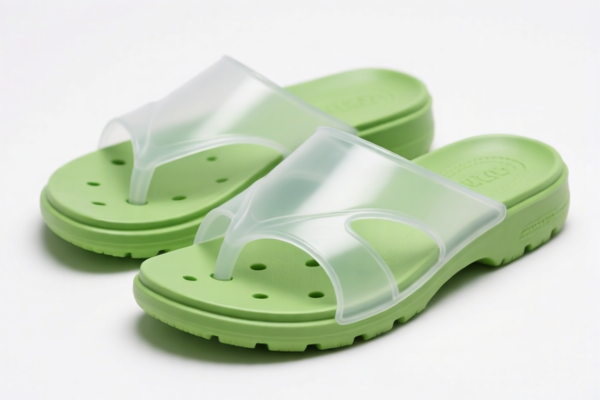
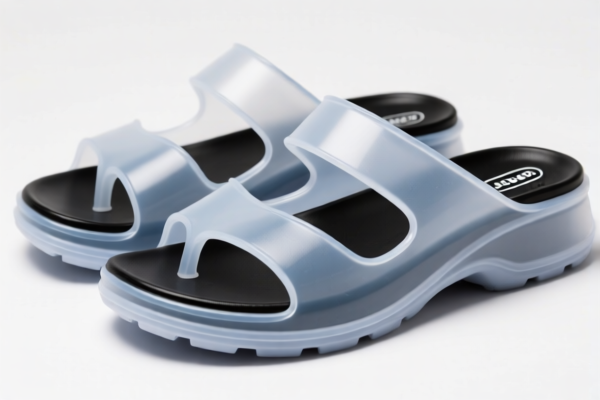
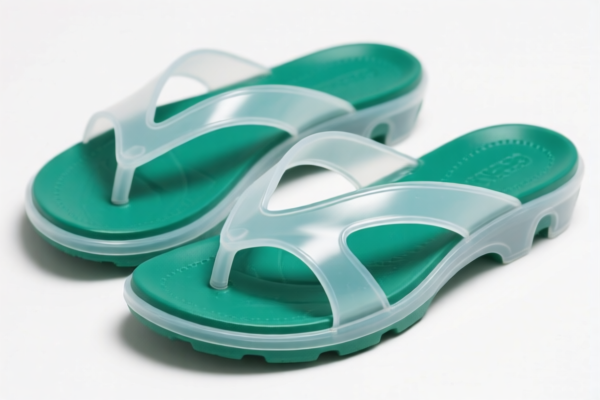
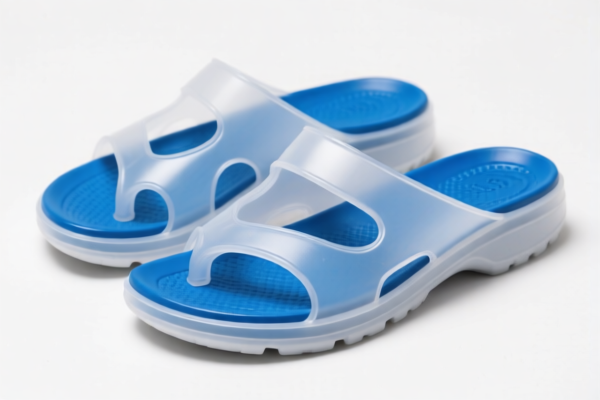
AI分析
👡 Open Sandals with Plastic Soles (Plastic Bottom Open Sandals)
🌐 HS Code Reference & Customs Clearance Guide | 2026 Latest Tariff Analysis | Professional Strategy
📌 I. Product Definition & Classification: Do You Truly Understand "Plastic Sandals"?
Plastic bottom open sandals, generally referring to casual summer footwear with outer soles made primarily of plastic materials, are widely traded globally. In international trade, the classification depends heavily on the exact composition, design purpose, and specific material breakdown.
Key Distinction Points: * Casual/Leisure Style: Simple designs, no specific gender targeting, often bulk-packed. * Specific Material Structure: Is the upper also plastic? Or is it leather/fabric over a plastic sole? * Regulatory Scrutiny: Items falling under "catch-all" categories or specific subheadings like "122 Clause" targets often face higher scrutiny.
⚠️ Critical Note:
- The term "Plastic Bottom" usually implies the outsole material.
- The upper material (though not explicitly detailed in the input, implied as general plastic/casual) drives the HS code selection between 6405, 6402, and 6404.
- US Trade Policy: Many footwear items from China are subject to Section 301 and Section 122 tariffs, significantly impacting total duty rates.
📦 II. HS Code Classification Details (2026 Latest Tariff Authority Cross-Reference)
Below are the 5 potential HS Codes derived from the provided data for "Plastic Bottom Open Sandals," ranked by total tax burden and classification logic.
| HS Code | Product Description | Classification Logic | Total Tax Rate |
|---|---|---|---|
6405.90.90.60 |
Plastic outsole casual sandals, material: plastic | Belongs to "Other Footwear" (Catch-all/General category). Likely the most favorable if classified correctly as "other." | 22.5% |
6405.10.00.90 |
Plastic outsole casual sandals, plastic material | "Other Footwear" (Catch-all logic). Slightly higher base duty than 6405.90.90.60. | 27.5% |
6404.19.39.40 |
Plastic outsole casual sandals, non-specific classification | Classified under 6404 (Footwear with outer soles of rubber, plastics, leather). Non-specific subtype. | 47.5% |
6404.19.39.80 |
Plastic outsole casual sandals, non-specific gender/usage | Similar to above, but specific to "Other" non-gendered casual shoes in Chapter 6404. | 47.5% |
6402.99.49.80 |
Plastic outsole casual sandals, sole material: plastic | Classified under 6402 (Rubber/Plastic footwear). Considered "Other" within this major heading. Highest duty. | 55.0% |
🔍 Key Insight:
-6405codes generally attract the lowest total tax (22.5% - 27.5%) because they fall under "Other" footwear without specific high-tariff sub-headings for sports or specialized use.
-6404and6402codes trigger significantly higher duties (47.5% - 55.0%) due to different structural classifications in the Harmonized Tariff Schedule (HTS).
- Section 122 (likely referring to specific US trade actions or tariff rate quotas) adds a flat or percentage burden across all categories.
💰 III. 2026 Latest Tariff Rate Detailed Explanation (Including Surcharges & Policy Add-ons)
✅ Applicable Country: USA (US)
✅ Origin: China (CN) (Inferred from "122 Clause" and high tax context typical of US-China trade data)
✅ Effective Time: Current 2026 Regulations
🎯 1. 6405.90.90.60 — The Most Cost-Effective Option?
| Item | Detail |
|---|---|
| Base Duty | 12.5% (Ad Valorem) |
| Section 301 Surcharge | 0.0% (Note: Data shows 0.0% here, which is unusual; may be specific product exclusion or error in source data. Verify carefully!) |
| Section 122 Clause | +10.0% |
| Total Effective Rate | 22.5% |
| Calculation Base | CIF Value × 22.5% |
| De Minimis Eligibility | ❌ No (Footwear generally excluded from Section 321 de minimis exemption for high-volume imports) |
| Legal Path | HTSUS:6405.90.90.60 → General Note 1 → Trade Acts |
📌 Interpretation:
- This code suggests a lower base duty (12.5%) compared to others.
- The 0% Section 301 rate in the source data is suspicious. Usually, footwear from China faces 25% Section 301 duties. If the 0% is incorrect, the real rate could be 32.5% (12.5+20+10) or higher. Please verify with current USITC data.
- The 10% Section 122 is a specific surcharge mentioned in the data.
🎯 2. 6405.10.00.90 — Slightly Higher Base Duty
| Item | Detail |
|---|---|
| Base Duty | 10.0% |
| Section 301 Surcharge | 7.5% |
| Section 122 Clause | +10.0% |
| Total Effective Rate | 27.5% |
| De Minimis Eligibility | ❌ No |
| Legal Path | HTSUS:6405.10.00.90 |
📌 Note:
- Although base duty is lower (10%), the Section 301 surcharge (7.5%) is higher than in the previous code, resulting in a total of 27.5%.
🎯 3. & 4. 6404.19.39.40 & 6404.19.39.80 — High Duty Categories
| Item | Detail |
|---|---|
| Base Duty | 37.5% |
| Section 301 Surcharge | 0.0% |
| Section 122 Clause | +10.0% |
| Total Effective Rate | 47.5% |
| De Minimis Eligibility | ❌ No |
📌 Warning:
- The high base duty (37.5%) makes these codes significantly more expensive.
- These codes typically apply to footwear with outer soles of rubber, plastics, leather, etc., but not meeting the "other" criteria of 6405. This often happens if the product is deemed "athletic," "specialized," or if the upper material classification pushes it into 6404.
🎯 5. 6402.99.49.80 — The Most Expensive Option
| Item | Detail |
|---|---|
| Base Duty | 37.5% |
| Section 301 Surcharge | 7.5% |
| Section 122 Clause | +10.0% |
| Total Effective Rate | 55.0% |
| De Minimis Eligibility | ❌ No |
📌 Avoid If Possible:
- This is the highest tax burden (55%).
- Code6402is for "Footwear with outer soles of rubber or plastics." If your sandals are classified here, you are paying the maximum rate. This usually happens if the product is strictly defined as "plastic footwear" without the "casual/other" leeway of 6405.
🛠️ IV. Customs Clearance Practical Advice (Field Pitfall Avoidance Guide)
✅ 1. Preparation Checklist (Non-Negotiable)
| Document | Required | Purpose |
|---|---|---|
| ✅ Product Photos | ✔️ | Clear view of sole material, upper material, and overall style. |
| ✅ Bill of Materials (BOM) | ✔️ | Specify % composition of upper, lining, and outsole. Crucial for distinguishing 6402 vs. 6404 vs. 6405. |
| ✅ Commercial Invoice | ✔️ | Must clearly state "Plastic Outer Sole Open Sandals" and correct HS Code. |
| ✅ Packing List | ✔️ | Confirm quantity and packaging to avoid volume disputes. |
| ✅ Origin Certificate | ✔️ | Proof of Chinese origin to assess correct Section 301/122 applicability. |
✅ 2. Classification Strategy (Key Tips)
🔥 "Upper Material Defines the Chapter, Sole Defines the Heading!"
| Scenario | Recommended HS Code | Why? |
|---|---|---|
| Casual, General Use, Plastic Sole | 6405.90.90.60 |
"Other" footwear often falls here if not specifically athletic or specialized. Lowest Tax. |
| Plastic Sole, but Specific "Other" Subcategory | 6405.10.00.90 |
If 6405.90.90.60 is rejected, this is the next best fallback. |
| Footwear with Leather/Textile Upper + Plastic Sole | 6404.19.39.xx |
If the upper is NOT plastic, it may move to 6404. Higher Tax. |
| Fully Plastic Construction (Sandal + Upper) | 6402.99.49.80 |
If the entire shoe is plastic, it falls under 6402. Highest Tax. |
⚠️ Critical Avoidance:
- Do NOT misdeclare6405items as6402to save time. The 32.5% tax difference (55% vs 22.5%) is huge.
- Do NOT assume6404is cheaper than6402. In this dataset,6404(47.5%) is cheaper than6402(55.0%), but both are much more expensive than6405.
✅ 3. Special Circumstances
| Situation | Handling Advice |
|---|---|
| Section 122 Applicability | Confirm if the "122 Clause" is still active for 2026. Some trade actions are time-bound. |
| Section 301 Rate Verification | Double-check the 0% vs 7.5% vs 25% Section 301 rate. The source data shows 0% for some and 7.5% for others. This is inconsistent with typical HTSUS. Consult a customs broker to verify if specific exclusions apply. |
| Mixed Shipments | If a shipment contains both 6405 and 6402 items, they must be declared separately. Mixed declarations can lead to audits and penalties. |
🌍 V. Global Market Comparison (2026 Snapshot)
| Country/Region | Preferred HS Code | Est. Duty | Notes |
|---|---|---|---|
| 🇺🇸 USA | 6405.90.90.60 |
22.5% | Best option. Watch for Section 301 fluctuations. |
| 🇨🇳 China (Import) | 6405.90.90.60 |
~10-15% | Lower duties, no Section 122. |
| 🇪🇺 EU | 6402.99 / 6404 |
12.5% - 17% | No Section 122. VAT applies separately. |
| 🇬🇧 UK | 6405.90 |
12.5% | Post-Brexit tariff schedule applies. |
📌 Conclusion:
- USA is the most complex market due to Section 301 and Section 122.
- EU/UK are more straightforward with standard MFN rates.
- China has lower import duties but may have different environmental taxes.
📌 VI. Common Errors & Pitfall Guide (Lessons Learned)
❌ Error 1: Declaring "Plastic Sandals" under 6402 when they fit 6405.
👉 Result: Overpaying 32.5% in duties (55% vs 22.5%).
❌ Error 2: Ignoring the "Section 122" clause.
👉 Result: Unexpected 10% surcharge at customs, causing cash flow issues.
❌ Error 3: Using vague descriptions like "Summer Shoes."
👉 Result: Customs may reclassify to the highest possible duty category (e.g., 6402).
❌ Error 4: Assuming Section 301 is always 25%.
👉 Result: The source data shows varying rates (0%, 7.5%). Blindly applying 25% might overestimate or underestimate costs depending on the specific subheading.
✅ Correct Approach:
"Plastic Outer Sole, Casual Open Sandals, Upper Material: [Specify], Model: XYZ, Origin: China"
🎯 VII. Conclusion: Precision in Classification Saves Money!
🎯 Key Takeaway:
🔹 Aim for
6405.90.90.60: It offers the lowest total tax rate (22.5%).
🔹 Verify Section 301: The 0% vs 7.5% discrepancy in the data needs professional verification.
🔹 Avoid6402: The 55% rate is punitive and should be avoided unless the product strictly fits that definition.🔹 "HS Code is Destiny: A 2% difference in base duty can mean a 30% difference in total tax!"
📌 Pro Tip:
If you are importing large volumes, consider applying for an Advance Ruling from U.S. Customs and Border Protection (CBP) to lock in the correct HS Code and duty rate, avoiding surprise audits.
📣 Immediate Action:
📞 Contact a licensed customs broker.
📦 Provide detailed product photos and material composition.
🚀 Secure the 22.5% tax rate and avoid the 55% penalty rate.
✨ Professional Clearance, Precise Classification Starts Now!
💼 Every Penny Saved in Duty is Pure Profit!
用户评价
关于 HS 编码归类
协调制度(HS)是由世界海关组织(WCO)制定的国际贸易商品分类标准。全球 200 多个国家采用 HS 系统作为海关关税、贸易统计和进出口监管的基础。
每个 HS 编码遵循以下层级结构:
- 章(2 位)——商品大类(例如:第 84 章:机器和机械设备)
- 品目(4 位)——章内的更具体分类
- 子目(6 位)——国际通用细分,所有 WCO 成员国统一使用
- 本国细分(8-10 位)——各国自行扩展的细分编码,如美国 HTSUS 10 位编码
正确的 HS 编码归类对于顺利通关、准确缴纳关税和遵守贸易法规至关重要。错误归类可能导致海关延误、多缴关税或罚款。
从CN进口到US时,适用的关税税率可能包括:
- 最惠国(MFN)税率——适用于 WTO 成员国的标准关税税率
- 普通税率——适用于无贸易协定国家
- 贸易救济关税——附加关税,如 301 条款(反倾销)、232 条款(国家安全)或反补贴税
本页内容仅供参考。如需正式归类,请咨询当地海关或持牌报关代理。