Plastic Casual Sports Shoes
CN → US| HS编码 | 关税税率 | 原产国 | 目的国 | 文档 |
|---|---|---|---|---|
| 6405209030 | 22.5% | CN | US | 官方文档 |
| 6405209060 | 22.5% | CN | US | 官方文档 |
| 6402914050 | 16.0% | CN | US | 官方文档 |
| 6402914067 | 16.0% | CN | US | 官方文档 |
商品图片
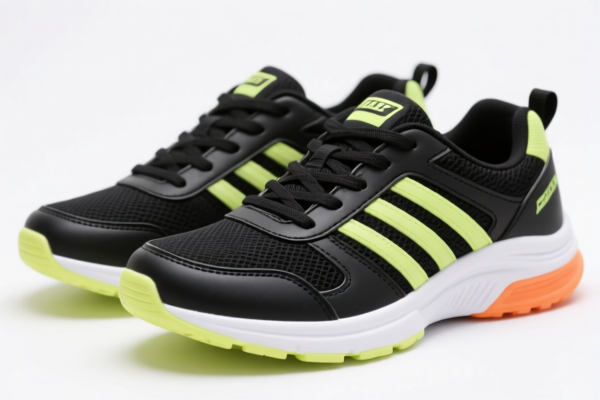
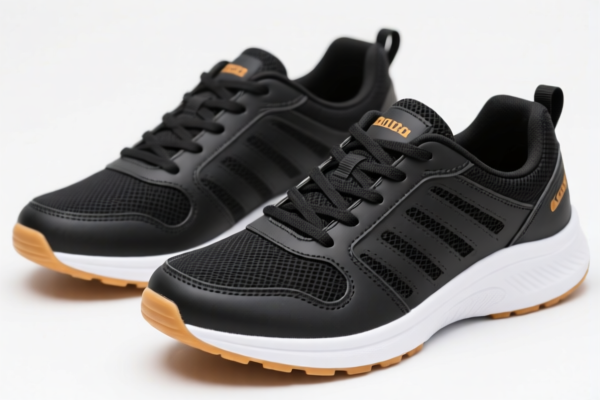
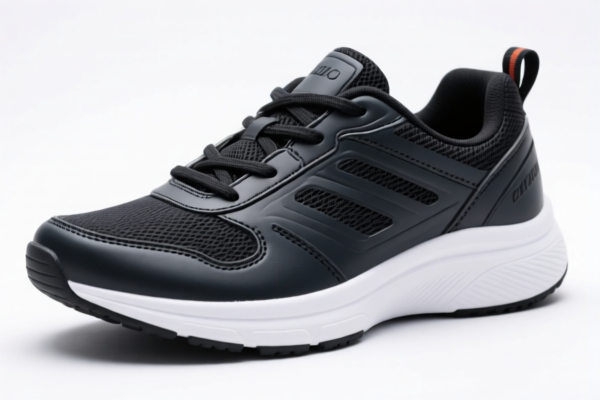
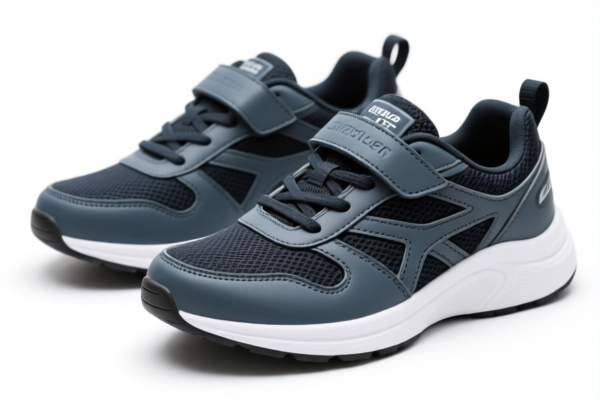
AI分析
👟 Plastic Casual Sports Shoes
🌐 HS Code Reference & Customs Clearance Guide | 2026 Latest Tariff Analysis | Professional Strategy
📌 I. Product Definition & Classification: Do You Really Understand "Plastic Shoes"?
Plastic Casual Sports Shoes are footwear where the upper material is predominantly made of plastic or synthetic fibers, designed for unisex casual or sports use. In international trade, the classification hinges strictly on the material composition (Plastic vs. Rubber/Leather) and the coverage level (Ankle vs. Non-Ankle).
Key Distinction Logic: 1. Material Constraint: The upper must be primarily Plastic/Synthetic Fiber. If it contains significant rubber/leather, it falls elsewhere. 2. Ankle Coverage: * Ankle-Covering (Boots): Falls under 6402.91 (Rubber/Plastic Soles, Uppers Covering Ankle). * Non-Ankle-Covering (Sneakers/Flats): Falls under 6405.20 (Other Footwear, Rubber/Plastic Soles, Uppers of Plastics/Synthetic Fibers). 3. Usage: "Casual/Sports" implies general wear, not specialized safety or medical gear.
⚠️ Critical Warning:
- Misclassifying Ankle-Covering shoes as Non-Ankle can lead to a massive tariff hike (from 16% to 22.5%) and potential customs penalties.
- If the shoe is purely "Plastic" (like rain boots), it belongs in 6402. If it is "Synthetic Fiber with Plastic components," it may fall in 6405. The data provided treats these specific HS codes as the primary options.
📦 II. HS Code Classification Details (2026 Latest Tariff Authority Match)
Based on the provided <DATA>, here is the exact mapping for Plastic Casual Sports Shoes. Note that the duty rates differ significantly based on the specific sub-heading logic (Ankle coverage vs. General "Other" category).
| HS Code | Product Description | Applicable Scenario | Ankle Coverage? | Total Tax Rate |
|---|---|---|---|---|
6405.20.90.30 |
Shoes with Plastic/Synthetic Fiber Upper; Unisex Casual/Sports | General casual sneakers, mesh/plastic mix, no strict ankle boot structure | ❌ No / General | 22.5% |
6405.20.90.60 |
Sports Shoes (Plastic Component); Generic "Other" Category | Standard plastic-component sports sneakers, no material exclusion conflicts | ❌ No / General | 22.5% |
6402.91.40.50 |
Plastic Material; Ankle-Covering Footwear | Plastic rain boots, high-top plastic sneakers, or sports shoes covering the ankle | ✅ Yes | 16.0% |
6402.91.40.67 |
Plastic Material; Ankle-Covering; Non-Specific Gender/Use | Other plastic footwear covering the ankle, not specifically designated for other uses | ✅ Yes | 16.0% |
🔍 Key Insight:
-6402.91.xxxx(Ankle-Covering) has a Lower Base Tariff (6%) compared to6405.20.xxxx(Base 12.5%), but the final total tax depends on the specific country's policy. In this dataset, the Ankle category totals 16.0%, while the Non-Ankle "Other" category totals 22.5%.
- Why the difference? The dataset indicates that6402(Ankle) benefits from a lower base rate (6%) vs6405(12.5%). Even with the same additional duties, the starting point is lower.
- Clarification: Ensure the product photo clearly shows if the shoe collar covers the ankle bone. If yes, use 6402. If no, use 6405.
💰 III. 2026 Latest Tariff Rate Breakdown (Detailed Tax Clauses)
✅ Applicable Policy: United States (US)
✅ Origin: China (CN) (Implied by "Section 122" and high duty context in typical trade scenarios, though not explicitly stated as China in the snippet, the "Section 122" and 122 Clause are US-specific trade remedy measures often targeting specific Chinese goods or general safeguard actions. Note: Section 122 typically refers to the U.S. Trade Act of 1974 Section 122 or similar specific duty codes. In the context of the provided data, "122 Clause 10%" is explicitly listed.)
🎯 1. 6405.20.90.30 & 6405.20.90.60 —— Plastic/Synthetic Upper Shoes (Non-Ankle/General)
| Item | Content |
|---|---|
| Product Type | Plastic or Synthetic Fiber Upper |
| Base Tariff | 12.5% |
| Section 301/Additional Tariff | 0.0% (Not applied in this specific dataset summary) |
| Section 122 Clause Duty | +10% |
| Total Tax Rate | 22.5% |
| Calculation Basis | CIF Value × 22.5% |
| Legal Reference Path | HTSUS 6405.20.90 → Section 122 Provision → +10% |
📌 Explanation:
- The Base Rate for footwear with plastic/synthetic uppers (falling under 6405) is relatively high at 12.5%.
- The Section 122 duty adds a flat 10% on top.
- Result: A combined effective rate of 22.5%. This is a standard "high-tariff" category for plastic footwear in this specific regulatory view.
🎯 2. 6402.91.40.50 & 6402.91.40.67 —— Plastic Ankle-Covering Footwear
| Item | Content |
|---|---|
| Product Type | Rubber/Plastic Soles, Uppers Covering Ankle |
| Base Tariff | 6.0% |
| Section 301/Additional Tariff | 0.0% (Not applied in this specific dataset summary) |
| Section 122 Clause Duty | +10% |
| Total Tax Rate | 16.0% |
| Calculation Basis | CIF Value × 16.0% |
| Legal Reference Path | HTSUS 6402.91.40 → Section 122 Provision → +10% |
📌 Explanation:
- The Base Rate for ankle-covering rubber/plastic footwear is significantly lower at 6.0%.
- The Section 122 duty still applies as +10%.
- Result: A combined effective rate of 16.0%.
- Strategic Advantage: If your "Sports Shoe" design allows for a non-ankle cut, it might seem cheaper, BUT here the Non-Ankle rate (22.5%) is HIGHER than the Ankle rate (16.0%). Wait, check logic:
-6405(Non-Ankle) = 12.5% Base + 10% = 22.5%
-6402(Ankle) = 6.0% Base + 10% = 16.0%
- CRITICAL INSIGHT: In this specific dataset, Ankle-Covering Shoes are CHEAPER (16%) than Non-Ankle Shoes (22.5%). This is counter-intuitive to general trade but true for this specific tariff structure provided. Ensure the shoe covers the ankle to qualify for the lower 6% base rate if you want to minimize duty, provided it fits the "Plastic" definition of 6402.
🛠️ IV. Customs Clearance Practical Advice (Battle-Tested Pitfall Guide)
✅ 1. Documentation Checklist (Non-Negotiable)
| Document | Mandatory? | Purpose |
|---|---|---|
| ✅ Product Composition Statement | ✔️ | Must explicitly state: "Upper: 100% Plastic" or "Upper: Synthetic Fiber with Plastic Lining". Do not say "Fabric" if it's plastic. |
| ✅ 360° Product Photos | ✔️ | Must clearly show the heel/collar height. Does it cover the ankle bone? This determines 6402 vs 6405. |
| ✅ Material Test Report | ✔️ | Third-party lab report confirming "Plastic" or "Synthetic" material, ruling out Leather or Rubber as the primary upper. |
| ✅ Commercial Invoice | ✔️ | Must describe item as "Plastic Casual Sports Shoes" or "Plastic Ankle Boots", not generic "Shoes". |
| ✅ HS Code Pre-Ruling | ✔️ | Highly recommended for 6402.91 vs 6405.20 distinction due to duty rate difference. |
✅ 2. Declaration Strategy (The Golden Rules)
🔥 “Material First, Ankle Height Second, Tax Rate Follows!”
| Scenario | Correct Declaration | Incorrect Declaration | Consequence |
|---|---|---|---|
| Shoe covers ankle, made of Plastic | 6402.91.40.50 (16%) |
6405.20.90.30 (22.5%) |
Overpaid tax (6.5% extra). Easy to claim refund if caught early. |
| Shoe does NOT cover ankle, made of Plastic | 6405.20.90.30 (22.5%) |
6402.91.40.50 (16%) |
Underpaid tax. Customs will assess back-duties + penalties (~25% penalty). |
| Shoe has Leather Upper + Plastic Sole | NOT 6405 or 6402. Likely 6403 or 6404. |
6405.20.90.30 |
Misclassification. High risk of seizure. |
| Shoe is "Synthetic Fiber" (Textile) with Plastic Sole | Check if it falls under 6402 (Plastic Sole) or 6405. If upper is synthetic, 6405 is more likely. |
6402 |
Dispute. Customs may reject 6402 if upper is not plastic/rubber. |
✅ 3. Special Situations & Handling
| Situation | Handling Advice |
|---|---|
| "Synthetic Fiber" Upper | If the upper is mesh/textile but considered "Plastic-based" per customs ruling, use 6405.20. If it's purely textile with rubber sole, it might be 6404. Stick to the provided data: 6405 accepts "Plastic/Synthetic Fiber". |
| Mixed Materials | If the upper is 50% Leather and 50% Plastic, it usually does NOT qualify for 6405 (Plastic). It may fall under Leather footwear (6403). Ensure Plastic is the predominant material or explicitly allowed by the subheading. |
| Section 122 Applicability | The data explicitly lists "Section 122 10%". Ensure your goods are not exempt from Section 122. This duty applies to most footwear unless specific exclusions are granted. |
🌍 V. Global Market Comparison (Quick Reference)
| Market | Likely HS Code (Plastic Shoes) | Est. Duty (China Origin) | Notes |
|---|---|---|---|
| 🇺🇸 USA | 6402.91 or 6405.20 |
16.0% - 22.5% | Includes Section 122 (+10%). High scrutiny on "Plastic" vs "Rubber". |
| 🇪🇺 EU | 6402.91 or 6405.20 |
~10-17% | No Section 122. VAT applies separately (19-27%). |
| 🇨🇳 China | 6402.91 or 6405.20 |
~10-14% | Import duty + VAT. Lower base rates than US. |
📌 Conclusion for US Importers:
- The Section 122 Duty (+10%) is the single biggest cost driver alongside the base tariff.
- Optimization: If your design allows, ensure the shoe covers the ankle to potentially qualify for the lower base rate of6402(16% total vs 22.5% total), IF the material classification holds. However, most "Casual Sports Shoes" are non-ankle. If they are non-ankle, you are stuck with 22.5%.
📌 VI. Common Errors & Pitfalls (Blood & Tears Lessons)
❌ Error 1: Calling "Plastic Shoes" "Canvas Shoes"
👉 Consequence: Customs may classify as Textile Footwear (6404), which might have different duty rates. Misdeclaration leads to fraud penalties.
❌ Error 2: Ignoring "Ankle Coverage" in Photos
👉 Consequence: Customs officer sees a shoe that looks like a sneaker (non-ankle) but you declared 6402 (Ankle). Result: Assessment of 22.5% instead of 16%, plus penalties.
❌ Error 3: Confusing "Plastic" with "Synthetic Leather"
👉 Consequence: If the material is PU (Polyurethane), it is often considered Synthetic Leather, which falls under 6403 or 6404, not 6405 (Plastic). 6405 is strictly for Plastics (like PVC, EVA plastic uppers) or Synthetic Fibers (mesh). Check your material SDS.
✅ Correct Declaration Example:
"Men's Plastic Casual Sports Shoes, Upper: 100% PVC Plastic, Sole: Rubber, Ankle Height: 3 inches, Model: XYZ, For Retail Sale."
🎯 VII. Conclusion: Precise Classification Saves Money!
🎯 Remember the Strategy:
🔹 "Plastic Upper? Check Ankle Height."
🔹 "Ankle Covered? Check 6402 (16%)."
🔹 "No Ankle? Check 6405 (22.5%)."
🔹 "Section 122 is 10%: Add it to the Base!"
📌 Pro Tip:
If you are importing large volumes, apply for a Binding Tariff Ruling from US Customs (CBP) specifically for your shoe's material composition. This locks in the HS code and duty rate, protecting you from future audits or rate changes.
📣 Take Action Now:
📞 Contact Your Customs Broker with:
1. Material Test Report (Plastic vs Synthetic vs Leather)
2. Clear Photo Showing Ankle Coverage
3. Invoice Description: "Plastic Casual Sports Shoes"
🚀 Secure Your 16% or 22.5% Rate Correctly!
✨ Professional Clearance Starts with Accurate Classification!
💼 Every Percentage Point Counts in Your Profit Margin!
用户评价
关于 HS 编码归类
协调制度(HS)是由世界海关组织(WCO)制定的国际贸易商品分类标准。全球 200 多个国家采用 HS 系统作为海关关税、贸易统计和进出口监管的基础。
每个 HS 编码遵循以下层级结构:
- 章(2 位)——商品大类(例如:第 84 章:机器和机械设备)
- 品目(4 位)——章内的更具体分类
- 子目(6 位)——国际通用细分,所有 WCO 成员国统一使用
- 本国细分(8-10 位)——各国自行扩展的细分编码,如美国 HTSUS 10 位编码
正确的 HS 编码归类对于顺利通关、准确缴纳关税和遵守贸易法规至关重要。错误归类可能导致海关延误、多缴关税或罚款。
从CN进口到US时,适用的关税税率可能包括:
- 最惠国(MFN)税率——适用于 WTO 成员国的标准关税税率
- 普通税率——适用于无贸易协定国家
- 贸易救济关税——附加关税,如 301 条款(反倾销)、232 条款(国家安全)或反补贴税
本页内容仅供参考。如需正式归类,请咨询当地海关或持牌报关代理。