Plastic Coated High Performance Jacket
CN → US| HS编码 | 关税税率 | 原产国 | 目的国 | 文档 |
|---|---|---|---|---|
| 5903102090 | 35.0% | CN | US | 官方文档 |
| 5903902500 | 42.5% | CN | US | 官方文档 |
| 6113001005 | 21.3% | CN | US | 官方文档 |
| 6113001010 | 21.3% | CN | US | 官方文档 |
| 6210500300 | 13.8% | CN | US | 官方文档 |
商品图片
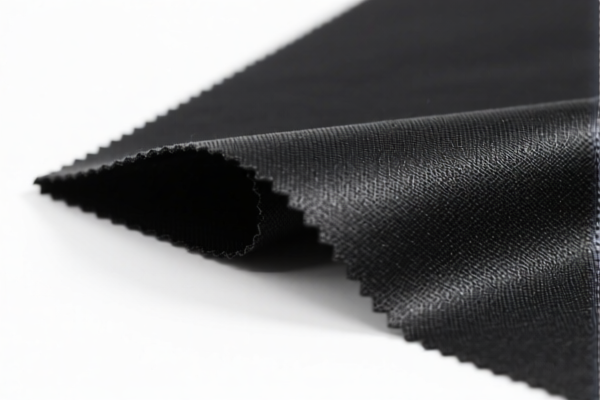
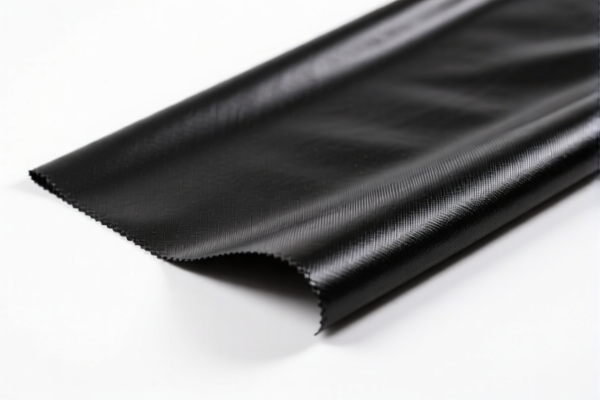
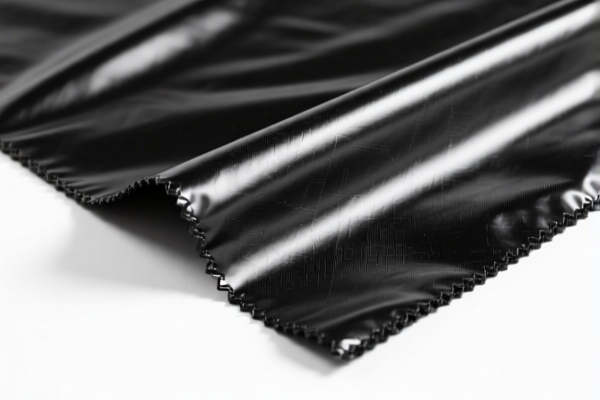
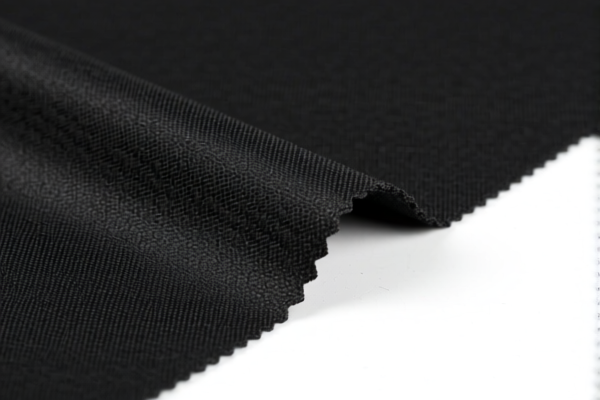
AI分析
🧥 Plastic Coated High-Performance Jacket (Mountaineering/Windproof)
🌐 HS Code Reference & Customs Clearance Guide | 2026 Latest Tariff Analysis | Professional Clearance Strategy for US Imports
📌 1. Product Definition & Classification: What Exactly is a "Plastic Coated Jacket"?
A "Plastic Coated High-Performance Jacket" typically refers to outerwear made from fabric impregnated, covered, or coated with plastics (such as PVC, PU, or TPU). In international trade, these garments are classified based on their construction method, fabric composition, and functionality.
The classification dilemma lies in distinguishing between: * Textile-Based Apparel (Chapter 61/62): If the base fabric is woven/non-woven textile, even if coated, it may still be considered "apparel" rather than just "textile goods." * Impregnated/Covered Textile (Chapter 59): If the coating is the dominant feature for water/wind proofing, it might fall under "Articles of a kind used for technical purposes" or simply "Impregnated/Covered Textile Fabrics."
⚠️ Key Distinction Point:
- If the jacket is knitted or crocheted (e.g., fleece-lined, stretchy active wear) → Look at Chapter 61.
- If the jacket is woven (e.g., hard-shell mountaineering gear, windbreakers) → Look at Chapter 62.
- If the plastic coating is so thick/heavy that it changes the essential character to that of a plastic article (rare for apparel) → Chapter 59.
📦 2. HS Code Classification Details (2026 Latest Tariff Authority Cross-Reference)
Based on the provided data for "Plastic Coated Jackets," here are the five specific HS Codes, their summaries, and the logic behind their classification:
| HS Code | Product Description (Summary) | Classification Logic / Feature Match |
|---|---|---|
| 5903.10.20.90 | Plastic-coated mountaineering jacket; matches coating fabric & plastic material characteristics | Focuses on the material composition (plastic coating) as the primary descriptor, ignoring the garment form to some extent. |
| 5903.90.25.00 | Plastic-coated jacket; meets characteristics of impregnated/covered plastic & synthetic fiber material | Broad category for synthetic fibers impregnated/coated. "Other" plastics not specifically PVC. |
| 6113.00.10.05 | Plastic-coated mountaineering jacket; meets outerwear category & plastic coating treatment characteristics | Knitted/Crocheted (Chapter 61). Specifically for mountaineering/outdoor use. |
| 6113.00.10.10 | Plastic-coated jacket; meets apparel classification & plastic coating process characteristics | Knitted/Crocheted (Chapter 61). General plastic-coated apparel. |
| 6210.50.03.00 | Plastic-coated jacket; meets man-made fiber & exterior surface plastic treatment characteristics | Woven (Chapter 62). Specifically for man-made fibers (synthetic) coated on the exterior. |
🔍 Critical Note:
- Chapter 59 (5903) implies the item is treated more as an industrial/technical textile or raw good.
- Chapter 61/62 treats the item strictly as apparel (clothing).
- Customs Preference: For finished jackets, Chapter 61/62 is often more common for fashion/outdoor wear, while Chapter 59 might be used for heavy-duty technical gear where the coating is the primary functional element.
💰 3. 2026 Latest Tariff Rate Breakdown (Including Additional Taxes & Policy Surcharges)
✅ Applicable Country: United States (US)
✅ Country of Origin: China (CN)
✅ Effective Date: 2025 onwards (Current Trade Policy)
🎯 1. 5903.10.20.90 —— Plastic-Coated Mountaineering Jacket (Material Focus)
| Item | Content |
|---|---|
| Base Duty Rate | 0.0% |
| Section 301 Additional Duty | +25.0% |
| Section 122 Duty | +10.0% |
| Total Effective Rate | 35.0% |
| Tax Calculation | CIF Value × 35% |
| De Minimis Eligibility | ❌ No (High risk for low-value shipments) |
| Legal Basis Path | Section 301: 8524.11.10.00 (Footnote) → Section 122: IEEPA |
📌 Explanation:
- The 0% base rate might seem attractive, but the 25% Section 301 and 10% Section 122 (related to certain Chinese imports under IEEPA) stack up.
- This code often attracts scrutiny because it sits between "textile" and "plastic."
🎯 2. 5903.90.25.00 —— Plastic-Coated Jacket (Synthetic Fiber/Impregnated)
| Item | Content |
|---|---|
| Base Duty Rate | 7.5% |
| Section 301 Additional Duty | +25.0% |
| Section 122 Duty | +10.0% |
| Total Effective Rate | 42.5% |
| Tax Calculation | CIF Value × 42.5% |
| De Minimis Eligibility | ❌ No |
| Legal Basis Path | Section 301 → Section 122 → USITC:5903.90.25.00 |
📌 Explanation:
- This is the highest tax burden in the list.
- The 7.5% base rate + 25% + 10% adds up significantly.
- Strategy Avoidance: Try to avoid this code if a Chapter 61/62 alternative exists with lower total taxes.
🎯 3. 6113.00.10.05 —— Plastic-Coated Mountaineering Jacket (Knitted/Outerwear)
| Item | Content |
|---|---|
| Base Duty Rate | 3.8% |
| Section 301 Additional Duty | +7.5% |
| Section 122 Duty | +10.0% |
| Total Effective Rate | 21.3% |
| Tax Calculation | CIF Value × 21.3% |
| De Minimis Eligibility | ❌ No (Textile/apparel quotas may apply, but Section 301/122 still apply) |
| Legal Basis Path | Section 301: Footnote for Textiles → Section 122 → USITC:6113.00.10.05 |
📌 Explanation:
- Lower Total Tax (21.3%) compared to Chapter 59 codes.
- The Section 301 rate for knit apparel is often lower (7.5%) than for industrial textiles (25%).
- Best Option? This is a strong candidate for cost optimization if the jacket is knitted.
🎯 4. 6113.00.10.10 —— Plastic-Coated Jacket (Knitted/Apparel)
| Item | Content |
|---|---|
| Base Duty Rate | 3.8% |
| Section 301 Additional Duty | +7.5% |
| Section 122 Duty | +10.0% |
| Total Effective Rate | 21.3% |
| Tax Calculation | CIF Value × 21.3% |
| De Minimis Eligibility | ❌ No |
| Legal Basis Path | Section 301 → Section 122 → USITC:6113.00.10.10 |
📌 Explanation:
- Identical tax rate to6113.00.10.05.
- Use this if the jacket is not specifically classified as "mountaineering" but is general plastic-coated knitwear.
🎯 5. 6210.50.03.00 —— Plastic-Coated Jacket (Woven/Man-Made Fiber)
| Item | Content |
|---|---|
| Base Duty Rate | 3.8% |
| Section 301 Additional Duty | 0.0% |
| Section 122 Duty | +10.0% |
| Total Effective Rate | 13.8% |
| Tax Calculation | CIF Value × 13.8% |
| De Minimis Eligibility | ❌ No |
| Legal Basis Path | Section 301: Exemption/Zero → Section 122 → USITC:6210.50.03.00 |
📌 Explanation:
- 🏆 LOWEST TOTAL TAX (13.8%).
- Why?
- Base Rate: 3.8%
- Section 301: 0% (Specific subheadings under 6210.50 may have different Section 301 lists or exemptions compared to 6113/5903).
- Section 122: 10% (Applies to most Chinese goods).
- Crucial Condition: The jacket must be woven (not knitted) and made of man-made fibers (synthetic). If it’s woven nylon/polyester with a plastic coating, this is the most cost-effective code.
🛠️ 4. Customs Clearance Practical Advice (Battle-Tested Pitfall Guide)
✅ 1. Documentation Checklist (Non-Negotiable)
| Document | Required? | Details |
|---|---|---|
| ✅ Product Spec Sheet | ✔️ | Must specify: Fabric Type (Woven/Knitted), Coating Material (PVC/PU/TPU), Base Fabric Composition (% Cotton/% Polyester). |
| ✅ Photos | ✔️ | Show the texture of the fabric, the coating layer, and any zippers/closures. |
| ✅ Commercial Invoice | ✔️ | Must clearly state: "Plastic Coated Woven Jacket, Man-Made Fiber, Model XYZ" (Avoid vague terms like "Outerwear"). |
| ✅ Certificate of Origin | ✔️ | Required for Section 301/122 determination. |
| ✅ Section 301 Exclusion List | ✔️ | Check if your specific HTS subheading is currently excluded (rare, but verify). |
✅ 2. Declaration Strategy (Key Mnemonic)
🔥 “Woven vs. Knit, Base Fabric First, Coating Second!”
| Scenario | Recommended HS Code | Why? |
|---|---|---|
| Woven (e.g., Nylon Shell) + Plastic Coating | 6210.50.03.00 | Lowest Tax (13.8%). Chapter 62 covers woven textiles. |
| Knitted (e.g., Fleece/Lycra) + Plastic Coating | 6113.00.10.05/10 | Moderate Tax (21.3%). Chapter 61 covers knitted apparel. |
| Heavy Industrial + Thick Plastic Layer | 5903.10.20.90 | High Tax (35.0%). Use only if not clearly apparel. |
| Synthetic + Impregnated (not coated surface) | 5903.90.25.00 | Highest Tax (42.5%). Avoid if possible. |
⚠️ Warning:
- Do NOT declare a "Woven Jacket" as "Knitted" to save money. Customs will inspect the fabric structure. If found, you face penalties + back duties. - Section 122 (10%) applies to almost all Chinese-origin goods in these categories. There is no escaping this. Focus on minimizing the Base Rate and Section 301 Rate.
✅ 3. Special Case Handling
| Situation | Advice |
|---|---|
| Mixed Materials (e.g., Cotton Shell + Plastic Coating) | Check Chapter 62 vs Chapter 59. Cotton may have different Section 301 rates. |
| OEM/Private Label | Ensure the brand name is not misleading (e.g., don’t call it "Patagonia" if it’s not). |
| Sample Shipments | Even samples are subject to Section 301 & 122. Do not rely on "De Minimis" for large shipments of apparel. |
| Return Goods | If re-exporting, apply for Exclusion from Additional Duties if eligible. |
🌍 5. Global Market Comparison (2026 Latest)
| Country/Region | Recommended HS Code | Total Duty (China Origin) | Notes |
|---|---|---|---|
| 🇺🇸 USA | 6210.50.03.00 | 13.8% | Best Option. Lowest combined tax. |
| 🇺🇸 USA | 6113.00.10.05 | 21.3% | Good alternative if knitted. |
| 🇺🇸 USA | 5903.90.25.00 | 42.5% | Avoid. Too expensive. |
| 🇨🇳 China | 6210.50.03.00 |
~10-13% | Import duties differ; focus on US exports. |
| 🇪🇺 EU | 6210.50.00 |
12% | No Section 301/122, but anti-dumping may apply. |
| 🇬🇧 UK | 6210.50.00 |
12% | Post-Brexit tariffs apply. |
📌 Conclusion:
For US imports, 6210.50.03.00 is the gold standard for cost efficiency if the jacket is woven.
If knitted, 6113.00.10.05 is the next best.
Avoid Chapter 59 codes unless the product is strictly technical/industrial and not wearable apparel.
📌 6. Common Mistakes & Pitfalls (Lessons Learned)
❌ Mistake 1: Classifying a woven jacket as knitted (6113) to confuse customs.
👉 Result: Audit failure. Customs uses microscopes to check fabric weave. Back taxes + penalties.
❌ Mistake 2: Using 5903.90.25.00 for a simple raincoat.
👉 Result: Paying 42.5% instead of 13.8%. Loss of profit margin.
❌ Mistake 3: Ignoring Section 122 (10%).
👉 Result: Underestimating landed cost. Section 122 is universal for Chinese textile/apparel imports in this context.
✅ Correct Approach:
"Woven, Synthetic, Plastic-Coated Outdoor Jacket, Model XYZ, FOB Shanghai, CIF New York"
🎯 7. Conclusion: Professional Declaration, Save Costs, Boost Profits!
🎯 Remember the Golden Rule:
🔹 "Woven? Go 6210 (13.8%). Knitted? Go 6113 (21.3%). Avoid 5903 (35-42.5%)!"
🔹 "Section 122 is always 10%. Save on Base and Section 301!"
📌 Pro Tip:
If your jacket is not made in China (e.g., Vietnam, Bangladesh), you may avoid Section 301 & 122, reducing the total tax to just the Base Rate (3.8-7.5%).
Always verify the Country of Origin before filing.
📣 Immediate Action:
📞 Contact a licensed customs broker + Provide Fabric Swatches + Apply for Pre-Ruling (CBP Ruling) if shipment volume is large.
🚀 Optimize your HS Code now to save 20%+ in taxes!
✨ Professional Customs Clearance Starts with Accurate Classification!
💼 Every Percent Counts in Apparel Import!
用户评价
关于 HS 编码归类
协调制度(HS)是由世界海关组织(WCO)制定的国际贸易商品分类标准。全球 200 多个国家采用 HS 系统作为海关关税、贸易统计和进出口监管的基础。
每个 HS 编码遵循以下层级结构:
- 章(2 位)——商品大类(例如:第 84 章:机器和机械设备)
- 品目(4 位)——章内的更具体分类
- 子目(6 位)——国际通用细分,所有 WCO 成员国统一使用
- 本国细分(8-10 位)——各国自行扩展的细分编码,如美国 HTSUS 10 位编码
正确的 HS 编码归类对于顺利通关、准确缴纳关税和遵守贸易法规至关重要。错误归类可能导致海关延误、多缴关税或罚款。
从CN进口到US时,适用的关税税率可能包括:
- 最惠国(MFN)税率——适用于 WTO 成员国的标准关税税率
- 普通税率——适用于无贸易协定国家
- 贸易救济关税——附加关税,如 301 条款(反倾销)、232 条款(国家安全)或反补贴税
本页内容仅供参考。如需正式归类,请咨询当地海关或持牌报关代理。