Plastic Coated Protective Suit
CN → US| HS编码 | 关税税率 | 原产国 | 目的国 | 文档 |
|---|---|---|---|---|
| 6210203000 | 13.8% | CN | US | 官方文档 |
| 3926206000 | 35.0% | CN | US | 官方文档 |
| 6210207000 | 13.3% | CN | US | 官方文档 |
| 3921901500 | 41.5% | CN | US | 官方文档 |
| 3926201020 | 10.0% | CN | US | 官方文档 |
商品图片
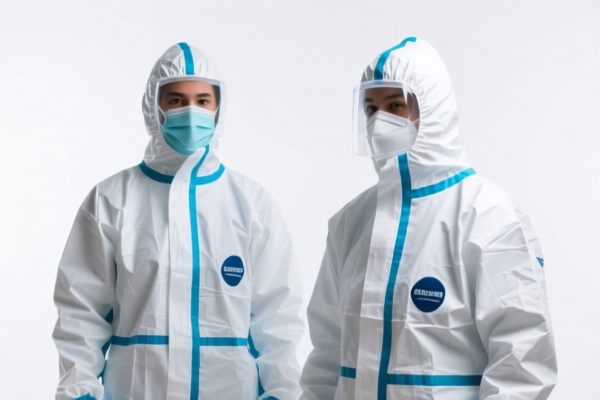
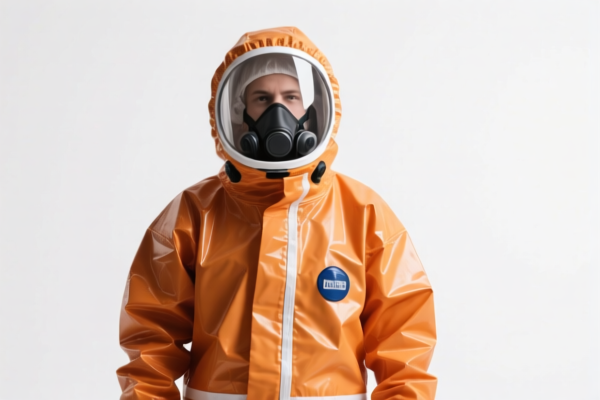
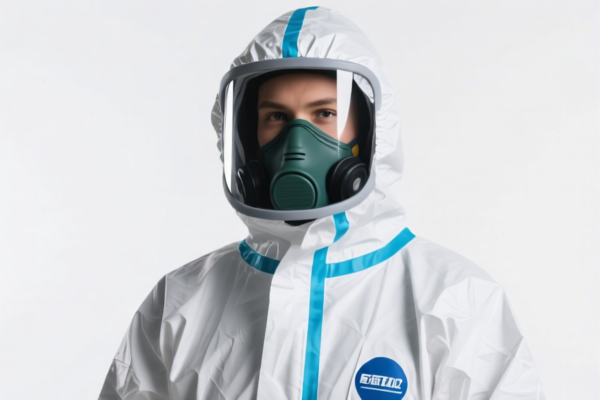
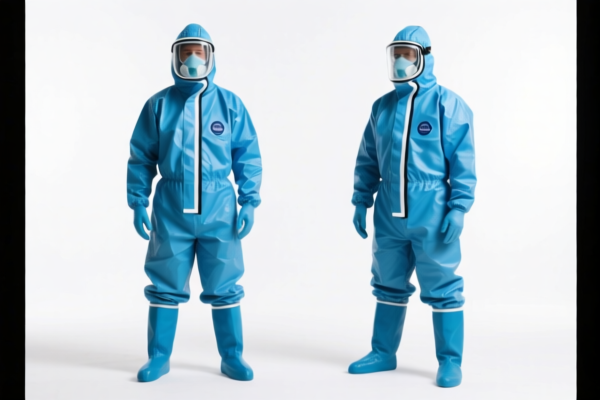
AI分析
🥼 Plastic Coated Protective Suits (PPE)
🌐 HS Code Reference & Customs Clearance Guide | 2026 Latest Tariff Analysis | Strategic Clearance Strategy
📌 I. Product Definition & Classification: What Exactly Is a "Plastic Coated Protective Suit"?
Plastic coated protective suits are specialized Personal Protective Equipment (PPE) designed to shield the wearer from chemical, biological, or environmental hazards. In international trade, their classification hinges on two critical factors: Material Composition and Structural Form.
Category A: Garments (Textile Base + Plastic Coating)
These suits typically have a textile fabric base (synthetic fibers) with a plastic coating or lamination on the surface. They retain the shape and characteristics of clothing.
Key Identifier:* Contains textile substrate + plastic layer.
Category B: Plastic Articles (Solid Plastic/PVC)
These are suits made entirely of plastic materials (e.g., PVC, PE) without a textile backing, or classified under general plastic article provisions if they don't fit specific garment definitions.
Key Identifier:* Pure plastic material, no textile structure.
⚠️ Critical Distinction:
- If it has a fabric base + plastic coating → Often归类 to Chapter 62 (Apparel), specifically heading 6210.
- If it is pure plastic or lacks textile structure → Often归类 to Chapter 39 (Plastics), specifically heading 3926 or 3921.
- Misclassification Risk: Declaring a textile-based coated suit as "Plastic Article" (Ch 39) may trigger higher duties (25%+ Section 301) vs. Apparel (Ch 62), which may have lower base rates but different surcharges.
📦 II. HS Code Classification Details (2026 Latest Tariff Authority Comparison)
| HS Code | Product Description | Scenario | Material Structure | Total Tax Rate (China to US) |
|---|---|---|---|---|
6210.20.30.00 |
Plastic coated protective suits, conforming to clothing shape, made of synthetic fiber base with plastic coating/lamination. | Standard industrial PPE suits with fabric backing | ✅ Textile Base + Plastic Coat | 13.8% |
6210.20.70.00 |
Plastic coated protective suits, conforming to clothing shape, outer surface covered with plastic material. | General plastic-covered garments | ✅ Textile Base + Plastic Coat | 13.3% |
3926.20.60.00 |
Plastic protective suits, material is plastic, form is protective clothing, classified under other residual categories. | Pure plastic suits (e.g., PVC) | ❌ Pure Plastic | 35.0% |
3921.90.15.00 |
Plastic protective suits, name includes plastic, inferred to contain textile materials, classified under other categories. | Mixed material suits, ambiguous structure | ⚠️ Mixed/Unclear | 41.5% |
3926.20.10.20 |
Plastic coated gloves, material is plastic, use is gloves, falls under plastic gloves category. | Gloves (Not suits, but related PPE) | ❌ Pure Plastic | 10.0% |
🔍 Key Insight:
- Chapter 62 (6210.xx) suits generally attract lower base tariffs (3.3%-3.8%) compared to Chapter 39 (3926.xx/3921.xx) which have 0% base but high Section 301 tariffs (25%).
- However, both chapters are subject to the 122 Clause Tariff (10%) for Chinese origins.
-6210.20.70.00offers the lowest total tax (13.3%) if the suit fits the "outer surface covered with plastic" definition accurately.
💰 III. 2026 Latest Tariff Rate Breakdown (Including Surcharges & Policy Add-ons)
✅ Applicable Country: United States (US)
✅ Origin: China (CN)
✅ Effective Date: From November 10, 2025 (including subsequent imports)
🎯 1. 6210.20.30.00 —— Plastic Coated Protective Suits (Synthetic Fiber Base)
| Item | Content |
|---|---|
| Base Tariff | 3.8% (ad valorem) |
| Section 301 Surcharge | 0.0% (Note: Section 301 does not apply to most apparel under Ch 62) |
| 122 Clause Tariff | +10.0% (Applied to Chinese-origin goods) |
| Total Tax Rate | 13.8% |
| Tax Calculation | CIF Value × 13.8% |
| De Minimis Eligibility | ❌ No (Deny de minimis for China) |
| Legal Basis Path | HTSUS:6210.20.30 → 122Clause:10% |
📌 Explanation:
- The base rate of 3.8% is standard for this specific plastic-coated garment.
- No Section 301 tariff applies here, unlike plastics (Ch 39).
- The 10% surcharge is mandatory for all Chinese-origin goods under current trade policies.
- Total: 13.8%, which is significantly lower than plastic-based alternatives.
🎯 2. 6210.20.70.00 —— Other Plastic Coated Protective Suits
| Item | Content |
|---|---|
| Base Tariff | 3.3% |
| Section 301 Surcharge | 0.0% |
| 122 Clause Tariff | +10.0% |
| Total Tax Rate | 13.3% |
| Tax Calculation | CIF Value × 13.3% |
| De Minimis Eligibility | ❌ No |
| Legal Basis Path | HTSUS:6210.20.70 → 122Clause:10% |
📌 Note:
- Slightly lower base rate (3.3%) than6210.20.30.00.
- Use this code if the suit is described as "outer surface covered with plastic" without specifying the synthetic fiber base in detail.
🎯 3. 3926.20.60.00 —— Plastic Protective Suits (Other Plastic Articles)
| Item | Content |
|---|---|
| Base Tariff | 0.0% |
| Section 301 Surcharge | +25.0% (Applied to Chinese plastic articles) |
| 122 Clause Tariff | +10.0% |
| Total Tax Rate | 35.0% |
| Tax Calculation | CIF Value × 35.0% |
| De Minimis Eligibility | ❌ No |
| Legal Basis Path | IEEPA:9903.01.25 → USITC:3926.20.60 → FOOTNOTE:9903.88.01 |
📌 Warning:
- Although the base rate is 0%, the 25% Section 301 tariff drastically increases the cost.
- This classification is risky if the suit actually contains textile fabric. Misclassification here leads to high duties.
🎯 4. 3921.90.15.00 —— Plastic Protective Suits (Mixed/Other)
| Item | Content |
|---|---|
| Base Tariff | 6.5% |
| Section 301 Surcharge | +25.0% |
| 122 Clause Tariff | +10.0% |
| Total Tax Rate | 41.5% |
| Tax Calculation | CIF Value × 41.5% |
| De Minimis Eligibility | ❌ No |
| Legal Basis Path | IEEPA:9901.25 → IEEPA:9903.01.24 → USITC:3921.90.15 → FOOTNOTE:9903.88.01 |
📌 Highest Risk:
- This is the most expensive option (41.5%).
- It applies to suits with ambiguous material composition or those inferred to contain textiles but classified under plastics. Avoid this unless necessary.
🎯 5. 3926.20.10.20 —— Plastic Coated Gloves (Related Item)
| Item | Content |
|---|---|
| Base Tariff | 0.0% |
| Section 301 Surcharge | 0.0% |
| 122 Clause Tariff | +10.0% |
| Total Tax Rate | 10.0% |
| Tax Calculation | CIF Value × 10.0% |
| De Minimis Eligibility | ❌ No |
| Legal Basis Path | HTSUS:3926.20.10 → 122Clause:10% |
📌 Note:
- This code is for gloves, not suits. Included for completeness if your shipment contains gloves alongside suits.
- Lowest tax (10%) among all options, but only for gloves.
🛠️ IV. Customs Clearance Practical Advice (Real-World Pitfall Guide)
✅ 1. Document Checklist (Non-Negotiable)
| Document | Must Provide | Description |
|---|---|---|
| ✅ Product Specification Sheet | ✔️ | Must detail: Material composition (e.g., "100% Polyester with PVC coating"), thickness, size, closure type. |
| ✅ Material Test Report | ✔️ | Third-party lab report confirming textile vs. pure plastic content. Crucial for Ch 62 vs. Ch 39 classification. |
| ✅ Product Photos | ✔️ | Clear images showing seams, fabric texture, and plastic coating. Must prove "garment form." |
| ✅ Commercial Invoice | ✔️ | Item name must match HS description (e.g., "Plastic Coated Protective Suit, Textile Base"). |
| ✅ Packing List | ✔️ | Separate suits and gloves if both are present. Do not mix categories. |
✅ 2. Declaration Tips (Key Mantras)
🔥 "Garment Form + Fabric Base = Chapter 62 (Low Tax)! Pure Plastic = Chapter 39 (High Tax)!"
| Scenario | Correct Declaration | Wrong Approach |
|---|---|---|
| Suit with fabric backing + plastic coating | 6210.20.70.00 (13.3%) |
Declaring as 3926.20.60.00 (35%) → Overpay 21.7%! |
| Pure PVC suit (no fabric) | 3926.20.60.00 (35.0%) |
Declaring as 6210... → Under-declaration, penalty risk! |
| Gloves included | 3926.20.10.20 (10.0%) |
Mixing gloves with suits under one code → Clearance delay! |
| Unknown material | 3921.90.15.00 (41.5%) |
Avoid this! Get material test before shipment. |
✅ 3. Special Cases
| Situation | Handling Advice |
|---|---|
| OEM Custom Suits | Provide design specs + material bill of materials (BOM) to prove textile base. |
| Multi-Purpose Gear | If suit includes pockets, zippers, etc., still classifies as 6210 if primary function is protective garment. |
| Mixed Container | Declare suits (6210) and gloves (3926) on separate lines with separate HS codes. |
| Suspiciously Low Price | CBP may scrutinize for undervaluation. Ensure CIF value includes insurance and freight. |
🌍 V. Global Market Customs Comparison (2026 Latest)
| Country/Region | Recommended HS Code | Tariff (China Origin) | Certification Req. | Notes |
|---|---|---|---|---|
| 🇺🇸 USA | 6210.20.70.00 |
13.3% | None specific | Lowest risk if textile base proven. |
| 🇨🇳 China | 6210.20.70.00 |
~5-8% (Import) | CCC (if applicable) | No Section 301. |
| 🇪🇺 EU | 6210.20.00 |
4-6% (Standard) | CE Marking (PPE Regulation) | Must meet EN ISO 13982 for chemical protection. |
| 🇬🇧 UK | 6210.20.00 |
4-6% | UKCA Marking | Post-Brexit rules apply. |
| 🇦🇺 Australia | 6210.20.00 |
5% | AS/NZS Standards | No major surcharges. |
📌 Conclusion:
- USA is the most complex market due to 122 Clause (10%) and Section 301 (25% for plastics).
- EU/UK/Australia are more straightforward with standard tariffs and CE/UKCA/PPE certification requirements.
- Key Strategy: Prove textile base to stay in Chapter 62 and avoid the 25% Section 301 tariff.
📌 VI. Common Errors & Pitfalls (Lessons Learned)
❌ Error 1: Declaring a fabric-backed suit as 3926.20.60.00 (Plastic Article)
👉 Consequence: Pay 35% instead of 13.3%. Overpayment of ~22%!
❌ Error 2: Declaring a pure plastic suit as 6210.20.70.00 (Garment)
👉 Consequence: Customs rejects, reclassifies, and charges 35% + penalties. Clearance Delay + Fines!
❌ Error 3: Mixing gloves and suits under one HS code
👉 Consequence: Customs audit, delayed release. Must separate lines.
❌ Error 4: Vague description: "Protective Clothing"
👉 Consequence: Customs assigns residual code 3921.90.15.00 (41.5%) due to uncertainty. Highest tax!
✅ Correct Approach:
"Plastic Coated Protective Suit, 100% Polyester Fabric with PVC Coating, Size M-XL, for Chemical Protection, Model XYZ"
🎯 VII. Conclusion: Precise Classification Saves Money!
🎯 Remember the Mantra:
🔹 "Fabric Base = Ch 62 (13.3%) | Pure Plastic = Ch 39 (35%+)"
🔹 "Prove the Textile, Avoid the 25% Section 301!"
🔹 "Separate Gloves from Suits, Keep Documentation Tight!"
📌 Pro Tip:
If your suits are originally from Vietnam, Thailand, or Malaysia, you may qualify for IEEPA Exemptions or lower tariffs. Always check Country of Origin carefully.
Recommend Apply for Advance Ruling before shipment to lock in the 13.3% rate.
📣 Immediate Action:
📞 Contact a licensed customs broker + Provide Material Test Report + Apply for HS Code Advance Ruling
🚀 Let your protective suits clear smoothly, save costs, and protect your profit margins!
✨ Professional Clearance Starts with Accurate Classification!
💼 Every percentage point saved is pure profit!
用户评价
关于 HS 编码归类
协调制度(HS)是由世界海关组织(WCO)制定的国际贸易商品分类标准。全球 200 多个国家采用 HS 系统作为海关关税、贸易统计和进出口监管的基础。
每个 HS 编码遵循以下层级结构:
- 章(2 位)——商品大类(例如:第 84 章:机器和机械设备)
- 品目(4 位)——章内的更具体分类
- 子目(6 位)——国际通用细分,所有 WCO 成员国统一使用
- 本国细分(8-10 位)——各国自行扩展的细分编码,如美国 HTSUS 10 位编码
正确的 HS 编码归类对于顺利通关、准确缴纳关税和遵守贸易法规至关重要。错误归类可能导致海关延误、多缴关税或罚款。
从CN进口到US时,适用的关税税率可能包括:
- 最惠国(MFN)税率——适用于 WTO 成员国的标准关税税率
- 普通税率——适用于无贸易协定国家
- 贸易救济关税——附加关税,如 301 条款(反倾销)、232 条款(国家安全)或反补贴税
本页内容仅供参考。如需正式归类,请咨询当地海关或持牌报关代理。