Plastic Coil
CN → US| HS编码 | 关税税率 | 原产国 | 目的国 | 文档 |
|---|---|---|---|---|
| 3917390050 | 38.1% | CN | US | 官方文档 |
| 3925900000 | 40.3% | CN | US | 官方文档 |
| 3926909989 | 22.8% | CN | US | 官方文档 |
| 3926909987 | 22.8% | CN | US | 官方文档 |
| 8536908510 | 35.0% | CN | US | 官方文档 |
商品图片
AI分析
🌀 Plastic Coils (Plastic Wiring Conduit/Trunking)
🌐 HS Code Reference & Customs Clearance Guide | 2026 Latest Tariff Analysis | Professional Customs Strategy
📌 I. Product Definition: What is a "Plastic Coil"?
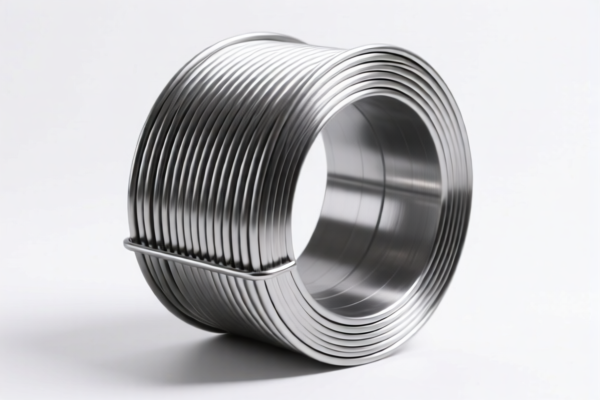
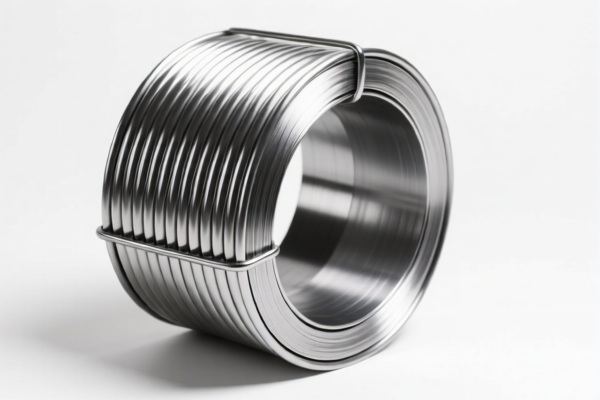
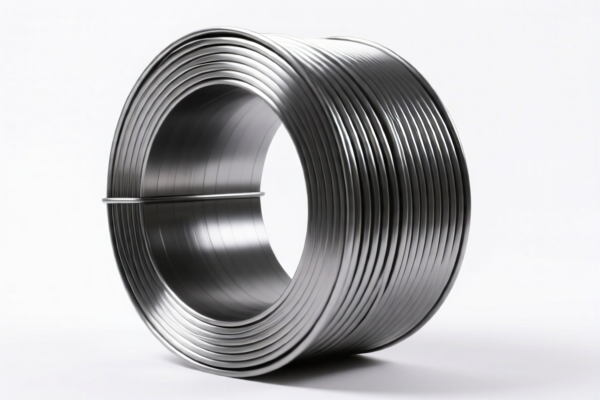
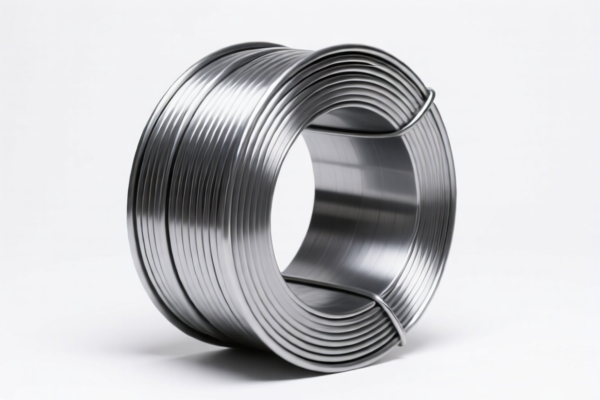
In the context of industrial and construction imports, "Plastic Coil" typically refers to flexible plastic conduit or wiring trunking used for protecting electrical wires and cables. These products are often sold in rolls (coils) for ease of installation.
Depending on their structural characteristics and specific application, they fall into different categories under the Harmonized System (HS). The classification dictates not only the base duty but also the heavy附加 tariffs (Section 301, IEEPA) applicable to Chinese-origin goods entering the US market.
⚠️ Key Distinction:
- If the product is a tubular structure (round/oval pipe) → Look at Chapter 39, Heading 3917.
- If the product is a building fitting/component (e.g., rectangular trunking) → Look at Chapter 39, Heading 3925.
- If the product is an accessory/other plastic article for wiring → Look at Chapter 39, Heading 3926 or Chapter 85.
📦 II. HS Code Classification Details (2026 Latest Tariff Authority)
Based on the provided data, here are the 5 specific HS Codes applicable to Plastic Coils/Conduits, along with their tax implications.
| HS Code | Summary / Classification Logic | Total Tax Rate | Tax Detail Breakdown |
|---|---|---|---|
3917.39.00.50 |
Tubular Structure: Classified as a plastic tube/pipe. Fits the "plastic material" requirement for conduits. | 38.1% | Base: 3.1% + Section 301: 25.0% + IEEPA 122: 10% |
3925.90.00.00 |
Building Component: Classified as a plastic building fitting/fixture. | 40.3% | Base: 5.3% + Section 301: 25.0% + IEEPA 122: 10% |
3926.90.99.89 |
Other Plastic Article (Catch-all): Classified as other plastic articles, not specified elsewhere. | 22.8% | Base: 5.3% + Section 301: 7.5% + IEEPA 122: 10% |
3926.90.99.87 |
Wiring Conduit Use: Specifically for electric wire conduits, categorized under other plastic articles. | 22.8% | Base: 5.3% + Section 301: 7.5% + IEEPA 122: 10% |
8536.90.85.10 |
Electrical Fitting: Classified as an electrical apparatus/accessory for circuits. | 35.0% | Base: 0.0% + Section 301: 25.0% + IEEPA 122: 10% |
💰 III. Detailed Tariff Rate Analysis (With Supplementary Taxes)
✅ Applicable Market: United States (US)
✅ Origin: China (CN)
✅ Effective Date: Post-November 10, 2025 (Including subsequent imports)
🎯 1. 3917.39.00.50 —— Plastic Tubular Conduits (Highest Risk Category?)
| Item | Content |
|---|---|
| Base Tariff | 3.1% (Ad Valorem) |
| USITC Additional Tariff (Section 301) | +25.0% |
| IEEPA Additional Tariff (122 Clause) | +10.0% |
| Total Tax Rate | 38.1% |
| Calculation | CIF Value × 38.1% |
| De Minimis Exemption | ❌ Not Eligible |
📌 Explanation:
- This code assumes the "Plastic Coil" is a pipe/tube.
- The 3.1% base is relatively low, but the 25% Section 301 duty is standard for many plastic products.
- Total 38.1% is a significant cost driver.
🎯 2. 3925.90.00.00 —— Plastic Building Components (Highest Total Tax)
| Item | Content |
|---|---|
| Base Tariff | 5.3% |
| USITC Additional Tariff (Section 301) | +25.0% |
| IEEPA Additional Tariff (122 Clause) | +10.0% |
| Total Tax Rate | 40.3% |
| Calculation | CIF Value × 40.3% |
| De Minimis Exemption | ❌ Not Eligible |
📌 Explanation:
- If the coil is classified as a building fixture (e.g., large rectangular trunking used in construction), it hits the highest tax rate (40.3%).
- Avoid this code if possible unless the product is strictly a building component.
🎯 3. 3926.90.99.89 & 3926.90.99.87 —— Other Plastic Articles (Cost-Effective Option)
| Item | Content |
|---|---|
| Base Tariff | 5.3% |
| USITC Additional Tariff (Section 301) | +7.5% |
| IEEPA Additional Tariff (122 Clause) | +10.0% |
| Total Tax Rate | 22.8% |
| Calculation | CIF Value × 22.8% |
| De Minimis Exemption | ❌ Not Eligible |
📌 Explanation:
- These codes fall under "Other Plastic Articles".
- The key advantage is the lower Section 301 rate (7.5%) compared to the 25% rate for tubes/building parts.
-3926.90.99.87is specifically noted for wiring conduit use.
- Total 22.8% is the most tax-efficient classification among the options, provided the product description supports "other plastic article" rather than "tube" or "building part."
🎯 4. 8536.90.85.10 —— Electrical Accessories (Zero Base, High Add-on)
| Item | Content |
|---|---|
| Base Tariff | 0.0% |
| USITC Additional Tariff (Section 301) | +25.0% |
| IEEPA Additional Tariff (122 Clause) | +10.0% |
| Total Tax Rate | 35.0% |
| Calculation | CIF Value × 35.0% |
| De Minimis Exemption | ❌ Not Eligible |
📌 Explanation:
- This code classifies the plastic coil as an electrical accessory (fitting for circuits).
- Although the Base Tariff is 0%, the 25% Section 301 duty brings the total to 35.0%.
- This is higher than the3926category (22.8%) but lower than3925(40.3%).
🛠️ IV. Customs Clearance Practical Advice (Real-World Pitfall Guide)
✅ 1. Document Preparation Checklist (Non-negotiable)
| Document | Must Provide | Explanation |
|---|---|---|
| ✅ Product Specification Sheet | ✔️ | Must detail material (e.g., PVC, PE), diameter, wall thickness, flexibility, and flame retardancy (UL94 rating). |
| ✅ Photos (Packaged & Unpacked) | ✔️ | Show the coil format, length per roll, and labeling. |
| ✅ Commercial Invoice | ✔️ | Clearly describe as "Plastic Wiring Conduit" or "Electrical Cable Protector," not just "Plastic Product." |
| ✅ Certificate of Origin (CO) | ✔️ | Essential for verifying Chinese origin and applying correct add-on tariffs. |
| ✅ Third-Party Test Report | ✔️ | UL, CE, or RoHS reports to prove electrical safety and material compliance. |
✅ 2. Classification Strategy (Key Mnemonic)
🔥 "Tube vs. Part, Build vs. Wire, Rate Varies High or Low!"
| Scenario | Recommended HS Code | Tax Rate | Reason |
|---|---|---|---|
| Round/ Oval Flexible Pipe | 3917.39.00.50 |
38.1% | Strictly classified as a plastic tube. |
| Rectangular Trunking (Construction) | 3925.90.00.00 |
40.3% | Classified as a building component. Avoid if possible. |
| Standard Wiring Conduit (Flexible) | 3926.90.99.87 |
22.8% | Best Rate. Classified as other plastic article for wiring. |
| Electrical Accessory/Fitting | 8536.90.85.10 |
35.0% | Higher than 3926 due to 25% Section 301. |
✅ 3. Special Situations
| Situation | Handling Advice |
|---|---|
| OEM Custom Coils | Provide client design specs. If it matches "standard wiring conduit," argue for 3926.90.99.87 to save 15.3% tax vs. 3925. |
| Mixed Shipments | If packing tubes with fittings, declare separately. Do not lump together. |
| De Minimis (Section 321) | ❌ Do Not Rely on De Minimis. All listed HS codes have deny_de_minimis: true. Small parcels will still be subject to full tariffs. |
🌍 V. Global Market Comparison (2026 Latest)
| Country/Region | Recommended HS Code | Tariff (China Origin) | Certification Required | Notes |
|---|---|---|---|---|
| 🇺🇸 USA | 3926.90.99.87 |
22.8% | FCC, UL, RoHS | Lowest US rate among options. |
| 🇨🇳 China | 3917.39.00.50 |
~5-7% | CCC (if electrical) | Domestic rate much lower. |
| 🇪🇺 EU | 3926.90.99 |
~6.5% | CE, REACH | No Section 301 equivalent. |
| 🇦🇺 Australia | 3926.90.99 |
5% | SAA, RCM | Low duty, high compliance strictness. |
📌 Conclusion:
- USA is the most complex market due to Section 301 (25% or 7.5%) and IEEPA (10%) add-ons.
- Strategic Tip: Aim for3926.90.99.87(22.8%) if the product is a flexible conduit. It offers the best balance between classification accuracy and tax savings.
📌 VI. Common Mistakes & Pitfall Guide (Lessons Learned)
❌ Mistake 1: Classifying flexible plastic conduits as "Building Parts" (3925)
👉 Consequence: Tax jumps to 40.3%. Unnecessary cost increase.
❌ Mistake 2: Using "Plastic Pipe" generic description for electrical conduits
👉 Consequence: May be flagged for Section 301 (25%) if not carefully described as "electrical wiring protection."
❌ Mistake 3: Assuming De Minimis applies to small coils
👉 Consequence: All listed HS codes are denied De Minimis. Small shipments will face full duties and potential delays.
❌ Mistake 4: Ignoring IEEPA 122 Clause (10%)
👉 Consequence: Even if Section 301 is low (7.5%), the 10% IEEPA is mandatory for Chinese plastic goods. Total is never just base + 7.5%.
✅ Correct Practice:
"Flexible Plastic Electrical Conduit, PVC Material, Flame Retardant UL94 V-0, Sold in Rolls, Model XYZ"
→ Declare under3926.90.99.87for 22.8% total duty.
🎯 VII. Conclusion: Precise Classification Saves 15%+
🎯 Remember the Mnemonic:
🔹 "Conduit in Ch 39, Building Part High, Other Plastic Low!"
🔹 "3926.99.87 is the Sweet Spot: 22.8% Total!"
🔹 "No De Minimis for China! Plan Ahead!"
📌 Pro Tip:
If your plastic coils are sourced from Vietnam, Mexico, or Thailand, you may apply for IEEPA Exemptions, reducing the rate to 0%~7.5%.
Recommendation: Apply for a Binding Ruling (Advance Ruling) from US CBP to secure the 3926.90.99.87 classification and lock in the 22.8% rate.
📣 Immediate Action:
📞 Contact a licensed customs broker + Provide Product Photos + Request HS Code Pre-Ruling
🚀 Let your plastic coils clear customs smoothly, save money, and boost margins!
✨ Professional Clearance Starts with Accurate Classification!
💼 Every dollar of duty saved is pure profit!
用户评价
关于 HS 编码归类
协调制度(HS)是由世界海关组织(WCO)制定的国际贸易商品分类标准。全球 200 多个国家采用 HS 系统作为海关关税、贸易统计和进出口监管的基础。
每个 HS 编码遵循以下层级结构:
- 章(2 位)——商品大类(例如:第 84 章:机器和机械设备)
- 品目(4 位)——章内的更具体分类
- 子目(6 位)——国际通用细分,所有 WCO 成员国统一使用
- 本国细分(8-10 位)——各国自行扩展的细分编码,如美国 HTSUS 10 位编码
正确的 HS 编码归类对于顺利通关、准确缴纳关税和遵守贸易法规至关重要。错误归类可能导致海关延误、多缴关税或罚款。
从CN进口到US时,适用的关税税率可能包括:
- 最惠国(MFN)税率——适用于 WTO 成员国的标准关税税率
- 普通税率——适用于无贸易协定国家
- 贸易救济关税——附加关税,如 301 条款(反倾销)、232 条款(国家安全)或反补贴税
本页内容仅供参考。如需正式归类,请咨询当地海关或持牌报关代理。