Plastic Color Masterbatch
CN → US| HS编码 | 关税税率 | 原产国 | 目的国 | 文档 |
|---|---|---|---|---|
| 3913905000 | 41.5% | CN | US | 官方文档 |
| 3913902090 | 40.8% | CN | US | 官方文档 |
| 3901909000 | 41.5% | CN | US | 官方文档 |
| 3901905501 | 41.5% | CN | US | 官方文档 |
| 3907290000 | 41.5% | CN | US | 官方文档 |
商品图片
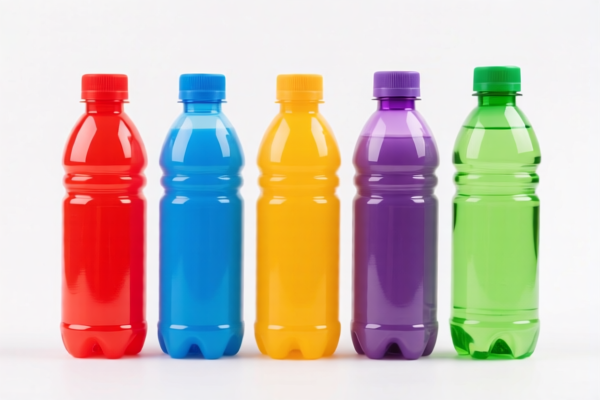
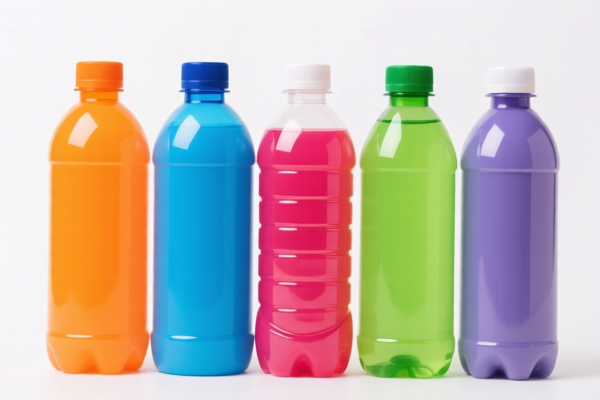

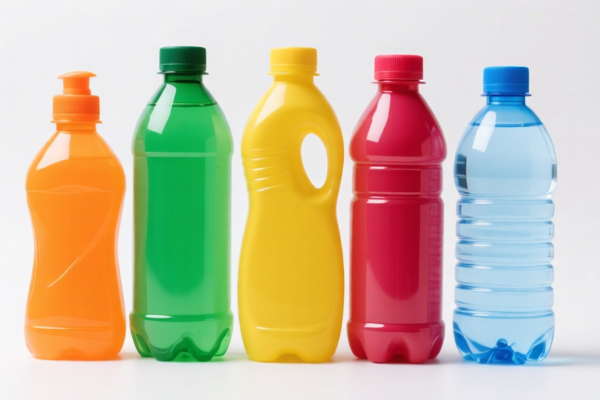
AI分析
🎨 Plastic Color Masterbatch (Plastic Colorant Concentrate)
🌐 HS Code Reference & Customs Clearance Guide | 2026 Latest Tariff Analysis | Professional Entry Strategy
📌 I. Product Definition & Classification: What Exactly is "Plastic Color Masterbatch"?
Plastic Color Masterbatch is a polymer-based material used to color plastic products during manufacturing. It consists of pigments or dyes uniformly dispersed in a carrier resin, formed into granules (primary shapes) for easy handling and dosing.
In international trade, its classification hinges on two critical factors: 1. Material Type: Is the carrier resin an ethylene polymer, a general polymer, or a polyether/resin? 2. Form Factor: It is explicitly in primary shape (granules/pellets), which dictates it falls under Chapter 39 (Plastics and Articles Thereof), not Chapter 32 (Pigments) or Chapter 38 (Miscellaneous Chemical Products).
⚠️ Key Distinction Point:
- If the base polymer is Ethylene-based → Look at HS Codes starting with3901.
- If the base polymer is General/Other Polymer (e.g., PP, PE blends, generic resins) → Look at HS Codes starting with3913or3907.
- Crucial: Do NOT classify as "Pigments" (Chapter 32) if it is pre-dispersed in a plastic carrier; it remains a "Plastic Article in Primary Shape."
📦 II. HS Code Classification Details (2026 Latest Tariff Authority Alignment)
Based on the provided data, here are the specific HS Code mappings for Plastic Color Masterbatch, depending on the precise polymer composition:
| HS Code | Product Description | Logic/Justification | Carrier Resin Type |
|---|---|---|---|
3913.90.50.00 |
Plastic Color Masterbatch | Classified as "Other natural or modified polymers in primary forms." The granular form fits the definition of primary shape for general polymers. | General Polymer / Other |
3913.90.20.90 |
Plastic Color Masterbatch | Classified under polysaccharides or similar derivatives where natural/modified polymers are inferred. Fits granular (primary) form logic. | Modified Polymer / Derivative |
3901.90.90.00 |
Plastic Color Masterbatch | Specifically identifies as "Other" ethylene polymers in primary form. The "Plastic" and "Masterbatch" (pellet) nature aligns with ethylene categories. | Ethylene Polymer (Non-Copolymer) |
3901.90.55.01 |
Plastic Color Masterbatch | Classified as "Ethylene copolymers" or other primary shape ethylene plastics. Fits the granular/pellet morphology. | Ethylene Copolymer |
3907.29.00.00 |
Plastic Color Masterbatch | Classified under "Polyethers and other polyethers." Fits the resin category for masterbatches using polyether-based carriers. | Polyether / Resin |
🔍 Critical Reminder:
- All these codes classify the item as Plastic in Primary Shape.
- The tax burden is heavily influenced by US Section 301 Tariffs (25%) and IEEPA Tariffs (10%) for goods of Chinese origin.
- The base duty varies slightly (5.8% vs 6.5%) depending on the specific polymer sub-category, but the additional taxes are uniform.
💰 III. 2026 Latest Tariff Rate Breakdown (Including Surcharges & Policy Add-ons)
✅ Applicable Country: United States (US)
✅ Country of Origin: China (CN)
✅ Effective Date: From Nov 10, 2025 (and ongoing imports)
🎯 1. For HS Codes 3913.90.50.00, 3901.90.90.00, 3901.90.55.01, 3907.29.00.00
| Item | Detail |
|---|---|
| Base Duty Rate | 6.5% (Ad Valorem) |
| Section 301 Surcharge | +25.0% (USITC Footnote 9903.88.01) |
| IEEPA Surcharge | +10.0% (Targeting China/HK products) |
| Total Effective Tax Rate | 41.5% |
| Tax Calculation | CIF Value × 41.5% |
| De Minimis Exemption | ❌ Not Applicable (Deny De Minimis) |
| Legal Basis Path | USITC:39xxxx → 301 Tariff List → IEEPA:9903.01.25 |
📌 Explanation:
- The 6.5% base duty is standard for many plastic articles in primary forms under Chapter 39.
- The 25% Section 301 tariff is the dominant cost driver, imposed to counter unfair trade practices.
- The 10% IEEPA tariff is an additional layer for Chinese-origin goods.
- Total 41.5% is a significant landed cost multiplier.
🎯 2. For HS Code 3913.90.20.90
| Item | Detail |
|---|---|
| Base Duty Rate | 5.8% (Ad Valorem) |
| Section 301 Surcharge | +25.0% (USITC Footnote 9903.88.01) |
| IEEPA Surcharge | +10.0% (Targeting China/HK products) |
| Total Effective Tax Rate | 40.8% |
| Tax Calculation | CIF Value × 40.8% |
| De Minimis Exemption | ❌ Not Applicable (Deny De Minimis) |
| Legal Basis Path | USITC:3913.90.20.90 → 301 Tariff List → IEEPA:9903.01.25 |
📌 Note:
- This code has a slightly lower base duty (5.8% vs 6.5%) due to its specific classification under modified polymers/polysaccharides.
- However, the additional tariffs (35%) remain the same, resulting in a total of 40.8%.
- Even with this slight saving, the cost remains high.
🛠️ IV. Customs Clearance Practical Advice (Avoid Pitfalls Guide)
✅ 1. Required Documentation Checklist (All Must Be Provided)
| Document | Required? | Description |
|---|---|---|
| ✅ Product Specification Sheet | ✔️ | Must clearly state: Polymer type (e.g., PE, PP, EVA), Pigment type, Concentration %, Melting Point, Density. |
| ✅ Formula/Composition Statement | ✔️ | Breakdown of Carrier Resin vs. Pigment vs. Additives. Crucial for proving it is a "Masterbatch" (polymer-based) and not a simple pigment. |
| ✅ Product Photos (Including Label) | ✔️ | Clear shot of granules/pellets. Label must show HS-relevant info (material name). |
| ✅ Certificate of Origin (CO) | ✔️ | Essential for proving Chinese origin (which triggers 35% extra tariffs). |
| ✅ Commercial Invoice | ✔️ | Must describe as "Plastic Color Masterbatch" and not just "Pigment" or "Colorant." |
| ✅ Packing List | ✔️ | Detail net/gross weights. Ensure packaging is sealed to prevent moisture absorption. |
✅ 2. Declaration Tips (Key Mantras)
🔥 "Declare the Polymer, Not Just the Color! Granules are Primary Shape!"
| Scenario | Correct Declaration | Wrong Approach |
|---|---|---|
| General Polymer Masterbatch | 3913.90.50.00 |
Vague term "Plastic Pellets" → Risk of re-classification & penalties. |
| Ethylene-Based Masterbatch | 3901.90.90.00 or 3901.90.55.01 |
Misclassifying as 3907 (Polyethers) if not true → Duty mismatch. |
| Polyether-Based Masterbatch | 3907.29.00.00 |
Classifying as general polymer → Potential under/overpayment disputes. |
| "Pigment" Declaration | ❌ Never Use | If declared as "Pigment" (Chapter 32), it may be rejected because it contains >50% polymer carrier. |
📌 Warning:
- Do NOT use generic terms like "Plastic Granules" without specifying it is a Masterbatch.
- The term "Masterbatch" implies a specific industrial use and composition, which helps in accurate classification under Chapter 39.
✅ 3. Special Circumstances Handling
| Scenario | Handling Advice |
|---|---|
| OEM/Custom Color Masterbatch | Provide the customer's formula sheet. If the formula differs (e.g., different resin), the HS code may change. |
| Biodegradable Masterbatch | If the carrier is PLA or PHA, it may fall under different subheadings in Chapter 39. Ensure the "Polymer" type is explicitly stated. |
| High Pigment Concentration (>50%) | If pigment content exceeds 50%, it might be argued as a "Pigment Preparation" (Chapter 32). However, standard masterbatches are carrier-dominated (polymer >50%), so Chapter 39 is correct. |
| Mixed Shipments | If shipping with other plastic products, ensure Masterbatch is declared separately to avoid incorrect tariff application. |
🌍 V. Global Market Clearance Comparison (2026 Latest)
| Country/Region | Recommended HS Code | Tariff Rate (China Origin) | Certification Requirements | Notes |
|---|---|---|---|---|
| 🇺🇸 USA | 3913.90.50.00 / 3901.90.90.00 |
40.8% - 41.5% | No specific mandatory cert, but EPA/Toxicity docs may be asked | High tariffs due to 301 & IEEPA. De Minimis exempt. |
| 🇨🇳 China | 3913.90.50.00 |
~6.5% - 9% | GB Standards | Domestic trade standard. |
| 🇪🇺 EU | 3913.90.90 |
6.5% | REACH Compliance (Critical) | REACH registration for substances is mandatory. |
| 🇬🇧 UK | 3913.90.90 |
6.5% | UK REACH | Similar to EU, requires local compliance. |
| 🇻🇳 Vietnam | 3913.90.90 |
0% - 5% (if FTA applied) | GSP/FTA Certificates | Potential for low duty if originated from FTA partners. |
📌 Conclusion:
- USA is the most expensive market for Chinese-made Plastic Color Masterbatch due to the ~41% total tax burden.
- EU/UK require strict REACH/UK REACH chemical compliance, which is a higher barrier to entry than tariffs alone.
- Consider supply chain diversification (e.g., Vietnam, India) if targeting the US market to mitigate Section 301 tariffs.
📌 VI. Common Errors & Pitfall Guide (Blood Lessons)
❌ Error 1: Declaring as "Pigments" (HS 3204)
👉 Consequence: Customs may reject the classification because masterbatches are polymer-carrier based (Chapter 39). Results in re-classification and potential fines.
👉 Correct: Use Chapter 39 codes (3913, 3901, etc.).
❌ Error 2: Ignoring the "Carrier Resin" Type
👉 Consequence: Misclassifying Ethylene-based masterbatch as "Other Polymers" (3913) instead of 3901. While tax rates are similar, it can trigger audits for incorrect material description.
👉 Correct: Specify the exact polymer type (PE, PP, etc.) in the declaration.
❌ Error 3: Using "De Minimis" for Small Samples
👉 Consequence: Since Nov 10, 2025, De Minimis (Section 321) is denied for Chinese goods. Even small shipments incur the full 41.5% tariff.
👉 Correct: Budget for full tariffs even for samples.
✅ Correct Practice:
"Plastic Color Masterbatch, Carrier: Polyethylene, Pigment: Carbon Black, Granular Form, Primary Shape, HS Code: 3901.90.90.00"
🎯 VII. Conclusion: Professional Declaration, Cost Optimization
🎯 Key Takeaways:
🔹 "Masterbatch is Plastic, Not Pigment!" → Always use Chapter 39.
🔹 "Identify the Carrier!" → Ethylene (3901) vs. General (3913) vs. Polyether (3907).
🔹 "US Tariff is 41.5%!" → Plan your pricing and margins accordingly. No exemptions.
🔹 "REACH for EU!" → Chemical compliance is non-negotiable.
📌 Pro Tip:
If your masterbatch uses bio-based or recycled carriers, declare this explicitly. Some jurisdictions offer preferential treatment or different classification paths for recycled plastics.
📣 Immediate Action:
📞 Contact a licensed customs broker to verify the exact polymer composition of your masterbatch.
📝 Apply for an Advance Ruling if unsure about the HS Code to avoid customs holds.
🚀 Optimize your supply chain to handle the high US tariff burden!
✨ Professional Customs Clearance Starts with Accurate Classification!
💼 Your cost efficiency depends on precise HS Code selection!
用户评价
关于 HS 编码归类
协调制度(HS)是由世界海关组织(WCO)制定的国际贸易商品分类标准。全球 200 多个国家采用 HS 系统作为海关关税、贸易统计和进出口监管的基础。
每个 HS 编码遵循以下层级结构:
- 章(2 位)——商品大类(例如:第 84 章:机器和机械设备)
- 品目(4 位)——章内的更具体分类
- 子目(6 位)——国际通用细分,所有 WCO 成员国统一使用
- 本国细分(8-10 位)——各国自行扩展的细分编码,如美国 HTSUS 10 位编码
正确的 HS 编码归类对于顺利通关、准确缴纳关税和遵守贸易法规至关重要。错误归类可能导致海关延误、多缴关税或罚款。
从CN进口到US时,适用的关税税率可能包括:
- 最惠国(MFN)税率——适用于 WTO 成员国的标准关税税率
- 普通税率——适用于无贸易协定国家
- 贸易救济关税——附加关税,如 301 条款(反倾销)、232 条款(国家安全)或反补贴税
本页内容仅供参考。如需正式归类,请咨询当地海关或持牌报关代理。