Plastic Express Bag
CN → US| HS编码 | 关税税率 | 原产国 | 目的国 | 文档 |
|---|---|---|---|---|
| 3926903300 | 16.5% | CN | US | 官方文档 |
| 4202923900 | 52.6% | CN | US | 官方文档 |
| 3926903500 | 24.0% | CN | US | 官方文档 |
| 3923210030 | 38.0% | CN | US | 官方文档 |
| 4202929700 | 52.6% | CN | US | 官方文档 |
商品图片
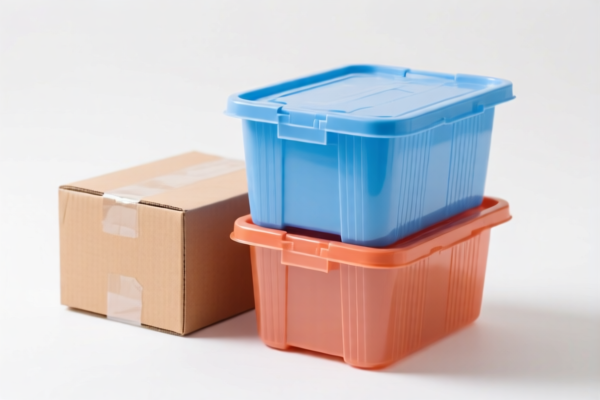
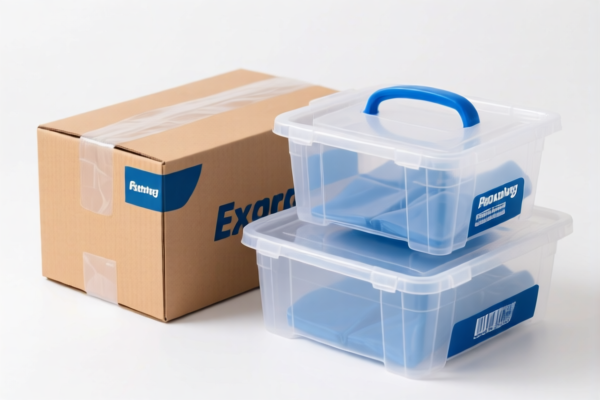
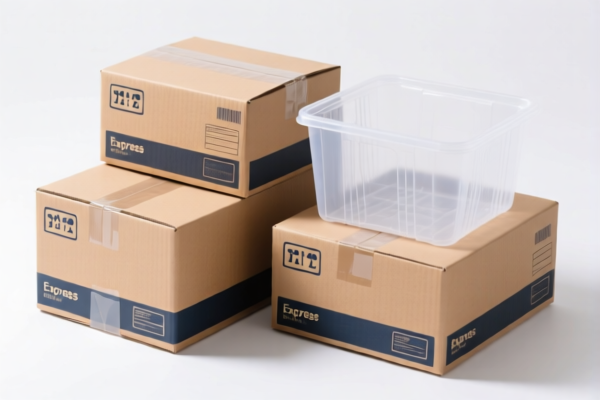
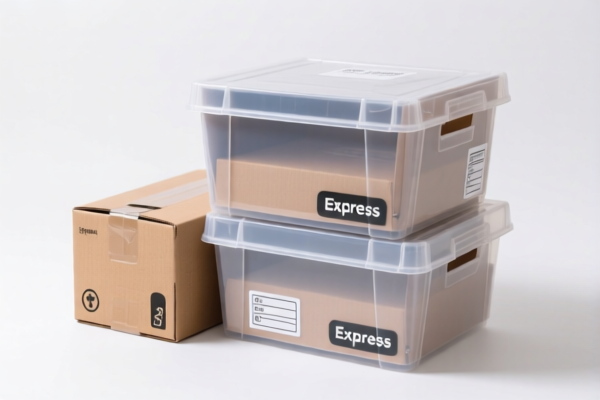
AI分析
🎒 Plastic Express Bag (Plastic Messenger Bag / Satchel)
🌐 HS Code Reference & Customs Clearance Guide | 2026 Latest Tariff Analysis | Strategic Entry Strategy
📌 I. Product Definition & Classification: Do You Really Know What You Are Shipping?
The Plastic Express Bag is a versatile container, typically used for logistics, promotional giveaways, or lightweight storage. In international trade, its classification is highly sensitive to its primary material and structural form. Is it a simple sack (heading 3923) or a styled accessory/bag (heading 4202/3926)?
Key Distinction Points: * Plastic Sheets/Films + Simple Structure: If made primarily of plastic sheets and functions as a simple container (like a shopping bag or sack), it often falls under Chapter 39 (Plastics) or Chapter 42 (Articles of Leather/Plastic Sheets). * Styled "Bag" Structure: If it has a specific shape, straps, handles, and resembles a traditional messenger bag or purse, it may be classified as an "Other Bag" under HS 4202 or HS 3926.
⚠️ Critical Classification Trap:
- If the item is essentially a plastic sack/cloth without rigid structure or fashion features → 3926.90 or 3923.21.
- If the item is a structured bag (with handles, zippers, specific messenger style) made of plastic sheets → 4202.92.
- Misclassification Risk: Declaring a structured bag as a simple "sack" (3923) when it looks like a bag (4202) can lead to severe duties (52.6% vs 16.5%).
📦 II. HS Code Classification Matrix (Based on Provided Data)
Based on the provided dataset, here are the five most likely HS Code matches for a "Plastic Express Bag," ranked by classification logic:
| HS Code | Product Description & Logic | Tax Rate (Total) | Key Duty Components |
|---|---|---|---|
3926.90.33.00 |
Plastic Other Articles: Bags/Other Articles of Plastic. Logic: Material is plastic, form is "bag". Fits the residual category for plastic goods. | 16.5% | Base: 6.5% Section 301: 0% 122 Clause: 10% |
3926.90.35.00 |
Plastic Other Articles: Other Plastic Products. Logic: Material is plastic (Ch 39.01-39.14); Form is a "product/article". Residual category for plastics. | 24.0% | Base: 6.5% Section 301: 7.5% 122 Clause: 10% |
3923.21.00.30 |
Sacks & Bags (Plastic): Other Sacks & Bags. Logic: Material is plastic/polymer; Form is "sack/bag". Residual category for plastic sacks. | 38.0% | Base: 3.0% Section 301: 25% 122 Clause: 10% |
4202.92.39.00 |
Bags (Plastic/Textile Surface): Other Bags. Logic: Purpose is a bag (Messenger Bag); Material is plastic. Fits "Surface of plastic sheets or textile materials". | 52.6% | Base: 17.6% Section 301: 25% 122 Clause: 10% |
4202.92.97.00 |
Bags (Plastic/Textile Surface): Other Bags (Retail/Shopping). Logic: Material is plastic sheets; Form is "bag/shopping bag". | 52.6% | Base: 17.6% Section 301: 25% 122 Clause: 10% |
🔍 Analysis of Duty Disparity:
- Lowest Duty (16.5%):3926.90.33.00. This requires proving the item is a generic "plastic article" rather than a specialized "bag" with textile/plastic sheet surface features defined in Chapter 42.
- Highest Duty (52.6%):4202.92.xxxx. This applies if the bag is considered a "finished good" bag with a plastic outer surface. The base tariff is significantly higher (17.6%) compared to plastic articles (6.5%).
💰 III. 2026 Latest Tariff Rate Breakdown (US Market Focus)
✅ Applicable Country: United States (US)
✅ Origin: China (CN) (Assumed based on "122 Clause" and Section 301 references in data)
✅ Effective Date: Current trade policies (Section 301 & 122 clauses active)
🎯 1. 3926.90.33.00 — Best Case Scenario (Lowest Duty)
| Item | Detail |
|---|---|
| Base Duty | 6.5% |
| Section 301 Duty | 0.0% |
| 122 Clause Duty | 10.0% |
| Total Effective Rate | 16.5% |
| Legal Basis | HTSUS:3926.90.33.00 + USITC Footnote 122 |
| De Minimis Exemption | ❌ Not Eligible (Likely denied due to Section 301/122 or value threshold) |
📌 Explanation:
- The 10% 122 Clause is specific to certain plastic goods or imports from China under specific executive orders.
- The 0% Section 301 is unusual for China-origin plastic bags (usually 25%), suggesting this specific subheading might have a temporary exclusion or specific classification nuance. Verify current exclusions!
- Strategy: Argue that the bag is a "generic plastic article" rather than a "fashion bag" to qualify for this lower rate.
🎯 2. 3926.90.35.00 — Mid-Range Plastic Article
| Item | Detail |
|---|---|
| Base Duty | 6.5% |
| Section 301 Duty | 7.5% |
| 122 Clause Duty | 10.0% |
| Total Effective Rate | 24.0% |
| Legal Basis | HTSUS:3926.90.35.00 + USITC Footnote 301 + Footnote 122 |
📌 Explanation:
- If33.00is rejected,35.00is the next best "Plastic Article" code.
- Note the 7.5% Section 301 here, unlike the 0% in33.00. This highlights the importance of precise subheading selection.
🎯 3. 3923.21.00.30 — Plastic Sacks/Bags
| Item | Detail |
|---|---|
| Base Duty | 3.0% |
| Section 301 Duty | 25.0% |
| 122 Clause Duty | 10.0% |
| Total Effective Rate | 38.0% |
| Legal Basis | HTSUS:3923.21.00.30 + USITC Footnote 301 + Footnote 122 |
📌 Explanation:
- Low base duty (3.0%) but high Section 301 (25%).
- This category is for "Sacks and Bags." If your "Express Bag" is a simple plastic pouch without handles/straps, this might be the correct code.
- Warning: Do not use this if the bag has a structured shape and straps; Customs may reclassify to4202.
🎯 4. 4202.92.39.00 & 4202.92.97.00 — Highest Duty Scenario
| Item | Detail |
|---|---|
| Base Duty | 17.6% |
| Section 301 Duty | 25.0% |
| 122 Clause Duty | 10.0% |
| Total Effective Rate | 52.6% |
| Legal Basis | HTSUS:4202.92.xxxx + USITC Footnote 301 + Footnote 122 |
📌 Explanation:
- These codes fall under Chapter 42 (Articles of Leather/Plastic Sheets).
- High Base Duty (17.6%): Plastic sheet goods used for bags are taxed higher as "finished articles."
- High Section 301 (25%): Standard trade war tariff.
- Risk: This is the worst-case scenario. Avoid this classification unless the bag is definitively a "fashion bag" or "messenger bag" made of plastic sheets.
🛠️ IV. Customs Clearance Operational Advice (Practical Pitfall Guide)
✅ 1. Preparation Checklist (Mandatory)
| Document | Must Provide | Purpose |
|---|---|---|
| ✅ Product Photos | ✔️ | Show handles, straps, zippers, and structure. Prove if it’s a "sack" or a "bag". |
| ✅ Material Specification | ✔️ | Confirm "Plastic Sheet," "Polyethylene," or "PVC." Exclude textile mixes if claiming Ch 39. |
| ✅ Commercial Invoice | ✔️ | Use precise description: "Plastic Messenger Bag, Material: PVC, No Textile Lining." |
| ✅ Packing List | ✔️ | Ensure unit count matches invoice. |
| ✅ Structure Diagram | ✔️ | Helpful if Customs challenges the "Bag" vs. "Sack" classification. |
✅ 2. Declaration Strategy (Key Mantra)
🔥 "Structure Dictates Code; Material Dictates Chapter!"
| Scenario | Recommended HS Code | Why? |
|---|---|---|
| Simple Plastic Pouch/Sack (No handles, open top) | 3923.21.00.30 |
Fits "Sack/Bag" definition in Ch 39. |
| Structured Bag with Handles/Straps (Plastic outer) | 3926.90.33.00 |
Argue "Plastic Article" not "Leather/Plastic Sheet Bag" to avoid Ch 42 high tariffs. |
| Fashion Messenger Bag (Plastic surface, structured) | 4202.92.39.00 |
If it clearly looks like a handbag/messenger bag, Ch 42 is forced. |
| Plastic Bag with Textile Lining/Trim | 4202.92.xxxx |
Mixed materials often push classification to Ch 42. |
✅ 3. Special Handling Tips
| Situation | Advice |
|---|---|
| OEM / Promotional Bags | Clearly state "Promotional Item" on invoice. Sometimes helps in proving non-fashion intent. |
| Customs Inquiry | If asked why not 4202, provide evidence that the product does not meet the "article of leather/plastic sheet" definition for fashion bags (e.g., lack of aesthetic design, simple utility). |
| 122 Clause | Verify if your specific plastic product is exempt from the 10% 122 Clause. Some plastic items may have exemptions. |
🌍 V. Global Market Comparison (2026)
| Country/Region | Recommended HS Code | Est. Duty (China Origin) | Notes |
|---|---|---|---|
| 🇺🇸 USA | 3926.90.33.00 |
16.5% | Best case. Avoid 4202 (52.6%). |
| 🇨🇳 China | 3926.90.90.00 |
~6.5% - 10% | Lower base rates. No Section 301/122 for exports to China if re-exporting. |
| 🇪🇺 EU | 3926.90.97 |
0% - 6% | No Section 301. Standard MFN rates apply. |
| 🇬🇧 UK | 3926.90.97 |
0% - 6% | Post-Brexit, similar to EU. |
| 🇯🇵 Japan | 3926.90.90 |
5% - 6% | Low base duty. |
📌 Conclusion:
- USA is the most expensive market due to Section 301 and 122 Clauses.
- Accurate Classification is Critical: A difference between3926(16.5%) and4202(52.6%) is a 36.1% cost gap.
- Recommendation: For plastic bags sent to the US, aggressively argue for3926.90.33.00by emphasizing the material is plastic and the form is a generic article, not a fashion accessory.
📌 VI. Common Errors & Pitfalls (Lessons Learned)
❌ Error 1: Declaring a structured messenger bag as a "Plastic Sack" (3923.21)
👉 Consequence: Customs may reclassify to 4202 (52.6%) or 3926 (16.5-24%) and apply penalties for misdeclaration.
❌ Error 2: Ignoring the "122 Clause"
👉 Consequence: Underpaying duty by 10%. The 122 Clause applies to many plastic imports from China. Always include it in calculations.
❌ Error 3: Using vague descriptions like "Bag" on Invoice
👉 Consequence: Customs has discretion. If they see a strap, they may default to 4202.
👉 Fix: Use specific terms: "Plastic Utility Bag, No Textile Components."
🎯 VII. Conclusion: Smart Classification, Save Money!
🎯 Remember the Mantra:
🔹 "Simple Sack = Ch 39 (Low Tax); Fashion Bag = Ch 42 (High Tax)"
🔹 "122 Clause is 10%; Don't Forget It!"
🔹 "Target3926.90.33.00for 16.5% Duty; Avoid4202at All Costs!"
📌 Pro Tip:
If your bag is made of woven plastic (like a reusable tote), it may still fall under 3926. Ensure the invoice specifies "Non-woven" or "Woven Plastic" to support the Ch 39 classification.
📣 Immediate Action:
📞 Consult a Customs Broker: Submit photos and material specs for a pre-ruling if the value is high.
🚀 Optimize Your Supply Chain: Choose the correct HS Code (3926.90.33.00) to save 36% in duties compared to4202.
✨ Professional Clearance Starts with Accurate Classification!
💼 Your Margins Depend on This 10-Digit Code!
用户评价
关于 HS 编码归类
协调制度(HS)是由世界海关组织(WCO)制定的国际贸易商品分类标准。全球 200 多个国家采用 HS 系统作为海关关税、贸易统计和进出口监管的基础。
每个 HS 编码遵循以下层级结构:
- 章(2 位)——商品大类(例如:第 84 章:机器和机械设备)
- 品目(4 位)——章内的更具体分类
- 子目(6 位)——国际通用细分,所有 WCO 成员国统一使用
- 本国细分(8-10 位)——各国自行扩展的细分编码,如美国 HTSUS 10 位编码
正确的 HS 编码归类对于顺利通关、准确缴纳关税和遵守贸易法规至关重要。错误归类可能导致海关延误、多缴关税或罚款。
从CN进口到US时,适用的关税税率可能包括:
- 最惠国(MFN)税率——适用于 WTO 成员国的标准关税税率
- 普通税率——适用于无贸易协定国家
- 贸易救济关税——附加关税,如 301 条款(反倾销)、232 条款(国家安全)或反补贴税
本页内容仅供参考。如需正式归类,请咨询当地海关或持牌报关代理。