Plastic Film Stretching
CN → US| HS编码 | 关税税率 | 原产国 | 目的国 | 文档 |
|---|---|---|---|---|
| 3920991000 | 41.0% | CN | US | 官方文档 |
| 3920992000 | 39.2% | CN | US | 官方文档 |
| 3921905050 | 39.8% | CN | US | 官方文档 |
| 3005905090 | 10.0% | CN | US | 官方文档 |
| 3921190090 | 41.5% | CN | US | 官方文档 |
商品图片
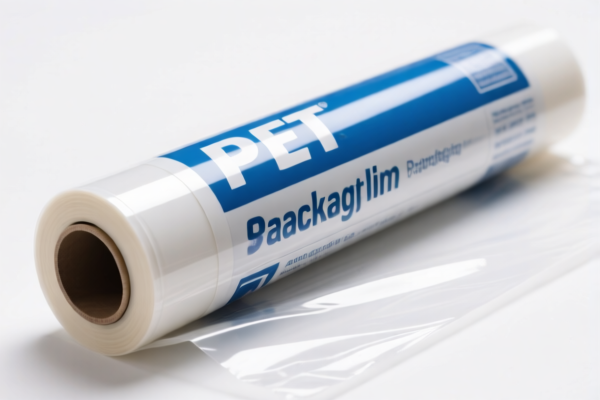


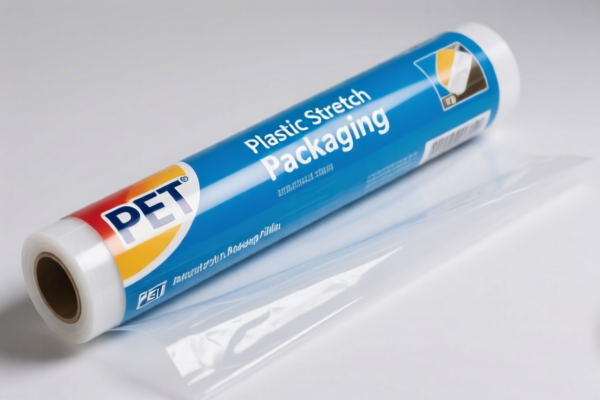
AI分析
🧪 Plastic Film Stretching: HS Code Classification & Customs Clearance Guide (2026)
🌐 HS Code Reference & Customs Strategy | 2026 Tariff Breakdown | Professional Clearance Protocol
📌 I. Product Definition & Classification: Understanding "Stretchable Plastic Films"
In international trade, "Plastic Film Stretching" refers to polymer films capable of elastic elongation or used in stretch-wrap applications. These materials are critical for packaging, medical packaging, and industrial protection.
Classification depends strictly on material composition, physical form (film, foil, tape), and specific use (medical vs. general).
⚠️ Key Distinction:
- General Packaging/Industrial Films: Classified under Chapter 39 (Plastics and articles thereof).
- Medical Dressings/Packaging: If specifically designed for medical wound coverage, classified under Chapter 30 (Pharmaceuticals/Medical Articles).
📦 II. HS Code Classification Details (2026 Tariff Schedule)
Based on the provided data, here are the precise classifications for stretchable plastic materials:
| HS Code | Product Description | Key Characteristics | Total Tax Rate (China-US) |
|---|---|---|---|
3920.99.10.00 |
Flexible Plastic Stretching Material | Matches plastic material + film/foil/tape morphology. | 41.0% |
3920.99.20.00 |
Flexible Plastic Stretching Material | Matches plastic material + flexible film/tape/sheet morphology. | 39.2% |
3921.90.50.50 |
Plastic Film (Other) | Plastic plate, sheet, film, foil under "Other" category. | 39.8% |
3005.90.50.90 |
Medical Plastic Film | Medical use + plastic material as dressing/construction component. | 10.0% |
3921.19.00.90 |
Plastic Film (Other) | Plastic-made plates, sheets, films, foils & strips under "Other". | 41.5% |
🔍 Critical Note:
- HS 3920 vs. 3921:3920is generally for plastics unworked or semi-worked (not reinforced/laminated), while3921is for plastics worked but not reinforced or other plastics. The distinction often lies in the specific processing state and subheading definitions.
- Medical Exception: If the film is explicitly for medical dressings (wound care), it falls under3005, drastically reducing taxes.
💰 III. 2026 Tariff Rate Breakdown (Detailed Tax Structure)
✅ Applicable Country: United States (US)
✅ Origin: China (CN)
✅ Effective Date: Current 2025–2026 Trade Policies
🎯 1. 3920.99.10.00 & 3920.99.20.00 — General Stretch Films
| Item | Detail |
|---|---|
| Base Tariff | 6.0% (3920.99.10) / 4.2% (3920.99.20) |
| Section 301 Tariff | +25.0% |
| Section 122 Tariff | +10.0% |
| Total Effective Rate | 41.0% / 39.2% |
| De Minimis Eligibility | ❌ Denied (deny_de_minimis) |
| Legal Path | Section 301 + Section 122 applied to Chapter 39 plastics. |
📌 Explanation:
- These are general-purpose packaging films (e.g., stretch wrap for pallets).
- High taxes due to Section 301 (Trade War Tariff) and Section 122 (National Security/Industrial Base Tariff).
🎯 2. 3921.90.50.50 & 3921.19.00.90 — Other Plastic Films
| Item | Detail |
|---|---|
| Base Tariff | 4.8% (3921.90.50) / 6.5% (3921.19.00) |
| Section 301 Tariff | +25.0% |
| Section 122 Tariff | +10.0% |
| Total Effective Rate | 39.8% / 41.5% |
| De Minimis Eligibility | ❌ Denied (deny_de_minimis) |
| Legal Path | Section 301 + Section 122 applied to Chapter 39 plastics. |
📌 Note:
-3921.19.00.90has the highest base tariff (6.5%), leading to a 41.5% total rate.
- Avoid this subcode if possible;3920.99.20.00offers the lowest burden among general films (39.2%).
🎯 3. 3005.90.50.90 — Medical Plastic Film (Dressing)
| Item | Detail |
|---|---|
| Base Tariff | 0.0% |
| Section 301 Tariff | 0.0% |
| Section 122 Tariff | +10.0% |
| Total Effective Rate | 10.0% |
| De Minimis Eligibility | ❌ Denied (deny_de_minimis) |
| Legal Path | Section 122 only; Chapter 30 products are largely exempt from Section 301. |
📌 Crucial Advantage:
- If your product is a medical dressing (e.g., sterile stretch film for wound coverage), this is the only low-tax option.
- Requirement: Must provide Medical Device Registration or FDA Clearance to prove medical use.
🛠️ IV. Customs Clearance Practical Advice (Pitfall Avoidance)
✅ 1. Documentation Checklist (Mandatory)
| Document | Required? | Description |
|---|---|---|
| ✅ Product Specification | ✔️ | Material composition (PP, PE, PVC?), elasticity %, thickness, width. |
| ✅ Intended Use Statement | ✔️ | Critical: "General Packaging" vs. "Medical Wound Dressing". |
| ✅ Technical Data Sheet | ✔️ | Include tensile strength, stretch ratio, and manufacturing process. |
| ✅ Third-Party Certification | ✔️ | FDA 510(k) or CE MDR for medical claims; REACH/RoHS for general plastics. |
| ✅ Commercial Invoice | ✔️ | Must match HS Code description precisely. |
| ✅ Bill of Lading | ✔️ | Show container load details to verify bulk vs. retail. |
✅ 2. Classification Strategy (Key Tactics)
🔥 "Medical First, General Second, Precision Matters!"
| Scenario | Recommended HS Code | Reason |
|---|---|---|
| Stretch Wrap for Pallets | 3920.99.20.00 |
Lowest tax (39.2%) among general films. |
| Medical Sterile Stretch Film | 3005.90.50.90 |
Lowest tax (10.0%); Must prove medical use. |
| Laminated/Reinforced Film | 3921.90.50.50 |
If film is laminated with other materials. |
| Non-Stretch Plastic Sheet | 3921.19.00.90 |
Avoid if possible; highest base tax. |
⚠️ Warning:
- Do NOT claim "Medical" status for general packaging films. Customs will reject the claim and apply 3920/3921 rates + penalties.
- Do NOT split shipments to avoid Section 122/301. It is considered smuggling/evasion.
✅ 3. Special Case Handling
| Case | Handling Advice |
|---|---|
| OEM Stretch Films | Provide customer order + design specs. If no medical claim, use 3920 or 3921. |
| Multi-layer Films | If layers are laminated, check if 3921 applies (worked plastic). If un-laminated/semi-worked, 3920 may apply. |
| Rolls vs. Cut Sheets | Both can be classified under these HS codes, but ensure "Stretch Property" is documented. |
| Exemption Application | If eligible, apply for Section 301 Exclusions via USTR. However, most plastic films are not excluded. |
🌍 V. Global Customs Comparison (2026)
| Country/Region | Recommended HS Code | Tax Rate (China Origin) | Certification Required | Notes |
|---|---|---|---|---|
| 🇺🇸 USA | 3005.90.50.90 (Medical) |
10.0% | FDA | If general use: 39.2–41.5% |
| 🇨🇳 China | 3920.99.20.00 |
1–3% (Import Duty) | CCC (if applicable) | No Section 301. |
| 🇪🇺 EU | 3920.99.00 |
6.5% | CE (if medical) | No Section 301. |
| 🇯🇵 Japan | 3920.99.00 |
6.0% | PSE (if electrical components) | No Section 301. |
📌 Conclusion:
- USA is the most expensive market due to Section 301 + Section 122.
- Medical Classification is the only viable strategy to reduce US taxes from ~40% to 10%.
- For non-medical films, cost optimization requires shifting supply chain to non-China origins (e.g., Vietnam, Thailand) to avoid Section 301.
📌 VI. Common Mistakes & Pitfalls (Lessons Learned)
❌ Mistake 1: Classifying general stretch wrap as Medical Film (3005)
👉 Consequence: Customs rejects claim, audits past shipments, imposes penalties + back taxes (~30% difference).
❌ Mistake 2: Using 3921.19.00.90 when 3920.99.20.00 is applicable
👉 Consequence: Overpaying 2.3% on every shipment.
❌ Mistake 3: Ignoring Section 122 Tariff
👉 Consequence: Unexpected 10% duty added to all Chapter 39 imports.
❌ Mistake 4: Declaring "Plastic Sheet" instead of "Stretch Film"
👉 Consequence: Misdescription leads to delayed clearance and additional customs exams.
✅ Correct Declaration Example:
"Medical Grade Sterile Stretch Film, Polyethylene, Non-Adhesive, for Wound Dressing, Model XYZ, FDA 510(k) Cleared"
→ HS Code:3005.90.50.90→ Tax: 10.0%
🎯 VII. Conclusion: Strategic Clearance for Cost Efficiency
🎯 Key Takeaway:
🔹 For Medical Films: Pursue
3005.90.50.90with FDA documentation → 10.0% Tax.
🔹 For General Films: Optimize for3920.99.20.00→ 39.2% Tax (Lowest in Chapter 39).
🔹 Avoid3921.19.00.90unless technically necessary → 41.5% Tax (Highest).🔹 "Tax Savings Tip": If volume is high, consider supply chain diversification to Southeast Asia (Vietnam/Thailand) to bypass Section 301 entirely.
📌 Pro Tip:
Apply for Advance Ruling from U.S. Customs and Border Protection (CBP) to lock in classification.
Ensure Product Specs clearly state "Stretch Property" and "Medical/Non-Medical Use" to prevent misclassification.
📣 Immediate Action:
📞 Contact your customs broker with Product Specs + Intended Use.
🚀 Optimize your HS Code to save up to 30% in duties.
✨ Precision in Classification = Savings in Customs!
💼 Every percentage point matters in 2026 Trade Wars.
用户评价
关于 HS 编码归类
协调制度(HS)是由世界海关组织(WCO)制定的国际贸易商品分类标准。全球 200 多个国家采用 HS 系统作为海关关税、贸易统计和进出口监管的基础。
每个 HS 编码遵循以下层级结构:
- 章(2 位)——商品大类(例如:第 84 章:机器和机械设备)
- 品目(4 位)——章内的更具体分类
- 子目(6 位)——国际通用细分,所有 WCO 成员国统一使用
- 本国细分(8-10 位)——各国自行扩展的细分编码,如美国 HTSUS 10 位编码
正确的 HS 编码归类对于顺利通关、准确缴纳关税和遵守贸易法规至关重要。错误归类可能导致海关延误、多缴关税或罚款。
从CN进口到US时,适用的关税税率可能包括:
- 最惠国(MFN)税率——适用于 WTO 成员国的标准关税税率
- 普通税率——适用于无贸易协定国家
- 贸易救济关税——附加关税,如 301 条款(反倾销)、232 条款(国家安全)或反补贴税
本页内容仅供参考。如需正式归类,请咨询当地海关或持牌报关代理。