Plastic Fitness Shoes
CN → US| HS编码 | 关税税率 | 原产国 | 目的国 | 文档 |
|---|---|---|---|---|
| 3926909989 | 22.8% | CN | US | 官方文档 |
| 6402191520 | 22.6% | CN | US | 官方文档 |
| 6402191541 | 22.6% | CN | US | 官方文档 |
| 6404112060 | 20.5% | CN | US | 官方文档 |
| 6405209030 | 22.5% | CN | US | 官方文档 |
商品图片
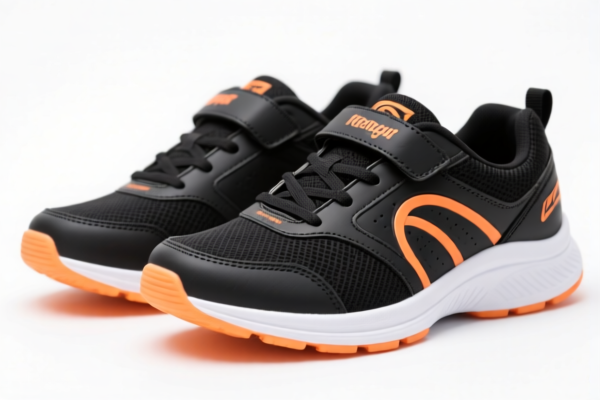
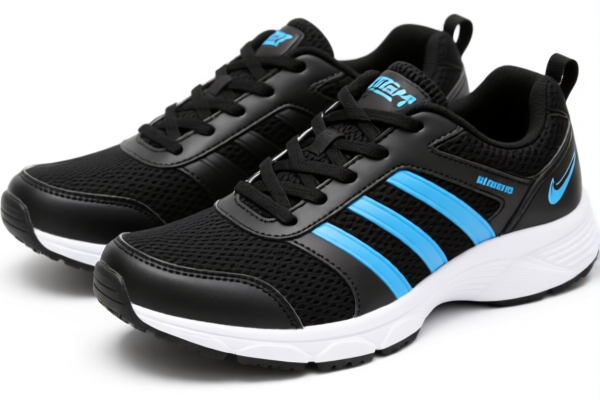
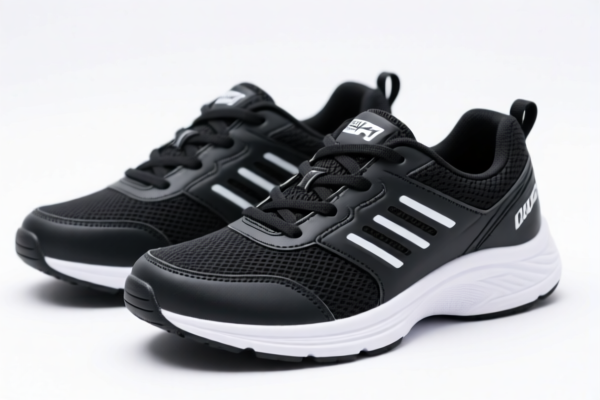
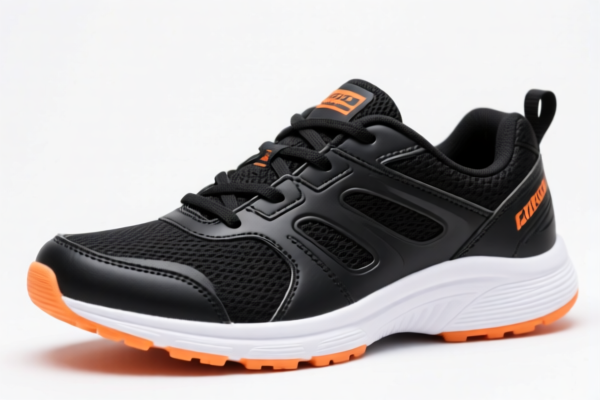
AI分析
👟 Plastic Fitness Shoes (Plastic Material Footwear)
🌐 HS Code Reference & Customs Clearance Guide | 2026 Latest Tariff Analysis | Professional Strategy for US Import
📌 I. Product Definition & Classification: Understanding "Plastic Fitness Shoes"
Plastic fitness shoes are specialized footwear designed for athletic activities, casual wear, or specific industrial environments. The key identifier here is "Plastic" (including synthetic rubber, EVA, PVC, or other polymer materials) used for the upper, sole, or entire construction. In international trade, these are primarily classified under Chapter 64 (Footwear) or Chapter 39 (Plastics), depending on the dominant material and functional design.
Key Distinction: * Plastic Outer Sole & Upper: If the shoe is predominantly made of plastic materials (e.g., PVC rain shoes, EVA foam slides, or synthetic mesh uppers with plastic soles), it falls under Chapter 64 (Footwear) because the form is footwear, even if the material is plastic. * Pure Plastic Articles: If it’s a non-footwear plastic item (e.g., plastic sandals that are considered accessories rather than footwear), it might fall under Chapter 39. However, for fitness shoes, the functional definition of "footwear" takes precedence.
⚠️ Critical Note for US Imports:
The US applies Section 301 (Trade Act of 1974) and Section 122 (IEEPA) tariffs on many Chinese-origin goods, including footwear. Plastic fitness shoes are highly susceptible to additional duties. Always verify the specific HS code to avoid unexpected costs.
📦 II. HS Code Classification Details (2026 Latest Tariff Reference)
The following HS Codes are extracted directly from the provided data. They represent various interpretations of "plastic fitness shoes" based on material composition and construction details.
| HS Code | Summary Description | Tax Rate (Total) | Tax Breakdown (Detail) |
|---|---|---|---|
| 3926.90.99.89 | Plastic制品 (Plastic Articles), meets plastic basketball shoe material requirements | 22.8% | Base Tariff: 5.3% + Section 301: 7.5% + Section 122: 10% |
| 6402.19.15.20 | Plastic material footwear, fits athletic shoe category | 22.6% | Base Tariff: 5.1% + Section 301: 7.5% + Section 122: 10% |
| 6402.19.15.41 | Plastic outer sole and upper, falls within athletic shoe scope | 22.6% | Base Tariff: 5.1% + Section 301: 7.5% + Section 122: 10% |
| 6404.11.20.60 | Plastic material sports shoes, fits reasonable material inference | 20.5% | Base Tariff: 10.5% + Section 301: 0.0% + Section 122: 10% |
| 6405.20.90.30 | Plastic/Synthetic fiber upper, fits casual sports needs | 22.5% | Base Tariff: 12.5% + Section 301: 0.0% + Section 122: 10% |
| 6405.20.90.60 | Plastic components, fits general "other footwear" catch-all logic | 22.5% | Base Tariff: 12.5% + Section 301: 0.0% + Section 122: 10% |
🔍 Analysis of Tariff Structures: 1. Section 122 Tariff (10%): This is a fixed component across ALL listed codes. It applies to Chinese-origin goods under the International Emergency Economic Powers Act (IEEPA). 2. Section 301 Tariff (7.5% vs. 0%): * Codes
3926...,6402.19...carry a 7.5% additional tariff. * Codes6404.11...,6405.20...carry 0% additional tariff under this section (likely due to specific subheading exemptions or lower base rates). 3. Base Tariff (5.1% - 12.5%): Varies by specific plastic type and construction.
💰 III. 2026 Tariff Rate Breakdown & Calculation
✅ Applicable Country: United States (US)
✅ Origin: China (CN) (Assumed based on Section 122/301 context in data)
✅ Effective Time: Current 2026 Tariff Schedule
🎯 Case 1: High-Tariff Path (Most Common for Plastic Footwear)
HS Codes: 6402.19.15.20, 6402.19.15.41, 3926.90.99.89
| Item | Detail |
|---|---|
| Base Tariff | 5.1% - 5.3% |
| Section 301 Surcharge | +7.5% |
| Section 122 Surcharge | +10% |
| Total Effective Rate | 22.6% - 22.8% |
| Calculation Example | For a $10,000 CIF value: Tax = $10,000 × 22.8% = $2,280 |
📌 Why?
These codes are classified under "Footwear with outer sole of rubber, plastics, or leather" (Chapter 64) or "Plastic articles" (Chapter 39). The 7.5% Section 301 tariff is applied because these specific subheadings are not exempted from the trade war tariffs.
🎯 Case 2: Lower-Tariff Path (Optimized Classification)
HS Codes: 6404.11.20.60, 6405.20.90.30, 6405.20.90.60
| Item | Detail |
|---|---|
| Base Tariff | 10.5% - 12.5% |
| Section 301 Surcharge | 0.0% (Exempt/Not Applicable for these subheadings) |
| Section 122 Surcharge | +10% |
| Total Effective Rate | 20.5% - 22.5% |
| Calculation Example | For a $10,000 CIF value: Tax = $10,000 × 20.5% = $2,050 |
📌 Why?
These codes (6404and6405) often represent "Other footwear" or specific plastic-based casual footwear where the Section 301 tariff does not apply (or is lower). This results in a lower total tax burden despite a higher base tariff.
🛠️ IV. Customs Clearance Practical Advice (Pitfall Avoidance)
✅ 1. Documentation Checklist (Non-Negotiable)
| Document | Required? | Purpose |
|---|---|---|
| Product Specification Sheet | ✔️ | Must clearly state material composition (e.g., "PVC Upper, EVA Sole") |
| Technical Drawing/Photos | ✔️ | Show sole structure, upper stitching, and any plastic components |
| Commercial Invoice | ✔️ | Must describe goods as "Plastic Fitness Shoes" with HS Code |
| Certificate of Origin (CO) | ✔️ | To prove Chinese origin (triggers Section 122/301) |
| Material Test Report | ✔️ | Proves "Plastic" composition vs. "Rubber" or "Leather" |
✅ 2. Classification Strategy: How to Choose the Right HS Code
| Scenario | Recommended HS Code | Reason |
|---|---|---|
| Shoe with Plastic Sole & Upper | 6402.19.15.20 or 6402.19.15.41 |
Most common for athletic shoes with plastic components. Higher tax (22.6%) but standard classification. |
| Plastic Material "Inferred" Sports Shoe | 6404.11.20.60 |
If the shoe is primarily plastic but marketed as "sports," this code may qualify for 0% Section 301. Lower tax (20.5%). |
| Casual Plastic Footwear (Non-Athletic) | 6405.20.90.30 / 6405.20.90.60 |
If the shoe is more "casual" or "slide-like" than "fitness," use this. Tax ~22.5%. |
| Pure Plastic Accessory (Not a Shoe) | 3926.90.99.89 |
Only if customs argues it’s not a "shoe" but a plastic article. Tax 22.8%. |
🔥 Pro Tip:
Try to classify under6404.11.20.60or6405.20.90.xif your product allows it. The 0% Section 301 surcharge saves you 7.5% on the CIF value. This is a significant cost saving.
✅ 3. Common Mistakes & Consequences
| Mistake | Consequence |
|---|---|
| Misdeclaring as "Leather Shoes" | Customs will test materials → Found guilty of fraud → Seizure + Fines |
| Using "Rubber" instead of "Plastic" | If test shows plastic, tariff changes from potentially lower rubber rates to plastic rates → Back Taxes + Penalties |
| Ignoring Section 122 | Even if base tariff is low, 10% Section 122 always applies to Chinese plastic goods → Unexpected cost |
| Splitting Shipment to Avoid Thresholds | Customs anti-avoidance rules → Penalty of up to 100% of duty value |
🌍 V. Global Market Comparison (2026)
| Region | Recommended HS Code | Estimated Duty Rate | Key Requirement |
|---|---|---|---|
| 🇺🇸 USA | 6404.11.20.60 (Best) |
20.5% | Section 122 (10%) + Base (10.5%) |
| 🇨🇳 China | 6404.11.20.60 |
5-10% | Standard import tariff |
| 🇪🇺 EU | 6404.11.20.60 |
6% | CE Marking, REACH Compliance |
| 🇬🇧 UK | 6404.11.20.60 |
6% | UKCA Marking |
📌 Conclusion:
The US market is the most expensive due to Section 122 (10%) and potential Section 301 (7.5%).
Strategy: Aim for HS Codes that exclude Section 301 (e.g.,6404.11...or6405.20...) to reduce total duty from ~22.8% to ~20.5%.
📌 VI. Final Recommendations for Importers
- Material Declaration is Key: Ensure your product description explicitly states "Plastic" (not "Synthetic" or "Rubber") to match the HS code. Ambiguity leads to delays.
- Pre-Ruling Application: Apply for an Advance Ruling with US CBP for HS Code
6404.11.20.60to confirm the 0% Section 301 rate. This locks in the lower tax rate. - Document the "Fitness" Aspect: If claiming
6404(Sports Shoes), provide evidence (marketing, design) that it’s for athletic use, not just casual wear. - Budget for 10% Section 122: This is non-negotiable for Chinese-origin plastic goods. Include it in your landed cost calculation.
🎯 Remember:
🔹 "Plastic Shoes, US Import: Watch for Section 122 (10%)!"
🔹 "Choose6404or6405to avoid Section 301 (7.5%)!"
🔹 "Total Tax Can Be 20.5% vs 22.8% – That’s a 2.3% Saving!"
📣 Next Step:
📞 Consult with a licensed customs broker to verify if your specific shoe design qualifies for
6404.11.20.60.
📄 Prepare material test reports to prove "Plastic" composition.
🚀 Optimize your HS Code today to save thousands in duties!
✨ Precision in Classification, Profit in Clearance!
💼 Every percentage point saved is pure profit!
用户评价
关于 HS 编码归类
协调制度(HS)是由世界海关组织(WCO)制定的国际贸易商品分类标准。全球 200 多个国家采用 HS 系统作为海关关税、贸易统计和进出口监管的基础。
每个 HS 编码遵循以下层级结构:
- 章(2 位)——商品大类(例如:第 84 章:机器和机械设备)
- 品目(4 位)——章内的更具体分类
- 子目(6 位)——国际通用细分,所有 WCO 成员国统一使用
- 本国细分(8-10 位)——各国自行扩展的细分编码,如美国 HTSUS 10 位编码
正确的 HS 编码归类对于顺利通关、准确缴纳关税和遵守贸易法规至关重要。错误归类可能导致海关延误、多缴关税或罚款。
从CN进口到US时,适用的关税税率可能包括:
- 最惠国(MFN)税率——适用于 WTO 成员国的标准关税税率
- 普通税率——适用于无贸易协定国家
- 贸易救济关税——附加关税,如 301 条款(反倾销)、232 条款(国家安全)或反补贴税
本页内容仅供参考。如需正式归类,请咨询当地海关或持牌报关代理。