Plastic Geometric Blinds
CN → US| HS编码 | 关税税率 | 原产国 | 目的国 | 文档 |
|---|---|---|---|---|
| 3916200020 | 40.8% | CN | US | 官方文档 |
| 3925305000 | 22.8% | CN | US | 官方文档 |
| 3925301000 | 20.8% | CN | US | 官方文档 |
| 3926305000 | 22.8% | CN | US | 官方文档 |
| 3926909989 | 22.8% | CN | US | 官方文档 |
商品图片
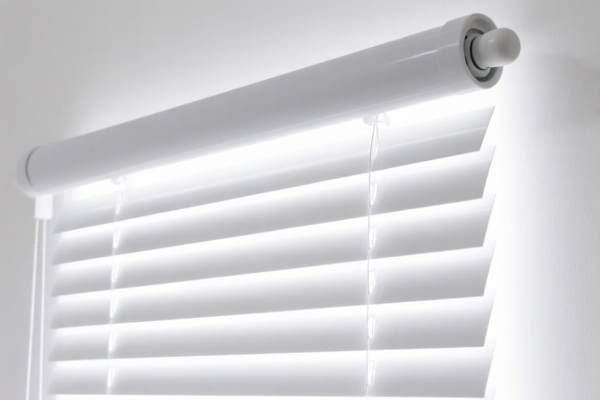
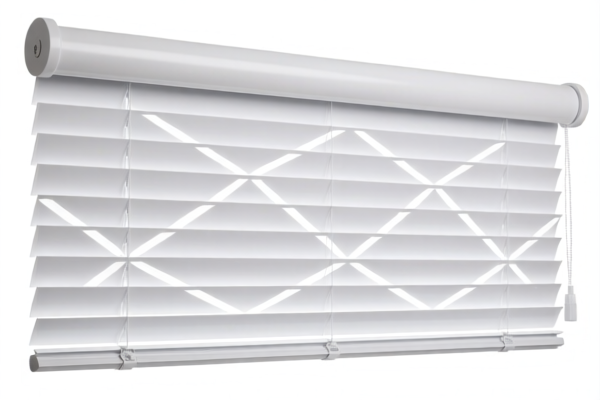
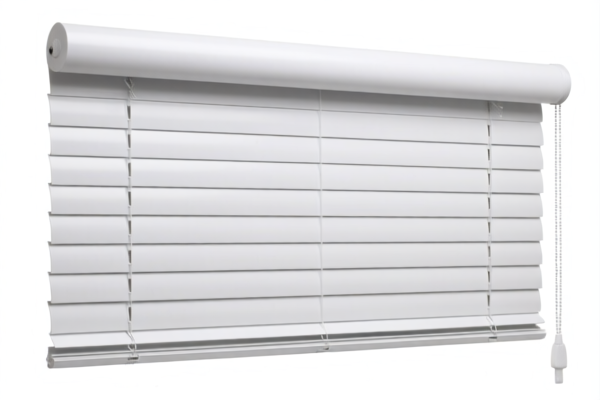
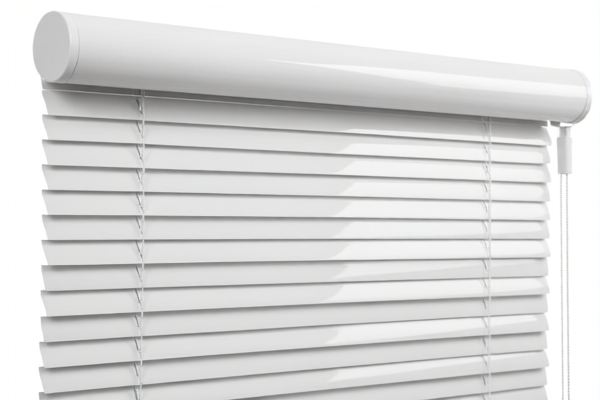
AI分析
🪟 Plastic Geometric Blinds (Plastic Exterior Window Shutters/Louvers)
🌐 HS Code Reference & Clearance Guide | 2026 Latest Tariff Analysis | Professional Customs Strategy
📌 I. Product Definition & Classification: Do You Really Understand "Plastic Blinds"?
Plastic Geometric Blinds (often referred to as plastic exterior window shutters, louvers, or louvered blinds) are architectural accessories made from polymer materials (primarily PVC/Unplasticized Polyvinyl Chloride). Their primary function is to control light, ventilation, and privacy while providing a decorative geometric aesthetic.
In international trade, the classification depends heavily on whether the product is considered a finished window component, a generic building accessory, or a miscellaneous plastic article. The distinction determines the tariff burden significantly due to US trade remedies.
⚠️ Key Classification Criteria:
- Structure & Material: Rigid plastic profiles (PVC), geometric slats, mounting brackets.
- Function: Exterior or interior window covering; architectural attachment.
- Customs Interpretation: Is it a "Window Part" (Ch 3916/3926 specific) or a "General Plastic Article" (Ch 3926)?
📦 II. HS Code Classification Details (2026 Latest Tariff Authoritative Comparison)
Based on the provided data, there are five potential HS codes for "Plastic Geometric Blinds," ranging from highly specific window profiles to generic plastic articles.
| HS Code | Product Description & Logic | Classification Explanation | Risk Level |
|---|---|---|---|
3916.20.00.20 |
Plastic Exterior Window Blinds: Material is plastic, purpose is for windows, fits the definition of PVC polymer profiles for windows. | Classified under Profiles of plastics. The logic is that the blind is treated as a specialized PVC profile used for window construction. | 🟥 High Tax |
3925.30.50.00 |
Plastic Exterior Window Blinds: Material is plastic, form/purpose is blinds, fits the classification of Plastic Building Accessories (blinds). | Classified under Building Accessories. This is a common classification for functional architectural components attached to buildings. | 🟡 Medium Tax |
3925.30.10.00 |
Plastic Exterior Window Blinds: Material is plastic, form/purpose is blinds, classification explanation is completely consistent. | Classified under Building Accessories (Lower Base Rate). This is likely the most favorable valid classification if the "Building Accessory" argument holds and the base rate of 3.3% is applicable. | 🟢 Lowest Tax |
3926.30.50.00 |
Plastic Exterior Window Blinds: Material is plastic, belongs to Window Connections or Components, fits "Other Plastic Articles." | Classified under Furniture/Fittings. Logic: Treated as a component/accessory rather than a building structural accessory. | 🟡 Medium Tax |
3926.90.99.89 |
Plastic Exterior Window Blinds / Blinds Curtain: Material is plastic, belongs to Other Plastic Articles (Catch-all/Dudui). | Classified under Miscellaneous Plastic Articles. This is a fallback category when no specific description fits better. | 🟡 Medium Tax |
🔍 Critical Insight:
- The classification3925.30.10.00offers the lowest base tariff (3.3%) but is risky if customs argues it doesn't meet the specific "Blinds" definition under that subheading.
- The classification3916.20.00.20incurs the highest total tax (40.8%) because it treats the item as a PVC Profile, which often attracts higher scrutiny and additional tariffs.
- Codes3925,3926.30, and3926.90share the same total tax rate (22.8%) in the provided data, implying similar trade remedy applications.
💰 III. 2026 Latest Tariff Rate Breakdown (Including Surcharge & Policy Add-ons)
✅ Applicable Country: United States (US)
✅ Origin: China (CN)
✅ Effective Date: Post-2025 (Current Data reflects current trade war tariffs)
🎯 1. 3916.20.00.20 — PVC Profiles for Windows (Highest Risk)
| Item | Content |
|---|---|
| Base Tariff | 5.8% |
| Section 301 Surcharge | 25.0% |
| Section 122 Tariff | 10.0% |
| Total Rate | 40.8% |
| Tax Calculation | CIF Value × 40.8% |
| De Minimis Exemption | ❌ Not Eligible (Likely due to high tariff rate & Section 301 status) |
| Legal Basis Path | USITC:3916.20.00.20 → Section 301: 25% → Section 122: 10% |
📌 Explanation:
- This code is often triggered if the product is described primarily as "PVC Profiles" rather than "Blinds."
- Total 40.8% makes this the most expensive option. Avoid this classification unless the product is strictly unfinished profiles.
🎯 2. 3925.30.50.00 — Plastic Building Accessories (Blinds)
| Item | Content |
|---|---|
| Base Tariff | 5.3% |
| Section 301 Surcharge | 7.5% |
| Section 122 Tariff | 10.0% |
| Total Rate | 22.8% |
| Tax Calculation | CIF Value × 22.8% |
| De Minimis Exemption | ❌ Not Eligible (Surcharge > 7.5% often disqualifies, check latest CBP rulings) |
| Legal Basis Path | USITC:3925.30.50.00 → Section 301: 7.5% → Section 122: 10% |
📌 Note:
- This is a strong candidate if the product is clearly a finished architectural accessory.
- The base rate (5.3%) is higher than3925.30.10.00but the Section 301 rate is lower (7.5% vs 25%).
🎯 3. 3925.30.10.00 — Plastic Building Accessories (Blinds - Preferred?)
| Item | Content |
|---|---|
| Base Tariff | 3.3% |
| Section 301 Surcharge | 7.5% |
| Section 122 Tariff | 10.0% |
| Total Rate | 20.8% |
| Tax Calculation | CIF Value × 20.8% |
| De Minimis Exemption | ❌ Check Eligibility (Lowest total, but verify Section 301 applicability for this specific sub-subheading) |
| Legal Basis Path | USITC:3925.30.10.00 → Section 301: 7.5% → Section 122: 10% |
📌 Important:
- This is the lowest total tax rate (20.8%) in the dataset.
- Condition: You must prove the product fits the specific definition of "Blinds" under3925.30.10.00. If Customs disagrees, they may shift you to3925.30.50.00(22.8%) or3916(40.8%).
🎯 4. 3926.30.50.00 & 3926.90.99.89 — Other Plastic Articles / Fittings
| Item | Content |
|---|---|
| Base Tariff | 5.3% |
| Section 301 Surcharge | 7.5% |
| Section 122 Tariff | 10.0% |
| Total Rate | 22.8% |
| Tax Calculation | CIF Value × 22.8% |
| De Minimis Exemption | ❌ Not Eligible |
| Legal Basis Path | USITC:3926 Series → Section 301: 7.5% → Section 122: 10% |
📌 Note:
- These codes act as fallbacks.3926.90.99.89is a "catch-all" for plastics not elsewhere specified.
- Use only if3925(Building Accessories) is rejected.
- Identical tax burden to3925.30.50.00(22.8%).
🛠️ IV. Customs Clearance Operational Advice (Practical Pitfall Guide)
✅ 1. Documentation Checklist (Must-Haves)
| Document | Required | Description |
|---|---|---|
| ✅ Product Specification Sheet | ✔️ | Detail material (PVC/Plastic), dimensions, slat count, mounting method. |
| ✅ Technical Drawing | ✔️ | Show geometric structure, confirm it is a "Louver/Blind" and not just a "Profile." |
| ✅ Product Photos | ✔️ | Clear images of the assembled blind, installed on a window, and close-up of slats. |
| ✅ Commercial Invoice | ✔️ | Clearly state: "Plastic Exterior Window Blinds, PVC Material, Geometric Design." |
| ✅ Bill of Lading | ✔️ | Ensure packaging details match invoice. |
| ✅ Origin Certificate | ✔️ | If applicable for any potential exemptions (though unlikely for China origin under current tariffs). |
✅ 2. Declaration Strategy (Key Mantra)
🔥 "Define as Accessory, Not Profile; Specify 'Blinds', Not 'Plastic Part'"
| Scenario | Correct Declaration | Incorrect Practice |
|---|---|---|
| Finished Blinds (assembled, ready to install) | HS 3925.30.10.00 or 3925.30.50.00 | Misdeclare as 3916.20.00.20 → Tax jumps to 40.8% |
| Unfinished Profiles (to be cut/installed later) | HS 3916.20.00.20 | Misdeclare as "Blinds" → Customs re-classes to 3916 → Penalty |
| Generic Plastic Slats (no mounting hardware) | HS 3926.90.99.89 | Misdeclare as "Window" → Customs may argue it's a component |
| Kit with Brackets & Screws | HS 3925.30.xxxx | Split declaration (Hardware + Blinds) → Higher combined duty |
📌 Key Tip:
- Emphasize "Building Accessory" or "Architectural Component" in the description.
- Avoid vague terms like "Plastic Part" or "Plastic Piece."
- If using3925.30.10.00, be prepared to justify why it fits the specific "Blinds" sub-category versus generic accessories.
✅ 3. Special Circumstances Handling
| Situation | Handling Advice |
|---|---|
| OEM Custom Blinds | Provide client orders and design specs to prove "Finished Product" status, avoiding "Profile" classification. |
| Mixed Shipment (Blinds + Hardware) | Declare as a single unit if hardware is for installation only. Split declaration may trigger separate duties for metal/plastic hardware. |
| Dispute on Classification | If Customs challenges 3925 (Building Accessory), argue based on GRI 1 and Chapter 39 Note 1, which includes building fittings. |
| Section 122 Tariff (10%) | Verify if the product is exempt under specific bilateral agreements or if the 122 tariff applies to all plastic building accessories from China. |
🌍 V. Global Market Comparison (2026 Latest)
| Country/Region | Recommended HS Code | Tariff (China Origin) | Certification Req. | Notes |
|---|---|---|---|---|
| 🇺🇸 USA | 3925.30.10.00 / 3925.30.50.00 |
20.8% - 22.8% | No specific cert | High risk of misclassification to 3916 (40.8%). |
| 🇨🇳 China | 3925.30.10.00 |
Low | N/A | Domestic trade benefits from lower base rates. |
| 🇪🇺 EU | 3925.30.00 |
Varies | CE / REACH | EU may classify differently; check specific CN codes. |
| 🇬🇧 UK | 3925.30.00 |
Varies | UKCA | Post-Brexit rules apply; check UK Global Tariff. |
| 🇯🇵 Japan | 3925.30.00 |
Low | PSE (if electrical) | Generally low tariffs for plastic accessories. |
📌 Conclusion:
- The USA is the most critical market due to Section 301 and Section 122 tariffs.
- Avoid3916.20.00.20unless the product is strictly an unprocessed PVC profile.
- Aim for3925.30.10.00for the lowest tax (20.8%), but have3925.30.50.00(22.8%) as a backup.
📌 VI. Common Errors & Pitfalls (Blood & Tears Lessons)
❌ Error 1: Declaring finished blinds as "PVC Profiles" (3916)
👉 Consequence: Tax increases from ~21% to 40.8% → Huge Cost Increase!
❌ Error 2: Declaring blinds as "General Plastic Articles" (3926) without proof
👉 Consequence: Customs may reject it as "Building Accessory" (3925) or reclassify to 3916.
❌ Error 3: Vague Description: "Plastic Window Item"
👉 Consequence: Customs delays for classification review → Port Demurrage Fees!
❌ Error 4: Ignoring Section 122 Tariff
👉 Consequence: Underpaying 10% of CIF value → Back Taxes + Penalties!
✅ Correct Approach:
"Plastic Exterior Window Blinds, PVC Material, Geometric Louver Design, Complete with Mounting Hardware, Finished Product for Architectural Use"
🎯 VII. Conclusion: Professional Declaration, Save Costs, Ensure Smooth Clearance!
🎯 Remember the Mantra:
🔹 "Blinds are Accessories, Not Profiles. 3925 is King, 3916 is King of Pain. 20% is Best, 40% is Worst."
🔹 "Clear Description, Solid Evidence, Avoid the 40.8% Trap!"
📌 Pro Tip:
- Request a Binding Tariff Ruling from US Customs and Border Protection (CBP) before shipping large volumes.
- Ensure your supplier provides detailed technical drawings that highlight the "Blinding/Louver" function.
📣 Immediate Action:
📞 Consult a licensed customs broker.
🚀 Ship Smart, Declare Right, Maximize Profit!
✨ Professional Customs Clearance Starts with Accurate Classification!
💼 Every Percentage Point of Duty Saved is Pure Profit!
用户评价
关于 HS 编码归类
协调制度(HS)是由世界海关组织(WCO)制定的国际贸易商品分类标准。全球 200 多个国家采用 HS 系统作为海关关税、贸易统计和进出口监管的基础。
每个 HS 编码遵循以下层级结构:
- 章(2 位)——商品大类(例如:第 84 章:机器和机械设备)
- 品目(4 位)——章内的更具体分类
- 子目(6 位)——国际通用细分,所有 WCO 成员国统一使用
- 本国细分(8-10 位)——各国自行扩展的细分编码,如美国 HTSUS 10 位编码
正确的 HS 编码归类对于顺利通关、准确缴纳关税和遵守贸易法规至关重要。错误归类可能导致海关延误、多缴关税或罚款。
从CN进口到US时,适用的关税税率可能包括:
- 最惠国(MFN)税率——适用于 WTO 成员国的标准关税税率
- 普通税率——适用于无贸易协定国家
- 贸易救济关税——附加关税,如 301 条款(反倾销)、232 条款(国家安全)或反补贴税
本页内容仅供参考。如需正式归类,请咨询当地海关或持牌报关代理。