Plastic Light Stabilizer Compound
CN → US| HS编码 | 关税税率 | 原产国 | 目的国 | 文档 |
|---|---|---|---|---|
| 3824992900 | 41.5% | CN | US | 官方文档 |
| 3824405000 | 40.0% | CN | US | 官方文档 |
| 3901905501 | 41.5% | CN | US | 官方文档 |
| 3901909000 | 41.5% | CN | US | 官方文档 |
| 2942003500 | 41.5% | CN | US | 官方文档 |
商品图片


AI分析
⚗️ Plastic Light Stabilizer Compound
📦 Chemical Additives for Polymer Protection | 2026 HS Code Classification & US Tariff Strategy
🌐 HS Code Reference & Customs Clearance Guide | 2026 Latest Tariff Analysis | Expert-Level Compliance Strategy
📌 1. Product Definition: What is a "Plastic Light Stabilizer Compound"?
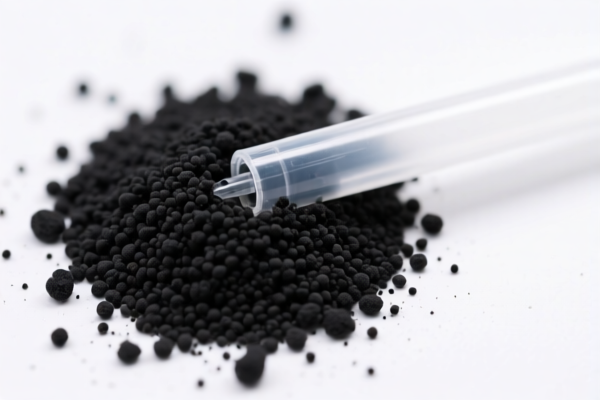
Plastic Light Stabilizers are specialized chemical additives designed to protect polymers (plastics) from degradation caused by ultraviolet (UV) light, heat, and oxygen. A "Compound" implies a mixture of these stabilizers (e.g., HALS, UV absorbers, antioxidants) often blended with carriers or other functional additives to create a ready-to-use formulation for plastic manufacturers.
In international trade, this product falls under Chapter 38 (Miscellaneous Chemical Products) or Chapter 29 (Organic Chemicals), depending on its specific composition and primary function. The key challenge in classification is distinguishing between a generic chemical mixture (Ch 38) and a pure organic compound (Ch 29).
⚠️ Critical Classification Distinction:
- If the product is a mixture/formulation of various stabilizers acting as a functional additive for plastics → It is typically classified under HS 3824 (Prepared binders, chemical products for plastic processing, etc.).
- If the product is a single, defined organic chemical with a specific molecular structure → It may fall under HS 2942 (Organic compounds of undefined or definite composition).
- Misclassification Risk: Declaring a complex mixture as a pure organic chemical (2942) can lead to customs disputes. Conversely, declaring a pure substance as a mixture (3824) might miss specific duty nuances, though both face high US tariffs in this context.
📊 2. HS Code Classification Matrix (2026 Latest Tariff Data)
Based on the provided data <DATA>, here are the potential HS Codes and their corresponding tax structures for Plastic Light Stabilizer Compounds imported into the USA from China.
| HS Code | Product Description Summary | Classification Logic | Total Tax Rate |
|---|---|---|---|
| 3824.99.29.00 | Chemical Preparations: Plastic stabilizer compound, chemical preparation, plastic aid material. | Fits within Chemical Products & Preparations. Recognized as a composite additive for plastic processing. | 41.5% |
| 3824.40.50.00 | Prepared Binders & Additives: Plastic-based composite agent. | Fits Chemical Preparation logic. Specifically targets composite agents used in plastic material formulation. | 40.0% |
| 3901.90.55.01 | Polymers: Ethylene copolymers, polymer raw shape. | High Risk/Alternative: Classifies as a Polymer. Assumes the stabilizer is part of a polymer resin blend or considered a primary polymer shape. | 41.5% |
| 3901.90.90.00 | Polymers: Other ethylene polymers. | High Risk/Alternative: Similar to above, classifies as a generic polymer chemical related to ethylene derivatives. | 41.5% |
| 2942.00.35.00 | Organic Chemicals: Organic compound, chemical form of composite agent. | High Risk/Alternative: Classifies as a specific Organic Compound. Assumes the "compound" is a defined organic molecule rather than a mixture. | 41.5% |
🔍 Key Insight:
- 3824 Codes (3824.99.29.00 & 3824.40.50.00) are the most logically accurate for "Stabilizer Compounds" as they are prepared chemical products/additives, not raw polymers or pure organic chemicals.
- 3901 & 2942 Codes represent alternative or less accurate classifications that might be used if the product is sold as a polymer resin blend or a specific organic molecule. However, they carry the same or higher risk of scrutiny and similar high tax burdens.
💰 3. 2026 US Tariff Rate Breakdown (Detailed)
✅ Applicable Country: United States (US)
✅ Origin: China (CN)
✅ Effective Date: Current trade policies apply (2026 context)
🎯 Scenario A: HS Code 3824.99.29.00 (Most Likely for Compound)
| Item | Detail |
|---|---|
| Base Tariff | 6.5% (General MFN Rate) |
| Section 301 Tariff | 25.0% (Additional duty on Chinese goods) |
| Section 122 Tariff | 10.0% (Specific duty clause, often applied to chemical imports or strategic materials) |
| Total Tax Rate | 41.5% |
| Calculation | CIF Value × 41.5% |
| De Minimis Exemption | ❌ NOT ELIGIBLE (All duties apply) |
| Legal Basis | USHTS 3824.99.29.00 + Section 301 (Footnote) + Section 122 |
📌 Explanation:
- 6.5%: Standard US import duty for "Other prepared binders and other prepared chemicals" (not elsewhere specified).
- 25%: Section 301 tariffs, specifically targeting chemical products and plastics additives from China.
- 10%: Section 122 tariffs, which may apply to specific chemical substances or strategic inputs.
- Total: 41.5%. This is a very high duty rate.
🎯 Scenario B: HS Code 3824.40.50.00 (Prepared Binders/Additives)
| Item | Detail |
|---|---|
| Base Tariff | 5.0% |
| Section 301 Tariff | 25.0% |
| Section 122 Tariff | 10.0% |
| Total Tax Rate | 40.0% |
| Calculation | CIF Value × 40.0% |
| De Minimis Exemption | ❌ NOT ELIGIBLE |
| Legal Basis | USHTS 3824.40.50.00 + Section 301 + Section 122 |
📌 Explanation:
- Slightly lower base rate (5% vs 6.5%) due to specific subheading for "Prepared Binders."
- Total: 40.0%. Still extremely high, but 0.5% savings compared to 3824.99.29.00.
🎯 Scenarios C, D, E: 3901 & 2942 Codes (Polymer/Organic)
| Item | Detail |
|---|---|
| Base Tariff | 6.5% |
| Section 301 Tariff | 25.0% |
| Section 122 Tariff | 10.0% |
| Total Tax Rate | 41.5% |
| Calculation | CIF Value × 41.5% |
| De Minimis Exemption | ❌ NOT ELIGIBLE |
📌 Explanation:
- These codes share the same high tax structure as Scenario A.
- Risk: Customs may challenge these if the product is clearly a "compound" (mixture) rather than a "polymer" or "organic compound," leading to delays and potential penalties.
🛠️ 4. Customs Clearance Best Practices (Avoid Pitfalls)
✅ 1. Documentation Checklist (Non-Negotiable)
| Document | Requirement | Purpose |
|---|---|---|
| ✅ Product Specification Sheet | Must list chemical names, CAS numbers, concentration, and intended use (plastic stabilization). | Proves it's a compound/mixture, not a pure organic chemical. |
| ✅ Safety Data Sheet (SDS) | Must classify the product as non-hazardous or appropriately hazardous. | Required for chemical imports. |
| ✅ Commercial Invoice | Clearly state: "Plastic Light Stabilizer Compound for UV Protection in Polymer Processing." | Avoids vague terms like "Chemical Mix." |
| ✅ Certificate of Origin (CO) | To confirm Chinese origin for Section 301/122 calculation. | Determines applicability of additional tariffs. |
| ✅ Composition Details | Breakdown of stabilizers (e.g., HALS, UV-326, Antioxidant 1010). | Helps Customs verify classification under 3824 (Prepared Chemicals) vs. 2942 (Organic Compounds). |
✅ 2. Classification Strategy (Key Tips)
🔥 "Know Your Chemistry: Compound vs. Pure Substance"
| Scenario | Recommended HS Code | Why? |
|---|---|---|
| Mixture of Stabilizers (e.g., HALS + UV Absorber + Carrier) | 3824.99.29.00 or 3824.40.50.00 | It is a prepared chemical product, not a single organic molecule. |
| Single Pure Organic Molecule (e.g., pure Benzotriazole derivative) | 2942.00.35.00 | It is a defined organic compound, not a mixture. |
| Stabilizer Pre-mixed with Polymer Resin | 3901.90.55.01 or 3901.90.90.00 | The primary character is the polymer, not the additive. |
⚠️ Warning:
- Do NOT declare a mixture as a "Pure Organic Chemical" (2942) to avoid scrutiny. It will be flagged for mismatched SDS and specs.
- Do NOT declare a pure chemical as a "Polymer" (3901) unless it is physically part of a polymer chain.
✅ 3. Special Considerations
| Issue | Solution |
|---|---|
| Section 122 Tariff (10%) | Verify if your specific chemical substance is listed under Section 122. If not, you may save 10%. Check the USITC website for the latest list. |
| Customs Broker Consultation | Always consult a licensed US customs broker before shipping. They can submit a Binding Ruling Request if the classification is ambiguous. |
| Valuation | Ensure CIF value includes insurance, freight, and any royalties/license fees related to the chemical formulation. |
🌍 5. Global Market Comparison (2026)
| Region | Recommended HS Code | Est. Total Duty | Notes |
|---|---|---|---|
| 🇺🇸 USA | 3824.99.29.00 | 41.5% | High due to Section 301 & 122. |
| 🇨🇳 China (Export) | N/A | 0% | Export duty is generally 0% for chemicals. |
| 🇪🇺 EU | 3824.99.99 | ~5-7% | Lower base duty, but VAT applies (19-27%). |
| 🇬🇧 UK | 3824.99.99 | ~5-7% | Post-Brexit tariffs, no Section 301. |
| 🇯🇵 Japan | 3824.99.90 | ~5-6% | No Section 301, but anti-dumping may apply. |
📌 Conclusion:
- USA is the most expensive market due to trade war tariffs.
- EU/UK/Japan offer significantly lower duty rates (~5-7%), making them more attractive for export if demand allows.
📌 6. Common Mistakes & Pitfalls (Learn from Others)
❌ Mistake 1: Declaring "Plastic Additives" as "Plastic Resin" (3901) to lower duty.
👉 Consequence: Customs rejects shipment, demands reclassification, and imposes penalties. Duty remains high or increases.
❌ Mistake 2: Ignoring Section 122 Tariff.
👉 Consequence: You underpay by 10%, leading to back taxes + interest + penalties upon audit.
❌ Mistake 3: Providing vague descriptions like "Chemical Mix."
👉 Consequence: Customs delays shipment for further review, increasing storage costs.
❌ Mistake 4: Not including CAS numbers in documentation.
👉 Consequence: Inability to verify chemical identity, leading to classification errors.
✅ Correct Action:
"Plastic Light Stabilizer Compound, containing HALS and UV Absorbers, for use in Polyethylene Processing. CAS No.: [List CAS Numbers]. SDS Available."
🎯 7. Final Recommendations: Minimize Cost, Maximize Compliance
🎯 Remember This Checklist:
🔹 Classify as 3824 if it’s a mixture of stabilizers.
🔹 Classify as 2942 if it’s a pure organic compound.
🔹 Budget for 40-41.5% Total Duty for US imports from China.
🔹 Always Include CAS Numbers in your commercial invoice and packing list.
🔹 Consult a Customs Broker for a pre-shipment ruling if the product is new or complex.
📌 Pro Tip:
If you have multiple stabilizer products, consider grouping them under a single, well-documented "Master Chemical Specification" to streamline customs clearance and reduce documentation errors.
📣 Immediate Action:
📞 Contact Your Customs Broker today with your product’s SDS and formulation details.
🚀 Request a Binding Ruling from US CBP if the classification is uncertain.
💡 Evaluate Alternative Markets (EU/Asia) if US duties are too high for your business model.
✨ Precision in Chemistry, Precision in Customs.
💼 Every Percent of Duty Saved is Pure Profit.
用户评价
关于 HS 编码归类
协调制度(HS)是由世界海关组织(WCO)制定的国际贸易商品分类标准。全球 200 多个国家采用 HS 系统作为海关关税、贸易统计和进出口监管的基础。
每个 HS 编码遵循以下层级结构:
- 章(2 位)——商品大类(例如:第 84 章:机器和机械设备)
- 品目(4 位)——章内的更具体分类
- 子目(6 位)——国际通用细分,所有 WCO 成员国统一使用
- 本国细分(8-10 位)——各国自行扩展的细分编码,如美国 HTSUS 10 位编码
正确的 HS 编码归类对于顺利通关、准确缴纳关税和遵守贸易法规至关重要。错误归类可能导致海关延误、多缴关税或罚款。
从CN进口到US时,适用的关税税率可能包括:
- 最惠国(MFN)税率——适用于 WTO 成员国的标准关税税率
- 普通税率——适用于无贸易协定国家
- 贸易救济关税——附加关税,如 301 条款(反倾销)、232 条款(国家安全)或反补贴税
本页内容仅供参考。如需正式归类,请咨询当地海关或持牌报关代理。