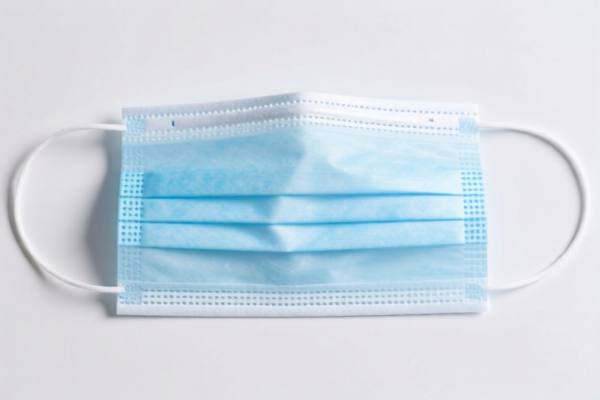
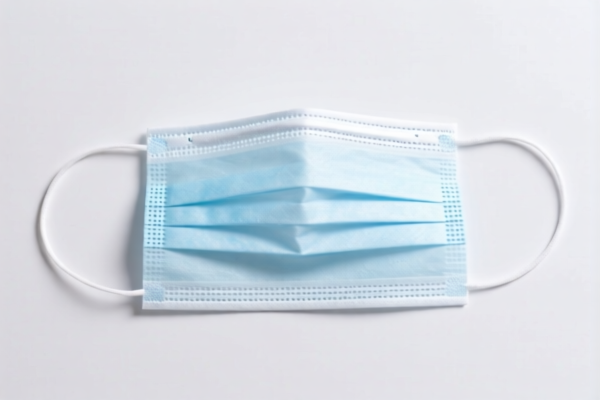
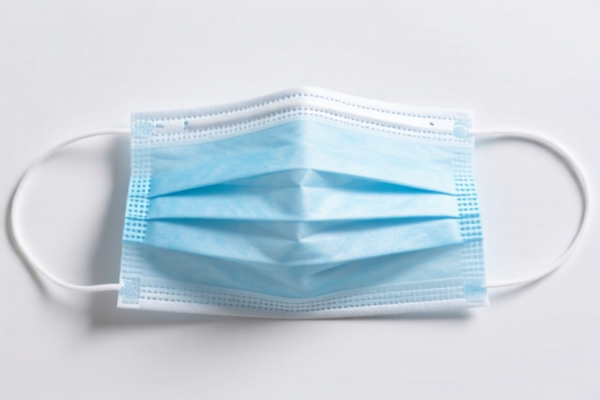
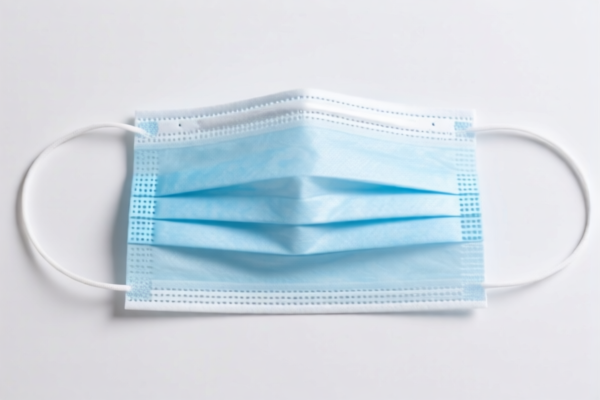
Plastic Medical Mask (Anti fog)
CN → US| HS编码 | 关税税率 | 原产国 | 目的国 | 文档 |
|---|---|---|---|---|
| 3926909950 | 22.8% | CN | US | 官方文档 |
| 6307909842 | 24.5% | CN | US | 官方文档 |
| 6307909870 | 24.5% | CN | US | 官方文档 |
商品图片
AI分析
🛡️ Plastic Medical Mask (Anti-fog)
🌐 HS Code Reference & Customs Clearance Guide | 2026 Latest Tariff Analysis | Professional Clearance Strategy
📌 I. Product Definition & Classification: Do You Really Understand "Plastic Medical Masks"?
A "Plastic Medical Mask (Anti-fog)" is a protective device primarily used in medical, surgical, or healthcare environments to prevent the spread of infectious agents. Unlike fabric masks, these are rigid or semi-rigid plastic structures, often featuring transparent shields to allow visibility of facial expressions while protecting against droplets and splashes. The "anti-fog" feature typically involves specialized coatings or ventilation designs.
In international trade, the classification depends heavily on the specific usage and structural design:
- General Medical Plastic Masks: Loose plastic shields or face covers not strictly designed for filtration (N95 level) but for physical barrier.
- Surgical Masks: Designed for surgical procedures, often meeting specific performance standards.
- General Face Shields/Masks: Broader category for hygiene or anti-fog purposes that don't fit strict medical filtration definitions.
⚠️ Key Distinction Point:
- If it is a loose plastic face shield/mask without strict filtration certification → It often falls under Plastic Articles (Chapter 39) or Miscellaneous Textile/Non-woven Articles (Chapter 63) depending on the exact structure.
- If it is a high-filtration respirator (like N95) with specific respiratory protection claims → It may require different classification, but for standard plastic medical shields, we look at 6307 or 3926.
📦 II. HS Code Classification Details (2026 Latest Tariff Authority Comparison)
| HS Code | Product Description | Usage Scenario | Tax Rate (Total) | Tax Breakdown |
|---|---|---|---|---|
3926.90.99.50 |
Plastic Material Medical Mask – Meets the definition of medical-related plastic products | General medical plastic shields, face covers, anti-droplet barriers | 22.8% | Base Tariff: 5.3% Section 301 Tariff: 7.5% Section 122 Tariff: 10% |
6307.90.98.42 |
Plastic Material Surgical Mask – Fits N95/Mask Usage Definition | Surgical procedures, high-level medical protection, specific surgical masks | 24.5% | Base Tariff: 7.0% Section 301 Tariff: 7.5% Section 122 Tariff: 10% |
6307.90.98.70 |
Plastic Material Medical/Anti-fog Mask – Classified as Other Masks | General anti-fog masks, hygiene masks, non-surgical medical shields | 24.5% | Base Tariff: 7.0% Section 301 Tariff: 7.5% Section 122 Tariff: 10% |
🔍 Key Reminder:
-3926.90.99.50is for masks primarily classified as plastic articles with medical relevance. It has a slightly lower total tax rate (22.8%) due to a lower base tariff (5.3%).
-6307.90.98.42and6307.90.98.70fall under Other Made-up Articles (Chapter 63). They carry a higher base tariff (7.0%) and are used for surgical or general anti-fog masks. The total tax rate is 24.5%.
- Do NOT misclassify: If you declare a surgical mask as a general plastic article, customs may reclassify it, leading to penalties and delays.
💰 III. 2026 Latest Tariff Rate Details (Including Additional Taxes, Policy Add-ons)
✅ Applicable Country: United States (US)
✅ Origin: China (CN)
✅ Effective Date: 2025 November 10 onwards (including subsequent imports)
🎯 1. 3926.90.99.50 —— Plastic Material Medical Mask (Plastic Articles)
| Item | Content |
|---|---|
| Base Tariff | 5.3% (ad valorem) |
| Section 301 Tariff | +7.5% (List 4B China-origin goods) |
| Section 122 Tariff | +10% (Specific medical-related plastic product surcharge) |
| Total Tax Rate | 22.8% |
| Tax Calculation | CIF Value × 22.8% |
| De Minimis Eligibility | ❌ Not Eligible (Medical masks are excluded from de minimis relief) |
| Legal Basis Path | HTSUS:3926.90.99.50 → Section 301: Footnote 9903.88.01 → Section 122: Specific Medical Plastic Surcharge |
📌 Explanation:
- The 22.8% total rate is composed of the base duty (5.3%), Section 301 duties (7.5%), and Section 122 surcharges (10%).
- Section 122 specifically targets certain medical-related plastic products, adding an extra 10%.
- De Minimis (Section 321) does not apply to medical masks, so all shipments, regardless of value, must go through formal entry and pay duties.
🎯 2. 6307.90.98.42 —— Plastic Material Surgical Mask (Surgical/N95 Usage)
| Item | Content |
|---|---|
| Base Tariff | 7.0% (ad valorem) |
| Section 301 Tariff | +7.5% |
| Section 122 Tariff | +10% |
| Total Tax Rate | 24.5% |
| Tax Calculation | CIF Value × 24.5% |
| De Minimis Eligibility | ❌ Not Eligible |
| Legal Basis Path | HTSUS:6307.90.98.42 → Section 301: Footnote 9903.88.01 → Section 122: Specific Medical Plastic Surcharge |
📌 Note:
- This code applies to masks specifically designed for surgical use or meeting N95-like protection definitions.
- The higher base tariff (7.0%) results in a 24.5% total rate, which is 1.7% higher than the plastic article classification.
- Ensure your product documentation explicitly states "Surgical Mask" or "N95 Usage" to justify this code.
🎯 3. 6307.90.98.70 —— Plastic Material Medical/Anti-fog Mask (Other Masks)
| Item | Content |
|---|---|
| Base Tariff | 7.0% (ad valorem) |
| Section 301 Tariff | +7.5% |
| Section 122 Tariff | +10% |
| Total Tax Rate | 24.5% |
| Tax Calculation | CIF Value × 24.5% |
| De Minimis Eligibility | ❌ Not Eligible |
| Legal Basis Path | HTSUS:6307.90.98.70 → Section 301: Footnote 9903.88.01 → Section 122: Specific Medical Plastic Surcharge |
📌 Note:
- This code covers anti-fog masks and other general medical masks that do not strictly fit the "surgical" or "N95" definition but are still in Chapter 63.
- Same tax rate as6307.90.98.42(24.5%).
- Use this if the mask is primarily for anti-fog or general hygiene without specific surgical claims.
🛠️ IV. Customs Clearance Practical Advice (Real-World Pitfall Avoidance Guide)
✅ 1. Required Document Checklist (None Missing)
| Document | Required | Explanation |
|---|---|---|
| ✅ Product Specification Sheet | ✔️ | Must include material (Plastic), type (Surgical/Medical/Anti-fog), and structure |
| ✅ Usage Declaration | ✔️ | Explicitly state "Medical Use", "Surgical", or "Anti-fog" to match HS Code |
| ✅ Product Photos (Clear) | ✔️ | Show the mask shape, transparency, and any anti-fog coating details |
| ✅ CE/FDA/MDR Certification | ✔️ | For medical masks, FDA registration or CE MDR certificate is often requested by customs to verify medical nature |
| ✅ Commercial Invoice | ✔️ | Must clearly state "Plastic Medical Mask" or "Surgical Mask" – not just "Plastic Sheet" |
| ✅ Packing List | ✔️ | Detail quantity and packaging to ensure consistency with invoice |
✅ 2. Declaration Tips (Key Mnemonic)
🔥 “Material Defines Chapter, Usage Defines Sub-heading. Be Specific!”
| Scenario | Correct Declaration | Wrong Practice |
|---|---|---|
| General Plastic Face Shield | 3926.90.99.50 |
Declare as "Textile Mask" → 24.5% + Risk |
| Surgical Mask with N95 Design | 6307.90.98.42 |
Declare as "General Mask" → 24.5% (Correct) but Risk of Rejection if not proven |
| Anti-fog Plastic Mask | 6307.90.98.70 |
Declare as "Plastic Article" → 22.8% (If accepted) or Risk of Reclassification |
| Fabric Cloth Mask | Not in this list | Declaring plastic mask as fabric → 100% Tax & Penalty |
✅ 3. Special Situation Handling
| Situation | Handling Advice |
|---|---|
| OEM Custom Masks | Provide design drawings showing plastic material and medical/anti-fog features. |
| Combined Packaging | If masks are packaged with gloves or gowns, declare them separately. Masks go to 3926 or 6307, gloves to 4015 or 6216. |
| FDA Regulatory | Even if customs clearance is smooth, ensure the product is FDA-registered if marketed for medical use in the US. Customs may request FDA registration numbers. |
| Anti-Fog Claim | If "anti-fog" is a key feature, ensure your specification sheet mentions it. This supports classification under 6307.90.98.70. |
🌍 V. Global Market Comparison (2026 Latest)
| Country/Region | Recommended HS Code | Tariff | Certification Requirement | Notes |
|---|---|---|---|---|
| 🇺🇸 USA | 3926.90.99.50 |
22.8% | FDA (if medical) | Highest tax burden due to Section 301 + 122 |
| 🇨🇳 China | 3926.90.99.50 |
5% | NMPA (if medical) | No Section 301 or 122 surcharges |
| 🇪🇺 EU | 3926.90 |
4.5% | CE MDR (if medical) | No Section 301 or 122 |
| 🇬🇧 UK | 3926.90 |
4.5% | UKCA (if medical) | No Section 301 or 122 |
📌 Conclusion:
- The US has the highest tax burden for plastic medical masks due to Section 301 (7.5%) and Section 122 (10%) surcharges.
- Other markets do not impose these additional tariffs, making the US market significantly more expensive.
- Strategy: Consider pricing adjustments or supply chain diversification if targeting the US market.
📌 VI. Common Mistakes & Pitfalls (Blood & Tears Lessons)
❌ Mistake 1: Declaring a "Plastic Surgical Mask" as a "Plastic Article" to get 22.8% instead of 24.5%.
👉 Consequence: If customs determines it’s a surgical mask, they may reclassify it to 6307.90.98.42 and charge the difference + penalties.
👉 Fix: Use the most accurate code based on product usage. If it’s truly a general plastic mask, use 3926.90.99.50.
❌ Mistake 2: Ignoring the "Anti-fog" claim in the description.
👉 Consequence: Customs may classify it as a standard plastic shield, leading to disputes over whether it qualifies for 6307.90.98.70.
👉 Fix: Clearly state "Anti-fog" in the specification sheet and invoice.
❌ Mistake 3: Assuming De Minimis (Section 321) applies.
👉 Consequence: Medical masks are excluded from De Minimis relief. Trying to ship via e-commerce low-value channels will result in rejection.
👉 Fix: Use formal entry for all shipments.
🎯 VII. Conclusion: Precise Classification, Cost Control, Compliance!
🎯 Remember the Mnemonic:
🔹 “Plastic Medical = 3926 (22.8%), Surgical/Anti-fog = 6307 (24.5%). All Pay Section 301 & 122!”
🔹 “No De Minimis for Masks! Formal Entry Required!”
📌 Pro Tip:
- If your mask is not made in China (e.g., Vietnam, Malaysia), you may avoid Section 301 tariffs.
- Ensure your Certificate of Origin is accurate.
- For medical masks, FDA registration is critical for US market access, even if customs clearance is smooth.
📣 Immediate Action:
📞 Contact a licensed customs broker + Provide product specs + Confirm FDA status
🚀 Ensure your masks are clearly declared, accurately classified, and fully compliant to avoid delays and high costs!
✨ Professional Clearance Starts with Precise Classification!
💼 Every Percent of Tax Matters!
用户评价
关于 HS 编码归类
协调制度(HS)是由世界海关组织(WCO)制定的国际贸易商品分类标准。全球 200 多个国家采用 HS 系统作为海关关税、贸易统计和进出口监管的基础。
每个 HS 编码遵循以下层级结构:
- 章(2 位)——商品大类(例如:第 84 章:机器和机械设备)
- 品目(4 位)——章内的更具体分类
- 子目(6 位)——国际通用细分,所有 WCO 成员国统一使用
- 本国细分(8-10 位)——各国自行扩展的细分编码,如美国 HTSUS 10 位编码
正确的 HS 编码归类对于顺利通关、准确缴纳关税和遵守贸易法规至关重要。错误归类可能导致海关延误、多缴关税或罚款。
从CN进口到US时,适用的关税税率可能包括:
- 最惠国(MFN)税率——适用于 WTO 成员国的标准关税税率
- 普通税率——适用于无贸易协定国家
- 贸易救济关税——附加关税,如 301 条款(反倾销)、232 条款(国家安全)或反补贴税
本页内容仅供参考。如需正式归类,请咨询当地海关或持牌报关代理。