Plastic Paper Coated Hand Bag Container
CN → US| HS编码 | 关税税率 | 原产国 | 目的国 | 文档 |
|---|---|---|---|---|
| 3923210095 | 38.0% | CN | US | 官方文档 |
| 3923210085 | 38.0% | CN | US | 官方文档 |
| 4202999000 | 55.0% | CN | US | 官方文档 |
| 4819400040 | 35.0% | CN | US | 官方文档 |
| 4819400020 | 35.0% | CN | US | 官方文档 |
商品图片
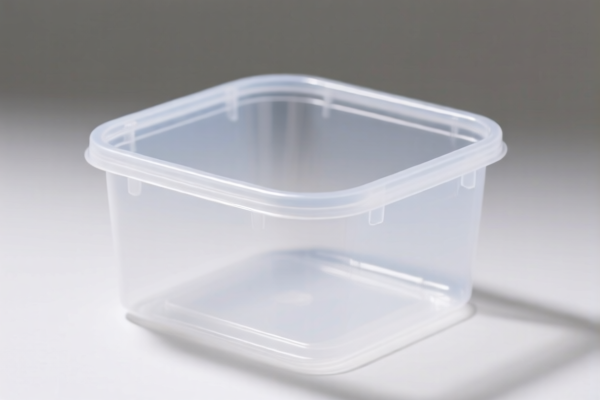
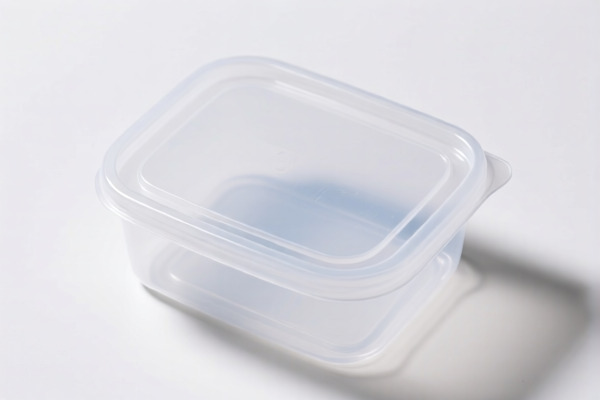
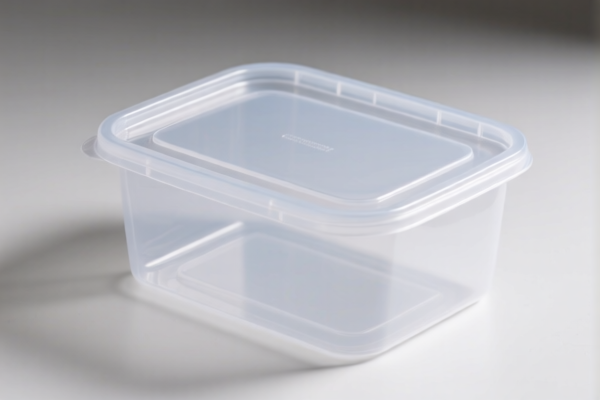
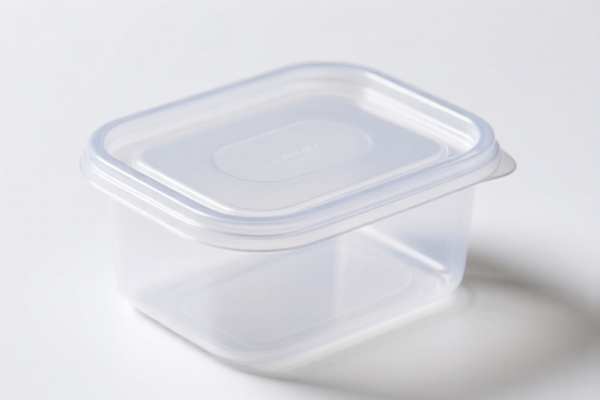
AI分析
🛍️ Plastic Paper Coated Hand Bag Container (塑料纸覆膜手提袋)
🌐 HS Code Reference & Customs Clearance Guide | 2026 Latest Tariff Analysis | Professional Clearance Strategy
📌 I. Product Definition & Classification: What Exactly Is This Item?
A "Plastic Paper Coated Hand Bag" is a versatile packaging container, typically used for retail, promotional, or advertising purposes. The complexity of its classification lies in its composite nature: 1. Material Structure: It is not purely paper nor purely plastic. It usually consists of a paper substrate coated, laminated, or printed with a plastic film (often Polyethylene or PVC) to provide water resistance, durability, and high-quality printing surfaces. 2. Form Factor: It includes handles (plastic, paper, or woven) and is designed for carrying goods. 3. Key Distinction: Customs authorities will determine the classification based on the dominant material or the specific manufacturing process. * If primarily plastic (even if coated on paper) → Chapter 39 (Plastics). * If primarily paper/cardboard with plastic coating → Chapter 48 (Paper/Paperboard). * If made of other textile/plastic materials not elsewhere specified → Chapter 42 (Articles of Leather/Plastic).
⚠️ Critical Classification Trap:
- Misidentifying a paper-based bag as "Plastic" can lead to underpayment of duties (since Paper often has 0% base duty).
- Misidentifying a plastic-based bag as "Paper" can lead to severe penalties and back-taxes.
- US Section 301 & IEEPA tariffs apply heavily here due to the high total tax rates.
📦 II. HS Code Classification Details (2026 Latest Tariff Authority)
Based on the provided data, there are four distinct classification paths depending on the specific composition and marketing intent.
| HS Code | Product Description & Summary | Primary Material | Usage Context |
|---|---|---|---|
| 3923.21.00.95 | Plastic-coated promotional hand bags; material is plastic; form is bag. | Plastic | Promotional items, retail packaging. |
| 3923.21.00.85 | Plastic-coated promotional hand bags; material is Polyethylene; has handles; for retail packaging. | Polyethylene | Specific retail packaging using PE films. |
| 4202.99.90.00 | Plastic-coated advertising hand bags; material is Plastic/Film; form is hand bag container. | Plastic/Film | General advertising/promotional hand bags. |
| 4819.40.00.40 | Plastic-coated advertising hand bags; inferred material is Paper or Paper-Plastic Composite. | Paper/Composite | Promotional bags where paper is the structural base. |
| 4819.40.00.20 | Plastic-coated advertising hand bags; material is Paper/Composite; used for advertising carriage. | Paper/Composite | Advertising carry bags with paper base. |
🔍 Key Differentiator:
- Chapter 39 (3923): If the plastic film is the primary functional layer or the bag is essentially a plastic bag with paper printing/coating.
- Chapter 48 (4819): If the bag is essentially a paper bag that has been laminated/coated with plastic for protection/printing.
- Chapter 42 (4202): If the bag is classified as an "other container" made of plastic materials not covered in 3923, often used for broader "advertising" categorization.
💰 III. 2026 Latest Tariff Rate Breakdown (Including Surcharges)
✅ Applicable Country: United States (US)
✅ Origin: China (CN)
✅ Effective Date: Current US Trade Policy (Section 301 & IEEPA)
All items listed in the data source are subject to high combined tariffs due to China origin. The structure is consistent: Base Duty + Section 301 (25%) + IEEPA Section 122 (10%).
🎯 1. HS Codes 3923.21.00.95 & 3923.21.00.85 (Plastic/Polyethylene Bags)
| Item | Details |
|---|---|
| Base Tariff | 3.0% |
| Section 301 Surcharge | +25.0% |
| IEEPA Section 122 | +10.0% |
| Total Tax Rate | 38.0% |
| Tax Calculation | CIF Value × 38% |
| De Minimis Exemption? | ❌ NO. These are substantial goods, not eligible for $800 de minimis exemption if structured as commercial imports. |
| Legal Basis | USITC:3923.21.00 → Section 301: Footnote 9903.88.01 → IEEPA:9903.01.25 |
📌 Explanation:
- Plastic bags from China face a 38% total landed duty cost.
- Even though the base duty is low (3%), the 35% in surcharges dominates the cost.
- Polyethylene specific codes (...85) do not enjoy lower rates than general plastic codes (...95).
🎯 2. HS Code 4202.99.90.00 (Plastic/Film Advertising Bags)
| Item | Details |
|---|---|
| Base Tariff | 20.0% |
| Section 301 Surcharge | +25.0% |
| IEEPA Section 122 | +10.0% |
| Total Tax Rate | 55.0% |
| Tax Calculation | CIF Value × 55% |
| De Minimis Exemption? | ❌ NO. |
| Legal Basis | USITC:4202.99.90 → Section 301 → IEEPA:9903.01.25 |
📌 Explanation:
- This is the most expensive classification at 55%.
- Using Chapter 42 (Articles of Leather/Plastic) rather than Chapter 39 (Plastics) or 48 (Paper) increases the base duty from 3% to 20%.
- Avoid this code unless the bag is structurally distinct (e.g., rigid plastic container with handles) and cannot be classified as a simple bag under 3923 or 4819.
🎯 3. HS Codes 4819.40.00.40 & 4819.40.00.20 (Paper/Paper-Plastic Composite Bags)
| Item | Details |
|---|---|
| Base Tariff | 0.0% |
| Section 301 Surcharge | +25.0% |
| IEEPA Section 122 | +10.0% |
| Total Tax Rate | 35.0% |
| Tax Calculation | CIF Value × 35% |
| De Minimis Exemption? | ❌ NO. |
| Legal Basis | USITC:4819.40.00 → Section 301 → IEEPA:9903.01.25 |
📌 Explanation:
- Lowest Total Tax among the options at 35% (3% lower than plastic bags).
- Why? The base duty for paper bags is 0%.
- Condition: You must prove the bag is predominantly paper (e.g., cardboard box with plastic laminate, paper grocery bag with plastic coating).
- Risk: If Customs determines the plastic coating is the dominant material, they may reclassify to Chapter 39 (38% tax) + penalties.
🛠️ IV. Customs Clearance Practical Advice (Battle-Tested Pitfall Guide)
✅ 1. Preparation Checklist (Non-Negotiable)
| Document | Required | Explanation |
|---|---|---|
| ✅ Material Composition Statement | ✔️ | Must explicitly state % of Paper vs. Plastic. E.g., "90% Kraft Paper, 10% PE Coating". |
| ✅ Product Photos (Clear) | ✔️ | Show the handle attachment, the coating texture, and any interior lining. |
| ✅ Commercial Invoice | ✔️ | Describe as "Paper Hand Bags with Plastic Coating" for Chapter 48, or "Plastic Bags with Paper Print" for Chapter 39. Consistency is key. |
| ✅ Packing List | ✔️ | Weight and dimensions must match the declared value. |
| ✅ Certificate of Origin | ✔️ | Essential for proving China origin (and thus applying the correct surcharges). |
✅ 2. Declaration Strategy (Key Tips)
🔥 "Know Your Base: Paper Wins on Base Duty, Plastic Wins on Structure"
| Scenario | Recommended HS Code | Reason |
|---|---|---|
| Standard Paper Bag with Plastic Laminate | 4819.40.00.40 or 4819.40.00.20 |
Lowest base duty (0%). Total 35%. |
| Thick Plastic Bag with Paper Printing | 3923.21.00.95 |
Clearly plastic. Total 38%. |
| Premium Rigid Plastic Carry Bag | 4202.99.90.00 |
Only if it doesn't fit Chapter 39 or 48. Total 55%. |
| Bag Made Entirely of PE/Plastic | 3923.21.00.85 |
Specific polyethylene code. Total 38%. |
📌 Warning:
- Do NOT use4819for a bag that is primarily plastic. Customs may audit and issue a Class Action Suit for misdeclaration.
- Do NOT use3923for a bag that is primarily paper. You might save 3% now, but if audited, you lose the 0% base duty benefit and face penalties.
✅ 3. Special Handling Cases
| Situation | Advice |
|---|---|
| Mixed Materials (e.g., Paper bag with Plastic Handles) | If the handle is the main feature, customs might look at Chapter 39. However, if the bag body is >50% paper, 4819 is usually defensible. |
| Promotional Samples (Low Value) | Even if under $800, if shipped as a commercial batch, de minimis may not apply. Check with your freight forwarder. |
| Plastic Film Thickness | Thin film (<0.1mm) often leans toward paper classification. Thick lamination (>0.1mm) leans toward plastic. Document this! |
🌍 V. Global Market Comparison (2026 Latest)
| Country/Region | Recommended HS Code | Tariff (China Origin) | Notes |
|---|---|---|---|
| 🇺🇸 USA | 4819.40.00.40 |
35% | Best option due to 0% base duty. |
| 🇺🇸 USA | 3923.21.00.95 |
38% | Higher tax. Use only if clearly plastic. |
| 🇪🇺 EU | 4819.40 |
~6.5% | No Section 301/IEEPA. Much lower cost. |
| 🇨🇳 China | 4819.40 |
~10-15% | Domestic tariff structure differs. |
📌 Conclusion for US Market:
- The 35% total duty for paper-based bags (4819) is significantly cheaper than the 38% for plastic bags (3923) and 55% for other plastic articles (4202).
- Strategy: If your product allows, engineer the bag to have a paper-dominant structure (e.g., heavy kraft paper with thin plastic lining) to qualify for Chapter 48.
📌 VI. Common Errors & Pitfalls (Blood Lessons)
❌ Error 1: Declaring a Plastic Bag as "Paper Bag" (4819) to save 3%.
👉 Consequence: If the plastic coating is thick or dominant, customs will reclassify to 3923 + penalties + interest.
👉 Fix: Ensure paper is the primary structural material (>50% by weight or function).
❌ Error 2: Using 4202.99.90.00 for a simple hand bag.
👉 Consequence: You pay 55% instead of 35% or 38%. This code is for rigid or special containers, not simple flexible bags.
👉 Fix: Check Chapter 39 or 48 first. Only use 42 if the bag is made of materials not covered in 39/48.
❌ Error 3: Ignoring the "Plastic Paper Coated" nuance.
👉 Consequence: Ambiguous description leads to customs hold.
👉 Fix: Be specific in the commercial invoice: "Paper Hand Bags, Laminated with Polyethylene, for Retail Packaging."
🎯 VII. Conclusion: Smart Classification for Cost Efficiency
🎯 Remember the Golden Rule:
🔹 "Paper Base = 0% Duty Base (35% Total)"
🔹 "Plastic Base = 3% Duty Base (38% Total)"
🔹 "Other Plastic = 20% Duty Base (55% Total)"📌 Actionable Advice:
- If you have control over product design, optimize for Chapter 48 (Paper).
- Provide detailed material specs to your customs broker.
- Never guess the HS Code. Use the description that matches the physical reality of the product.
📣 Immediate Action:
📞 Consult your Customs Broker with photos and material breakdown.
📝 Update your Invoice Descriptions to match the chosen HS Code.
🚀 Save 20% in duties by choosing the right classification!
✨ Professional Clearance Starts with Accurate Classification!
💼 Every Cent Saved is Pure Profit!
用户评价
关于 HS 编码归类
协调制度(HS)是由世界海关组织(WCO)制定的国际贸易商品分类标准。全球 200 多个国家采用 HS 系统作为海关关税、贸易统计和进出口监管的基础。
每个 HS 编码遵循以下层级结构:
- 章(2 位)——商品大类(例如:第 84 章:机器和机械设备)
- 品目(4 位)——章内的更具体分类
- 子目(6 位)——国际通用细分,所有 WCO 成员国统一使用
- 本国细分(8-10 位)——各国自行扩展的细分编码,如美国 HTSUS 10 位编码
正确的 HS 编码归类对于顺利通关、准确缴纳关税和遵守贸易法规至关重要。错误归类可能导致海关延误、多缴关税或罚款。
从CN进口到US时,适用的关税税率可能包括:
- 最惠国(MFN)税率——适用于 WTO 成员国的标准关税税率
- 普通税率——适用于无贸易协定国家
- 贸易救济关税——附加关税,如 301 条款(反倾销)、232 条款(国家安全)或反补贴税
本页内容仅供参考。如需正式归类,请咨询当地海关或持牌报关代理。