Plastic Paper Composite Promotional Handbag
CN → US| HS编码 | 关税税率 | 原产国 | 目的国 | 文档 |
|---|---|---|---|---|
| 3923210085 | 38.0% | CN | US | 官方文档 |
| 3923210095 | 38.0% | CN | US | 官方文档 |
| 4819400040 | 35.0% | CN | US | 官方文档 |
| 4819400020 | 35.0% | CN | US | 官方文档 |
| 3923210085 | 38.0% | CN | US | 官方文档 |
商品图片
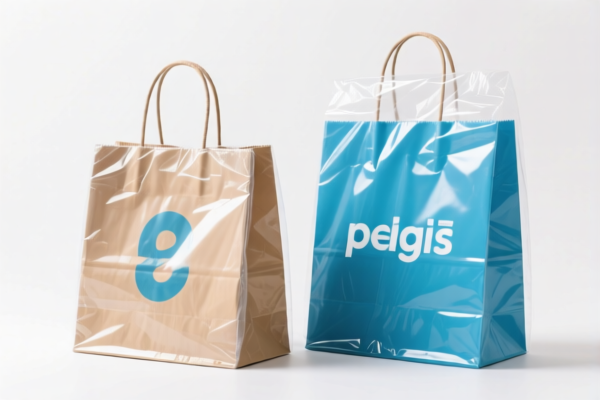
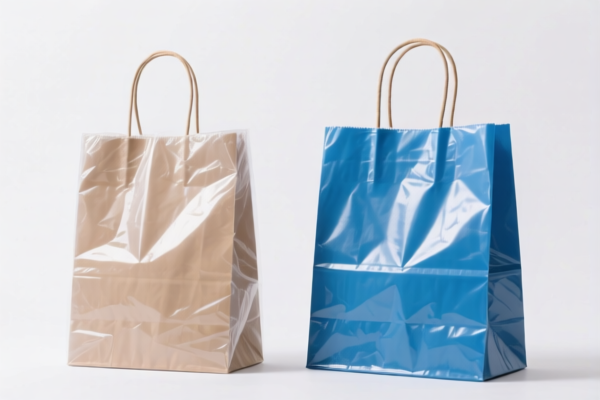
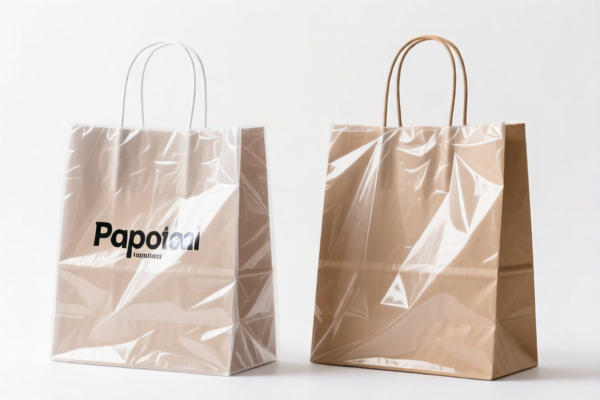
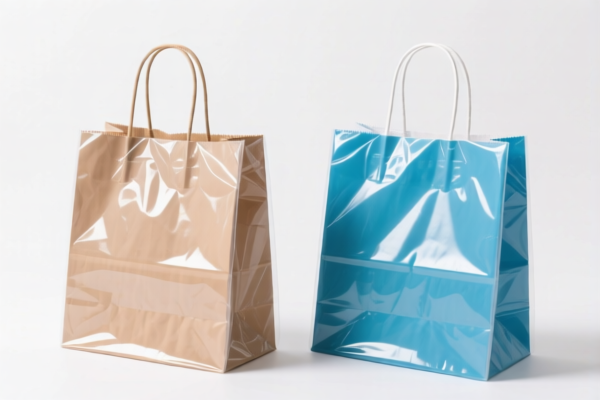
AI分析
🛍️ Plastic Paper Composite Promotional Handbag
🌐 HS Code Reference & Customs Clearance Guide | 2026 Latest Tariff Analysis | Professional Clearance Strategy
📌 I. Product Definition & Classification: Do You Really Know What a "Promotional Handbag" Is?
A Plastic Paper Composite Promotional Handbag is a hybrid packaging solution combining the aesthetic appeal of paper with the durability of plastic. In international trade, the classification hinges heavily on the primary material and structural composition. It falls under the general category of "Sacks and Bags," but is split into two main branches based on whether the bag is predominantly plastic or predominantly paper.
Paper-based Bags with Plastic Coating/Components:
Bags where paper is the main structural element, even if coated with plastic or having plastic handles.
Classification Logic: These often fall under Chapter 48 (Paper) if the paper component gives the bag its essential character, especially if used for advertising or light retail.
Plastic-based Bags:
Bags where plastic film or sheet forms the main body, even if they have a paper-like appearance or composite layers.
Classification Logic: These fall under Chapter 39 (Plastics) if the plastic component gives the bag its essential character.
⚠️ Key Distinction Point:
- If the bag is primarily paper with plastic lamination/coating and used for advertising/promotion → Likely 4819.40.xx
- If the bag is primarily plastic (even with a paper texture or composite layer) and used for retail packaging → Likely 3923.21.xx
- Handles: The presence of handles (gusseted or flat) generally pushes plastic bags into 3923.21 (Sacks and bags, incl. buckets).
📦 II. HS Code Classification Details (2026 Latest Tariff Authority Comparison)
| HS Code | Product Description | Applicable Scenario | Primary Material Character | Total Tax Rate |
|---|---|---|---|---|
4819.40.00.40 |
Paper Bags with Plastic Coating: Handbags made of paper/plastic composite, primarily paper structure, used for advertising/promotional carrying. | Promotional giveaways, light retail, eco-friendly branding | ✅ Paper (Primary) | 35.0% |
4819.40.00.20 |
Plastic-Coated Paper Bags: Handbags where paper is the base, coated with plastic for moisture resistance, used for advertising. | Marketing materials, branded shopping bags with plastic feel | ✅ Paper (Primary) | 35.0% |
3923.21.00.85 |
Plastic Bags with Handles: Retail packaging bags made of plastics (ethylene polymers), often with a paper-like finish or composite, featuring handles. | Supermarket bags, retail packaging, heavy-duty promotional bags | ✅ Plastic (Primary) | 38.0% |
3923.21.00.95 |
Other Plastic Sacks and Bags: Similar to above, covering various forms of plastic bags that do not fit other specific subcategories, fully consistent with plastic bag classification. | General purpose plastic bags with handles, composite plastic bags | ✅ Plastic (Primary) | 38.0% |
🔍 Key Reminder:
- "Plastic Paper Composite" is a tricky term. US Customs (CBP) looks at Essential Character. If the bag feels like plastic, stretches like plastic, and is made primarily of plastic film/lamination, it is Chapter 39.
- If the bag is crinkly, opaque, and clearly paper-based with only a thin plastic layer for strength, it is Chapter 48.
- Promotional Use: Does not change the HS code but is critical for declaring "Advertising Material" which may influence duty-free claims in some jurisdictions (though not in the US for these codes).
💰 III. 2026 Latest Tariff Rate Breakdown (Including Surcharges & Policy Add-ons)
✅ Applicable Country: United States (US)
✅ Country of Origin: China (CN)
✅ Effective Date: November 10, 2025 onwards (including subsequent imports)
🎯 1. 4819.40.00.40 & 4819.40.00.20 —— Paper-Based Promotional Bags
| Item | Content |
|---|---|
| Basic Duty Rate | 0% (ad valorem) Note: Paper bags often enjoy lower base duties |
| Section 301 Surcharge | +25% From USITC Footnote 9903.88.01 |
| IEEPA Surcharge | +10% For China/Hong Kong products, effective Nov 10, 2025 |
| Total Tax Rate | 35.0% |
| Duty Calculation | CIF Value × 35% |
| De Minimis Eligibility | ❌ No (Section 321 exemptions do not apply to Section 301 goods) |
| Legal Authority Path | IEEPA:9903.01.25 → IEEPA:9903.01.24 → USITC:4819.40.xx → FOOTNOTE:9903.88.01 |
📌 Explanation:
- Although the base duty is 0%, the 25% Section 301 tariff and 10% IEEPA tariff make the total 35%.
- This is significantly cheaper than plastic bags (38%) but still substantial.
🎯 2. 3923.21.00.85 & 3923.21.00.95 —— Plastic-Based Promotional Bags
| Item | Content |
|---|---|
| Basic Duty Rate | 3.0% (ad valorem) Standard duty for plastic sacks/bags |
| Section 301 Surcharge | +25% From USITC Footnote 9903.88.01 |
| IEEPA Surcharge | +10% For China/Hong Kong products, effective Nov 10, 2025 |
| Total Tax Rate | 38.0% |
| Duty Calculation | CIF Value × 38% |
| De Minimis Eligibility | ❌ No (Section 321 exemptions do not apply to Section 301 goods) |
| Legal Authority Path | IEEPA:9903.01.25 → IEEPA:9903.01.24 → USITC:3923.21.xx → FOOTNOTE:9903.88.01 |
📌 Explanation:
- Plastic bags start with a 3% base duty, making them inherently more expensive before surcharges.
- With the 25% and 10% surcharges, the total hits 38%.
- Critical Warning: Even if the bag has "paper" in the name, if the customs officer determines it is primarily plastic, you will be assessed 38% instead of 35%. Misclassification can lead to audits and penalties.
🛠️ IV. Customs Clearance Practical Advice (Battle-Tested Pitfall Guide)
✅ 1. Documentation Checklist (Non-negotiable)
| Document | Required | Description |
|---|---|---|
| ✅ Product Specification Sheet | ✔️ | Must detail material composition (e.g., "60% Paper, 40% Plastic Lamination") |
| ✅ Product Photos | ✔️ | Clear shots of the bag’s texture, handle attachment, and any plastic sheen |
| ✅ Commercial Invoice | ✔️ | Clearly state "Promotional Handbag, Paper/Plastic Composite" and HS Code |
| ✅ Packing List | ✔️ | Detail quantity and weight per carton |
| ✅ Certificate of Origin (CO) | ✔️ | Essential for verifying Country of Origin (China) |
| ✅ Material Composition Statement | ✔️ | A signed letter from the manufacturer confirming the primary material |
✅ 2. Declaration Tips (Key Mnemonics)
🔥 "Paper First, Zero Base; Plastic Base, Three Percent. Don't Lie, or You'll Pay More!"
| Scenario | Correct Declaration | Wrong Practice |
|---|---|---|
| Bag is mostly paper with plastic coating | 4819.40.00.40 (35% Total) |
Declare as 3923.21 → 38% (Overpay) |
| Bag is mostly plastic with paper texture | 3923.21.00.85 (38% Total) |
Declare as 4819.40 → Audit Risk (Underpay) |
| Bag is 100% Paper (no plastic) | 4819.10.xx (0% Total) |
Declare as Composite → 35% (Overpay) |
| Bag is 100% Plastic (no paper) | 3923.21.00.85 (38% Total) |
Declare as Composite → 35% (Audit Risk) |
✅ 3. Special Case Handling
| Scenario | Handling Advice |
|---|---|
| OEM Custom Promotional Bags | Provide client order + design proof. Ensure "Advertising Material" is noted but do not rely on duty exemption (US does not exempt these). |
| "Biodegradable" Plastic Bags | Still classified as plastic (3923.21) if made from PLA/PHA. 38% tax applies. Do not claim "Eco-Friendly" for duty reduction. |
| Composite Bags with Non-Woven Fabric | If non-woven fabric is primary, it may fall under 6305.33. Check with CBP for potential lower rates, but often still subject to 301 tariffs. |
| Small Samples (< $800) | ❌ No De Minimis! Section 301 goods are excluded from $800 de minimis exemption (Section 321). You must pay duties even for samples. |
🌍 V. Global Market Comparison for Promotional Bags (2026 Latest)
| Country/Region | Recommended HS Code | Tariff (China Origin) | Certification Requirements | Notes |
|---|---|---|---|---|
| 🇺🇸 USA | 4819.40.00.40 / 3923.21.00.85 |
35% / 38% | None specific | High tariffs due to Section 301 & IEEPA. No de minimis. |
| 🇨🇳 China | 4819.40.00.40 / 3923.21.00.85 |
5-10% (Import Duty) | CCC (if applicable) | Lower import duties, no Section 301 surcharges. |
| 🇪🇺 EU | 4819.40.00.40 / 3923.21.00.85 |
0-6% | CE (if applicable), REACH | No general surcharges. Look for eco-labeling trends. |
| 🇬🇧 UK | 4819.40.00.40 / 3923.21.00.85 |
0-6% | UKCA | Post-Brexit rules apply. |
| 🇯🇵 Japan | 4819.40.00.40 / 3923.21.00.85 |
0-5% | PSE (if electrical, not applicable) | Generally low tariffs. |
📌 Conclusion:
- The US market is the most expensive for these items due to the 35-38% combined tariff.
- EU and Asia offer much better duty-free or low-duty access.
- If selling to the US, consider pricing strategies to absorb the 35-38% cost or source from non-China countries (e.g., Vietnam, India) to avoid Section 301 tariffs.
📌 VI. Common Errors & Pitfalls (Blood-Tested Lessons)
❌ Error 1: Assuming "Promotional" means "Duty-Free"
👉 Consequence: CBP will still assess 35-38%. Advertising use does not exempt goods from Section 301 tariffs.
❌ Error 2: Misclassifying Plastic as Paper to Save 3%
👉 Consequence: If CBP performs a physical inspection and finds high plastic content, you face back duties + penalties + potential fraud charges.
❌ Error 3: Believing Samples Under $800 Are Tax-Free
👉 Consequence: Section 301 goods are EXCLUDED from de minimis. Even 1 sample bag incurs 35-38% duty.
❌ Error 4: Not Specifying "Handles" in Description
👉 Consequence: If the bag has handles, it must be classified under 3923.21 (with handles) or 4819.40 (with handles). Generic "Bag" descriptions may lead to delays.
✅ Correct Declaration Example:
"Promotional Handbag, Composite Material (Paper Base, Plastic Lamination), with Handle, for Advertising Purposes. Country of Origin: China. HS Code: 4819.40.00.40."
🎯 VII. Conclusion: Smart Classification, Maximize Profit!
🎯 Remember the Golden Rules:
🔹 "Paper First? 35%. Plastic First? 38%. No De Minimis for Section 301!"
🔹 "Material Defines Code, Code Defines Cost. One Step Wrong, Thousands Lost!"
🔹 "US Market? Budget for 35-38% Tax. Or Go Global Elsewhere!"
📌 Pro Tip:
If your promotional bags are high-volume, consider:
1. Pre-Ruling: Apply for a Customs Binding Ruling from CBP to confirm the HS Code and avoid audits.
2. Supply Chain Shift: Source from Vietnam or India to bypass the 25% Section 301 tariff, reducing total tax to 0-10% (depending on local trade agreements).
3. Material Optimization: If possible, use 100% Paper (no plastic) to qualify for 0% base duty (though 35% still applies, it’s cleaner). Or use Non-Woven Fabric (6305.33) which may have different duty profiles.
📣 Immediate Action:
📞 Consult a licensed Customs Broker
📸 Submit product photos + material specs
🚀 Secure your margin with accurate classification!
✨ Professional Clearance, Precision Starts Here!
💼 Every Cent Saved is a Cent Earned!
用户评价
关于 HS 编码归类
协调制度(HS)是由世界海关组织(WCO)制定的国际贸易商品分类标准。全球 200 多个国家采用 HS 系统作为海关关税、贸易统计和进出口监管的基础。
每个 HS 编码遵循以下层级结构:
- 章(2 位)——商品大类(例如:第 84 章:机器和机械设备)
- 品目(4 位)——章内的更具体分类
- 子目(6 位)——国际通用细分,所有 WCO 成员国统一使用
- 本国细分(8-10 位)——各国自行扩展的细分编码,如美国 HTSUS 10 位编码
正确的 HS 编码归类对于顺利通关、准确缴纳关税和遵守贸易法规至关重要。错误归类可能导致海关延误、多缴关税或罚款。
从CN进口到US时,适用的关税税率可能包括:
- 最惠国(MFN)税率——适用于 WTO 成员国的标准关税税率
- 普通税率——适用于无贸易协定国家
- 贸易救济关税——附加关税,如 301 条款(反倾销)、232 条款(国家安全)或反补贴税
本页内容仅供参考。如需正式归类,请咨询当地海关或持牌报关代理。