Plastic Paper Laminated Binder
CN → US| HS编码 | 关税税率 | 原产国 | 目的国 | 文档 |
|---|---|---|---|---|
| 3923900080 | 38.0% | CN | US | 官方文档 |
| 3923109000 | 38.0% | CN | US | 官方文档 |
| 4820300040 | 35.0% | CN | US | 官方文档 |
| 3926908700 | 40.3% | CN | US | 官方文档 |
| 3926909989 | 22.8% | CN | US | 官方文档 |
商品图片
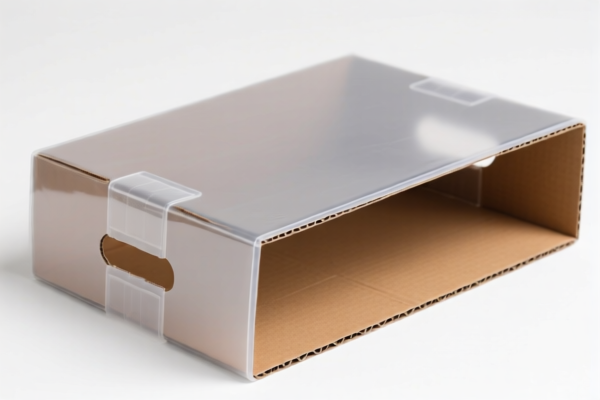
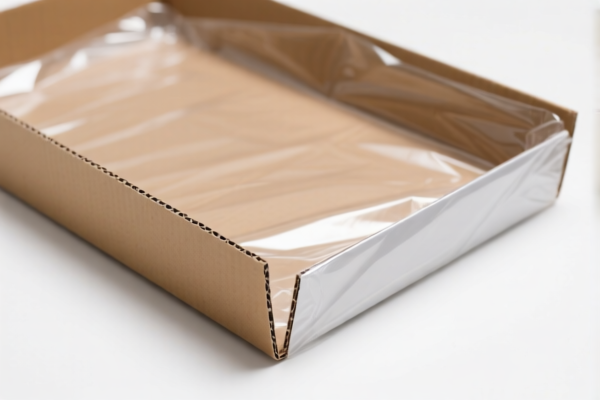
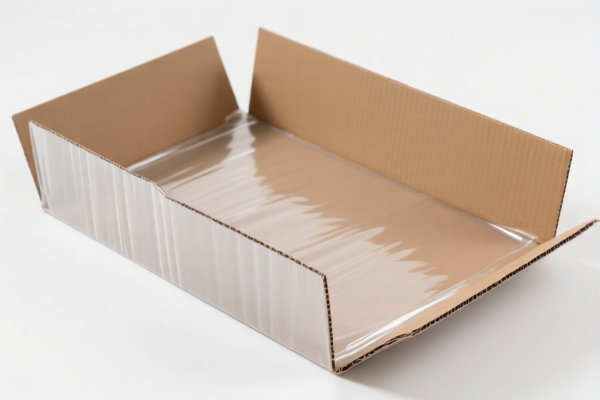
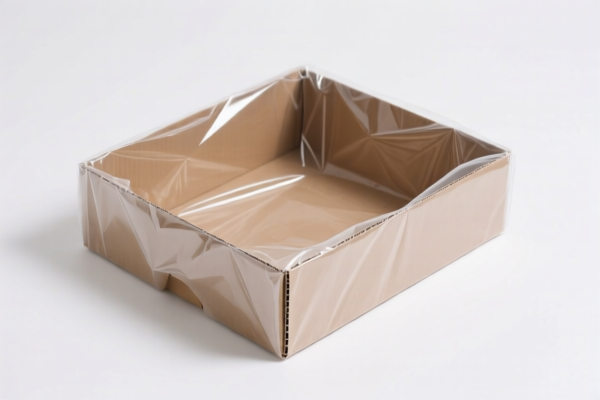
AI分析
📂 Plastic Paper Laminated Binder (塑料纸塑复合文件夹/活页夹)
🌐 HS Code Reference & Customs Clearance Guide | 2026 Latest Tariff Analysis | Professional Entry Strategy
📌 I. Product Definition & Classification: What Exactly Is a "Plastic Paper Laminated Binder"?
A Plastic Paper Laminated Binder is a stationery item made by laminating paper layers with plastic films (such as PP, PVC, or PET). It is primarily used for organizing documents, contracts, and files. In international trade, its classification is critical because it straddles two main chapters: Chapter 39 (Plastics) and Chapter 48 (Paper/Paperboard).
The key distinction lies in the primary character of the item: 1. Plastic-Character Articles: If the plastic coating/lamination is substantial, provides the structural integrity, or the item is broadly categorized as "plastic packing/containing articles," it falls under Chapter 39. 2. Paper-Character Articles: If the paper core is dominant and the plastic is merely a surface finish without altering the fundamental "stationery" nature defined in specific paper headings, it may fall under Chapter 48.
⚠️ Key Classification Point:
- If the binder is considered a "container" or "packaging-like" article made largely of plastic → HS 3923 or 3926.
- If the binder is strictly viewed as a "stationery article" made of paper → HS 4820.
📦 II. HS Code Classification Details (2026 Latest Tariff Authority Comparison)
Based on the provided data, here are the four applicable HS Codes for Plastic Paper Laminated Binders, along with their tax implications.
| HS Code | Product Description | Application Scenario | Total Tax Rate | Tax Details Breakdown |
|---|---|---|---|---|
3923.90.00.80 |
Expanded category of plastic packaging/containing articles; applies to plastic binders. | Treated as a general plastic "container" or storage item. | 38.0% | Base: 3.0% Add-on: 25.0% 122 Clause: 10% |
3923.10.90.00 |
"Other" boxes, cases, sacks, etc., for packing/loading goods; applies to plastic binders. | Treated as a "case" or "folder" for holding documents (packaging function). | 38.0% | Base: 3.0% Add-on: 25.0% 122 Clause: 10% |
4820.30.00.40 |
Other binders excluding loose-leaf binders; applies to plastic binders. | Treated as a paper-based stationery item, despite plastic lamination. | 35.0% | Base: 0.0% Add-on: 25.0% 122 Clause: 10% |
3926.90.87.00 |
Flexible plastic articles; applies to plastic binders. | Classified as a generic flexible plastic good. | 40.3% | Base: 5.3% Add-on: 25.0% 122 Clause: 10% |
3926.90.99.89 |
"Other" plastic articles; applies to plastic binders. | The "catch-all" category for plastic products not specified elsewhere. | 22.8% | Base: 5.3% Add-on: 7.5% 122 Clause: 10% |
🔍 Critical Observation:
- Lowest Tax Rate:3926.90.99.89at 22.8% (due to lower add-on tax of 7.5% vs 25%).
- Highest Tax Rate:3926.90.87.00at 40.3% (highest add-on tax of 25% + higher base).
- Stationery Loophole?:4820.30.00.40offers a 35.0% rate, which is lower than the 38.0% for packaging-style plastics, but higher than the "other plastics" catch-all if the specific "other" classification allows for the reduced 7.5% add-on. Note: The choice depends heavily on customs' interpretation of "Primary Character."
💰 III. 2026 Latest Tariff Rate Breakdown (Including Surtaxes & Policy Add-ons)
✅ Applicable Country: United States (US)
✅ Origin: China (CN)
✅ Effective Date: Post-2025 Policies (Current Status)
🎯 1. 3923.90.00.80 & 3923.10.90.00 — Plastic Packaging/Containing Articles
| Item | Content |
|---|---|
| Base Duty Rate | 3.0% |
| USITC Surtax (Section 301) | +25.0% |
| Section 122 Clause | +10.0% |
| Total Tax Rate | 38.0% |
| Tax Calculation | CIF Value × 38.0% |
| De Minimis Exemption | ❌ Not Applicable (Deny De Minimis for China-origin goods under current enforcement) |
| Legal Basis Path | USITC:3923.90.00.80 → Footnote 9903.88.01 (25%) + IEEPA:9903.01.25 (10%) |
📌 Explanation:
- Customs often classifies rigid plastic folders as "containers" (3923).
- The 25% Section 301 tariff is standard for Chinese plastics.
- The 10% Section 122 applies specifically to certain plastic articles from China.
- High Cost Alert: These are among the more expensive classifications due to the sum of base + 301 + 122.
🎯 2. 4820.30.00.40 — Paper-Based Binders (Non-Loose-Leaf)
| Item | Content |
|---|---|
| Base Duty Rate | 0.0% |
| USITC Surtax (Section 301) | +25.0% |
| Section 122 Clause | +10.0% |
| Total Tax Rate | 35.0% |
| Tax Calculation | CIF Value × 35.0% |
| De Minimis Exemption | ❌ Not Applicable |
| Legal Basis Path | USITC:4820.30.00.40 → Footnote 9903.88.01 (25%) + IEEPA:9903.01.25 (10%) |
📌 Note:
- Even though the base rate is 0%, the add-on taxes bring it to 35%.
- This classification is risky if the plastic lamination is thick, as customs may reclassify it to Chapter 39.
- It is cheaper than 3923 but more expensive than 3926.90.99.89 (see below).
🎯 3. 3926.90.99.89 — Other Plastic Articles (The "Best Rate" Option?)
| Item | Content |
|---|---|
| Base Duty Rate | 5.3% |
| USITC Surtax (Section 301) | +7.5% |
| Section 122 Clause | +10.0% |
| Total Tax Rate | 22.8% |
| Tax Calculation | CIF Value × 22.8% |
| De Minimis Exemption | ❌ Not Applicable |
| Legal Basis Path | USITC:3926.90.99.89 → Footnote 9903.01.24 (7.5%) + IEEPA:9903.01.25 (10%) |
📌 Explanation:
- This is the most tax-efficient classification provided in the data.
- The Section 301 rate is only 7.5% (not 25%) for this specific "other" subheading.
- Crucial Condition: The binder must be defensible as a generic "plastic article" rather than a specific "packaging" or "stationery" item. This requires strong technical documentation showing it doesn't fit neatly into 3923 or 4820.
🎯 4. 3926.90.87.00 — Flexible Plastic Articles
| Item | Content |
|---|---|
| Base Duty Rate | 5.3% |
| USITC Surtax (Section 301) | +25.0% |
| Section 122 Clause | +10.0% |
| Total Tax Rate | 40.3% |
| Tax Calculation | CIF Value × 40.3% |
| De Minimis Exemption | ❌ Not Applicable |
| Legal Basis Path | USITC:3926.90.87.00 → Footnote 9903.88.01 (25%) + IEEPA:9903.01.25 (10%) |
📌 Note:
- Avoid this code if possible. It has the highest total tax rate (40.3%).
- It applies if the customs officer views the binder primarily as a "flexible plastic material" rather than a finished good.
🛠️ IV. Customs Clearance Practical Advice (实战避坑指南)
✅ 1. Preparation Checklist (Must-Haves)
| Document | Required? | Explanation |
|---|---|---|
| ✅ Product Specification Sheet | ✔️ | Must detail material composition (e.g., "Paper core with 0.2mm PP lamination"). |
| ✅ High-Res Photos | ✔️ | Show the binder closed, open, and any brand labels. |
| ✅ Commercial Invoice | ✔️ | Description should be precise: "Plastic Laminated Paper Binder, Stationery Use, No Loose-Leaf Mechanism." |
| ✅ Packing List | ✔️ | Confirm weight and dimensions. |
| ✅ Origin Certificate | ✔️ | If applicable for other markets, though US adds tariffs regardless. |
| ✅ Customs Opinion (Pre-Ruling) | ✔️ | Highly Recommended for HS 3926.90.99.89 to prove it's not "packaging." |
✅ 2. Declaration Strategy (Key Tips)
🔥 “Character is King, Category is Queen. Don’t Call it a Box, Don’t Call it Paper.”
| Scenario | Recommended HS Code | Why? |
|---|---|---|
| Thick Plastic, Rigid Structure | 3923.90.00.80 |
Viewed as a plastic container/case. Safe but expensive (38%). |
| Thin Lamination, Clearly Stationery | 4820.30.00.40 |
Viewed as paper stationery. Moderate cost (35%), but risky if plastic is thick. |
| Generic Plastic Good (Best Rate) | 3926.90.99.89 |
Lowest Tax (22.8%). Requires arguing it doesn’t fit 3923 (packaging) or 4820 (paper). |
| Flexible/Soft Binder | 3926.90.87.00 |
Avoid unless necessary. Highest tax (40.3%). |
📌 Strategic Insight:
- To achieve 22.8% (HS 3926.90.99.89), you must argue that the binder is a "plastic article of general use" and not specifically designed for "packing goods" (3923) nor primarily made of paper (4820).
- Provide technical data showing the plastic layer is integral to the product's durability, making it a plastic good first, stationery second.
✅ 3. Special Considerations
| Situation | Handling Advice |
|---|---|
| OEM Custom Binders | Ensure the design is generic. Custom logo-heavy binders may be scrutinized more. |
| Mixed Materials | If the binder has metal rings/rivets, it might still be classified under plastics if plastic is the main material. |
| De Minimis (Section 321) | ❌ NOT APPLICABLE. Recent policy changes (2025-2026) explicitly deny de minimis entry for Chinese-origin goods in these categories to prevent tariff evasion. |
| Audit Defense | Keep samples. If customs questions the 22.8% rate, show that the item is not used for "shipping/packing" (3923) but for "office organization" (3926/4820). |
🌍 V. Global Market Comparison (2026)
| Country/Region | Recommended HS Code | Est. Tax Rate | Notes |
|---|---|---|---|
| 🇺🇸 USA | 3926.90.99.89 |
22.8% | Best option. Avoid 3923/4820 if possible due to 301/122 clauses. |
| 🇨🇳 China | 4820.30.00.40 |
5-10% | Lower base taxes. Import duty usually 5-8%, no 301/122. |
| 🇪🇺 EU | 3926.90.99 |
0-6% | Check for EPR (Extended Producer Responsibility) compliance for plastics. |
| 🇬🇧 UK | 3926.90.99 |
0-6% | Post-Brexit rules apply. UK EPR may apply to packaging-like items. |
📌 Conclusion:
- USA is the most complex market due to the layering of Base + 301 + 122 tariffs.
- Choice of HS Code directly impacts profitability. Saving 15% in tax rate (22.8% vs 38.0%) is significant for low-margin stationery.
📌 VI. Common Errors & Pitfalls (Blood & Tears Lessons)
❌ Error 1: Declaring as 4820.30.00.40 when the plastic layer is >50% by weight.
👉 Result: Customs reclassifies to 3923 or 3926, adds back duty + penalties.
❌ Error 2: Using 3923.90.00.80 for a simple file folder.
👉 Result: Overpaying tax. You are paying 38% when you could have paid 22.8% by correctly classifying as "Other Plastic Article."
❌ Error 3: Assuming De Minimis applies.
👉 Result: Package seized, held, or returned. Chinese plastic stationery is explicitly excluded from recent de minimis exemptions.
✅ Correct Declaration Example:
"Plastic Laminated Paper Binder, Model XYZ, 10 Sheets, Office Stationery, Not for Commercial Packaging, Plastic Content: 60%, Paper Content: 40%. HS: 3926.90.99.89"
🎯 VII. Conclusion: Professional Classification, Cost Optimization
🎯 Remember the Golden Rule:
🔹 "If it's plastic, think 3926.99 (22.8%). If it's paper, think 4820 (35%). If it's packaging, think 3923 (38%). Avoid 3926.87 (40.3%)."
🔹 "The 7.5% Section 301 rate for 3926.99 is your secret weapon."
📌 Pro Tip:
- If you are importing large volumes, apply for a Binding Ruling with US Customs and Border Protection (CBP) to legally secure the 22.8% rate for
3926.90.99.89.- This provides legal certainty and protects you from audits for the next 5 years.
📣 Action Plan:
📞 Contact Customs Broker: Share product photos and material breakdown.
📄 Request Pre-Ruling: Aim for3926.90.99.89to minimize duties.
🚀 Optimize Landed Cost: Save up to 15.2% in taxes by choosing the right HS Code.
✨ Precision in Classification Saves Dollars!
💼 Don't let tariff confusion eat your margin.
用户评价
关于 HS 编码归类
协调制度(HS)是由世界海关组织(WCO)制定的国际贸易商品分类标准。全球 200 多个国家采用 HS 系统作为海关关税、贸易统计和进出口监管的基础。
每个 HS 编码遵循以下层级结构:
- 章(2 位)——商品大类(例如:第 84 章:机器和机械设备)
- 品目(4 位)——章内的更具体分类
- 子目(6 位)——国际通用细分,所有 WCO 成员国统一使用
- 本国细分(8-10 位)——各国自行扩展的细分编码,如美国 HTSUS 10 位编码
正确的 HS 编码归类对于顺利通关、准确缴纳关税和遵守贸易法规至关重要。错误归类可能导致海关延误、多缴关税或罚款。
从CN进口到US时,适用的关税税率可能包括:
- 最惠国(MFN)税率——适用于 WTO 成员国的标准关税税率
- 普通税率——适用于无贸易协定国家
- 贸易救济关税——附加关税,如 301 条款(反倾销)、232 条款(国家安全)或反补贴税
本页内容仅供参考。如需正式归类,请咨询当地海关或持牌报关代理。