Plastic Partition Curtain
CN → US| HS编码 | 关税税率 | 原产国 | 目的国 | 文档 |
|---|---|---|---|---|
| 6303922010 | 28.8% | CN | US | 官方文档 |
| 6303922030 | 28.8% | CN | US | 官方文档 |
| 5903102090 | 35.0% | CN | US | 官方文档 |
| 5903102010 | 35.0% | CN | US | 官方文档 |
商品图片
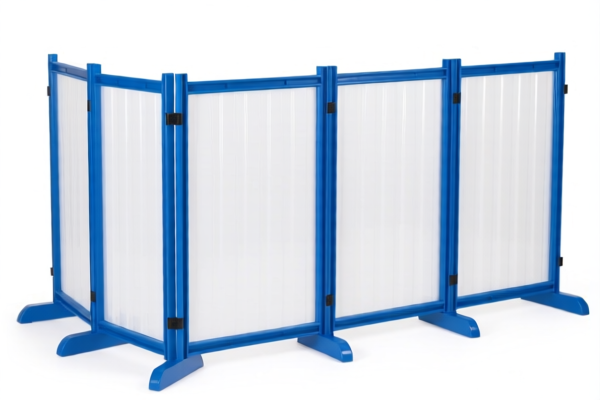
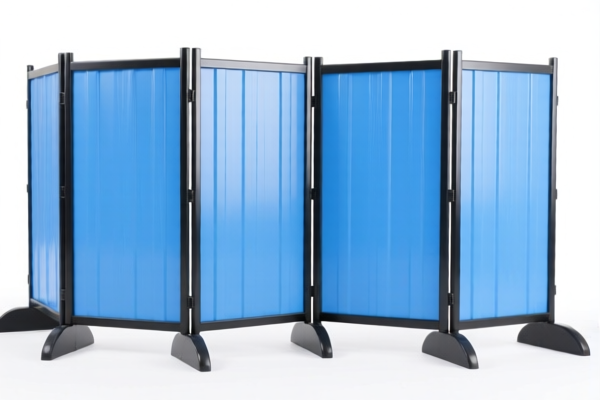
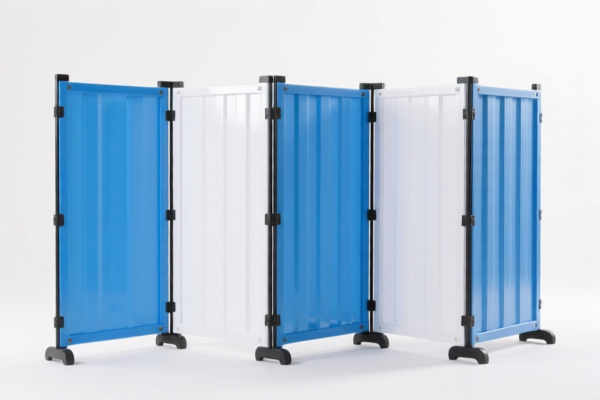
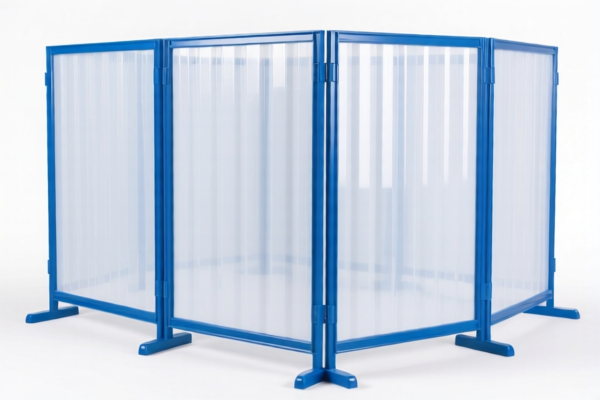
AI分析
🚗 Car Partition Curtain (Automotive Privacy Screen)
🌐 HS Code Reference & Customs Clearance Guide | 2026 Latest Tariff Analysis | Professional Clearance Strategy
📌 I. Product Definition & Classification: What Exactly is a "Plastic Partition Curtain"?
A Car Partition Curtain (also known as an automotive privacy screen, partition glass, or inter-cabin divider) is a functional component installed in vehicles (typically vans, SUVs, or luxury sedans) to create a physical and visual barrier between the driver/passenger area and the cargo/rear seat area.
In international trade, its classification depends heavily on its material composition and primary function:
Type A: Textile/Fabric Based
- Made from synthetic fibers (polyester, nylon) often with blackout properties.
- Function: Privacy, light blockage, and sound insulation.
- Classification Logic: Treated as "Curtains" (Chapter 63).
Type B: Plastic-Coated/Impregnated Fabric
- Fabric base with PVC or other plastic coating/impregnation.
- Function: Durability, waterproofing, and structure.
- Classification Logic: Treated as "Textile Fabrics Impregnated/Coated with Plastic" (Chapter 59).
⚠️ Critical Distinction:
- If it is purely fabric (even if "blackout") → Go to Chapter 63 (Curtains).
- If it has significant plastic coating/impregnation that gives it its essential character → Go to Chapter 59 (Plastic-Coated Textiles).
- Do NOT classify as "Vehicle Parts" (Chapter 87) unless it is an integral structural glass/plastic pane permanently attached to the chassis frame. Flexible curtains are generally textiles.
📦 II. HS Code Classification Details (2026 Latest Tariff Alignment)
Based on the provided data, there are four potential HS Codes depending on the precise material construction.
| HS Code | Product Description | Application Scenario | Key Material Characteristic |
|---|---|---|---|
6303.92.20.10 |
Other curtains & drapes; synthetic fiber based | General automotive privacy curtains; blackout fabric | ✅ Synthetic Fibers (No heavy plastic coating) |
6303.92.20.30 |
Other curtains & drapes; synthetic fiber based | High-end blackout partition screens | ✅ Synthetic Fibers (Other category) |
5903.10.20.90 |
Textile fabrics impregnated/coated with PVC | Durable, rigid partition screens with plastic backing | ✅ PVC Coated/Impregnated (Other) |
5903.10.20.10 |
Textile fabrics impregnated/coated with PVC | Standard plastic-coated partition materials | ✅ PVC Coated/Impregnated (Specific) |
🔍 Key Reminder:
- Chapter 63 (6303.92.20.x): Applies if the product is fundamentally a "curtain" made of synthetic fabric. The "plastic" in the user input might refer to the header (plastic rod pocket) or minor components, but if the main body is fabric, this is the safer, often lower-tax route. - Chapter 59 (5903.10.20.x): Applies if the fabric is heavily coated/impregnated with PVC, making it look/feel like a plastic sheet rather than a cloth. This is a "catch-all" for plastic-textile hybrids.
💰 III. 2026 Latest Tariff Rate Breakdown (Including Additional Taxes & Policy Surcharges)
✅ Applicable Country: United States (US)
✅ Origin: China (CN)
✅ Effective Time: 2025+ (Current Trade Environment)
🎯 1. 6303.92.20.10 & 6303.92.20.30 —— Synthetic Fiber Curtains (Chapter 63)
These two codes share the same tax structure in the provided data. They are classified as curtains made of synthetic fibers.
| Item | Details |
|---|---|
| Base Tariff | 11.3% (Ad Valorem) |
| Section 301 Additional Tariff | +7.5% (Specific rate for this subheading) |
| Section 122 Tariff | +10% (New policy surcharge for certain textile/apparel goods) |
| Total Tariff Rate | 28.8% |
| Tax Calculation | CIF Value × 28.8% |
| De Minimis Exemption | ❌ Not Applicable (Value exceeds $800 threshold for commercial goods) |
| Legal Basis Path | HTSUS:6303.92 → USITC:6303.92.20.10/30 → Trade Policy: Section 301 + 122 |
📌 Explanation:
- Base (11.3%): Standard MFN rate for synthetic curtains. - Section 301 (7.5%): A specific additional duty applied to certain textile curtains from China under the 301 investigation. - Section 122 (10%): A new tariff clause targeting specific textile and apparel imports to protect domestic manufacturing. - Total (28.8%): A significant burden. Importers must ensure the "Curtain" classification is accurate. If misclassified as a generic textile part, penalties may apply.
🎯 2. 5903.10.20.90 & 5903.10.20.10 —— Plastic-Coated Textile Fabrics (Chapter 59)
These codes classify the product as a fabric impregnated or coated with PVC (or other plastics). This often triggers higher base tariffs but may have different additional tax structures.
| Item | Details |
|---|---|
| Base Tariff | 0.0% (Ad Valorem) |
| Section 301 Additional Tariff | +25.0% (Standard 301 rate for Chapter 59 items) |
| Section 122 Tariff | +10% (Applies to textile-related goods) |
| Total Tariff Rate | 35.0% |
| Tax Calculation | CIF Value × 35.0% |
| De Minimis Exemption | ❌ Not Applicable |
| Legal Basis Path | HTSUS:5903.10 → USITC:5903.10.20.10/90 → Trade Policy: Section 301 + 122 |
📌 Explanation:
- Base (0%): PVC-coated fabrics often have a low base duty in the US. - Section 301 (25%): A much higher additional duty compared to Chapter 63 curtains. - Section 122 (10%): Still applies because it is a textile product. - Total (35.0%): Higher than Chapter 63 options! Even though the base is 0%, the 25% Section 301 surcharge makes this code more expensive than the curtain classification.
🛠️ IV. Customs Clearance Practical Advice (Real-World Pitfall Avoidance)
✅ 1. Documentation Checklist (Mandatory)
| Document | Required? | Notes |
|---|---|---|
| ✅ Product Specification Sheet | ✔️ | Must detail: Material (e.g., 100% Polyester vs. PVC-Coated Polyester), Dimensions, Weight. |
| ✅ Material Composition Label | ✔️ | Crucial for deciding between Ch. 63 (Fabric) and Ch. 59 (Coated). If PVC coating is >50% by weight, Ch. 59 is likely. |
| ✅ Commercial Invoice | ✔️ | Description: "Automotive Partition Curtain, Synthetic Fiber, Blackout." Avoid vague terms like "Plastic Part." |
| ✅ Product Photos | ✔️ | Show flexibility (for curtains) vs. rigidity (for coated fabrics). Show mounting hardware (plastic rods/velcro) as accessories. |
| ✅ Certificate of Origin (CO) | ✔️ | Required for determining Section 301 applicability. |
✅ 2. Declaration Strategy (Key Mantra)
🔥 "Fabric First, Coating Second; Curtain Name, Lower Rate!"
| Scenario | Recommended HS Code | Reason | Risk |
|---|---|---|---|
| Soft, Flexible Curtain (Polyester, Blackout) | 6303.92.20.10 / .30 |
Classifies as "Curtain." Lower total tax (28.8%). | Low risk if material is >80% fiber. |
| Rigid, Plastic-Like Screen (PVC-Coated) | 5903.10.20.10 / .90 |
Classifies as "Coated Fabric." Higher tax (35.0%). | Higher tax cost. Justify with material tests if possible. |
| Mixed Material (Fabric + Plastic Header) | 6303.92.20.10 |
Plastic header is minor component. Essential character is fabric. | Preferred Strategy to save ~6.2% in duty. |
⚠️ Warning:
- Do not declare as "Vehicle Part" (e.g., 8708.99) without strong justification. If it's a flexible curtain, customs will likely reject this and reclassify it as textile, potentially penalizing for incorrect classification. - Section 122 (10%) is a new clause. Ensure your customs broker is updated on its application to textile goods.
✅ 3. Special Circumstances
| Situation | Handling Advice |
|---|---|
| OEM Custom Curtains | Provide client design specs. If the client specifies "PVC-Coated Fabric," you may be forced into Chapter 59. Negotiate material specs to favor "Blackout Polyester" if possible. |
| Shipping with Mounting Hardware | Declare hardware separately if possible, or include in the curtain value. Do not split excessively. |
| Pre-Cut Panels | If cut to size, still falls under "Curtains" if intended for that use. |
🌍 V. Global Market Comparison (2026 Outlook)
| Country/Region | Recommended HS Code | Tariff (China Origin) | Certification | Notes |
|---|---|---|---|---|
| 🇺🇸 USA | 6303.92.20.10 |
28.8% (Total) | None specific | Section 122 & 301 apply. Avoid Ch. 59 (35%). |
| 🇪🇺 EU | 6303.92 | 12% (approx.) | CE (if applicable) | No Section 301/122 equivalent. Lower base tax. |
| 🇨🇳 China | 6303.92 | 15% (Import) | N/A | High import duty for domestic consumption. |
| 🇬🇧 UK | 6303.92 | 12% | UKCA | Post-Brexit rules apply. |
📌 Conclusion:
- USA is the most expensive market due to Section 301 and Section 122 tariffs.
- Chapter 63 (Curtains) is the optimal classification for most flexible car partition screens to minimize the total tariff burden (28.8% vs. 35.0%).
📌 VI. Common Errors & Pitfalls (Blood & Tears Lessons)
❌ Error 1: Declaring as "Plastic Sheet" (Ch. 39)
👉 Consequence: Customs will reclassify as textile (Ch. 63/59) because the essential character is likely fabric. Result: Delay + Penalties + Back Tax.
❌ Error 2: Ignoring Section 122 (10%)
👉 Consequence: If the goods fall under the specific textile categories targeted by Section 122, failing to declare this leads to underpayment and potential seizure.
❌ Error 3: Misclassifying as "Vehicle Accessory" (8708)
👉 Consequence: Even if it's 0% base duty, if it's not an integral part of the vehicle chassis, it's a Classification Error. Customs may impose a penalty equal to the correct tax + interest.
✅ Correct Practice:
"Automotive Privacy Curtain, 100% Polyester Blackout Fabric, with Velcro Mounting, Model XYZ, For SUV Rear Cabin."
🎯 VII. Conclusion: Precision Classification for Cost Savings
🎯 Key Takeaway:
🔹 "If it flaps, it's a curtain (6303); if it crinkles like plastic, it's coated (5903)."
🔹 "Total Tax Comparison: 28.8% (Ch. 63) vs. 35.0% (Ch. 59). Choose Ch. 63 if material allows!"
📌 Pro Tip:
- Conduct a material analysis (weight of coating vs. fabric). If the fabric component is dominant, insist on Chapter 63.
- Apply for an Advance Ruling from US Customs (CBP) if the shipment value is high. This provides legal certainty and protects against post-clearance audits.
📣 Immediate Action:
📞 Contact your customs broker with the exact material composition (fiber percentage, coating type).
🚀 Declare accurately as "Automotive Curtain, Synthetic Fiber" to leverage the 28.8% rate.
💼 Save 6.2% in duties by choosing the right HS Code!
✨ Professional Clearance Starts with Accurate Classification!
💼 Every Percent Counts in International Trade!
用户评价
关于 HS 编码归类
协调制度(HS)是由世界海关组织(WCO)制定的国际贸易商品分类标准。全球 200 多个国家采用 HS 系统作为海关关税、贸易统计和进出口监管的基础。
每个 HS 编码遵循以下层级结构:
- 章(2 位)——商品大类(例如:第 84 章:机器和机械设备)
- 品目(4 位)——章内的更具体分类
- 子目(6 位)——国际通用细分,所有 WCO 成员国统一使用
- 本国细分(8-10 位)——各国自行扩展的细分编码,如美国 HTSUS 10 位编码
正确的 HS 编码归类对于顺利通关、准确缴纳关税和遵守贸易法规至关重要。错误归类可能导致海关延误、多缴关税或罚款。
从CN进口到US时,适用的关税税率可能包括:
- 最惠国(MFN)税率——适用于 WTO 成员国的标准关税税率
- 普通税率——适用于无贸易协定国家
- 贸易救济关税——附加关税,如 301 条款(反倾销)、232 条款(国家安全)或反补贴税
本页内容仅供参考。如需正式归类,请咨询当地海关或持牌报关代理。