Plastic Printed Curtains
CN → US| HS编码 | 关税税率 | 原产国 | 目的国 | 文档 |
|---|---|---|---|---|
| 5903102090 | 35.0% | CN | US | 官方文档 |
| 3920991000 | 41.0% | CN | US | 官方文档 |
| 3926909989 | 22.8% | CN | US | 官方文档 |
| 3920995000 | 40.8% | CN | US | 官方文档 |
| 3925200020 | 22.8% | CN | US | 官方文档 |
商品图片
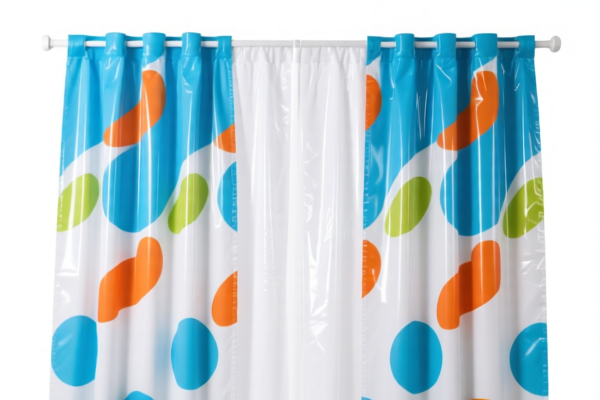
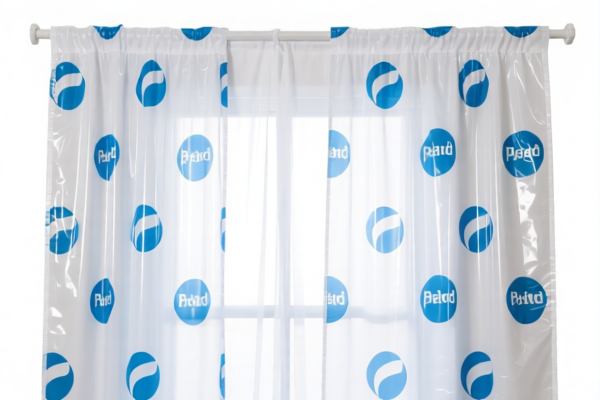
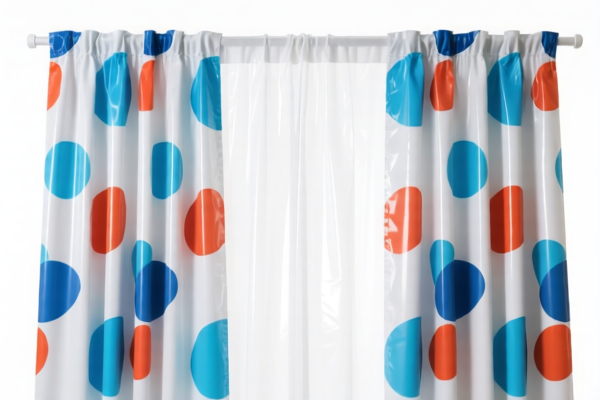
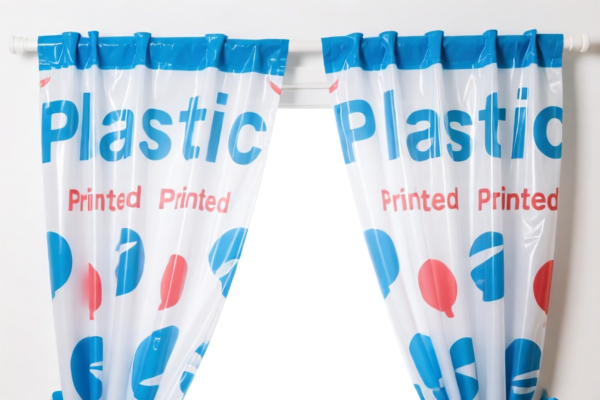
AI分析
🎨 Plastic Printed Curtains (Venetian Blinds / Plastic Window Coverings)
🌐 HS Code Reference & Customs Clearance Guide | 2026 Latest Tariff Analysis | Professional Clearance Strategy
📌 I. Product Definition & Classification: Do You Really Understand "Plastic Curtains"?
Plastic printed curtains, often referred to as Venetian blinds or plastic window films in trade, are functional home furnishing items made from polymeric materials. In international trade, their classification depends heavily on their physical form, structural composition, and final application.
They are generally categorized into three distinct types based on HS Code logic:
- Finished Goods (Curtains): Finished products ready for hanging/installation, classified under "Curtains" or "Blinds" chapters.
- Raw Materials (Plastics Sheets/Films): Plastic panels, films, or foils in sheet form, potentially layered, not yet assembled into curtain mechanisms.
- Finished Hardware (Plastic Windows): If the product is rigid and acts as a window frame/shutter rather than a flexible curtain.
⚠️ Key Distinction Point:
- If it is a finished blind/curtain with strings/mechanism but made of coated fabric → 5903.10.20.90
- If it is a rigid plastic sheet/blind (Venetian style) → 3920.99.10.00 / 3920.99.50.00
- If it is a general plastic accessory/part → 3926.90.99.89
- If it is a rigid plastic window shutter → 3925.20.00.20
📦 II. HS Code Classification Details (2026 Latest Tariff Authority Comparison)
Based on the provided data <DATA>, here are the specific HS Codes for "Plastic Printed Curtains" and their logical explanations:
| HS Code | Product Description | Application Scenario | Key Classification Logic |
|---|---|---|---|
5903.10.20.90 |
Plastic Curtains, Material: Plastic, Form: Curtains, Category: Plastic-coated/impregnated fabric. | Finished Venetian blinds made from PVC-coated fabric or synthetic textile. | ✅ Finished Good: Classified as "Textiles/Curtains" because the primary value is in the curtain form made of coated fabric. |
3920.99.10.00 |
Plastic Venetian Blinds, Material: Plastic, Form: Sheets/Foils/Strips, Category: Composite/Laminated structure. | Rigid plastic slats or blinds that are laminated or printed, viewed as plastic sheets rather than finished textiles. | ✅ Raw Material/Component: Classified as "Plastic Sheets" because the product is essentially a formed plastic sheet with no textile backing. |
3926.90.99.89 |
Plastic Venetian Blinds, Material: Plastic, Form: Specific Application Part, Category: Other Plastic Articles. | Plastic blind components or finished blinds that don't fit neatly into "sheets" or "windows," treated as general plastic goods. | ✅ General Plastic Article: A "catch-all" for plastic items that are finished goods but not specifically defined as sheets or windows. |
3920.99.50.00 |
Plastic Venetian Blinds, Material: Plastic, Form: Sheets/Foils/Strips, Category: Other Plastic Products. | Similar to 3920.99.10.00, but potentially different lamination or specific plastic sub-type, still viewed as sheet material. | ✅ Raw Material/Component: Again, classified as a plastic sheet/film product due to its form and lack of textile structure. |
3925.20.00.20 |
Plastic Windows, Material: Plastic, Form: Windows, Complies with Plastic Window & Frame Requirements. | Rigid plastic shutters or "curtain-like" windows that are fixed or hinged like a window, not a soft hanging blind. | ✅ Hardware/Fixture: Classified as "Plastic Windows" if the item functions structurally as a window cover rather than a flexible curtain. |
🔍 Critical Reminder:
- Finished Blinds (Fabric-backed) should ideally go to 5903 if they are textile-based.
- Rigid Plastic Slats (Venetian) often face higher scrutiny as 3920 (Plastic Sheets) because they are seen as raw material forms.
- Rigid Shutters are classified as 3925 (Windows), which may have different duty implications.
- Misclassification between "Curtain" (5903) and "Plastic Sheet" (3920) can lead to significant duty differences and customs delays.
💰 III. 2026 Latest Tariff Rate Breakdown (Including Additional Taxes, Policy Surcharges)
✅ Applicable Country: United States (US)
✅ Origin: China (CN)
✅ Effective Date: From November 10, 2025 (including subsequent imports)
🎯 1. 5903.10.20.90 —— Plastic Curtains (Coated/Impregnated Fabric)
| Item | Details |
|---|---|
| Base Tariff | 0% (Ad Valorem) |
| USITC Additional Tariff (Section 301) | +25% |
| IEEPA Additional Tariff | +10% (Section 122, targeting China/HK) |
| Total Tariff Rate | 35.0% |
| Tax Calculation | CIF Value × 35% |
| De Minimis Exemption | ❌ Not Eligible (deny_de_minimis) |
| Legal Basis Path | IEEPA:122 → USITC:5903.10.20.90 |
📌 Explanation:
- Although the base rate is 0%, the 301 Tariff (25%) and 122 Tariff (10%) apply heavily.
- This is the most favorable option among the provided codes for finished plastic curtains, as it avoids the higher base rates of other plastic sheet codes.
🎯 2. 3920.99.10.00 —— Plastic Sheets/Foils (Composite/Laminated)
| Item | Details |
|---|---|
| Base Tariff | 6.0% |
| USITC Additional Tariff (Section 301) | +25% |
| IEEPA Additional Tariff | +10% |
| Total Tariff Rate | 41.0% |
| Tax Calculation | CIF Value × 41% |
| De Minimis Exemption | ❌ Not Eligible |
| Legal Basis Path | IEEPA:122 → USITC:3920.99.10.00 |
📌 Note:
- This code is often applied to rigid plastic blinds. The high base rate (6%) makes it significantly more expensive than the curtain classification.
- Customs may reclassify finished blinds as "plastic sheets" if they lack textile backing, leading to unexpected costs.
🎯 3. 3926.90.99.89 —— Other Plastic Articles (General)
| Item | Details |
|---|---|
| Base Tariff | 5.3% |
| USITC Additional Tariff (Section 301) | +7.5% |
| IEEPA Additional Tariff | +10% |
| Total Tariff Rate | 22.8% |
| Tax Calculation | CIF Value × 22.8% |
| De Minimis Exemption | ❌ Not Eligible |
| Legal Basis Path | IEEPA:122 → USITC:3926.90.99.89 |
📌 Insight:
- This is the lowest total tariff (22.8%) among the options.
- It applies if the product is considered a "general plastic good" rather than a sheet or window.
- Risk: Customs may argue it should be classified as 3920 (41%) or 5903 (35%). Proper documentation is key to justifying this classification.
🎯 4. 3920.99.50.00 —— Other Plastic Products (Sheets/Foils)
| Item | Details |
|---|---|
| Base Tariff | 5.8% |
| USITC Additional Tariff (Section 301) | +25% |
| IEEPA Additional Tariff | +10% |
| Total Tariff Rate | 40.8% |
| Tax Calculation | CIF Value × 40.8% |
| De Minimis Exemption | ❌ Not Eligible |
| Legal Basis Path | IEEPA:122 → USITC:3920.99.50.00 |
📌 Note:
- Very similar to3920.99.10.00but with a slightly different sub-heading for "other plastic products."
- Still incurs the 25% Section 301 tariff, making it high-cost.
🎯 5. 3925.20.00.20 —— Plastic Windows (Rigid Shutters/Frames)
| Item | Details |
|---|---|
| Base Tariff | 5.3% |
| USITC Additional Tariff (Section 301) | +7.5% |
| IEEPA Additional Tariff | +10% |
| Total Tariff Rate | 22.8% |
| Tax Calculation | CIF Value × 22.8% |
| De Minimis Exemption | ❌ Not Eligible |
| Legal Basis Path | IEEPA:122 → USITC:3925.20.00.20 |
📌 Insight:
- Same total rate as3926.90.99.89(22.8%).
- Applicable only if the product is rigid and functions as a window (e.g., plastic shutters), not a flexible curtain.
- If misapplied to soft curtains, customs will reject the classification.
🛠️ IV. Customs Clearance Practical Advice (实战避坑指南)
✅ 1. Required Documentation Checklist
| Document | Mandatory | Notes |
|---|---|---|
| ✅ Product Specification Sheet | ✔️ | Must specify: Material (PVC/Plastic), Form (Blind/Curtain/Sheet), Coating Type, Printing Method. |
| ✅ Product Photos | ✔️ | Clear images of the product in use (as a curtain) and raw form (if applicable). Show texture, rigidity, and mechanism. |
| ✅ Commercial Invoice | ✔️ | Accurately describe the product. Avoid vague terms like "Plastic Item." Use "Plastic Venetian Blind" or "PVC-coated Curtain." |
| ✅ Packing List | ✔️ | Detail how components are packaged (e.g., blinds rolled vs. rigid frames). |
| ✅ Certificate of Origin (CO) | ✔️ | Essential for origin determination (China). |
| ✅ Third-party Test Report | ✔️ | If claiming fire retardancy or specific plastic properties, include test results. |
✅ 2. Declaration Strategy (Key Tactics)
🔥 "Form Dictates Fate: Soft = Curtain (5903), Rigid = Window/Sheet (39xx)."
| Scenario | Recommended HS Code | Risk if Misclassified |
|---|---|---|
| Soft, Flexible, Fabric-backed Plastic Blind | 5903.10.20.90 (35%) |
If declared as Plastic Sheet → 41% + Penalty. |
| Rigid PVC Venetian Blinds (No Fabric) | 3920.99.10.00 (41%) or 3926.90.99.89 (22.8%) |
If declared as Curtain → Customs may reject as "not textile." |
| Rigid Plastic Shutters (Window-like) | 3925.20.00.20 (22.8%) |
If declared as Sheet → Higher duty. |
| General Plastic Blind Parts | 3926.90.99.89 (22.8%) |
Must prove it's not a "sheet" or "window." |
✅ 3. Special Cases & Mitigation
| Case | Handling Advice |
|---|---|
| Mixed Materials (Plastic + Fabric) | If the plastic is just a coating on fabric, must use 5903.10.20.90. Do not use plastic codes. |
| Rigid Blinds with Printing | Ensure the printing does not change the fundamental nature. If it's still a "sheet," use 3920. |
| "Pre-Cut" Plastic Strips | If sold as unfinished strips for assembly, declare as Plastic Sheets (3920). |
| Origin Evasion Attempts | Do not try to hide Chinese origin. The 122 Tariff (10%) is strictly enforced for China-origin goods. |
🌍 V. Global Market Comparison (2026 Latest)
| Market | Recommended HS Code | Total Tariff (China Origin) | Notes |
|---|---|---|---|
| 🇺🇸 USA | 5903.10.20.90 |
35.0% | Best for finished plastic curtains. |
| 🇺🇸 USA | 3926.90.99.89 |
22.8% | Lowest duty, but high risk of reclassification. |
| 🇺🇸 USA | 3920.99.10.00 |
41.0% | Highest duty, avoid if possible. |
| 🇨🇳 China | 5903.10.20.90 |
~5-10% | Lower duties, different classification system. |
| 🇪🇺 EU | 5903.10.20.90 |
~4-6% | No Section 301/122 equivalents. |
| 🇪🇺 EU | 3920.99.10.00 |
~4-6% | Generally lower tariffs than US. |
📌 Conclusion:
- The US market imposes heavy Section 301 (25%) and 122 (10%) tariffs on Chinese plastic goods.
-3926.90.99.89(22.8%) offers the lowest duty but carries the highest classification risk.
-5903.10.20.90(35%) is the safest for textile-based plastic curtains.
-3920codes (40-41%) are the most expensive and should be avoided if a more favorable classification exists.
📌 VI. Common Errors & Pitfalls (Lessons Learned)
❌ Error 1: Declaring Rigid PVC Blinds as "Curtains" (5903)
👉 Consequence: Customs may reject the classification because 5903 is for textiles. May force reclassification to 3920 (41%) or delay cargo.
❌ Error 2: Declaring Fabric-backed Plastic Blinds as "Plastic Sheets" (3920)
👉 Consequence: Unnecessary high duty (41% vs 35%). Waste of money.
❌ Error 3: Ignoring the 122 Tariff (10%)
👉 Consequence: All Chinese-origin goods are subject to this. If omitted, penalties + interest will apply.
❌ Error 4: Vague Description ("Plastic Item")
👉 Consequence: Customs will assign the highest possible duty rate based on their interpretation.
✅ Correct Practice:
"Plastic Venetian Blind, PVC-coated Fabric, with Plastic Slats, Ready for Hanging, Model XYZ, Made in China"
-> Supports5903.10.20.90classification.
🎯 VII. Conclusion: Professional Declaration for Cost Efficiency
🎯 Remember the Golden Rule:
🔹 "Soft Curtain = 5903 (35%), Rigid Sheet = 3920 (41%), General Plastic = 3926 (22.8%), Plastic Window = 3925 (22.8%)."
🔹 "Classification dictates duty. Misclassification costs double."
📌 Pro Tip:
If your plastic curtains are originating from Vietnam, Malaysia, or Thailand, you may be eligible for lower or zero Section 301 tariffs (subject to current FTAs and rules of origin).
Recommendation: Apply for an Advance Ruling (Pre-classification) from US Customs (CBP) to confirm the correct HS Code and avoid post-import audits.
📣 Immediate Action:
📞 Contact a licensed customs broker + Provide Product Samples/Photos + Apply for CBP Advance Ruling
🚀 Ensure your plastic curtains clear customs smoothly, minimize tax, and maximize profit!
✨ Professional Clearance Starts with Accurate Classification!
💼 Every percent of duty saved is pure profit!
用户评价
关于 HS 编码归类
协调制度(HS)是由世界海关组织(WCO)制定的国际贸易商品分类标准。全球 200 多个国家采用 HS 系统作为海关关税、贸易统计和进出口监管的基础。
每个 HS 编码遵循以下层级结构:
- 章(2 位)——商品大类(例如:第 84 章:机器和机械设备)
- 品目(4 位)——章内的更具体分类
- 子目(6 位)——国际通用细分,所有 WCO 成员国统一使用
- 本国细分(8-10 位)——各国自行扩展的细分编码,如美国 HTSUS 10 位编码
正确的 HS 编码归类对于顺利通关、准确缴纳关税和遵守贸易法规至关重要。错误归类可能导致海关延误、多缴关税或罚款。
从CN进口到US时,适用的关税税率可能包括:
- 最惠国(MFN)税率——适用于 WTO 成员国的标准关税税率
- 普通税率——适用于无贸易协定国家
- 贸易救济关税——附加关税,如 301 条款(反倾销)、232 条款(国家安全)或反补贴税
本页内容仅供参考。如需正式归类,请咨询当地海关或持牌报关代理。