Plastic Receipt Bag
CN → US| HS编码 | 关税税率 | 原产国 | 目的国 | 文档 |
|---|---|---|---|---|
| 3923210030 | 38.0% | CN | US | 官方文档 |
| 4202929700 | 52.6% | CN | US | 官方文档 |
| 3923210011 | 38.0% | CN | US | 官方文档 |
| 4202999000 | 55.0% | CN | US | 官方文档 |
| 3923210030 | 38.0% | CN | US | 官方文档 |
商品图片

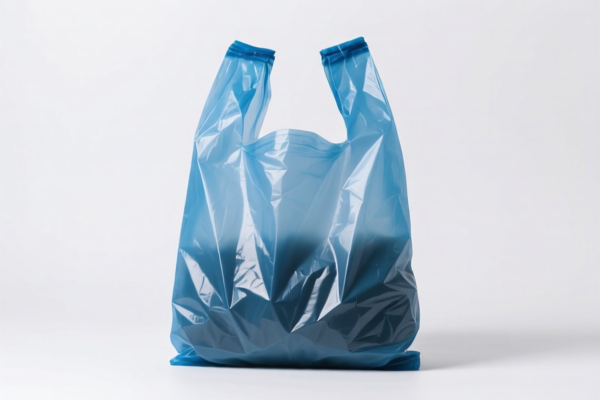
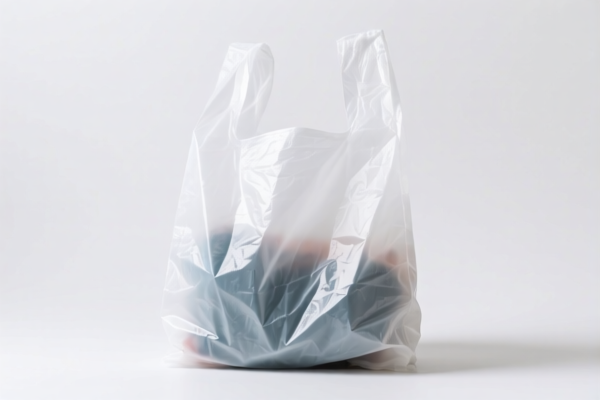

AI分析
📦 Plastic Receipt Bags (Receipt Pouches/Holder Bags)
🌐 HS Code Reference & Customs Clearance Guide | 2026 Latest Tariff Analysis | Professional Clearance Strategy
📌 I. Product Definition & Classification: What Exactly Are "Plastic Receipt Bags"?
Plastic receipt bags are small, flexible packaging items made from polymeric materials, designed specifically to hold, protect, and organize paper receipts, tickets, or small documents. In international trade, they are generally classified under Chapter 39 (Plastics) as articles for the conveyance or packing of goods, or under Chapter 42 (Articles of leather) if they are considered "like containers" made of plastic sheeting, often serving a specific retail or accounting function.
The key distinction lies in whether the bag is viewed strictly as a general-purpose plastic package (Chapter 39) or a specific type of container/accessory (Chapter 42).
⚠️ Key Classification Logic:
- If the item is a standard plastic pouch with no specific structural features beyond a bag → Chapter 39 (General plastic packaging).
- If the item is described as a "receipt holder," "pouch," or "container" often associated with commercial use and made of plastic sheeting → Chapter 42 (Similar containers).
- Note: The "122 Clauses" and "Section 301" tariffs heavily impact both chapters, but the base duty differs significantly (3% vs. 17.6%-20%).
📦 II. HS Code Classification Details (2026 Latest Tariff Authority Comparison)
Based on the provided data, there are 5 potential HS Codes for Plastic Receipt Bags. They fall into two main categories: Chapter 39 (Plastics) and Chapter 42 (Similar Containers).
| HS Code | Summary & Rationale | Total Tax Rate | Tax Breakdown |
|---|---|---|---|
| 3923.21.00.30 | Match: Plastic material + Bag shape. Reason: Fits the fallback category for vinyl polymer bags. |
38.0% | Base: 3.0% + 301 Tariff: 25.0% + 122 Clause: 10% |
| 4202.92.97.00 | Match: Plastic paper material + Receipt bag shape. Reason: Fits "like container" definition for receipt pouches. |
52.6% | Base: 17.6% + 301 Tariff: 25.0% + 122 Clause: 10% |
| 3923.21.00.11 | Match: Plastic material + Bag shape. Reason: Classified as a plastic packaging article. |
38.0% | Base: 3.0% + 301 Tariff: 25.0% + 122 Clause: 10% |
| 4202.99.90.00 | Match: Plastic material + Bag/Container shape. Reason: No conflict in material or usage; general similar container. |
55.0% | Base: 20.0% + 301 Tariff: 25.0% + 122 Clause: 10% |
| 3923.21.00.30 | Match: Plastic bag material + Shape. Reason: Fallback principle for other categories. |
38.0% | Base: 3.0% + 301 Tariff: 25.0% + 122 Clause: 10% |
🔍 Key Observation:
- Chapter 39 (3923.21.00) offers a lower base duty (3%), resulting in a 38% total tax.
- Chapter 42 (4202.xxxx) has a higher base duty (17.6% - 20%), resulting in 52.6% - 55% total tax.
- Strategy: Unless there is a specific regulatory requirement to classify under Chapter 42, 3923.21.00.30 or 3923.21.00.11 is the more cost-effective option.
💰 III. 2026 Latest Tariff Rate Breakdown (Including Add-ons)
✅ Applicable Country: United States (US)
✅ Origin: China (CN)
✅ Effective Date: Post-November 2025 (Current regulations)
🎯 1. Chapter 39 Options: 3923.21.00.30 & 3923.21.00.11
Best for: Standard Plastic Receipt Bags/Pouches
| Item | Details |
|---|---|
| Base Duty | 3.0% (General Ad Valorem) |
| Section 301 Tariff | +25.0% (Trade War Tariff on Chinese goods) |
| Section 122 Tariff | +10.0% (Additional tariff for certain Chinese imports) |
| Total Tax Rate | 38.0% |
| Tax Calculation | CIF Value × 38.0% |
| De Minimis Eligibility | ❌ NO (Deny De Minimis) - Must declare fully. |
| Legal Basis Path | HTSUS:3923.21.00.30 → USITC Footnote 301 → Section 122 Rules |
📌 Explanation:
- The 3% base rate applies to bags of plastics, not textile or paper.
- The 25% + 10% add-ons are non-negotiable for Chinese-origin goods under current US trade policy.
- Cost Efficiency: This is the cheapest classification among the options provided.
🎯 2. Chapter 42 Options: 4202.92.97.00 & 4202.99.90.00
Best for: "Like Containers" or Specific Receipt Holders
| Item | Details |
|---|---|
| Base Duty | 17.6% (4202.92.97.00) or 20.0% (4202.99.90.00) |
| Section 301 Tariff | +25.0% |
| Section 122 Tariff | +10.0% |
| Total Tax Rate | 52.6% or 55.0% |
| Tax Calculation | CIF Value × 52.6% or CIF Value × 55.0% |
| De Minimis Eligibility | ❌ NO (Deny De Minimis) |
| Legal Basis Path | HTSUS:4202.92.97.00 → USITC Footnote 301 → Section 122 Rules |
📌 Explanation:
- Chapter 42 codes are often used for "articles of a kind normally carried in the pocket or handbag." If the receipt bag is marketed as a fashion accessory or specific holder (e.g., for credit cards + receipts), it might fall here.
- Cost Impact: The total tax is ~15-17 percentage points higher than Chapter 39. Only use this if Chapter 39 is technically incorrect or if the product design strongly aligns with "hand-held containers."
🛠️ IV. Customs Clearance Practical Advice (Real-World Pitfall Guide)
✅ 1. Required Documentation Checklist
| Document | Required? | Notes |
|---|---|---|
| ✅ Commercial Invoice | ✔️ | Must clearly state: "Plastic Receipt Bag" or "Receipt Holder." Avoid vague terms like "Plastic Bag" alone. |
| ✅ Packing List | ✔️ | Specify material (e.g., PE, PP, PVC) and dimensions. |
| ✅ Product Photos | ✔️ | Show the bag holding a receipt to prove its function. |
| ✅ Material Composition | ✔️ | Specify if it's LDPE, HDPE, or PVC. This helps justify Chapter 39. |
| ✅ Origin Certificate | ✔️ | Crucial for determining Section 301 & 122 applicability. |
✅ 2. Declaration Strategy (Key Tips)
🔥 "Define Function, Highlight Material, Avoid 'Container' Ambiguity"
| Scenario | Recommended HS Code | Why? |
|---|---|---|
| Bulk Plastic Pouches (generic) | 3923.21.00.30 |
Lowest tax (38%). Classified as general plastic bags. |
| Small, Branded Receipt Wallets | 4202.92.97.00 |
If marketed as a "holder" or "wallet," higher tax (52.6%) may be justified by specific use. |
| Receipts + Plastic Bag Sold Together | 3923.21.00.30 |
The plastic is the primary packaging component. |
| High-End Fashion Receipt Pouches | 4202.99.90.00 |
Only if it competes with leather/paper accessories in design. |
⚠️ Critical Warning:
- Do not declare as "Plastic Bags" without specifying the type. US Customs (CBP) may reclassify it if the description is too vague.
- Using4202codes when3923is appropriate can lead to underpayment of duties (if 39% is correct and you paid 55%, you overpay; if 39% is correct and you paid 38%, you are safe). However, if CBP believes it should be 4202, you face penalties for misdeclaration.
- Recommendation: Stick to 3923.21.00.30 for standard receipt bags to minimize costs, unless the product has unique features that fit Chapter 42 perfectly.
✅ 3. Special Circumstances
| Situation | Advice |
|---|---|
| Biodegradable Plastic | Still likely 3923.21.00.30 unless specifically exempted. Ensure "Biodegradable" is clearly stated to avoid environmental compliance issues, but it doesn't automatically change the HS Code. |
| Composite Material (e.g., Plastic + Paper) | If paper content is >50% by weight, it might shift to Chapter 48. If plastic is dominant, keep Chapter 39. |
| Pre-printed Receipt Bags (with store logo) | Still a plastic bag. The printing doesn't change the HS Code, but ensure the description mentions "Pre-printed Plastic Receipt Bag." |
🌍 V. Global Market Comparison (2026 Latest)
| Country/Region | Recommended HS Code | Tax Rate (Approx.) | Notes |
|---|---|---|---|
| 🇺🇸 USA | 3923.21.00.30 |
38.0% | Includes 301 + 122 tariffs. Cheapest option. |
| 🇨🇳 China | 3923.21.00.30 |
12.0% | No 301/122 tariffs. Base rate is 12%. |
| 🇪🇺 EU | 3923.29.39 |
0-6.5% | Depends on exact plastic type. No 301/122. |
| 🇬🇧 UK | 3923.21.00 |
0-6.5% | Post-Brexit tariffs vary. Generally low. |
📌 Conclusion:
- The US market is the most expensive due to Section 301 and 122 tariffs.
- Chapter 39 (3923.21.00.30) is the optimal choice for US imports to minimize duty burden.
- Always confirm the material composition to avoid reclassification.
📌 VI. Common Errors & Pitfalls (Lessons Learned)
❌ Error 1: Using 4202 codes for generic plastic bags.
👉 Result: Overpaying by 15-17% (e.g., 55% vs. 38%).
👉 Fix: Use 3923.21.00.30 for standard plastic receipt pouches.
❌ Error 2: Vague description "Plastic Bag."
👉 Result: CBP inspection delay, potential reclassification.
👉 Fix: Use precise description: "Plastic Receipt Bag, LDPE, 3x5 inches."
❌ Error 3: Ignoring Section 122 Tariff.
👉 Result: Underpayment of 10% on CIF value.
👉 Fix: Ensure your HTS code application includes the 122 clause calculation.
❌ Error 4: Assuming "Receipt Holder" is always Chapter 42.
👉 Result: Unnecessary higher duty.
👉 Fix: If it's just a plastic bag with a hole or opening for receipts, Chapter 39 is often correct.
✅ Correct Declaration Example:
"Plastic Receipt Bags, Made of Polyethylene (PE), 4x6 inches, Clear, For Retail Use, HS Code 3923.21.00.30"
🎯 VII. Conclusion: Professional Declaration for Cost Efficiency
🎯 Key Takeaway:
🔹 "Plastic + Bag Shape = Chapter 39"
🔹 "Base 3% + 301 25% + 122 10% = 38% Total"
🔹 "Avoid Chapter 42 unless specifically designed as a 'container' to save ~15% tax."
📌 Pro Tip:
If you are importing large volumes, consider applying for a Binding Ruling from US CBP to confirm that your specific receipt bag design qualifies for 3923.21.00.30 rather than 4202.xxxx. This provides legal certainty and protects against future audits.
📣 Immediate Action:
📞 Contact Your Freight Forwarder: Confirm they are applying the 38% rate for
3923.21.00.30.
🚀 Verify Material: Ensure your supplier provides a Material Safety Data Sheet (MSDS) to prove it's 100% plastic.
💡 Save Costs: Every point of duty saved is pure profit. Start with the cheapest compliant code!
✨ Smart Customs Clearance, Start with the Right HS Code!
💼 Don't Let Tariffs Eat Your Margins!
用户评价
关于 HS 编码归类
协调制度(HS)是由世界海关组织(WCO)制定的国际贸易商品分类标准。全球 200 多个国家采用 HS 系统作为海关关税、贸易统计和进出口监管的基础。
每个 HS 编码遵循以下层级结构:
- 章(2 位)——商品大类(例如:第 84 章:机器和机械设备)
- 品目(4 位)——章内的更具体分类
- 子目(6 位)——国际通用细分,所有 WCO 成员国统一使用
- 本国细分(8-10 位)——各国自行扩展的细分编码,如美国 HTSUS 10 位编码
正确的 HS 编码归类对于顺利通关、准确缴纳关税和遵守贸易法规至关重要。错误归类可能导致海关延误、多缴关税或罚款。
从CN进口到US时,适用的关税税率可能包括:
- 最惠国(MFN)税率——适用于 WTO 成员国的标准关税税率
- 普通税率——适用于无贸易协定国家
- 贸易救济关税——附加关税,如 301 条款(反倾销)、232 条款(国家安全)或反补贴税
本页内容仅供参考。如需正式归类,请咨询当地海关或持牌报关代理。