Plastic Round Buckets 22.7 Liters and Above
CN → US| HS编码 | 关税税率 | 原产国 | 目的国 | 文档 |
|---|---|---|---|---|
| 3924104000 | 13.4% | CN | US | 官方文档 |
| 3923900080 | 38.0% | CN | US | 官方文档 |
| 3923900016 | 38.0% | CN | US | 官方文档 |
| 3924905650 | 20.9% | CN | US | 官方文档 |
| 3926901000 | 20.9% | CN | US | 官方文档 |
商品图片
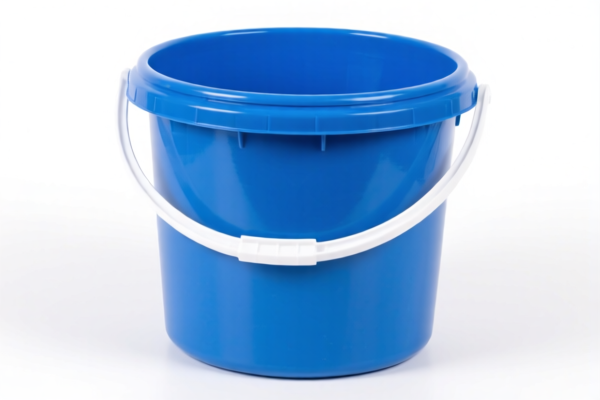

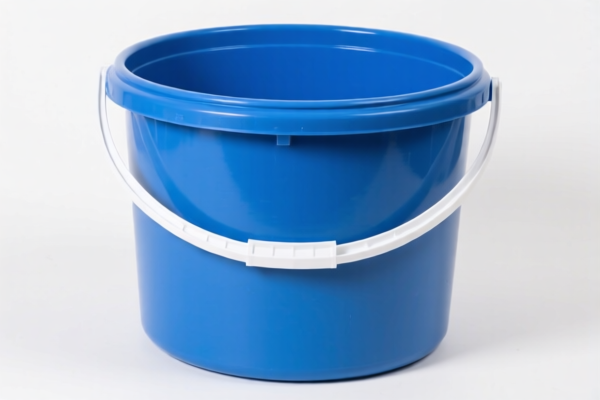
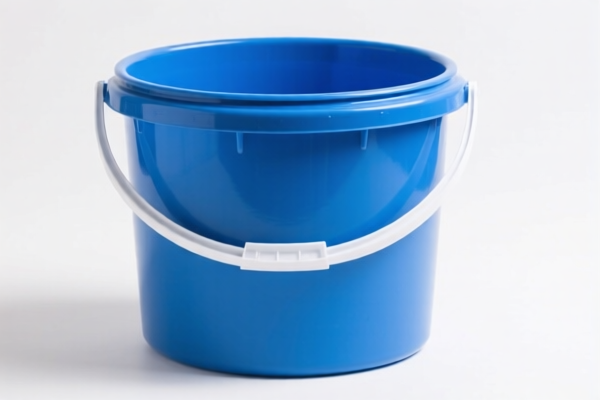
AI分析
🪣 Plastic Round Buckets (22.7 Liters and Above)
🌐 HS Code Reference & Customs Clearance Guide | 2026 Latest Tariff Analysis | Professional Strategy for High-Tariff Goods
📌 I. Product Definition & Classification: What Exactly Are "Plastic Buckets"?
Plastic round buckets (≥22.7L) are versatile containers used in industrial, commercial, and household settings. In international trade, their classification depends entirely on their intended use and design structure. Misclassification is the most common cause of customs delays and excessive duties for this product category.
There are two primary competitive pathways for classification:
1. Household/General Use Items (HS 3924 / 3926):
- Designed for storage, mixing, or handling goods within a facility or home.
- Often have handles, lids, or specific ergonomic designs not primarily for external transport logistics.
- Lower Risk Profile: Generally subject to lower additional tariffs (if any).
2. Transport/Packaging Containers (HS 3923):
- Designed specifically for the transportation of goods (e.g., chemical transport, bulk shipping).
- Must meet specific packaging standards for logistics.
- High Risk Profile: Subject to heavy Section 301 tariffs and Section 122 penalties.
⚠️ Key Distinction Point:
- If the bucket is sold as a "Household Item" or "General Utility Container" (even if used for chemicals), it may qualify for the lower tariff HS codes under Chapter 3924/3926.
- If the bucket is explicitly labeled, designed, and sold as a "Transport Drum" or "Shipping Container," it falls under HS 3923, triggering severe penalties.
📦 II. HS Code Classification Details (2026 Latest Tariff Authority)
Based on the provided data, here are the four valid HS Codes for Plastic Round Buckets ≥22.7L, categorized by their intended use and resulting tax burden.
🟢 Option A: Household/General Purpose (Lowest Risk)
| HS Code | Product Description | Intended Use | Estimated Total Tax |
|---|---|---|---|
| 3924.10.40.00 | Plastic buckets (≥22.7L), classified as household articles | Home use, cleaning, general storage | 13.4% |
| 3924.90.56.50 | Plastic buckets (≥22.7L), classified as household/other plastic vessels | Kitchen, bathroom, general utility | 20.9% |
📌 Analysis:
- 3924.10.40.00 is the most favorable code.
- Tax Breakdown: Base Duty 3.4% + Section 122 Tariff 10% = 13.4%.
- Crucial Note: Section 301 tariffs (25%) are NOT applied here, likely because these are classified as finished consumer/household goods rather than industrial packaging materials.
🟡 Option B: Other Plastic Articles (Moderate Risk)
| HS Code | Product Description | Intended Use | Estimated Total Tax |
|---|---|---|---|
| 3926.90.10.00 | Plastic buckets (≥22.7L), classified as other plastic articles (e.g., water buckets/transport buckets not strictly for shipping) | Industrial utility, but not primary shipping packaging | 20.9% |
📌 Analysis:
- Falls under Chapter 3926 ("Other articles of plastics").
- Tax Breakdown: Base Duty 3.4% + Section 301 Tariff 7.5% + Section 122 Tariff 10% = 20.9%.
- This code is a "middle ground" if the bucket is not strictly for household use (3924) but not strictly for transport logistics (3923).
🔴 Option C: Transport/Packaging Containers (Highest Risk)
| HS Code | Product Description | Intended Use | Estimated Total Tax |
|---|---|---|---|
| 3923.90.00.80 | Plastic transport barrels (≥22.7L), classified as goods transport/packaging items | Chemical shipping, logistics, bulk export | 38.0% |
| 3923.90.00.16 | Plastic barrel-shaped containers (≥22.7L), classified as transport-use plastic articles | Bulk transport, logistics packaging | 38.0% |
⚠️ WARNING:
- These codes attract the full Section 301 tariff (25%) plus Section 122 (10%) plus Base Duty (3.0%).
- Total Tax: 38.0%.
- Use these only if the product is exclusively designed and marketed as a shipping container.
💰 III. 2026 Latest Tariff Rate Breakdown (US Market)
✅ Applicable Country: United States (US)
✅ Origin: China (CN)
✅ Effective Date: Post-2025 policies (Section 122 + Section 301)
🎯 1. 3924.10.40.00 —— The "Gold Standard" for Buckets (Lowest Duty)
| Item | Details |
|---|---|
| Base Duty | 3.4% |
| Section 301 Tariff | 0% (Exempt due to household/general article classification) |
| Section 122 Tariff | 10% |
| Total Tax Rate | 13.4% |
| Legal Basis | Chapter 39 (Plastics), Heading 3924 (Household articles) |
📌 Explanation:
- This is the best-case scenario.
- By classifying the bucket as a "household article" or "general plastic vessel," it bypasses the heavy Section 301 tariffs applied to industrial packaging.
- Recommendation: Aim for this classification if the bucket has handles, lids, and is marketed for general utility or home storage.
🎯 2. 3926.90.10.00 & 3924.90.56.50 —— Moderate Duty (20.9%)
| Item | Details |
|---|---|
| Base Duty | 3.4% |
| Section 301 Tariff | 7.5% (Partial application or specific sub-category rate) |
| Section 122 Tariff | 10% |
| Total Tax Rate | 20.9% |
| Legal Basis | Chapter 39, Headings 3924/3926 |
📌 Explanation:
- These codes incur a 7.5% Section 301 tariff instead of the full 25%.
- This suggests they are recognized as "finished goods" but not fully exempt as household items.
- Use if the product is industrial-grade but not strictly a "transport container."
🎯 3. 3923.90.00.80 & 3923.90.00.16 —— The "Red Zone" (Highest Duty)
| Item | Details |
|---|---|
| Base Duty | 3.0% |
| Section 301 Tariff | 25.0% (Full penalty for packaging materials) |
| Section 122 Tariff | 10% |
| Total Tax Rate | 38.0% |
| Legal Basis | Chapter 39, Heading 3923 (Articles for the conveyance or packing of goods) |
⚠️ Critical Warning:
- Heading 3923 is defined by the HTSUS as "Articles for the conveyance or packing of goods."
- If your bucket is used for shipping chemicals, industrial waste, or bulk goods, Customs and Border Protection (CBP) will likely force this classification.
- Result: An additional 25.0% duty on top of base and Section 122 taxes.
🛠️ IV. Customs Clearance Practical Advice (Avoiding Pitfalls)
✅ 1. Documentation Checklist (Non-Negotiable)
| Document | Requirement | Why It Matters |
|---|---|---|
| Product Brochure/Photos | Must show handles, lids, or "household" features | Proves it’s not just a raw "transport drum" |
| Statement of Use | Explicitly state: "For household storage, general utility, or non-transport mixing" | Supports classification under 3924/3926 |
| Commercial Invoice | Description: "Plastic Bucket for Storage/Utility, 22.7L+" | Avoid words like "Drum," "Shipping Container," or "Bulk Transport" |
| Material Certificate | PE/PP material composition | Confirms Chapter 39 classification |
| FCC/ROHS | If applicable (less common for plastic, but good for branding) | Shows consumer-grade compliance |
✅ 2. Naming & Description Strategy (Crucial for Classification)
🔥 Golden Rule: "Describe the Function, Not the Material Alone!"
| Scenario | Correct Declaration (Safe) | Wrong Declaration (Dangerous) |
|---|---|---|
| Goal: 13.4% Tax | "Plastic Utility Bucket with Lid and Handle, for Household/Industrial Storage, 22.7L" | "Plastic Transport Drum for Chemical Shipping, 22.7L" |
| Goal: 20.9% Tax | "Plastic General Purpose Container, Durable, 22.7L" | "Polyethylene Shipping Barrel" |
| Goal: 38.0% Tax | (Only if truly for transport) "UN-rated Plastic Transport Container" | N/A (If you want lower tax, don't use this) |
📌 Avoid These Words on Invoice:
- "Drum" (often triggers 3923)
- "Shipping Container"
- "Bulk Transport"
- "UN Certification" (unless you actually need it for hazardous materials, which will force 3923)
✅ 3. Special Cases & Mitigation
| Situation | Advice |
|---|---|
| OEM Buckets | If designing for a chemical company, do not try to hide the transport nature. Classify as 3923 to avoid fraud penalties. The cost is built into the price. |
| Buckets with Handles | Emphasize the ergonomic handle in photos. This supports the "household/general article" argument for HS 3924. |
| Clear vs. Opaque | Color does not affect classification, but clear buckets are more likely to be seen as "household storage" vs. "industrial drum." |
| Stackable Design | If stackable for storage (not transport), mention this to support 3924 classification. |
🌍 V. Global Market Comparison (2026 Context)
| Market | Recommended HS Code | Est. Tax Rate | Key Requirement |
|---|---|---|---|
| 🇺🇸 USA | 3924.10.40.00 |
13.4% | Must prove non-transport use. High scrutiny on Section 301. |
| 🇨🇳 China | 3924.10.00.00 |
~9-10% | Standard import duty + VAT. No Section 301. |
| 🇪🇺 EU | 3924.00.00 |
0-6% | CE marking not required for plastic, but REACH compliance is key. |
| 🇬🇧 UK | 3924.00.00 |
0-6% | Post-Brexit rules apply. Check UK Trade Tariff. |
| 🇨🇦 Canada | 3924.00.00 |
5-8% | No Section 301 equivalent. Lower risk. |
📌 Conclusion:
- The USA is the only major market imposing these specific Section 122/301 penalties.
- Strategy: For US exports, aggressively market and document these buckets as household/utility items to secure the 13.4% rate instead of 38.0%.
📌 VI. Common Errors & Pitfalls (Lessons Learned)
❌ Error 1: Using the word "Drum" in the description.
👉 Result: CBP reclassifies to 3923.90.00.80 → 38.0% Tax + potential penalties.
👉 Fix: Use "Bucket" or "Container."
❌ Error 2: Claiming "Household Use" for a bucket clearly designed for industrial chemical transport.
👉 Result: Audit, back-taxes, and fraud investigation.
👉 Fix: If it’s for industrial transport, pay the 38.0% tax. Do not misclassify.
❌ Error 3: Ignoring Section 122 Tariff (10%).
👉 Result: Underestimating costs.
👉 Fix: Factor in 10% Section 122 on all plastic buckets from China to the US, regardless of HS code.
❌ Error 4: Not including handles/lids in product photos.
👉 Result: Customs assumes it’s a raw transport container.
👉 Fix: Include high-res images showing handles, lids, and stacking features.
🎯 VII. Final Recommendation: How to Secure the 13.4% Rate
To ensure your plastic buckets are classified under HS 3924.10.40.00 (13.4% Tax):
- Product Design: Ensure buckets have handles and optional lids.
- Marketing: Market them as "Storage Solutions," "Cleaning Buckets," or "General Utility Containers."
- Invoice Description:
> "Plastic Storage Bucket, 22.7L, with Handle and Lid, for Household and General Industrial Storage Use, Not for Bulk Transport." - Documentation: Provide a "Statement of Non-Transport Use" if requested by CBP.
- Pre-Ruling: Consider applying for an Advance Ruling (CBP Form 5520) if shipping large volumes. This locks in the 13.4% rate and provides legal protection.
📣 Immediate Action:
📞 Contact your customs broker with product photos showing handles and lids.
🚀 Avoid the word "Drum" or "Transport" in your initial commercial invoice.
💡 Cost Saving: Saving 24.6% on duties (38.0% - 13.4%) is significant for bulk shipments.
✨ Professional Customs Clearance Starts with Precise Classification!
💼 Don’t let a single word on your invoice cost you 25% more!
用户评价
关于 HS 编码归类
协调制度(HS)是由世界海关组织(WCO)制定的国际贸易商品分类标准。全球 200 多个国家采用 HS 系统作为海关关税、贸易统计和进出口监管的基础。
每个 HS 编码遵循以下层级结构:
- 章(2 位)——商品大类(例如:第 84 章:机器和机械设备)
- 品目(4 位)——章内的更具体分类
- 子目(6 位)——国际通用细分,所有 WCO 成员国统一使用
- 本国细分(8-10 位)——各国自行扩展的细分编码,如美国 HTSUS 10 位编码
正确的 HS 编码归类对于顺利通关、准确缴纳关税和遵守贸易法规至关重要。错误归类可能导致海关延误、多缴关税或罚款。
从CN进口到US时,适用的关税税率可能包括:
- 最惠国(MFN)税率——适用于 WTO 成员国的标准关税税率
- 普通税率——适用于无贸易协定国家
- 贸易救济关税——附加关税,如 301 条款(反倾销)、232 条款(国家安全)或反补贴税
本页内容仅供参考。如需正式归类,请咨询当地海关或持牌报关代理。