Plastic Scratch Resistant Tablecloth
CN → US| HS编码 | 关税税率 | 原产国 | 目的国 | 文档 |
|---|---|---|---|---|
| 3920200055 | 39.2% | CN | US | 官方文档 |
| 5903102010 | 35.0% | CN | US | 官方文档 |
| 3920100000 | 39.2% | CN | US | 官方文档 |
| 5903102090 | 35.0% | CN | US | 官方文档 |
商品图片
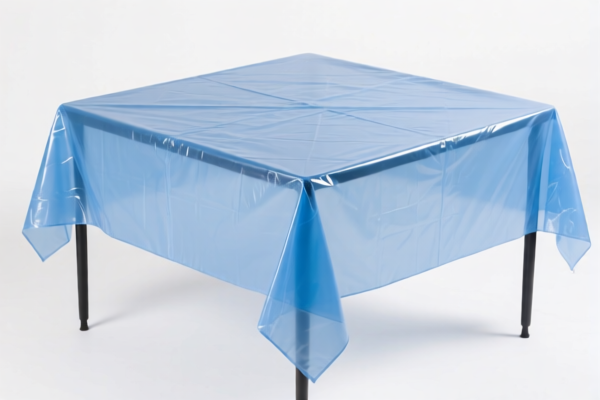
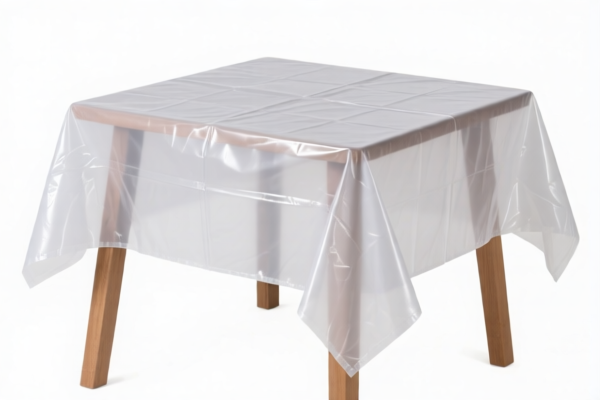
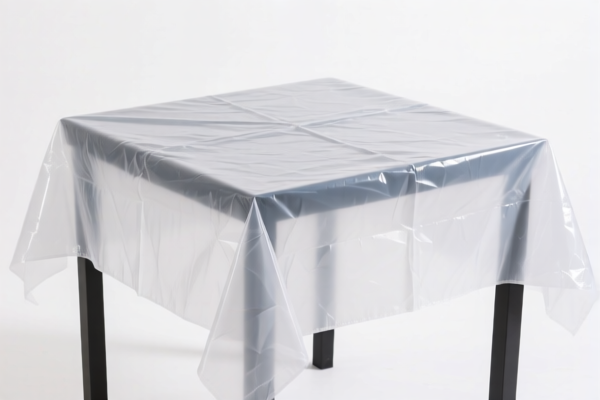
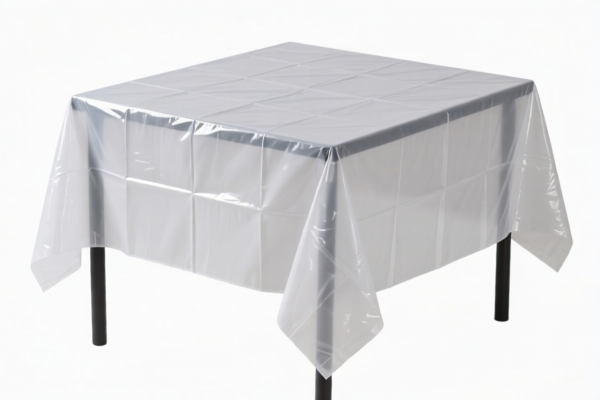
AI分析
🍽️ Plastic Scratch Resistant Tablecloths (Polymer Sheets & Coated Fabrics)
🌐 HS Code Reference & Customs Clearance Guide | 2026 Latest Tariff Breakdown | Professional-Level Clearance Strategy
📌 I. Product Definition & Classification: Do You Really Understand "Plastic Tablecloths"?
Plastic tablecloths are versatile household and commercial textile-adjacent products used for surface protection. In international trade, they are strictly categorized based on their material composition and manufacturing structure. They are not a single unified HS code but fall into two primary categories:
- Plastic Sheets/Films (Plastic Tablecloths): Made entirely from polymers (like PP or PE), formed into plates, sheets, films, foils, or strips. They do not contain a textile fabric base.
- Impregnated/Coated Textile Fabrics (Plastic-Coated Tablecloths): Made from a textile fabric (e.g., woven polyester/cotton) that has been impregnated, coated, covered, or laminated with plastics (like PVC).
⚠️ Key Distinction Point:
- If the product is 100% plastic (homogeneous polymer structure), it falls under Chapter 39 (Plastics and articles thereof).
- If the product has a visible fabric base covered by plastic (PVC/PE coating), it falls under Chapter 59 (Textile fabrics coated with plastic).
- "Scratch Resistant" is a performance feature, not a structural definition, so it does not change the HS code but may affect marketing descriptions.
📦 II. HS Code Classification Details (2026 Latest Tariff Authority Comparison)
| HS Code | Product Description | Applicable Scenario | Structure Type |
|---|---|---|---|
3920.20.00.55 |
Plastic tablecloth, material: Polypropylene (PP), shape: plate, sheet, film, foil, strip | PP-based tablecloths, often marketed as "scratch-resistant" or durable | ✅ 100% Plastic (No Fabric) |
3920.10.00.00 |
Plastic tablecloth, material: Ethylene polymers (PE), shape: plate, sheet, film, strip | PE-based (Polyethylene) tablecloths, flexible films | ✅ 100% Plastic (No Fabric) |
5903.10.20.10 |
Plastic tablecloth, material: PVC-coated/laminated fabric, classified as textile fabric impregnated/coated/covered/laminated with plastics | PVC-coated woven tablecloths (common in commercial settings) | ✅ Plastic-Coated Fabric |
5903.10.20.90 |
Plastic tablecloth, material: Polyvinyl chloride or other plastics impregnated/coated on textile fabric, shape: covered/laminated fabric | Other plastic-coated textile tablecloths (non-PVC or specific sub-categories) | ✅ Plastic-Coated Fabric |
🔍 Key Reminder:
- PP (3920.20.00.55) vs. PE (3920.10.00.00): Check the material label. PP is often stiffer/more scratch-resistant; PE is softer/more flexible.
- Coated vs. Pure: If you can see a woven texture under the plastic, it is Chapter 59. If it is solid plastic, it is Chapter 39.
💰 III. 2026 Latest Tariff Rate Breakdown (Including Additional Taxes & Policy Surcharges)
✅ Applicable Country: United States (US)
✅ Origin: China (CN)
✅ Effective Date: November 10, 2025 (for imports thereafter)
🎯 1. 3920.20.00.55 — Plastic Tablecloth, Polypropylene (PP)
| Item | Details |
|---|---|
| Base Tariff | 4.2% (ad valorem) |
| Section 301 Additional Tariff | +25.0% (Due to USITC Footnote 9903.88.01) |
| Section 122 Tariff | +10.0% (Specific provision for certain plastic goods) |
| Total Tariff Rate | 39.2% |
| Tax Calculation | CIF Value × 39.2% |
| De Minimis Exemption? | ❌ Not Eligible (Section 321 de minimis does not apply to goods subject to Section 301/122 tariffs) |
| Legal Basis Path | USITC:3920.20.00.55 → SECTION_301:9903.88.01 → SECTION_122:9903.10.10 |
📌 Explanation:
- The 25% is the standard "Trump Tariff" (Section 301) on Chinese plastics.
- The 10% is the specific "Section 122" tariff targeting plastic table coverings.
- Total 39.2% is a heavy burden; cost structure must be carefully planned.
🎯 2. 3920.10.00.00 — Plastic Tablecloth, Ethylene Polymers (PE)
| Item | Details |
|---|---|
| Base Tariff | 4.2% (ad valorem) |
| Section 301 Additional Tariff | +25.0% |
| Section 122 Tariff | +10.0% |
| Total Tariff Rate | 39.2% |
| Tax Calculation | CIF Value × 39.2% |
| De Minimis Exemption? | ❌ Not Eligible |
| Legal Basis Path | USITC:3920.10.00.00 → SECTION_301:9903.88.01 → SECTION_122:9903.10.10 |
📌 Note:
- Same tax structure as PP tablecloths.
- Whether it’s PE or PP, if it’s a "plastic sheet/film" type tablecloth, it faces the same 39.2% total rate.
🎯 3. 5903.10.20.10 — PVC-Coated Textile Tablecloth
| Item | Details |
|---|---|
| Base Tariff | 0.0% (ad valorem) |
| Section 301 Additional Tariff | +25.0% |
| Section 122 Tariff | +10.0% |
| Total Tariff Rate | 35.0% |
| Tax Calculation | CIF Value × 35.0% |
| De Minimis Exemption? | ❌ Not Eligible |
| Legal Basis Path | USITC:5903.10.20.10 → SECTION_301:9903.88.01 → SECTION_122:9903.10.10 |
📌 Explanation:
- The base tariff is 0%, making this category slightly cheaper than pure plastic sheets (4.2% base).
- However, the 25% + 10% surcharges still apply.
- Total 35.0% is 4.2% lower than PP/PE tablecloths.
🎯 4. 5903.10.20.90 — Other Plastic-Impregnated Textile Tablecloth
| Item | Details |
|---|---|
| Base Tariff | 0.0% (ad valorem) |
| Section 301 Additional Tariff | +25.0% |
| Section 122 Tariff | +10.0% |
| Total Tariff Rate | 35.0% |
| Tax Calculation | CIF Value × 35.0% |
| De Minimis Exemption? | ❌ Not Eligible |
| Legal Basis Path | USITC:5903.10.20.90 → SECTION_301:9903.88.01 → SECTION_122:9903.10.10 |
📌 Note:
- Similar to the PVC-coated variant.
- If the textile base is not PVC but another plastic (e.g., PE-coated fabric), it may fall here.
- Total 35.0% remains consistent for coated textile types.
🛠️ IV. Customs Clearance Practical Advice (Avoid Pitfalls in Practice)
✅ 1. Required Documentation Checklist (None Can Be Skipped)
| Document | Mandatory | Explanation |
|---|---|---|
| ✅ Product Specification Sheet | ✔️ | Must clearly state: Material (PP/PE/PVC+Fabric), Thickness, Dimensions |
| ✅ Material Composition Proof | ✔️ | Certificate of Analysis (CoA) or Manufacturer’s Declaration specifying if it’s 100% plastic or coated fabric |
| ✅ Product Photos (Clear Label) | ✔️ | Show texture (woven vs. smooth), thickness, and any "Scratch Resistant" claims |
| ✅ Commercial Invoice | ✔️ | Description must match HS Code: e.g., “PP Plastic Tablecloth, Sheet” vs. “PVC-Coated Woven Tablecloth” |
| ✅ Packing List | ✔️ | Detail net/gross weight; avoid mixing different HS codes in one shipment without clear separation |
| ✅ Certificate of Origin (CO) | ✔️ | Essential for proving Chinese origin (triggers tariffs) or exemption if shipped from elsewhere |
✅ 2. Declaration Tips (Key Mantra)
🔥 “Material Defines Code, Structure Dictates Tax!”
| Scenario | Correct Declaration | Wrong Action |
|---|---|---|
| Solid PP/PE Sheet | 3920.20.00.55 or 3920.10.00.00 |
Calling it “Fabric Tablecloth” → Misclassification risk |
| Woven Fabric with Plastic Coating | 5903.10.20.10 or 5903.10.20.90 |
Calling it “Plastic Sheet” → Overpaying 4.2% base tax (but still subject to surcharges) |
| “Scratch Resistant” Marketing Term | Include in description, but not as HS basis | Using “Scratch Resistant” as a primary identifier → No such HS code exists |
✅ 3. Special Circumstances Handling
| Situation | Handling Advice |
|---|---|
| OEM Custom Tablecloths | Provide customer PO + design specs. Ensure material matches invoice. |
| Mixed Materials (e.g., PP with Fabric Backing) | Critical: If >50% value or essential character is plastic sheet, likely Chapter 39. If fabric is essential, Chapter 59. Consult a broker. |
| Small Samples (De Minimis) | ❌ Do NOT rely on De Minimis ($800). Section 301 and 122 tariffs explicitly exclude de minimis entries. Taxes apply even to small packages. |
| Return/Rework Goods | Provide proof of prior export to avoid double taxation, but surcharges may still apply depending on timing. |
🌍 V. Global Market Clearance Comparison (2026 Latest)
| Country/Region | Recommended HS Code | Tariff (CN Origin) | Certification Req. | Notes |
|---|---|---|---|---|
| 🇺🇸 USA | 3920.20.00.55 / 5903.10.20.10 |
39.2% (Plastic Sheet) / 35.0% (Coated Fabric) | None specific | High tariff burden; Section 301 + 122 apply. |
| 🇨🇳 China | 3920.20.00.55 / 5903.10.20.10 |
~5-8% (Import Duty) | None | No Section 301 surcharges. |
| 🇪🇺 EU | 3920.20.00.00 / 5903.10.00.00 |
~6-10% | None | No US-style surcharges. |
| 🇬🇧 UK | 3920.20.00.00 / 5903.10.00.00 |
~6-10% | None | Post-Brexit, aligned with EU structure. |
📌 Conclusion:
- The USA is uniquely harsh on these goods due to Section 301 (25%) and Section 122 (10%).
- Coated fabrics (5903...) save 4.2% in base duty compared to pure plastic sheets (3920...).
- Cost optimization strategy: If possible, design tablecloths as plastic-coated textiles rather than solid plastic sheets to save the base 4.2% duty.
📌 VI. Common Mistakes & Pitfall Guide (Lessons from Blood & Tears)
❌ Mistake 1: Calling a PVC-coated fabric tablecloth a “Plastic Sheet”
👉 Consequence: Wrong HS Code (3920 instead of 5903). While base tax is higher for 3920, the surcharge is the same. However, misclassification leads to penalties and delays.
❌ Mistake 2: Assuming small shipments ($800) are tariff-free
👉 Consequence: Section 301 and 122 tariffs apply to ALL shipments from China, regardless of value. Your $50 sample bag will still be taxed 39.2%.
❌ Mistake 3: Vague description “Plastic Tablecloth”
👉 Consequence: CBP (US Customs) may classify it as the highest duty rate or request additional info, causing holds and demurrage fees.
✅ Correct Action:
“Polypropylene (PP) Plastic Tablecloth, Sheet, 0.5mm Thickness, Scratch Resistant, Model XYZ”
OR
“PVC-Coated Polyester Woven Tablecloth, 1.2m x 1.8m, Model ABC”
🎯 VII. Conclusion: Precision in Classification Saves Money!
🎯 Remember the Mantra:
🔹 “PP/PE = Chapter 39 (39.2%), PVC-Coated = Chapter 59 (35.0%)”
🔹 “De Minimis Doesn’t Save You from Section 301/122!”
🔹 “Clear Material Description = Smooth Clearance”
📌 Pro Tip:
If your tablecloths are shipped from Vietnam, Malaysia, or Mexico, you may apply for IEEPA/Section 301 Exclusions (if eligible) or enjoy lower base rates. However, origin must be genuine (transshipment fraud is heavily penalized).
📣 Immediate Action:
📞 Contact a Licensed Customs Broker
📄 Provide Material Spec Sheets & Photos
🚀 Apply for Advance Ruling (Pre-classification) to Avoid Surprises
✨ Professional Clearance Starts with Accurate Classification!
💼 Your Profit Margin Depends on Precise Tariff Management!
用户评价
关于 HS 编码归类
协调制度(HS)是由世界海关组织(WCO)制定的国际贸易商品分类标准。全球 200 多个国家采用 HS 系统作为海关关税、贸易统计和进出口监管的基础。
每个 HS 编码遵循以下层级结构:
- 章(2 位)——商品大类(例如:第 84 章:机器和机械设备)
- 品目(4 位)——章内的更具体分类
- 子目(6 位)——国际通用细分,所有 WCO 成员国统一使用
- 本国细分(8-10 位)——各国自行扩展的细分编码,如美国 HTSUS 10 位编码
正确的 HS 编码归类对于顺利通关、准确缴纳关税和遵守贸易法规至关重要。错误归类可能导致海关延误、多缴关税或罚款。
从CN进口到US时,适用的关税税率可能包括:
- 最惠国(MFN)税率——适用于 WTO 成员国的标准关税税率
- 普通税率——适用于无贸易协定国家
- 贸易救济关税——附加关税,如 301 条款(反倾销)、232 条款(国家安全)或反补贴税
本页内容仅供参考。如需正式归类,请咨询当地海关或持牌报关代理。