Plastic Shoe Sole Bonded Structure
CN → US| HS编码 | 关税税率 | 原产国 | 目的国 | 文档 |
|---|---|---|---|---|
| 6406200000 | 20.2% | CN | US | 官方文档 |
| 6406903030 | 15.3% | CN | US | 官方文档 |
| 6402993177 | 16.0% | CN | US | 官方文档 |
| 6402992790 | 20.5% | CN | US | 官方文档 |
| 3926905900 | 37.4% | CN | US | 官方文档 |
商品图片
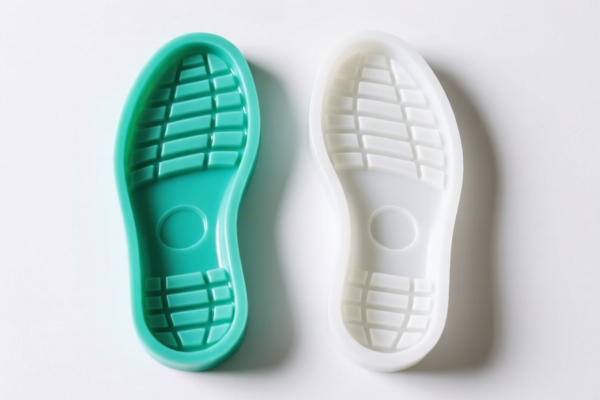
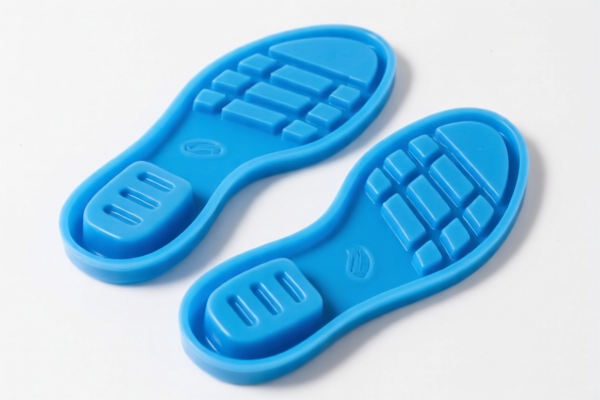
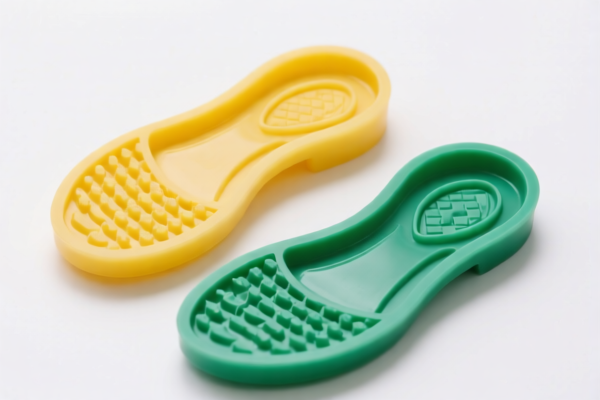
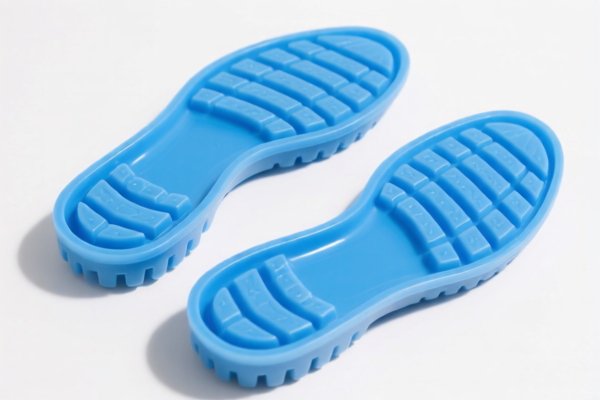
AI分析
👟 Plastic Shoe Sole (Bonded Structure)
🌐 HS Code Reference & Customs Clearance Guide | 2026 Latest Tariff Analysis | Professional Customs Strategy
📌 I. Product Definition & Classification: What Exactly Is a "Plastic Shoe Sole"?
A plastic shoe sole is the foundational component of footwear, providing structural support, traction, and comfort. In international trade, the classification of this item is highly sensitive to its material composition, structural method (e.g., bonded/adhesive), and whether it is considered a "part" or a distinct "article."
Key Distinction Points:
- Parts vs. Articles: Is it strictly a component for assembly (Chapter 64) or a finished plastic good (Chapter 39)?
- Material Specificity: Does it fall under specific rubber/plastic sole definitions (6406.90) or general plastic articles (3926)?
- Structure: The "bonded structure" (adhesive bonding) is a critical descriptor but rarely changes the HS code itself; it primarily affects how customs verifies the material composition versus metal/nail construction.
⚠️ Critical Warning:
Misclassification can lead to massive tariff discrepancies (from 15.3% to 37.4%+) and customs holds. The difference between "Shoe Part" and "Plastic Article" is the single biggest risk factor here.
📦 II. HS Code Classification Details (2026 Latest Tariff Authority Match)
Based on the provided data, here are the 5 valid HS Code interpretations for Plastic Shoe Sole, Bonded Structure:
| HS Code | Summary Description | Classification Logic | Total Tax Rate |
|---|---|---|---|
| 6406.20.00.00 | Plastic outsole, bonded structure, plastic material, categorized as an outer sole within shoe parts. | Shoe Parts (Chapter 64): Treated specifically as a part of footwear. | 20.2% |
| 6406.90.30.30 | Plastic shoe sole, bonded structure, plastic material, shaped as a sole, fits the rubber/plastic sole category. | Shoe Parts (Chapter 64): Specific sub-category for other sole parts (rubber/plastic). | 15.3% |
| 6402.99.31.77 | Plastic shoe sole, bonded structure, plastic material, considered a component of footwear, classified under "Other footwear." | Footwear (Chapter 64): Interpreted as part of the final footwear assembly rather than a loose part. | 16.0% |
| 6402.99.27.90 | Plastic shoe sole, bonded structure, plastic material, a component of footwear, fits reasonable inference under other categories. | Footwear (Chapter 64): Another interpretation of "Other footwear" components. | 20.5% |
| 3926.90.59.00 | Plastic shoe sole, bonded structure, plastic material, categorized under "Other plastic articles." | Plastic Articles (Chapter 39): High Risk. Classified as a general plastic good, not a shoe part. | 37.4% |
🔍 重点提醒 (Key Alert):
- HS Codes 6406/6402 are generally preferred for footwear components because they align with the product's intended use.
- HS Code 3926.90.59.00 carries the highest total tax rate (37.4%) due to significant trade tariffs. Avoid this classification unless you can prove the item is not a shoe part (e.g., used as a generic plastic shim).
💰 III. 2026 Latest Tariff Rate Breakdown (Including Surtaxes & Policy Add-ons)
✅ Applicable Country: USA (US)
✅ Origin: China (CN)
✅ Effective Date: November 10, 2025 (and subsequent imports)
🎯 1. 6406.20.00.00 —— Plastic Outsole (Shoe Part)
| Item | Details |
|---|---|
| Base Duty | 2.7% (Ad Valorem) |
| Section 301 Surcharge | 7.5% |
| Section 122 Tariff | 10% |
| Total Tax Rate | 20.2% |
| Tax Calculation | CIF Value × 20.2% |
| De Minimis Eligibility | ❌ No (Deny de minimis) |
| Legal Basis Path | Section 301:6406.20.00.00 → Section 122 → USITC:6406.20.00.00 |
📌 Explanation:
- This is a standard classification for "Outsoles" (outer soles) of footwear.
- The 20.2% rate is moderate but includes the Section 122 tariff (10%), which applies to many steel and aluminum products but can be triggered on certain industrial imports depending on current trade policy enforcement. Note: Check if Section 122 is currently applicable to plastic goods in your specific port of entry, as the data suggests it is.
🎯 2. 6406.90.30.30 —— Other Sole Parts (Plastic)
| Item | Details |
|---|---|
| Base Duty | 5.3% |
| Section 301 Surcharge | 0.0% |
| Section 122 Tariff | 10% |
| Total Tax Rate | 15.3% |
| Tax Calculation | CIF Value × 15.3% |
| De Minimis Eligibility | ❌ No (Deny de minimis) |
| Legal Basis Path | Section 301:6406.90.30.30 → Section 122 → USITC:6406.90.30.30 |
📌 Note:
- This is the lowest tax rate option (15.3%) among the valid choices.
- It benefits from 0% Section 301 surcharge but still carries the 10% Section 122 tariff.
- Optimization Strategy: If your product fits the definition of "Other sole parts" rather than "Outsoles," this is the most cost-effective classification.
🎯 3. 6402.99.31.77 & 6402.99.27.90 —— Other Footwear Components
| Item | Details |
|---|---|
| Base Duty | 6.0% (31.77) / 3.0% (27.90) |
| Section 301 Surcharge | 0.0% (31.77) / 7.5% (27.90) |
| Section 122 Tariff | 10% (Both) |
| Total Tax Rate | 16.0% (31.77) / 20.5% (27.90) |
| De Minimis Eligibility | ❌ No (Deny de minimis) |
📌 Explanation:
- These codes fall under Chapter 64 (Footwear), suggesting the item might be declared as part of a larger footwear assembly or under a broader "Other" category.
-6406.90.30.30(15.3%) remains the best option between these four.
🎯 4. 3926.90.59.00 —— Other Plastic Articles (High Risk)
| Item | Details |
|---|---|
| Base Duty | 2.4% |
| Section 301 Surcharge | 25.0% |
| Section 122 Tariff | 10% |
| Total Tax Rate | 37.4% |
| Tax Calculation | CIF Value × 37.4% |
| De Minimis Eligibility | ❌ No (Deny de minimis) |
| Legal Basis Path | Section 301:3926.90.59.00 → Section 122 → USITC:3926.90.59.00 |
📌 Warning:
- This classification incurs a 25% Section 301 surcharge, which is the standard high tariff for many Chinese plastic goods.
- Do NOT use this code unless you are certain the item cannot be classified as a shoe part. The 22.1% tax differential vs.6406.90.30.30is significant.
🛠️ IV. Customs Clearance Practical Advice (Pitfall Avoidance Guide)
✅ 1. Preparation Checklist (Non-Negotiable)
| Document | Mandatory? | Description |
|---|---|---|
| ✅ Product Spec Sheet | ✔️ | Must specify: Material (100% Plastic?), Structure (Bonded/Adhesive?), Hardness, Weight. |
| ✅ Technical Drawing | ✔️ | Highlight the "Bonded Structure" to prove it is not a multi-part assembly (which might change classification). |
| ✅ Commercial Invoice | ✔️ | Must clearly state: "Plastic Shoe Sole, Bonded Structure" + HS Code. Avoid vague terms like "Plastic Part." |
| ✅ Origin Certificate | ✔️ | Proof of Chinese origin to apply correct Section 301 & 122 rates. |
| ✅ Packing List | ✔️ | Ensure quantities match invoice. No mixed HS codes in one shipment without prior approval. |
✅ 2. Declaration Strategy (Key Tips)
🔥 "Be Specific, Be Accurate, Avoid 'Other' Traps!"
| Scenario | Recommended HS Code | Reasoning |
|---|---|---|
| Standard Plastic Outsole | 6406.90.30.30 |
Best Rate (15.3%). Fits "Sole Parts" definition perfectly. |
| Complex Multi-Layer Sole | 6406.20.00.00 |
If it has distinct upper/lower layers bonded, 6406.20 is safer. |
| Generic Plastic Piece | 3926.90.59.00 |
Avoid! Only use if it's not a shoe sole (e.g., plastic spacer). |
| Shoe with Sole Attached | 6402.xxxxxx |
If declaring the entire shoe, not just the sole. |
✅ 3. Special Handling Notes
| Situation | Handling Advice |
|---|---|
| "Bonded" Structure | Ensure the adhesive used does not contain hazardous substances (e.g., certain solvents) that require additional EPA/DOT declarations. |
| Mixed Materials | If the sole contains any rubber or fabric reinforcement, re-evaluate classification. Pure plastic is key for 6406.20 and 6406.90. |
| Section 122 Applicability | Critical Check: Verify if Section 122 tariffs are currently enforced on plastic sole parts. If not, the rate for 6406.90.30.30 could drop to 5.3%. Note: The provided data includes it, so plan for 15.3%. |
🌍 V. Global Market Comparison (2026)
| Country/Region | Recommended HS Code | Approx. Total Tax | Notes |
|---|---|---|---|
| 🇺🇸 USA | 6406.90.30.30 |
15.3% | Includes Section 122. Best option. |
| 🇨🇳 China (Import) | 6406.20.00.00 |
~5-10% | Lower tariffs, fewer surcharges. |
| 🇪🇺 EU | 6406.90.90 |
~5-10% | No Section 301/122. Standard MFN rate. |
| 🇬🇧 UK | 6406.90.90 |
~5-10% | Post-Brexit tariffs similar to EU pre-2020. |
📌 Conclusion:
- USA is the most complex market due to Section 301 and Section 122 tariffs.
- Optimizing the HS Code within Chapter 64 is the most effective way to reduce costs in the US.
📌 VI. Common Mistakes & Pitfalls (Lessons Learned)
❌ Mistake 1: Using 3926.90.59.00 for a shoe sole.
👉 Consequence: 37.4% tax instead of 15.3%. Loss of 22.1% margin!
❌ Mistake 2: Declaring as "Footwear Parts" without specifying "Plastic."
👉 Consequence: Customs may assign a default higher rate or request additional testing to determine material.
❌ Mistake 3: Ignoring "Bonded Structure" details.
👉 Consequence: If the bond involves metals (e.g., metal shanks embedded), it may trigger different classification. Ensure the bond is purely adhesive/polymers.
✅ Correct Approach:
"Plastic Shoe Sole, Bonded Structure, 100% PVC/TPU, Model XYZ, HS Code 6406.90.30.30"
🎯 VII. Conclusion: Professional Declaration Saves Money!
🎯 Remember the Key Takeaways:
🔹 "Chapter 64 is King for Soles" – Avoid Chapter 39 (
3926) to escape the 25% Surcharge.
🔹 "6406.90.30.30 is the Sweet Spot" – 15.3% total tax is the most competitive rate.
🔹 "Section 122 is Still On" – Budget for the 10% surcharge until further notice.
🔹 "De Minimis is Deny" – Plan for full duty payment.
📌 Pro Tip:
If your plastic soles are sourced from Vietnam, Mexico, or Thailand, you may qualify for IEEPA/Section 301 Exemptions or lower tariffs. Verify your supply chain origin carefully.
Consider applying for an Advance Ruling from US Customs and Border Protection (CBP) to lock in the 15.3% rate for 6406.90.30.30.
📣 Immediate Action:
📞 Consult with a licensed customs broker + Provide detailed product specs + Apply for HS Code Pre-ruling
🚀 Ensure your plastic soles clear customs smoothly, minimize duties, and maximize profit!
✨ Professional Customs Clearance Starts with Precise Classification!
💼 Every percentage point of tax is a point of profit!
用户评价
关于 HS 编码归类
协调制度(HS)是由世界海关组织(WCO)制定的国际贸易商品分类标准。全球 200 多个国家采用 HS 系统作为海关关税、贸易统计和进出口监管的基础。
每个 HS 编码遵循以下层级结构:
- 章(2 位)——商品大类(例如:第 84 章:机器和机械设备)
- 品目(4 位)——章内的更具体分类
- 子目(6 位)——国际通用细分,所有 WCO 成员国统一使用
- 本国细分(8-10 位)——各国自行扩展的细分编码,如美国 HTSUS 10 位编码
正确的 HS 编码归类对于顺利通关、准确缴纳关税和遵守贸易法规至关重要。错误归类可能导致海关延误、多缴关税或罚款。
从CN进口到US时,适用的关税税率可能包括:
- 最惠国(MFN)税率——适用于 WTO 成员国的标准关税税率
- 普通税率——适用于无贸易协定国家
- 贸易救济关税——附加关税,如 301 条款(反倾销)、232 条款(国家安全)或反补贴税
本页内容仅供参考。如需正式归类,请咨询当地海关或持牌报关代理。