Plastic Shoe Sole Glued Structure
CN → US| HS编码 | 关税税率 | 原产国 | 目的国 | 文档 |
|---|---|---|---|---|
| 6406200000 | 20.2% | CN | US | 官方文档 |
| 6406903030 | 15.3% | CN | US | 官方文档 |
| 6402993177 | 16.0% | CN | US | 官方文档 |
| 6402992790 | 20.5% | CN | US | 官方文档 |
| 3926905900 | 37.4% | CN | US | 官方文档 |
商品图片
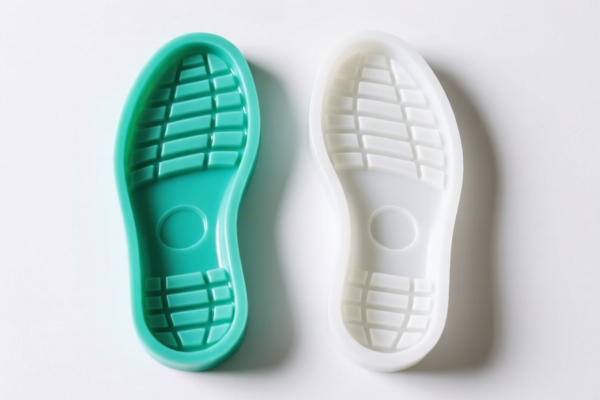
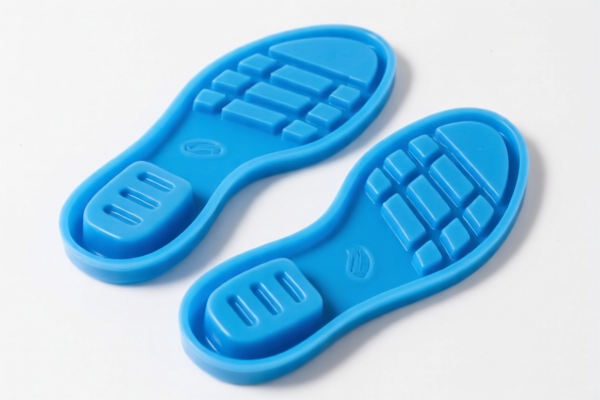
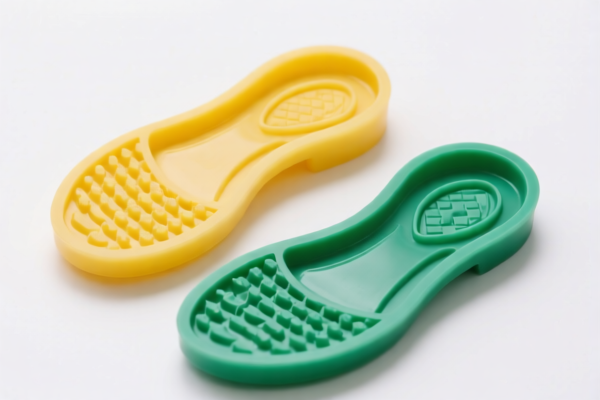
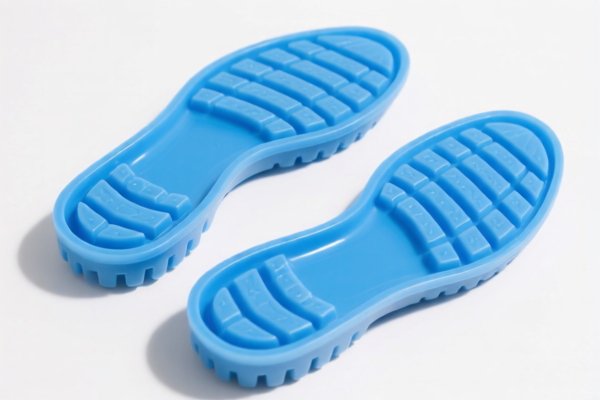
AI分析
🥿 Plastic Shoe Sole (Glued Structure) – The Ultimate Importer’s Guide
🌐 HS Code Reference & Customs Clearance Strategy | 2026 Latest Tariff Analysis | Professional Clearance Tactics
📌 Part 1: Product Definition & Classification – What Exactly Is a "Plastic Shoe Sole"?
A plastic shoe sole with a glued structure is not a standalone consumer product but a component part of footwear. In international trade, the classification depends heavily on the material composition, function, and specific design of the sole.
Key Distinctions: * Footwear Parts (Chapter 64): If the item is specifically shaped and manufactured for use as the outsole or other sole parts of shoes (e.g., already contoured, attached via glue to a sample, or clearly identifiable as a shoe component), it falls under HS Code 6406. * Plastic Articles (Chapter 39): If the item is a generic plastic sheet, block, or unshaped material that could be made into a sole, it might fall under HS Code 3926. However, "glued structure" implies it is already part of an assembly or designed for immediate attachment.
⚠️ Critical Classification Point:
- If it is a finished sole unit (even if sold separately for repair or manufacturing) → Chapter 64 (Footwear Parts).
- If it is a raw plastic component not specifically for shoes → Chapter 39 (Plastics).
- Note: Most "glued structure" soles are classified under Chapter 64 because they are identified as parts of footwear.
📦 Part 2: HS Code Classification Details (2026 Latest Tariff Reference)
| HS Code | Product Description | Applicability Scenario | Key Characteristics |
|---|---|---|---|
6406.20.00.00 |
Plastic Outsoles (Parts of Footwear) | Plastic outsoles specifically designed for shoes; glued structure indicates assembly readiness. | ✅ Footwear Part |
6406.90.30.30 |
Other Sole Parts (Rubber/Plastic) | Other plastic sole components not strictly "outsoles" but still footwear parts; glued structure. | ✅ Footwear Part |
6402.99.31.77 |
Other Footwear (Plastic) | Misclassification Risk: If the item is mistakenly classified as finished footwear rather than parts. | ⚠️ Finished Good? |
6402.99.27.90 |
Other Footwear (Plastic) | Misclassification Risk: Another sub-category under footwear; high tax due to broader classification. | ⚠️ Finished Good? |
3926.90.59.00 |
Other Plastic Articles | Generic plastic items not specifically identified as footwear parts; least accurate if it’s a sole. | ❌ Wrong Category |
🔍 Important Reminder:
-6406codes are the most accurate for "shoe soles" because they are specifically designated as parts of footwear.
-6402codes apply to finished shoes, not just soles. Classifying a sole as a finished shoe is a common error that leads to higher duties and potential penalties.
-3926is for generic plastics. Only use this if the "sole" is actually a raw plastic sheet or generic molded part not uniquely identifiable as a shoe sole.
💰 Part 3: 2026 Latest Tariff Rate Breakdown (Including Surtaxes & Policy Add-ons)
✅ Applicable Country: United States (US)
✅ Country of Origin: China (CN)
✅ Effective Date: November 10, 2025 (and subsequent imports)
🎯 1. 6406.20.00.00 – Plastic Outsoles (Parts of Footwear)
The most standard classification for plastic shoe outsoles.
| Item | Detail |
|---|---|
| Base Duty Rate | 2.7% (ad valorem) |
| Section 301 Surcharge | +7.5% (Trade Remedy Duties) |
| Section 122 Tariff | +10% (Specific Footwear Surtax) |
| Total Duty Rate | 20.2% |
| Tax Calculation | CIF Value × 20.2% |
| De Minimis Eligibility | ❌ No (Not exempt under de minimis rules for China-origin goods) |
| Legal Path | USITC:6406.20.00.00 → Section 301: Footwear/Parts → Section 122: 10% |
📌 Explanation:
- This is the most cost-effective classification for genuine plastic outsoles.
- Section 122 is a specific tariff applied to certain footwear and parts, adding 10%.
- Section 301 adds 7.5% for Chinese goods.
- Base rate is low (2.7%) because it’s classified as a part, not a finished shoe.
🎯 2. 6406.90.30.30 – Other Sole Parts (Rubber/Plastic)
| Item | Detail |
|---|---|
| Base Duty Rate | 5.3% |
| Section 301 Surcharge | 0.0% (Exempt under specific Section 301 exclusions for this sub-category) |
| Section 122 Tariff | +10% |
| Total Duty Rate | 15.3% |
| Tax Calculation | CIF Value × 15.3% |
| De Minimis Eligibility | ❌ No |
| Legal Path | USITC:6406.90.30.30 → Section 122: 10% |
📌 Note:
- This code has a higher base rate (5.3%) but no Section 301 surcharge, resulting in a lower total duty (15.3%) than6406.20.00.00.
- Use this if your sole is classified as "other" rather than "outsole." Verify with customs broker if your product fits this narrower definition.
🎯 3. 6402.99.31.77 – Other Footwear (Plastic)
| Item | Detail |
|---|---|
| Base Duty Rate | 6.0% |
| Section 301 Surcharge | 0.0% |
| Section 122 Tariff | +10% |
| Total Duty Rate | 16.0% |
| Tax Calculation | CIF Value × 16.0% |
| De Minimis Eligibility | ❌ No |
| Legal Path | USITC:6402.99.31.77 → Section 122: 10% |
📌 Warning:
- This classification treats the item as finished footwear, which is likely incorrect for a sole.
- While the total duty is 16.0%, misclassification can lead to audits, penalties, and retroactive duties.
- Only use if the "sole" is actually a complete shoe unit.
🎯 4. 6402.99.27.90 – Other Footwear (Plastic)
| Item | Detail |
|---|---|
| Base Duty Rate | 3.0% |
| Section 301 Surcharge | +7.5% |
| Section 122 Tariff | +10% |
| Total Duty Rate | 20.5% |
| Tax Calculation | CIF Value × 20.5% |
| De Minimis Eligibility | ❌ No |
| Legal Path | USITC:6402.99.27.90 → Section 301 → Section 122 |
📌 Warning:
- Higher total duty than6406.20.00.00.
- Same risk of misclassification as6402.99.31.77.
🎯 5. 3926.90.59.00 – Other Plastic Articles
| Item | Detail |
|---|---|
| Base Duty Rate | 2.4% |
| Section 301 Surcharge | +25.0% (High Section 301 rate for plastics) |
| Section 122 Tariff | +10% |
| Total Duty Rate | 37.4% |
| Tax Calculation | CIF Value × 37.4% |
| De Minimis Eligibility | ❌ No |
| Legal Path | USITC:3926.90.59.00 → Section 301 → Section 122 |
📌 Warning:
- HIGHEST DUTY RATE.
- Classifying a shoe sole as a generic plastic article is a major compliance error.
- Avoid unless the item is clearly not a footwear part.
🛠️ Part 4: Customs Clearance Practical Advice (Avoid Pitfalls)
✅ 1. Required Documentation Checklist
| Document | Required? | Notes |
|---|---|---|
| ✅ Product Specification Sheet | ✔️ | Must detail material (plastic type), structure (glued), and function (shoe sole). |
| ✅ Product Photos | ✔️ | Clear images showing the sole’s shape, attachment points, and glue lines. |
| ✅ Bill of Lading / Invoice | ✔️ | Describe as "Plastic Outsole for Shoes" or "Shoe Sole Part," NOT "Plastic Sheet" or "Finished Shoe." |
| ✅ Certificate of Origin | ✔️ | Mandatory for Section 301 and Section 122 duty assessment. |
| ✅ Sample for Pre-Ruling | ✔️ | Highly recommended to obtain an Advance Ruling from CBP. |
✅ 2. Declaration Tips (Key Phrases)
🔥 "Describe as Part, Not Product! Accuracy Saves 20%!"
| Scenario | Correct Declaration | Incorrect Declaration |
|---|---|---|
| Plastic Shoe Sole (Glued) | Plastic Outsole Part for Shoes, HS 6406.20.00.00 |
Plastic Shoe (Wrong) |
| Plastic Sole Component | Shoe Sole Part, Plastic, Glued Structure, HS 6406.90.30.30 |
Plastic Accessory (Vague) |
| Generic Plastic Piece | Plastic Article, Not for Footwear, HS 3926.90.59.00 |
Shoe Sole (If not a sole) |
✅ 3. Special Circumstances
| Situation | Recommendation |
|---|---|
| OEM Custom Soles | Provide design files and supplier contract to prove they are parts, not finished goods. |
| Glued to Upper? | If the sole is already attached to an upper, it may be considered a finished shoe (HS 6402). Ensure it’s shipped as a part. |
| Multiple Materials | If the sole has non-plastic components (e.g., rubber inserts), consult a broker for "Essential Character" determination. |
| Section 301 Exclusion | Check if your specific HS code has a Section 301 exclusion. 6406.90.30.30 has 0% Section 301, which is advantageous. |
🌍 Part 5: Global Market Comparison (2026 Latest)
| Country/Region | Recommended HS Code | Duty Rate (China Origin) | Certification | Notes |
|---|---|---|---|---|
| 🇺🇸 USA | 6406.20.00.00 |
20.2% | None | High Section 122 + 301 duties. |
| 🇺🇸 USA | 6406.90.30.30 |
15.3% | None | Lower total duty due to 0% Section 301. |
| 🇪🇺 EU | 6406.20.00 |
~5-7% | REACH, CE | No Section 301/122. Lower overall cost. |
| 🇨🇳 China | 6406.20.00 |
~5% | CCC | Domestic trade benefits. |
| 🇦🇺 Australia | 6406.20.00 |
~5% | ACCC | Moderate duties. |
📌 Conclusion:
- The US market is the most expensive due to Section 122 and Section 301 tariffs.
-6406.90.30.30offers a 5% advantage over6406.20.00.00in the US due to 0% Section 301.
- For non-US markets, duty rates are significantly lower.
📌 Part 6: Common Errors & Pitfalls (Lessons Learned)
❌ Error 1: Declaring a sole as "Plastic Shoe" (Finished Good)
👉 Consequence: Misclassification, potential audits, and penalty if CBP disagrees with "finished good" status.
❌ Error 2: Using 3926 for a shaped sole
👉 Consequence: 37.4% duty instead of 15-20%. Huge cost increase.
❌ Error 3: Ignoring Section 122 Tariff
👉 Consequence: Underpayment of duties. Section 122 applies to most footwear parts from China.
❌ Error 4: Not separating glued components
👉 Consequence: If the sole is glued to a box or sample upper, declare as "Shoe Part," not "Shoe."
✅ Correct Approach:
"Plastic Outsole for Shoes, Glued Structure, HS Code 6406.20.00.00, Origin: China"
🎯 Part 7: Conclusion – Smart Classification, Lower Costs!
🎯 Key Takeaway:
🔹 Parts are cheaper than finished goods in classification logic, but Section 122 and 301 still apply.
🔹6406.90.30.30(15.3%) is cheaper than6406.20.00.00(20.2%) in the US due to 0% Section 301.
🔹 Always verify with CBP if your sole fits the narrower "other sole part" definition.
📌 Pro Tip:
If your product is not made in China (e.g., Vietnam, Thailand), you may avoid Section 301 and Section 122 entirely.
Consider supply chain diversification to reduce tariffs.
📣 Immediate Action:
📞 Consult a licensed customs broker.
📄 Apply for an Advance Ruling from CBP to confirm the correct HS Code.
🚀 Optimize your supply chain to minimize duty liabilities.
✨ Professional Clearance Starts with Accurate Classification!
💼 Every Percentage Point of Duty Savings Impacts Your Bottom Line!
用户评价
关于 HS 编码归类
协调制度(HS)是由世界海关组织(WCO)制定的国际贸易商品分类标准。全球 200 多个国家采用 HS 系统作为海关关税、贸易统计和进出口监管的基础。
每个 HS 编码遵循以下层级结构:
- 章(2 位)——商品大类(例如:第 84 章:机器和机械设备)
- 品目(4 位)——章内的更具体分类
- 子目(6 位)——国际通用细分,所有 WCO 成员国统一使用
- 本国细分(8-10 位)——各国自行扩展的细分编码,如美国 HTSUS 10 位编码
正确的 HS 编码归类对于顺利通关、准确缴纳关税和遵守贸易法规至关重要。错误归类可能导致海关延误、多缴关税或罚款。
从CN进口到US时,适用的关税税率可能包括:
- 最惠国(MFN)税率——适用于 WTO 成员国的标准关税税率
- 普通税率——适用于无贸易协定国家
- 贸易救济关税——附加关税,如 301 条款(反倾销)、232 条款(国家安全)或反补贴税
本页内容仅供参考。如需正式归类,请咨询当地海关或持牌报关代理。