Plastic Spice Container
CN → US| HS编码 | 关税税率 | 原产国 | 目的国 | 文档 |
|---|---|---|---|---|
| 6911108010 | 38.3% | CN | US | 官方文档 |
| 6911104100 | 16.3% | CN | US | 官方文档 |
| 7323999030 | 88.4% | CN | US | 官方文档 |
| 3924104000 | 13.4% | CN | US | 官方文档 |
| 7323930060 | 62.0% | CN | US | 官方文档 |
商品图片
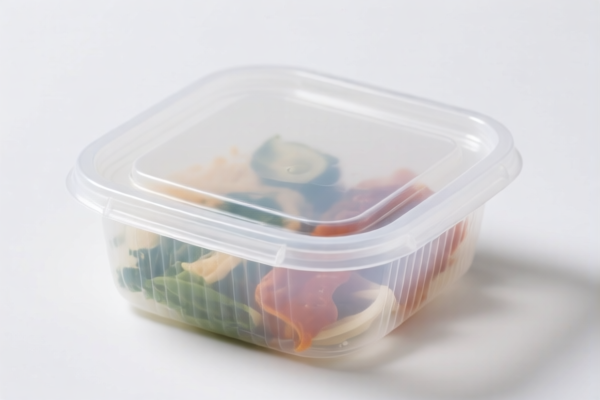
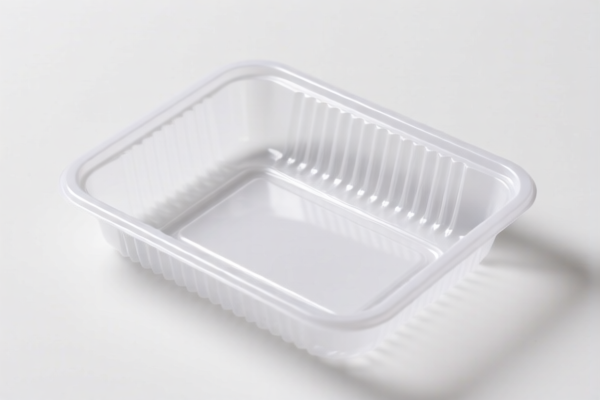
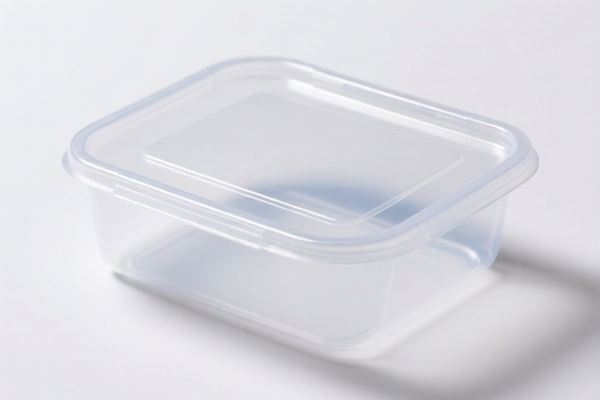
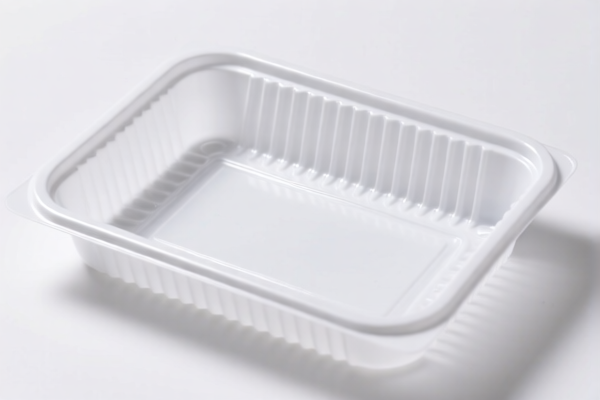
AI分析
🏺 Plastic Spice Container (调料盒/香料瓶)
🌐 HS Code Reference & Customs Clearance Guide | 2026 Latest Tariff Analysis | Professional Entry Strategy
📌 I. Product Definition & Classification: Do You Really Understand "Plastic Spice Containers"?
Plastic spice containers fall under the category of tableware and kitchenware. They are designed for food contact, typically used to store salt, pepper, or other dry seasonings. The classification depends heavily on the material composition (plastic vs. ceramic/glass/metal) and specific form factor.
In international trade, these items are often misclassified due to ambiguous material descriptions. The following analysis breaks down the most likely HS Codes based on the provided data, highlighting the massive tax implications.
⚠️ Key Distinction Points:
- Ceramic/Glass: Generally lower base duties but subject to specific "122 Clause" tariffs.
- Plastic (Primary Focus): Falls under general household plastic articles with varying base rates.
- Metal (Steel/Aluminum): High Risk Zone! Subject to significant Section 301 and "122 Clause" tariffs.
📦 II. HS Code Classification Details (2026 Latest Tariff Authority)
Based on the provided dataset, here are the four primary classification scenarios for spice containers, ranging from low to extremely high taxation.
| HS Code | Product Description & Logic | Estimated Material | Total Tax Rate |
|---|---|---|---|
| 3924.10.40.00 | Plastic Tableware/Kitchenware Fallback category for plastic household items. |
Plastic | 13.4% |
| 6911.10.41.00 | Ceramic Tableware (Salt/Pepper Sets) Ceramic or glass material, consistent with "salt and pepper shaker sets." |
Ceramic/Glass | 16.3% |
| 6911.10.80.10 | Other Ceramic Tableware Broad category for ceramic tableware not specified elsewhere. |
Ceramic | 38.3% |
| 7323.93.00.60 | Steel/Iron Tableware Stainless steel or metal kitchenware. |
Steel/Iron | 62.0% |
| 7323.99.90.30 | Other Steel/Aluminum/Copper Items Kitchen/tableware accessories made of metal. |
Steel/Aluminum | 88.4% |
🔍 Critical Observation:
- Plastic (3924.10.40.00) offers the lowest effective tax rate among the listed options due to a 0% Section 301 surcharge.
- Metal (7323.99.90.30) carries the highest burden (88.4%) due to the combined effect of Section 301 (25% or 50%) and the "122 Clause."
- Ceramic rates vary significantly based on the specific sub-heading (16.3% vs 38.3%).
💰 III. 2026 Latest Tariff Rate Breakdown (Including Surcharges & Policy Add-ons)
✅ Applicable Country: United States (US)
✅ Origin: China (CN)
✅ Effective Date: Current 2025-2026 tariff regime applies.
🎯 1. 3924.10.40.00 —— Plastic Tableware/Kitchenware (Recommended for Plastic)
| Item | Detail |
|---|---|
| Base Tariff | 3.4% (ad valorem) |
| Section 301 Surcharge | 0.0% |
| "122 Clause" Surcharge | +10% |
| Total Tax Rate | 13.4% |
| Calculation | CIF Value × 13.4% |
| De Minimis Exemption | ❌ Not Applicable (High-value commercial shipments) |
| Legal Basis | 3924.10.40.00 → 122 Clause: 10% |
📌 Explanation:
- This is the most cost-effective classification for plastic containers.
- Unlike steel or certain ceramics, plastic tableware does not trigger the heavy Section 301 (25% or 50%) tariffs.
- The total tax is manageable at 13.4%, comprising a low base rate and a specific "122 Clause" add-on.
🎯 2. 6911.10.41.00 —— Ceramic Salt & Pepper Sets
| Item | Detail |
|---|---|
| Base Tariff | 6.3% |
| Section 301 Surcharge | 0.0% |
| "122 Clause" Surcharge | +10% |
| Total Tax Rate | 16.3% |
| Calculation | CIF Value × 16.3% |
| Legal Basis | 6911.10.41.00 → 122 Clause: 10% |
📌 Explanation:
- Ideal if the product is ceramic and sold as a set (e.g., salt + pepper shakers).
- Zero Section 301 tax makes it competitive with plastic.
🎯 3. 6911.10.80.10 —— Other Ceramic Tableware
| Item | Detail |
|---|---|
| Base Tariff | 20.8% |
| Section 301 Surcharge | 7.5% |
| "122 Clause" Surcharge | +10% |
| Total Tax Rate | 38.3% |
| Calculation | CIF Value × 38.3% |
| Legal Basis | 6911.10.80.10 → Section 301: 7.5% → 122 Clause: 10% |
📌 Warning:
- If your ceramic item is not a standard salt/pepper set, it may fall here.
- The 7.5% Section 301 surcharge significantly increases the cost compared to the 16.3% option.
🎯 4. 7323.99.90.30 —— Other Steel/Aluminum/Copper Items (High Risk)
| Item | Detail |
|---|---|
| Base Tariff | 3.4% |
| Section 301 Surcharge | 25.0% (Standard) OR 50% (Steel/Aluminum) |
| "122 Clause" Surcharge | +10% |
| Total Tax Rate | 88.4% (assuming 50% Steel/Aluminum add-on) |
| Calculation | CIF Value × 88.4% |
| Legal Basis | 7323.99.90.30 → Steel/Aluminum 50% → 122 Clause: 10% |
🚨 Critical Alert:
- Steel and Aluminum products face a massive 50% additional tariff on top of the 25% Section 301 and 10% 122 Clause.
- Do not classify a plastic or ceramic item as metal to avoid this.
- If misdeclared, penalties will be severe.
🛠️ IV. Customs Clearance Practical Advice (Avoid Pitfalls)
✅ 1. Required Documentation Checklist
| Document | Mandatory | Notes |
|---|---|---|
| Product Specifications | ✔️ | Must clearly state Material (e.g., "Food-Grade PP Plastic" vs. "Stainless Steel"). |
| Product Photos | ✔️ | Show labels, logos, and physical structure to prove material type. |
| Commercial Invoice | ✔️ | Clearly describe as "Plastic Spice Container" or "Ceramic Salt & Pepper Shaker." |
| Material Composition Certificate | ✔️ | Crucial for plastic vs. metal vs. ceramic disputes. |
| Food Contact Safety Report | ✔️ | FDA compliance documentation (if required by destination). |
✅ 2. Classification Strategy (Key Rules)
🔥 "Material Defines Duty: Plastic Wins, Steel Loses!"
| Scenario | Correct Classification | Incorrect Classification | Consequence |
|---|---|---|---|
| Plastic Container | 3924.10.40.00 (13.4%) |
7323.99.90.30 (88.4%) |
Massive overpayment of ~75%! |
| Ceramic Set | 6911.10.41.00 (16.3%) |
6911.10.80.10 (38.3%) |
Unnecessary 22% extra tax. |
| Metal Container | 7323.99.90.30 (88.4%) |
3924.10.40.00 |
Customs Penalty + Back Taxes. |
📌 Advice:
- If the product is a mix (e.g., plastic container with a metal lid), ensure the principal material dictates the classification.
- For plastic, always emphasize "Household Kitchen Use" to justify3924.
✅ 3. Special Case Handling
| Situation | Recommendation |
|---|---|
| OEM/White Label | Ensure the invoice describes the item generically but accurately (e.g., "Plastic Spice Jar") rather than brand-specific terms that might confuse classification. |
| Mixed Materials | If the main body is plastic and the lid is silicone/rubber, 3924.10.40.00 is still appropriate. Do not declare as metal. |
| Certification | Ensure FDA/LFGB compliance documents are ready, as these are food-contact items. |
🌍 V. Global Market Comparison (2026 Latest)
| Country/Region | Recommended HS Code | Tariff (China Origin) | Key Certification | Note |
|---|---|---|---|---|
| 🇺🇸 USA | 3924.10.40.00 |
13.4% | FDA | Lowest duty for plastic. |
| 🇨🇳 China | 3924.10.40.00 |
5% - 10% | N/A | Lower entry barriers. |
| 🇪🇺 EU | 3924.10.40.00 |
0% - 4.5% | LFGB | No Section 301 or 122 Clause. |
| 🇬🇧 UK | 3924.10.40.00 |
0% - 4.5% | UKCA | Post-Brexit standards apply. |
📌 Conclusion:
- The USA imposes the 122 Clause (10%) on nearly all tableware, but plastic (3924) avoids the heavier Section 301 tariffs applicable to steel.
- Europe and UK are more tariff-friendly, but compliance with food safety standards (LFGB) is stricter.
📌 VI. Common Mistakes & Pitfalls (Lessons Learned)
❌ Mistake 1: Declaring a Plastic spice jar as Steel (7323) to avoid plastic inspections.
👉 Result: If caught, you pay 88.4% tax. If not caught, you risk future audits and penalties.
👉 Correct: Declare as Plastic (3924) for 13.4%.
❌ Mistake 2: Declaring a Ceramic set as General Ceramic (6911.10.80.10).
👉 Result: You pay 38.3% instead of 16.3%.
👉 Correct: Use 6911.10.41.00 for "Salt & Pepper Sets."
❌ Mistake 3: Ignoring the 122 Clause.
👉 Result: Underestimating total landed cost by 10%.
👉 Correct: Factor in the 10% 122 Clause for all tableware imports into the US.
✅ Best Practice:
"Plastic Spice Container, Food-Grade Polypropylene, 50ml, BPA-Free, Set of 6"
HS Code:3924.10.40.00
Total Duty: 13.4%
🎯 VII. Conclusion: Precise Classification Saves Money!
🎯 Remember the Golden Rule:
🔹 "Plastic is Cheap (13.4%), Steel is Expensive (88.4%), Ceramic Varies (16%-38%)."
🔹 "Material must match reality. Misclassification leads to audits and fines."
📌 Tip:
If you are importing Plastic Spice Containers, ensure your supplier provides a material composition certificate stating "100% Plastic" or "Food-Grade PP/PE" to support your 3924.10.40.00 classification and keep taxes at 13.4%.
📣 Immediate Action:
📞 Verify material with supplier → Apply for HS Code Advance Ruling if unsure → Prepare FDA documentation.
🚀 Keep your tax burden low, your clearance fast, and your profits high!
✨ Professional Clearance Starts with Accurate Classification!
💼 Every percentage point matters in your supply chain!
用户评价
关于 HS 编码归类
协调制度(HS)是由世界海关组织(WCO)制定的国际贸易商品分类标准。全球 200 多个国家采用 HS 系统作为海关关税、贸易统计和进出口监管的基础。
每个 HS 编码遵循以下层级结构:
- 章(2 位)——商品大类(例如:第 84 章:机器和机械设备)
- 品目(4 位)——章内的更具体分类
- 子目(6 位)——国际通用细分,所有 WCO 成员国统一使用
- 本国细分(8-10 位)——各国自行扩展的细分编码,如美国 HTSUS 10 位编码
正确的 HS 编码归类对于顺利通关、准确缴纳关税和遵守贸易法规至关重要。错误归类可能导致海关延误、多缴关税或罚款。
从CN进口到US时,适用的关税税率可能包括:
- 最惠国(MFN)税率——适用于 WTO 成员国的标准关税税率
- 普通税率——适用于无贸易协定国家
- 贸易救济关税——附加关税,如 301 条款(反倾销)、232 条款(国家安全)或反补贴税
本页内容仅供参考。如需正式归类,请咨询当地海关或持牌报关代理。