Plastic Vintage Wallet
CN → US| HS编码 | 关税税率 | 原产国 | 目的国 | 文档 |
|---|---|---|---|---|
| 3923900080 | 38.0% | CN | US | 官方文档 |
| 4202322000 | 55.0% | CN | US | 官方文档 |
| 4202321000 | 0.0% | CN | US | 官方文档 |
| 3923109000 | 38.0% | CN | US | 官方文档 |
商品图片
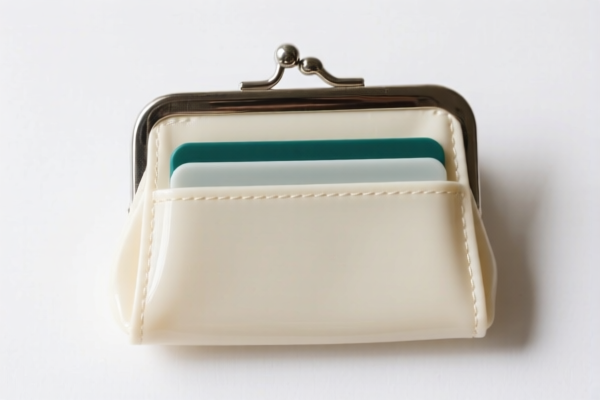
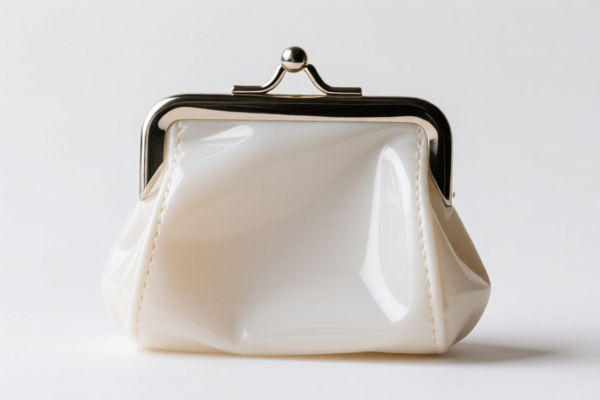
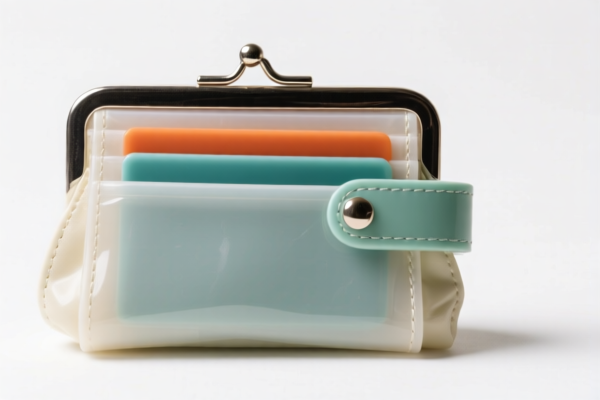
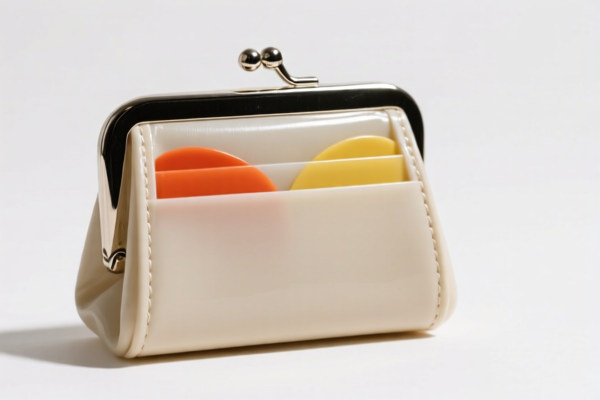
AI分析
👜 Plastic Vintage Wallet (Plastic Material Purses & Pouches)
🌐 HS Code Reference & Customs Clearance Guide | 2026 Latest Tariff Analysis | Professional Entry Strategy
📌 Part I: Product Definition & Classification: Are You Classifying Your "Vintage" Wallet Correctly?
A Plastic Vintage Wallet is a small accessory typically used for carrying money, cards, and coins. In international trade, "vintage" or "plastic" does not automatically define the HS Code. The classification depends heavily on the material composition (e.g., pure plastic vs. plastic-coated) and the functional description (e.g., packaging vs. personal carry-on item).
Misclassification is common here. If you classify a plastic wallet as "packaging" instead of a "purse," or vice versa, the tax difference can be significant (from 38% to 55%).
⚠️ Key Distinction Point:
- Is it primarily for packaging/protecting goods (e.g., a plastic sleeve for a product)? → Likely Chapter 39
- Is it primarily for personal use/carrying items (e.g., a wallet in a bag)? → Likely Chapter 42
- Warning: Simply saying "Vintage" in the description does not grant tax advantages. The physical composition determines the code.
📦 Part II: HS Code Classification Details (2026 Latest Tariff Authority)
Based on the provided data, here are the four most relevant HS Codes for plastic wallets, along with their specific tax implications.
| HS Code | Product Summary | Classification Logic | Total Tax Rate (China Origin) |
|---|---|---|---|
| 3923.90.00.80 | Plastic material wallet, classified as "Other packaging supplies" | Misclassified or loosely defined as a packaging item rather than a personal accessory. | 38.0% |
| 4202.32.20.00 | Wallet with outer surface made of plastic sheets | Standard classification for a wallet made of plastic sheets (e.g., PVC, PU sheets). | 55.0% |
| 4202.32.10.00 | Carried-in-hand wallets made of reinforced or laminated plastic | Specific sub-category for reinforced/laminated plastic wallets. Note the complex tax structure. | 12.1¢/kg + 4.6% + 35.0% |
| 3923.10.90.00 | Plastic material for packaging or carrying articles of other headings | Broad "catch-all" for plastic articles not specified elsewhere, often used for simple plastic pouches. | 38.0% |
🔍 Critical Analysis:
- Why the gap? The difference between 3923 (Packaging) and 4202 (Articles of apparel/accessories) is significant. Customs officers often reclassify "plastic wallets" from3923to4202because they are clearly personal accessories, not packaging for other goods.
- The "Laminated" Trap: Code4202.32.10.00applies only if the plastic is reinforced or laminated. If it's just a single sheet, it may fall under4202.32.20.00.
- Tax Complexity:4202.32.10.00has a mixed duty (Ad Valorem + Specific), which complicates cost calculation.
💰 Part III: 2026 Latest Tariff Rate Breakdown (Detailed Tax Clauses)
✅ Applicable Country: United States (US)
✅ Origin: China (CN)
✅ Effective Time: Current Rates (Subject to IEEPA & Section 301 Updates)
🎯 1. HS Code 3923.90.00.80 – Plastic Packaging Supplies (High Risk of Rejection)
| Item | Detail |
|---|---|
| Base Tariff | 3.0% (Standard MFN Rate) |
| Section 301 Surcharge | 25.0% (Trade War Tariff) |
| Section 122 Tariff | 10.0% (Recent legislative addition) |
| Total Effective Rate | 38.0% |
| Legal Basis | Base Rate + Sec 301 + Sec 122 |
📌 Explanation:
- This code assumes the item is packaging. However, if Customs determines it's a wallet (for personal use), this code may be rejected.
- Risk: If rejected, you may be forced to reclassify to4202(55%), resulting in a 17% tariff increase and potential penalties for misdeclaration.
🎯 2. HS Code 4202.32.20.00 – Standard Plastic Sheet Wallet
| Item | Detail |
|---|---|
| Base Tariff | 20.0% (Standard Rate for Leather/Plastic Articles) |
| Section 301 Surcharge | 25.0% (Trade War Tariff) |
| Section 122 Tariff | 10.0% (Recent legislative addition) |
| Total Effective Rate | 55.0% |
| Legal Basis | Base Rate + Sec 301 + Sec 122 |
📌 Explanation:
- This is the standard rate for plastic wallets.
- Highest Tax Burden: At 55%, this is the most expensive option.
- Why so high? Chapter 42 items (articles of apparel and accessories) generally have higher base rates than plastic packaging.
🎯 3. HS Code 4202.32.10.00 – Reinforced/Laminated Plastic Wallet
| Item | Detail |
|---|---|
| Base Tariff | 12.1¢/kg + 4.6% (Mixed Duty) |
| Section 301 Surcharge | 25.0% |
| Section 122 Tariff | 10.0% |
| Total Effective Rate | 12.1¢/kg + 4.6% + 35.0% |
| Legal Basis | Mixed Base + Sec 301 + Sec 122 |
📌 Explanation:
- Complex Calculation: You must pay both a specific duty (per kg) and an ad valorem duty (percentage).
- Potential Savings? If the wallet is lightweight (high value-to-weight ratio), the12.1¢/kgcomponent is small, and the 4.6% base is low. However, the added 35% (25+10) is still high.
- Requirement: Must be reinforced or laminated. Simple plastic sheets do not qualify.
🎯 4. HS Code 3923.10.90.00 – Plastic Packaging Articles
| Item | Detail |
|---|---|
| Base Tariff | 3.0% |
| Section 301 Surcharge | 25.0% |
| Section 122 Tariff | 10.0% |
| Total Effective Rate | 38.0% |
| Legal Basis | Base Rate + Sec 301 + Sec 122 |
📌 Explanation:
- Similar to3923.90.00.80.
- Risk: High risk of reclassification to Chapter 42 (Wallets) if the item is clearly for personal use.
🛠️ Part IV: Customs Clearance Practical Advice (Avoiding Pitfalls)
✅ 1. Documentation Checklist (Essential)
| Document | Required? | Description |
|---|---|---|
| Product Photos | ✅ Yes | Clear images showing the wallet’s structure, material, and any "vintage" details. |
| Material Composition | ✅ Yes | Must specify: Is it 100% plastic? Laminated? Coated leather? |
| Function Declaration | ✅ Yes | Clearly state: "Personal Accessory (Wallet)" NOT "Packaging Material". |
| Commercial Invoice | ✅ Yes | Must list unit price, weight, and HS Code accurately. |
| Third-Party Test Report | ✅ Optional | If claiming "Laminated/Reinforced" for 4202.32.10.00, provide proof. |
✅ 2. Declaration Strategy (Key Tips)
🔥 "Don't Call It Packaging If It's a Wallet!"
| Scenario | Correct Declaration | Wrong Declaration | Risk |
|---|---|---|---|
| Standard Plastic Wallet | 4202.32.20.00 – "Plastic Wallet" |
3923.90.00.80 – "Plastic Pouch" |
Reclassification to 4202 → +17% Tax |
| Laminated/Reinforced Wallet | 4202.32.10.00 – "Reinforced Plastic Wallet" |
3923.10.90.00 – "Plastic Item" |
Audit Risk if not actually laminated |
| Plain Plastic Sleeve | 3923.10.90.00 – "Plastic Packaging" |
4202.32.20.00 – "Wallet" |
Overpayment (if correctly used as packaging) |
✅ 3. Special Considerations for "Vintage" Style
📌 Note: The term "Vintage" is a marketing term, not a customs term.
- Do NOT include "Vintage" in the HS Code description.
- DO include it in the product description for marketing purposes, but ensure the material matches the HS Code.
- Example: "Plastic Wallet, Vintage Style, Material: PVC Sheet" → Classify as4202.32.20.00.
🌍 Part V: Global Market Comparison (2026)
| Country/Region | Recommended HS Code | Tariff (China Origin) | Notes |
|---|---|---|---|
| 🇺🇸 USA | 4202.32.20.00 |
55.0% | High tariffs due to Sec 301 + Sec 122 |
| 🇪🇺 EU | 4202.32.90 |
~6.5% | Lower base rate, no 301/122 surcharges |
| 🇨🇳 China | 4202.32.20.00 |
12% - 20% | Import duties vary by exact material |
| 🇬🇧 UK | 4202.32.90 |
~12% | Post-Brexit tariffs apply |
📌 Conclusion:
- USA is the most expensive market for plastic wallets due to multiple surcharges.
- EU/UK offer significantly lower tariffs, making them more attractive for export if supply chain allows.
📌 Part VI: Common Mistakes & Pitfalls (Blood & Tears Lessons)
❌ Mistake 1: Declaring a plastic wallet as 3923 (Packaging) to avoid high taxes.
👉 Consequence: Customs will likely reclassify it to 4202 (55%), leading to back taxes + penalties.
❌ Mistake 2: Using 4202.32.10.00 for non-laminated wallets.
👉 Consequence: If not reinforced/laminated, the code is incorrect. Customs may demand proof, causing delays.
❌ Mistake 3: Ignoring the "122 Clause" Tariff.
👉 Consequence: Many importers forget the 10% Section 122 tariff, leading to unexpected costs at clearance.
🎯 Part VII: Conclusion: Professional Declaration Saves Money!
🎯 Remember the Golden Rule:
🔹 "If it's for personal use, it's Chapter 42 (Wallet), NOT Chapter 39 (Packaging)."
🔹 "Check for Lamination: If laminated, try4202.32.10.00; if not,4202.32.20.00."
🔹 "Always include Sec 301 (25%) + Sec 122 (10%) in your cost calculation."
📌 Pro Tip:
If your plastic wallet is extremely lightweight (e.g., a single sheet), calculate the
4202.32.10.00tax carefully. The12.1¢/kgspecific duty might be low, but the 4.6% base + 35% surcharge is still significant.
Consult a customs broker to verify if your specific product qualifies as "Reinforced/Laminated" before declaring under4202.32.10.00.
📣 Immediate Action:
📞 Verify Material Structure: Is it laminated?
📄 Prepare Accurate Descriptions: "Plastic Wallet, Non-Packaging"
🚀 Calculate Total Landed Cost: Include 55% (for standard) or 35%+ (for laminated) in your pricing model.
✨ Precise Classification is the Key to Profit!
💼 Don't let a wrong HS Code eat your margins!
用户评价
关于 HS 编码归类
协调制度(HS)是由世界海关组织(WCO)制定的国际贸易商品分类标准。全球 200 多个国家采用 HS 系统作为海关关税、贸易统计和进出口监管的基础。
每个 HS 编码遵循以下层级结构:
- 章(2 位)——商品大类(例如:第 84 章:机器和机械设备)
- 品目(4 位)——章内的更具体分类
- 子目(6 位)——国际通用细分,所有 WCO 成员国统一使用
- 本国细分(8-10 位)——各国自行扩展的细分编码,如美国 HTSUS 10 位编码
正确的 HS 编码归类对于顺利通关、准确缴纳关税和遵守贸易法规至关重要。错误归类可能导致海关延误、多缴关税或罚款。
从CN进口到US时,适用的关税税率可能包括:
- 最惠国(MFN)税率——适用于 WTO 成员国的标准关税税率
- 普通税率——适用于无贸易协定国家
- 贸易救济关税——附加关税,如 301 条款(反倾销)、232 条款(国家安全)或反补贴税
本页内容仅供参考。如需正式归类,请咨询当地海关或持牌报关代理。