Plastic Wall Decorative Film with Non woven Fabric Backing
CN → US| HS编码 | 关税税率 | 原产国 | 目的国 | 文档 |
|---|---|---|---|---|
| 4814200000 | 17.5% | CN | US | 官方文档 |
| 4814900200 | 17.5% | CN | US | 官方文档 |
| 5903102010 | 35.0% | CN | US | 官方文档 |
| 5903102090 | 35.0% | CN | US | 官方文档 |
商品图片
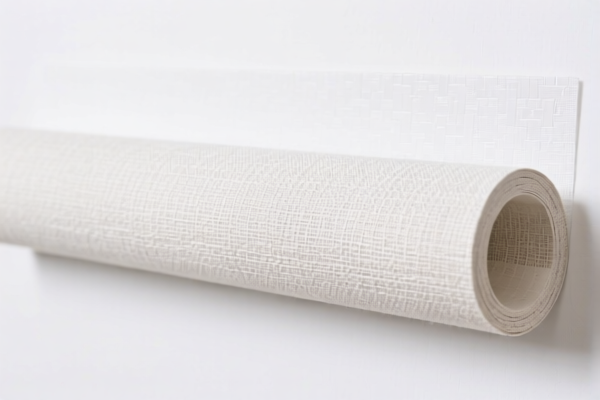
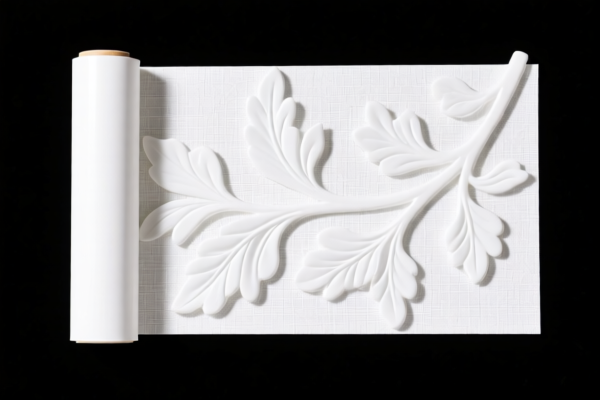
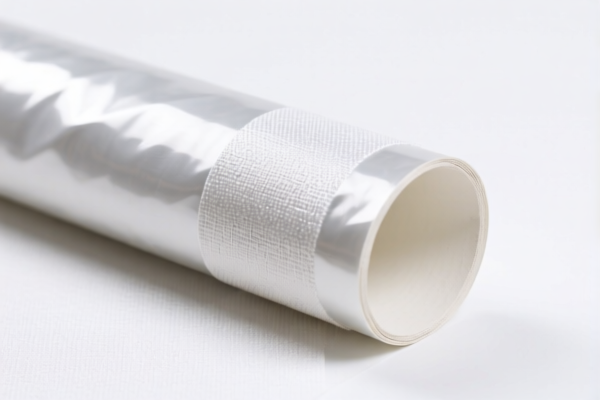
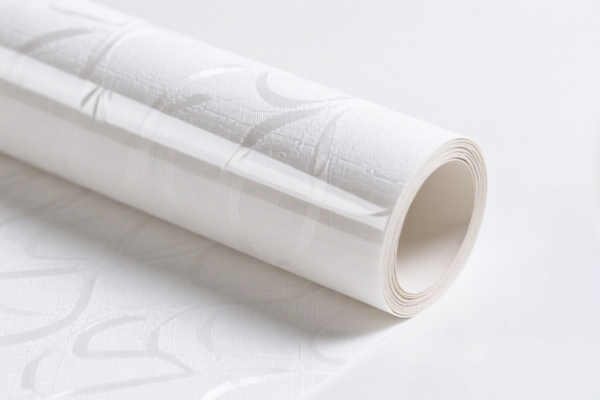
AI分析
🎨 Plastic Wall Decorative Film with Non-woven Fabric Backing
🌐 HS Code Reference & Customs Clearance Guide | 2026 Latest Tariff Analysis | Strategic通关 Strategy for Wall Coverings
📌 I. Product Definition & Classification: Do You Really Understand "Wall Decorative Film"?
Plastic wall decorative film with non-woven fabric backing is a popular material for interior wall covering, known for its durability, ease of installation, and decorative appeal. In international trade, classification depends on the primary material, structure, and intended use. This product combines a plastic layer (often PVC) with a non-woven fabric backing, creating a composite material used specifically for wall decoration.
⚠️ Key Distinction:
- If the product is primarily paper-based with a plastic coating → Consider Chapter 48 (Paper/Paperboard).
- If the product is primarily textile-based (non-woven) with a plastic coating/impregnation → Consider Chapter 59 (Textiles).
- Crucial Test: According to GRI 3(b), if the product is a composite good, it is classified based on the material that gives it its essential character. For wall coverings, the decorative/plastic surface often determines the character, but if the non-woven backing provides structural integrity and the plastic is merely a surface layer, it may lean towards textile classification. However, customs authorities often look at the processing method and commercial description.
📦 II. HS Code Classification Details (2026 Latest Tariff Authority Comparison)
Based on the provided data, here are the relevant HS Codes for "Plastic Wall Decorative Film with Non-woven Fabric Backing":
| HS Code | Product Description | Application | Material Composition | Tax Rate |
|---|---|---|---|---|
4814.20.00.00 |
Plastic-coated paper decorations for wall covering | Wall decoration | Paper base + Plastic layer | 17.5% |
4814.90.02.00 |
Other plastic-covered/layered wall covering materials | Wall covering (other than above) | Plastic sheet/film | 17.5% |
5903.10.20.10 |
Textile fabric impregnated/coated/laminated with PVC (plastic), in sheet form | Wall decoration | Non-woven textile + PVC plastic | 35.0% |
5903.10.20.90 |
Other textile fabrics impregnated/coated/laminated with plastics | Wall covering (other textile types) | Textile + Plastic | 35.0% |
🔍 Critical Analysis:
- Chapters 48 vs. 59: The core debate is whether the product is classified as paper-based (Ch. 48) or textile-based (Ch. 59).
- Non-woven Fabric: Non-woven fabrics are considered textiles under HS nomenclature. Therefore, if the product is explicitly described as having a "non-woven fabric backing" and is coated/impregnated with plastic, it typically falls under Chapter 59.
- Why5903.10.20? This subheading specifically covers "Textile fabrics impregnated, coated, or covered with plastics, in sheet form, of a kind used for wall coverings." The mention of PVC (Polyvinyl Chloride) is common in such films.
- Why NOT4814? Chapter 48 covers paper. If the backing is non-woven fabric (textile), it does not qualify as paper. Therefore,4814.20.00.00and4814.90.02.00are less likely unless the "non-woven" is actually a paper-based non-woven (rare) or the product is primarily paper with a plastic overlay. However, if the customs authority determines the plastic layer is the essential character and the backing is minor, they might force it into Ch. 48. But standard practice for non-woven textile backing is Chapter 59.🚨 Important Note: The provided data includes both Ch. 48 and Ch. 59 codes. Given the explicit mention of "Non-woven Fabric", the Chapter 59 codes (
5903.10.20.10and5903.10.20.90) are the most accurate classification. The Ch. 48 codes may apply if the product is misdescribed or if the non-woven layer is negligible.
💰 III. 2026 Latest Tariff Rate Breakdown (Including Surcharges & Policy Add-ons)
✅ Applicable Country: United States (US)
✅ Country of Origin: China (CN)
✅ Effective Date: From November 10, 2025 (and subsequent imports)
🎯 1. 5903.10.20.10 & 5903.10.20.90 —— Plastic-Coated Textile Wall Coverings (Non-woven Backing)
| Item | Details |
|---|---|
| Base Duty Rate | 0% (ad valorem) |
| USITC Surcharge (Section 301) | +25.0% |
| IEEPA Surcharge (Section 122) | +10.0% |
| Total Tax Rate | 35.0% |
| Calculation Method | CIF Value × 35% |
| De Minimis Exemption Available? | ❌ NO (deny_de_minimis) |
| Legal Basis Path | IEEPA:9903.01.25 → USITC:5903.10.20.10/90 → FOOTNOTE:9903.25.01 |
📌 Explanation:
- "USITC Surcharge 25%": From Section 301 of the Trade Act of 1974, targeting Chinese imports.
- "IEEPA Surcharge 10%": Under the International Emergency Economic Powers Act, additional tariff on Chinese goods.
- Total 35%: This is a high tariff rate, significantly impacting profit margins.
- Why 35%?: Textile-based wall coverings from China are heavily scrutinized and taxed.
🎯 2. 4814.20.00.00 & 4814.90.02.00 —— Plastic-Coated Paper/Paperboard Wall Coverings
| Item | Details |
|---|---|
| Base Duty Rate | 0% (ad valorem) |
| USITC Surcharge (Section 301) | +7.5% |
| IEEPA Surcharge (Section 122) | +10.0% |
| Total Tax Rate | 17.5% |
| Calculation Method | CIF Value × 17.5% |
| De Minimis Exemption Available? | ❌ NO (deny_de_minimis) |
| Legal Basis Path | IEEPA:9903.01.25 → USITC:4814.20.00.00/4814.90.02.00 → FOOTNOTE:9903.08.01 |
📌 Explanation:
- "USITC Surcharge 7.5%": Lower than textile-based products, reflecting different trade policies for paper products.
- "IEEPA Surcharge 10%": Same IEEPA surcharge applies to all Chinese goods.
- Total 17.5%: Significantly lower than Chapter 59. However, this classification is only applicable if the product is deemed primarily paper-based, not textile-based. Misclassifying a non-woven textile product as paper can lead to severe penalties, back taxes, and audits.
🛠️ IV. Customs Clearance Practical Advice (Real-World Pitfall Avoidance Guide)
✅ 1. Preparation Checklist (Essential Documents)
| Document | Required | Notes |
|---|---|---|
| ✅ Product Specification Sheet | ✔️ | Must clearly state: "Non-woven fabric backing", "PVC plastic coating", "For wall decoration" |
| ✅ Material Composition Certificate | ✔️ | Confirm % of non-woven vs. plastic. If non-woven is >50% by weight or value, Chapter 59 is mandatory. |
| ✅ Product Photos | ✔️ | Show cross-section, texture, and packaging. Highlight "Non-woven" side. |
| ✅ Commercial Invoice | ✔️ | Accurate description: "Wall Covering, Plastic-Coated, Non-Woven Backing, PVC, For Interior Use" |
| ✅ Packing List | ✔️ | Include dimensions, weight, and roll size. |
| ✅ Certificate of Origin (CO) | ✔️ | Must be issued by competent authority in China. |
| ✅ Test Reports | ✔️ | Fire retardancy, VOC emissions, durability tests (required for US market). |
✅ 2. Declaration Tips (Key Mnemonics)
🔥 "Non-woven is Textile, Not Paper! Chapter 59 is the Way!"
| Scenario | Correct HS Code | Incorrect HS Code | Consequence |
|---|---|---|---|
| Non-woven backing + Plastic coating | 5903.10.20.10 or 5903.10.20.90 |
4814.20.00.00 |
Misclassification Risk: High audit, back taxes (17.5% vs 35% difference + penalties) |
| Paper backing + Plastic coating | 4814.20.00.00 or 4814.90.02.00 |
5903.10.20.10 |
Lower duty, but risk of being rejected if backing is clearly textile |
| Mixed backing (e.g., paper + non-woven) | Depends on Essential Character | Ambiguous | Consult Customs Broker: Provide cross-section analysis |
📌 Key Point:
- Non-woven fabric is a textile. Do NOT classify it as paper unless the non-woven layer is negligible and the product is primarily paper.
- Always specify "Non-woven" in the description. If you write "Plastic Wall Film" without mentioning the backing, customs may assign the higher duty rate or request clarification.
✅ 3. Special Cases Handling
| Scenario | Recommendation |
|---|---|
| OEM/Custom Design | Provide design blueprints and material specs to prove classification. |
| Sample vs. Bulk | Ensure sample matches bulk in composition. Customs may inspect bulk. |
| Re-export from Third Country | If re-exported from Vietnam/Malaysia, origin changes. Check for Transshipment Rules. |
| Low-Value Shipment | De Minimis Exemption: NOT APPLICABLE. All shipments are subject to 35% or 17.5% tax, regardless of value. |
🌍 V. Global Market Comparison (2026 Latest)
| Country/Region | Recommended HS Code | Tariff (China Origin) | Certification | Notes |
|---|---|---|---|---|
| 🇺🇸 USA | 5903.10.20.10 |
35% | FCC, CA Prop 65, Fire Retardant | High tariff due to Section 301 + IEEPA |
| 🇨🇳 China | 5903.10.20.10 |
5-10% | CCC | Lower duty, but export restrictions may apply |
| 🇪🇺 EU | 5903.10.20.10 |
6.5% | CE, REACH | No additional surcharges, but strict environmental rules |
| 🇬🇧 UK | 5903.10.20.10 |
6.5% | UKCA | Post-Brexit rules apply |
| 🇦🇺 Australia | 5903.10.20.10 |
5% | RCM | Moderate duty, no surcharges |
📌 Conclusion:
- USA has the highest effective tariff (35%) for this product.
- EU and UK are more favorable (6.5%), but require strict compliance with environmental standards (REACH).
- Consider Supply Chain Diversification: If possible, manufacture in Vietnam, Thailand, or India to avoid Chinese-origin surcharges.
📌 VI. Common Errors & Pitfall Avoidance (Lessons Learned)
❌ Mistake 1: Classifying non-woven backing as "paper"
👉 Consequence: Customs rejects declaration, imposes 35% tax retroactively, plus penalties.
✅ Fix: Use 5903.10.20.10 or 5903.10.20.90.
❌ Mistake 2: Omitting "Non-woven" in description
👉 Consequence: Customs assumes generic plastic film, may assign incorrect HS code, leading to audits.
✅ Fix: Always include "Non-woven fabric backing" in commercial invoice.
❌ Mistake 3: Assuming de minimis exemption applies
👉 Consequence: Packages held at border, 35% tax collected, delays.
✅ Fix: Prepare for full duty payment regardless of value.
❌ Mistake 4: Not providing material composition certificate
👉 Consequence: Customs requests additional documentation, causing 2-4 week delays.
✅ Fix: Submit material spec sheet upfront.
🎯 VII. Conclusion: Professional Declaration, Save Time & Money!
🎯 Remember the Mnemonic:
🔹 "Non-woven = Textile = Chapter 59 = 35% Tax!"
🔹 "Paper = Chapter 48 = 17.5% Tax, But Only If It’s Actually Paper!"
🔹 "De Minimis? No! Full Tax Applies!"
📌 Pro Tip:
If your product is originally from Vietnam, Thailand, or Malaysia, you may qualify for lower tariffs and exemptions from Section 301/IEEPA surcharges.
Recommendation:
📞 Consult a Customs Broker + Provide Product Photos + Apply for Advance Ruling (if possible)
🚀 Ensure Accurate Classification from Day 1 to avoid costly delays and penalties!
📣 Take Action Now:
✅ Double-check Material Composition
✅ Use Correct HS Code (5903.10.20.10/90)
✅ Prepare All Documentation in Advance
✨ Professional Customs Clearance Starts with Accurate Classification!
💼 Every Dollar Saved is a Dollar Earned!
用户评价
关于 HS 编码归类
协调制度(HS)是由世界海关组织(WCO)制定的国际贸易商品分类标准。全球 200 多个国家采用 HS 系统作为海关关税、贸易统计和进出口监管的基础。
每个 HS 编码遵循以下层级结构:
- 章(2 位)——商品大类(例如:第 84 章:机器和机械设备)
- 品目(4 位)——章内的更具体分类
- 子目(6 位)——国际通用细分,所有 WCO 成员国统一使用
- 本国细分(8-10 位)——各国自行扩展的细分编码,如美国 HTSUS 10 位编码
正确的 HS 编码归类对于顺利通关、准确缴纳关税和遵守贸易法规至关重要。错误归类可能导致海关延误、多缴关税或罚款。
从CN进口到US时,适用的关税税率可能包括:
- 最惠国(MFN)税率——适用于 WTO 成员国的标准关税税率
- 普通税率——适用于无贸易协定国家
- 贸易救济关税——附加关税,如 301 条款(反倾销)、232 条款(国家安全)或反补贴税
本页内容仅供参考。如需正式归类,请咨询当地海关或持牌报关代理。