Plastic apparel (work)
CN → US| HS编码 | 关税税率 | 原产国 | 目的国 | 文档 |
|---|---|---|---|---|
| 3926206000 | 35.0% | CN | US | 官方文档 |
| 4015900050 | 39.0% | CN | US | 官方文档 |
| 6210207000 | 13.3% | CN | US | 官方文档 |
| 4015900010 | 39.0% | CN | US | 官方文档 |
| 6210203000 | 13.8% | CN | US | 官方文档 |
商品图片


AI分析
👔 Plastic Apparel (Workwear) – The Ultimate Import Guide
🌐 HS Code Reference & Customs Clearance Strategy | 2026 Latest Tariff Analysis | Professional Clearance Protocol
📌 I. Product Definition: What Exactly is "Plastic Apparel"?
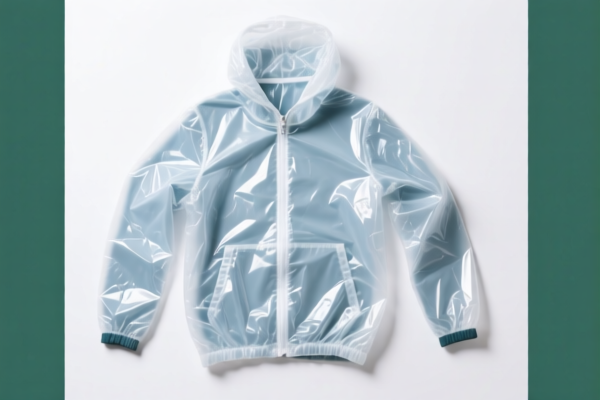
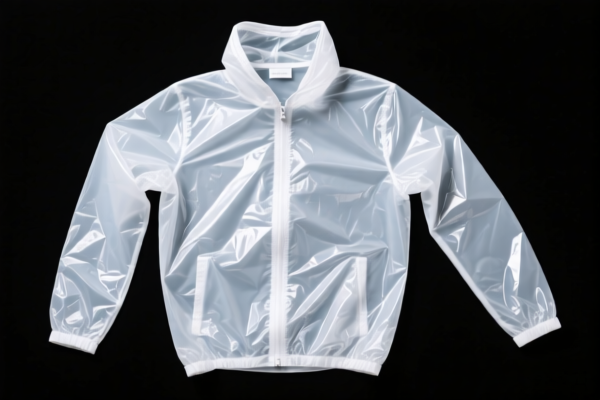
Plastic Apparel (specifically for industrial or work use) refers to protective garments made primarily from plastic materials (such as PVC, polyethylene, or polypropylene) or materials coated/laminated with plastic/rubber. These are not fashion items; they are personal protective equipment (PPE) designed to shield the wearer from chemicals, water, dust, or mechanical hazards.
⚠️ Critical Distinction:
- Pure Plastic Garments: Made entirely of plastic sheets/materials (e.g., disposable coveralls, rain suits) → Typically classified under Chapter 39 (Articles of Plastics).
- Textile-Based with Coating: Textile fabrics (like nylon or cotton) that are impregnated, coated, covered, or laminated with rubber or plastic → Typically classified under Chapter 62 (Articles of Apparel and Clothing Accessories, not knit or crochet).
- Rubber-Based: Made from vulcanized rubber → Typically classified under Chapter 40 (Articles of Rubber).
📦 II. HS Code Classification Details (Based on Provided Data)
The following HS Codes are derived strictly from the provided dataset. Each code reflects a specific material composition or manufacturing process for protective apparel.
| HS Code | Product Description | Material/Composition | Total Tax Rate | Tax Breakdown |
|---|---|---|---|---|
| 3926.20.60.00 | Plastic Protective Apparel | Pure Plastic Material | 35.0% | Base: 0.0% + Section 301: 25.0% + Section 122: 10% |
| 4015.90.00.50 | Vulcanized Rubber Protective Apparel | Rubber (Inferred) | 39.0% | Base: 4.0% + Section 301: 25.0% + Section 122: 10% |
| 6210.20.70.00 | Garments Coated/Laminated with Rubber/Plastic | Textile + Coating/Lamination | 13.3% | Base: 3.3% + Section 301: 0.0% + Section 122: 10% |
| 4015.90.00.10 | Protective Apparel (Vulcanized Rubber Compatible) | Rubber (Compatible) | 39.0% | Base: 4.0% + Section 301: 25.0% + Section 122: 10% |
| 6210.20.30.00 | Garments Coated/Laminated with Rubber/Plastic (Processed) | Textile + Coating/Lamination | 13.8% | Base: 3.8% + Section 301: 0.0% + Section 122: 10% |
🔍 Key Insight:
- Plastic/Rubber Goods (Ch 39/40) face higher total taxes (35-39%) due to the base tariff + 25% Section 301 tariff.
- Coated Textile Goods (Ch 62) face significantly lower total taxes (13.3-13.8%) because Section 301 tariffs often do not apply (0% additional), only the base tariff + 10% Section 122 tariff.
💰 III. 2026 Tariff Rate Detailed Explanation
✅ Applicable Country: United States (US)
✅ Origin: China (CN) (Inferred from "Section 301" and "Section 122" mentions)
✅ Effective Date: Current rates apply as per dataset.
🎯 1. Pure Plastic & Rubber Apparel (High Tax Bracket)
A. HS Code 3926.20.60.00 – Plastic Protective Apparel
| Item | Detail |
|---|---|
| Base Tariff | 0.0% |
| Section 301 Tariff | +25.0% |
| Section 122 Tariff | +10.0% |
| Total Effective Rate | 35.0% |
| Calculation | CIF Value × 35% |
| Note | No base tariff, but hit hard by Section 301. |
B. HS Code 4015.90.00.50 / 4015.90.00.10 – Rubber Protective Apparel
| Item | Detail |
|---|---|
| Base Tariff | 4.0% |
| Section 301 Tariff | +25.0% |
| Section 122 Tariff | +10.0% |
| Total Effective Rate | 39.0% |
| Calculation | CIF Value × 39% |
| Note | Highest tax burden. Applies to vulcanized rubber suits (e.g., chemical resistance suits). |
📌 Explanation:
- Section 301 (25%): Imposed on a wide range of Chinese imports, including many plastic and rubber articles.
- Section 122 (10%): Often applies to imports that threaten to impair US national security or economic interests.
- Why so high? Pure plastic/rubber goods are not considered "textiles" and thus miss out on potential textile-specific exemptions or lower base rates.
🎯 2. Coated/Laminated Textile Apparel (Low Tax Bracket)
C. HS Code 6210.20.70.00 – Coated/Laminated Garments (General)
| Item | Detail |
|---|---|
| Base Tariff | 3.3% |
| Section 301 Tariff | 0.0% |
| Section 122 Tariff | +10.0% |
| Total Effective Rate | 13.3% |
| Calculation | CIF Value × 13.3% |
| Note | Significant Savings! Section 301 does not apply here. |
D. HS Code 6210.20.30.00 – Coated/Laminated Garments (Processed)
| Item | Detail |
|---|---|
| Base Tariff | 3.8% |
| Section 301 Tariff | 0.0% |
| Section 122 Tariff | +10.0% |
| Total Effective Rate | 13.8% |
| Calculation | CIF Value × 13.8% |
| Note | Slightly higher base than 6210.20.70.00, but still much lower than plastic/rubber. |
📌 Explanation:
- Section 301 Exemption: Many textile-based protective garments (even if coated with plastic/rubber) may be excluded from Section 301 tariffs, depending on specific HTSUS subheadings.
- Strategic Advantage: If your product is a textile fabric coated with plastic, it falls under Chapter 62, saving you ~25% in tariffs compared to pure plastic.
🛠️ IV. Customs Clearance Practical Advice
✅ 1. Documentation Checklist (Essential for Clearance)
| Document | Required? | Purpose |
|---|---|---|
| ✅ Product Specification Sheet | ✔️ | Must detail material composition (e.g., "100% Polyester woven fabric, PVC coated") vs. ("100% Polyethylene film"). |
| ✅ Material Composition Declaration | ✔️ | Critical for distinguishing between Ch 39/40 (Plastic/Rubber) and Ch 62 (Textile). |
| ✅ Product Photos | ✔️ | Clear images of seams, coatings, labels, and packaging. |
| ✅ Commercial Invoice | ✔️ | Must describe goods accurately (e.g., "PVC-Coated Rain Suit" vs. "Rubber Protective Suit"). |
| ✅ Packing List | ✔️ | Weight, dimensions, and item count. |
| ✅ Third-Party Certifications | ✔️ | If claiming specific protections (e.g., ANSI/ISEA, NFPA), provide test reports. |
✅ 2. Classification Strategy (How to Save Money)
🔥 "Fabric First, Coating Second: The 25% Saving Secret!"
| Scenario | Correct HS Code | Tax Rate | Why? |
|---|---|---|---|
| Disposable Plastic Suit (No fabric lining) | 3926.20.60.00 |
35.0% | Pure plastic article. |
| Rubber Chemical Suit | 4015.90.00.50 |
39.0% | Pure rubber article. |
| Nylon Raincoat (Woven fabric + PVC coating) | 6210.20.70.00 |
13.3% | Textile base + coating. Section 301 exempt. |
| Polyester Coverall (Fabric + Plastic Lamination) | 6210.20.30.00 |
13.8% | Textile base + lamination. Section 301 exempt. |
📌 Key Tip:
- If your product contains any textile fabric (even as a backing layer) that is then coated or laminated with plastic/rubber, fight for Chapter 62.
- If the product is entirely plastic sheets sewn together (no fabric), it must go to Chapter 39.
✅ 3. Common Pitfalls & How to Avoid Them
| Mistake | Consequence | Solution |
|---|---|---|
| ❌ Mislabeling "Coated Fabric" as "Plastic Garment" | Paying 35% instead of 13.3% | Provide material spec sheet proving textile base. |
| ❌ Mislabeling "Pure Plastic" as "Coated Fabric" | Audit risk, penalties, delayed release | Accurately declare material composition. |
| ❌ Ignoring Section 122 Tariff | Unexpected 10% charge at customs | Budget for 10% Section 122 on all categories. |
| ❌ Incomplete Documentation | CBP request for additional info (RFI) | Include detailed material breakdown in invoice. |
🌍 V. Global Market Comparison (2026 Context)
| Market | Recommended HS Code | Tax Rate (China Origin) | Key Notes |
|---|---|---|---|
| 🇺🇸 USA | 6210.20.70.00 (Preferred) |
13.3% | Lowest due to no Sec 301. |
| 🇺🇸 USA | 3926.20.60.00 (Avoid if possible) |
35.0% | High tax due to Sec 301 + Sec 122. |
| 🇨🇳 China | 6210.20.70.00 |
~5-10% | Check local tariffs for import. |
| 🇪🇺 EU | 6210.20.70.00 |
0-6% | Often 0% for protective clothing; verify EORI. |
| 🇬🇧 UK | 6210.20.70.00 |
0-6% | Post-Brexit rules; check UK Tariff. |
📌 Conclusion:
- USA is the most tax-sensitive market due to Section 301 and 122.
- Chapter 62 (Coated Textiles) is the optimal path for cost-efficient clearance if product design allows.
📌 VI. Final Recommendations
🎯 Action Plan for Importers
- Audit Your Product Composition:
- Does it have a textile fabric base? → Aim for
6210.20.xxxx. -
Is it purely plastic/rubber? → Expect
3926.20.60.00or4015.90.xxxx. -
Optimize Design for Cost Savings:
-
If possible, add a lightweight textile backing to plastic suits to qualify for Chapter 62 tariffs (~25% savings).
-
Prepare for Section 122:
-
All categories include a 10% Section 122 tariff. Factor this into your landed cost calculation.
-
Document Everything:
- Provide clear material breakdowns in commercial invoices and packing lists.
- Use precise descriptions: "Woven Polyester Fabric, PVC Coated, Waterproof Protective Suit" vs. "Plastic Suit".
🎯 VII. Closing Thought
💡 "The difference between 13% and 39% is often just one layer of fabric."
🔹 Chapter 62 (Coated Textiles) = 13.3-13.8% (Best for profit)
🔹 Chapter 39/40 (Pure Plastic/Rubber) = 35-39% (High cost)
🔹 Section 122 (10%) = Applies to All (Mandatory)
📌 Pro Tip:
If you are currently importing 3926.20.60.00 (35% tax), consult with a customs broker about redesigning your product to include a textile lining. This simple change could slash your tariff burden by over 20 percentage points.
📣 Next Steps:
📞 Contact a Customs Broker to confirm HS Code eligibility based on your specific product samples.
📄 Request Pre-Ruling from CBP if your product composition is borderline between Chapter 39 and 62.
💼 Minimize Risk, Maximize Profit with precise classification!
✨ Accurate Classification is the First Step to Efficient Clearance!
🚀 Clear the Hurdles, Keep the Margins!
用户评价
关于 HS 编码归类
协调制度(HS)是由世界海关组织(WCO)制定的国际贸易商品分类标准。全球 200 多个国家采用 HS 系统作为海关关税、贸易统计和进出口监管的基础。
每个 HS 编码遵循以下层级结构:
- 章(2 位)——商品大类(例如:第 84 章:机器和机械设备)
- 品目(4 位)——章内的更具体分类
- 子目(6 位)——国际通用细分,所有 WCO 成员国统一使用
- 本国细分(8-10 位)——各国自行扩展的细分编码,如美国 HTSUS 10 位编码
正确的 HS 编码归类对于顺利通关、准确缴纳关税和遵守贸易法规至关重要。错误归类可能导致海关延误、多缴关税或罚款。
从CN进口到US时,适用的关税税率可能包括:
- 最惠国(MFN)税率——适用于 WTO 成员国的标准关税税率
- 普通税率——适用于无贸易协定国家
- 贸易救济关税——附加关税,如 301 条款(反倾销)、232 条款(国家安全)或反补贴税
本页内容仅供参考。如需正式归类,请咨询当地海关或持牌报关代理。