Plastic paper covered small item pouches
CN → US| HS编码 | 关税税率 | 原产国 | 目的国 | 文档 |
|---|---|---|---|---|
| 4202221500 | 51.0% | CN | US | 官方文档 |
| 4202929700 | 52.6% | CN | US | 官方文档 |
| 3923210030 | 38.0% | CN | US | 官方文档 |
| 6307909891 | 24.5% | CN | US | 官方文档 |
| 6307908940 | 17.0% | CN | US | 官方文档 |
商品图片
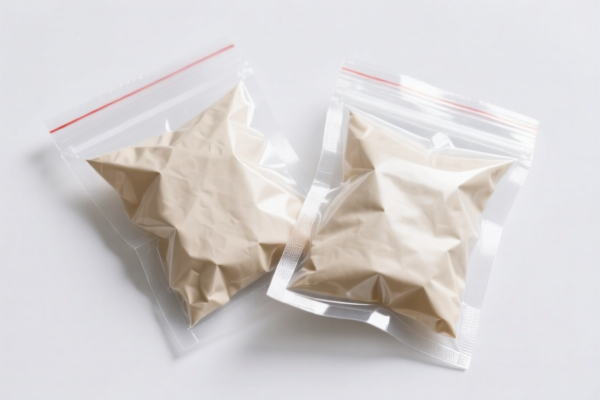
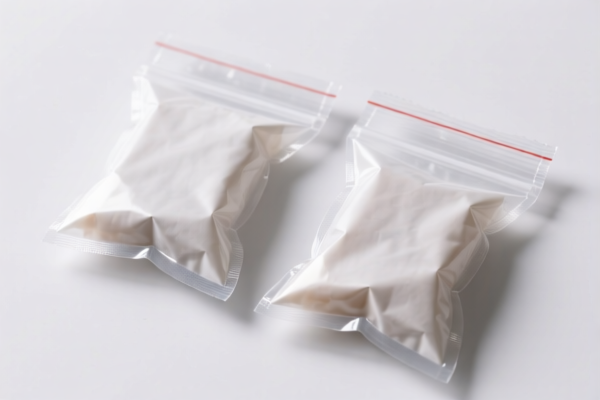
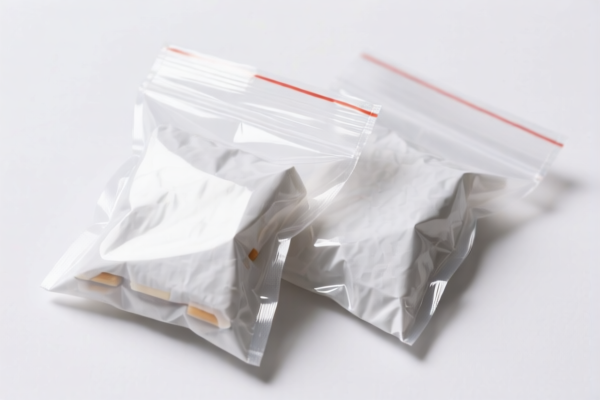
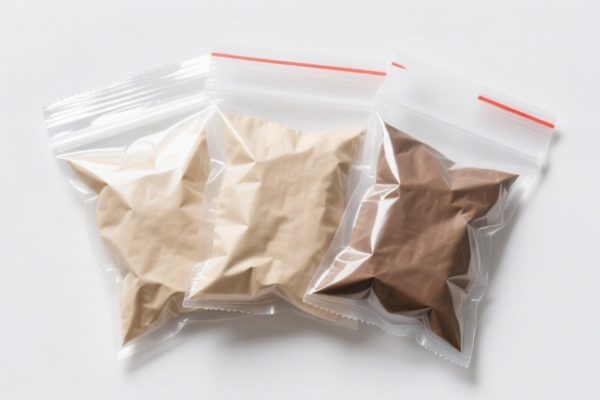
AI分析
🧳 Plastic Paper Covered Small Item Pouches: HS Code Classification & Customs Clearance Guide
🌐 HS Code Reference & Customs Clearance Guide | 2026 Latest Tariff Analysis | Professional Strategy
📌 I. Product Definition & Classification: What Exactly Are "Plastic Paper Covered Small Item Pouches"?
These products are small storage bags/pouches characterized by a composite material structure. The key distinction lies in the outer surface material and the intended use. In international trade, they fall into two main categories based on material composition:
- Plastic-Surfaced Pouches: The outer layer is plastic (e.g., PVC, PE, Vinyl), often laminated with paper or designed to look like paper. These are treated as articles of plastic or articles of leather/plastic substitutes.
- Textile/Cotton Pouches: If the "paper" description is a misnomer for a fabric texture, or if the item is actually made of cotton/cloth, it falls under textile articles.
⚠️ Key Distinction Point:
- If the outer surface is plastic (even if laminated with paper or textured like paper) → Classify under Chapter 42 (Articles of Leather; Plaastic/Synthetic Materials).
- If the material is actually Cotton/Textile → Classify under Chapter 63 (Other Made-Up Textile Articles).
- If it is a simple plastic bag/capsule without the structure of a "pouch" or "bag" → Classify under Chapter 39 (Plastics and Articles Thereof).
📦 II. HS Code Classification Details (2026 Latest Tariff Authority Mapping)
Based on the provided data, here are the four potential HS Codes, ranked by suitability and tax efficiency.
| HS Code | Product Description | Material/Morphology Match | Total Tax Rate (China→US) | Key Tax Components |
|--------|----------|----------|----------|
| 4202.22.15.00 | Plastic Sheets/Laminates: Pouches with outer surface of plastic sheets. | ✅ Best Match for "Plastic Paper Covered". Matches "Plastic" material requirement and "Bag/Pouch" form. | 51.0% | Base: 16.0% + Section 301: 25.0% + 122 Clause: 10.0% |
| 4202.92.97.00 | Other Articles of Plastic: Shopping bags, bottle bags, similar containers of plastic. | ✅ Strong Match. Matches "Plastic" material and "Bag/Pouch" utility. | 52.6% | Base: 17.6% + Section 301: 25.0% + 122 Clause: 10.0% |
| 3923.21.00.30 | Sacks/Bags of Plastics: Sacks and bags for packing, plastic film. | ⚠️ Fallback Option. Matches material (Plastic) and form (Bag/Capsule). Used if the item is deemed a simple "bag" rather than a structured "pouch". | 38.0% | Base: 3.0% + Section 301: 25.0% + 122 Clause: 10.0% |
| 6307.90.98.91 | Other Made-Up Textile Articles: Cotton small item bags. | ❌ Mismatch (If plastic). Only applicable if the product is Cotton. Low tax but high risk if misclassified. | 24.5% | Base: 7.0% + Section 301: 7.5% + 122 Clause: 10.0% |
| 6307.90.89.40 | Other Made-Up Textile Articles: Cotton small item bags (Specific Subcategory). | ❌ Mismatch (If plastic). Only applicable if the product is Cotton. | 17.0% | Base: 7.0% + Section 301: 0.0% + 122 Clause: 10.0% |
🔍 Critical Note:
- "Plastic Paper Covered" typically implies a plastic outer layer with a paper-like finish or lamination. This falls squarely under Chapter 42 (Articles of Plastic/Leather).
- Do NOT classify as Textile (6307) unless you can prove the primary material is cotton/fabric. Misclassification leads to significant penalties.
- Do NOT classify as simple Plastic Bags (3923) if the item has the structure of a pouch (handles, zippers, structured shape), as Chapter 42 is more specific for "bags/pouches" of this nature.
💰 III. 2026 Latest Tariff Rate Breakdown (Detailed Tax Policy Analysis)
✅ Applicable Country: United States (US)
✅ Origin: China (CN)
✅ Effective Date: November 10, 2025 (and subsequent imports)
🎯 1. 4202.22.15.00 — Plastic Sheets/Laminates (Recommended for Plastic-Surfaced Pouches)
| Item | Content |
|---|---|
| Base Tariff | 16.0% |
| Section 301 Tariff | +25.0% (USITC Footnote 9903.88.01) |
| Section 122 Tariff | +10.0% (USITC Footnote 9903.01.25) |
| Total Tariff | 51.0% |
| Calculation Basis | CIF Value × 51.0% |
| De Minimis Exemption | ❌ Not Eligible (Section 301 and 122 tariffs apply to all values) |
| Legal Path | IEEPA:9903.01.25 (122 Clause) → USITC:4202.22.15.00 → FOOTNOTE:9903.88.01 (301 Clause) |
📌 Explanation:
- This is the most accurate classification for "Plastic Paper Covered" pouches because the outer surface is plastic.
- The 51.0% rate is high but reflects the specific nature of the product as a finished article of plastic, not raw material.
🎯 2. 4202.92.97.00 — Other Plastic Articles (Shopping Bags, etc.)
| Item | Content |
|---|---|
| Base Tariff | 17.6% |
| Section 301 Tariff | +25.0% |
| Section 122 Tariff | +10.0% |
| Total Tariff | 52.6% |
| Calculation Basis | CIF Value × 52.6% |
| De Minimis Exemption | ❌ Not Eligible |
| Legal Path | IEEPA:9903.01.25 → USITC:4202.92.97.00 → FOOTNOTE:9903.88.01 |
📌 Note:
- This code is a fallback for plastic bags/pouches that don't fit specifically into "handbags" or "wallets" (4202.22).
- Avoid if4202.22.15.00is applicable, as it is 1.6% more expensive.
🎯 3. 3923.21.00.30 — Plastic Sacks/Bags (Fallback for Simple Bags)
| Item | Content |
|---|---|
| Base Tariff | 3.0% |
| Section 301 Tariff | +25.0% |
| Section 122 Tariff | +10.0% |
| Total Tariff | 38.0% |
| Calculation Basis | CIF Value × 38.0% |
| De Minimis Exemption | ❌ Not Eligible |
| Legal Path | IEEPA:9903.01.25 → USITC:3923.21.00.30 → FOOTNOTE:9903.88.01 |
📌 Warning:
- This code is cheaper (38.0%) but risky.
- It is intended for simple plastic sacks/bags (like produce bags or shipping sacks).
- If your "pouch" has structure, zippers, handles, or is marketed as a "small item bag" (not a sack), CBP may challenge this classification and reclassify to Chapter 42, leading to back taxes + penalties.
🎯 4. 6307.90.98.91 & 6307.90.89.40 — Cotton/Textile Pouches (ONLY if Material is Cotton)
| Item | Content |
|---|---|
| Base Tariff | 7.0% |
| Section 301 Tariff | 7.5% (or 0% for 6307.90.89.40) |
| Section 122 Tariff | +10.0% |
| Total Tariff | 24.5% (or 17.0%) |
| De Minimis Exemption | ❌ Not Eligible (Section 301/122 still apply to China) |
📌 Critical:
- DO NOT USE these codes if the product is Plastic.
- Only use if the product is 100% Cotton or Textile-based.
- If you misclassify plastic as cotton, the penalty for undervaluation/false declaration is severe.
🛠️ IV. Customs Clearance Practical Advice (Avoid Pitfalls)
✅ 1. Documentation Checklist (Must-Haves)
| Document | Required? | Purpose |
|---|---|---|
| ✅ Product Specification Sheet | ✔️ | Must clearly state: "Outer Surface: Plastic (PVC/PE/Vinyl)" or "Material: Cotton". Avoid vague terms like "Paper-Look". |
| ✅ Product Photos | ✔️ | Show the outer layer texture. If it cracks/bends like plastic, it’s plastic. |
| ✅ Bill of Lading / Invoice | ✔️ | Clearly describe as "Plastic Laminated Pouch" or "Vinyl Small Item Bag". |
| ✅ Material Composition Statement | ✔️ | Explicitly state: "100% Plastic Outer Layer, Paper Lamination Inside" if applicable. |
✅ 2. Declaration Tips (Key Mantras)
🔥 "Plastic Outer = Chapter 42; Simple Bag = Chapter 39; Cotton = Chapter 63."
| Scenario | Correct Declaration | Wrong Declaration | Risk |
|---|---|---|---|
| Pouch with Plastic Outer | 4202.22.15.00 |
3923.21.00.30 |
Penalty: CBP may reclassify to Chapter 42, leading to 13% higher tax + interest. |
| Simple Plastic Ziploc Bag | 3923.21.00.30 |
4202.22.15.00 |
Overpayment: Paying 51% instead of 38%. |
| Cotton Bag | 6307.90.98.91 |
4202.22.15.00 |
Penalty: False declaration. |
✅ 3. Special Handling
| Situation | Advice |
|---|---|
| "Paper-Look" Plastic | If the product is plastic but printed/finished to look like paper, still classify as Plastic (4202). CBP looks at the primary material of the outer surface. |
| Composite Materials | If the pouch has a plastic outer layer and cotton inner lining, the outer surface material determines classification. Chapter 42 applies. |
| De Minimis (Section 321) | NOT ELIGIBLE. Section 301 and 122 tariffs apply to all shipments from China, regardless of value ($800 de minimis threshold does not exempt these tariffs). |
🌍 V. Global Market Comparison (2026 Latest)
| Country/Region | Recommended HS Code | Tariff (China) | Notes |
|---|---|---|---|
| 🇺🇸 USA | 4202.22.15.00 |
51.0% | High tariff due to Section 301 + 122. |
| 🇨🇳 China | 4202.22.15.00 |
~5-10% | Low import tariff. |
| 🇪🇺 EU | 4202.22.15.00 |
~5% | No Section 301/122 equivalent. |
| 🇬🇧 UK | 4202.22.15.00 |
~5% | Post-Brexit tariff applies. |
📌 Conclusion:
- USA is the most expensive market due to 51.0% total tariff.
- Cost Optimization: Consider sourcing from Vietnam, Mexico, or Thailand to avoid US Section 301/122 tariffs (if applicable).
- Pre-Ruling: Apply for an Advance Ruling from CBP to confirm4202.22.15.00vs.3923.21.00.30to avoid disputes.
📌 VI. Common Mistakes & Pitfalls (Blood & Tears Lessons)
❌ Mistake 1: Declaring "Plastic Paper Pouch" as "Cotton Bag" (6307) to save tax.
👉 Result: CBP inspection reveals plastic. Back taxes + 5x penalty.
❌ Mistake 2: Declaring structured pouches as "Plastic Bags" (3923) to pay 38% instead of 51%.
👉 Result: CBP argues it's a "pouch" not a "sack". Reclassification to 4202 + interest.
❌ Mistake 3: Assuming Section 321 ($800 de minimis) exempts Section 301/122 tariffs.
👉 Result: Section 301 and 122 apply to ALL shipments from China, even under $800.
✅ Correct Practice:
"Plastic Laminated Pouch, Outer Surface: PVC, For Small Items, Model XYZ, HS Code 4202.22.15.00"
🎯 VII. Conclusion: Precision in Classification Saves Money!
🎯 Remember:
🔹 "Plastic Outer = Chapter 42 (51%);
🔹 "Simple Bag = Chapter 39 (38%);
🔹 "Cotton = Chapter 63 (17-24%);
🔹 "Misclassification = Penalties!""
📌 Pro Tip:
If your product is plastic but you want to avoid the 51% tariff, consider:
1. Sourcing from non-China countries (Vietnam, Mexico, etc.).
2. Applying for an Exclusion (if available).
3. Structuring the product as a simple "plastic sack" (3923) if possible (risky, requires strong justification).
📣 Immediate Action:
📞 Consult a Customs Broker + Provide Product Samples + Apply for CBP Pre-Ruling.
🚀 Ensure Smooth Customs Clearance, Avoid Surprises, Maximize Profit!
✨ Professional Clearance Starts with Accurate Classification!
💼 Every Dollar Saved on Tariffs is Pure Profit!
用户评价
关于 HS 编码归类
协调制度(HS)是由世界海关组织(WCO)制定的国际贸易商品分类标准。全球 200 多个国家采用 HS 系统作为海关关税、贸易统计和进出口监管的基础。
每个 HS 编码遵循以下层级结构:
- 章(2 位)——商品大类(例如:第 84 章:机器和机械设备)
- 品目(4 位)——章内的更具体分类
- 子目(6 位)——国际通用细分,所有 WCO 成员国统一使用
- 本国细分(8-10 位)——各国自行扩展的细分编码,如美国 HTSUS 10 位编码
正确的 HS 编码归类对于顺利通关、准确缴纳关税和遵守贸易法规至关重要。错误归类可能导致海关延误、多缴关税或罚款。
从CN进口到US时,适用的关税税率可能包括:
- 最惠国(MFN)税率——适用于 WTO 成员国的标准关税税率
- 普通税率——适用于无贸易协定国家
- 贸易救济关税——附加关税,如 301 条款(反倾销)、232 条款(国家安全)或反补贴税
本页内容仅供参考。如需正式归类,请咨询当地海关或持牌报关代理。