Platinum (Platinum Group Metal)
CN → US商品图片
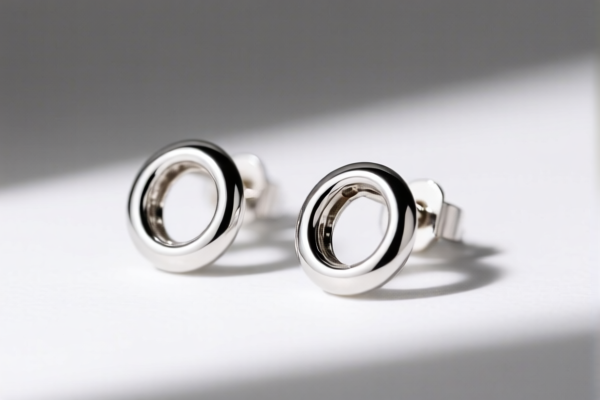
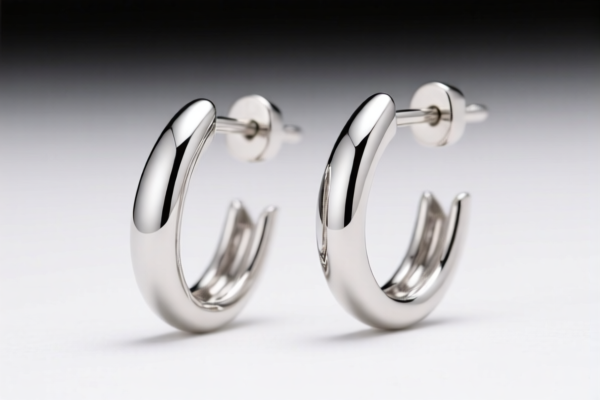
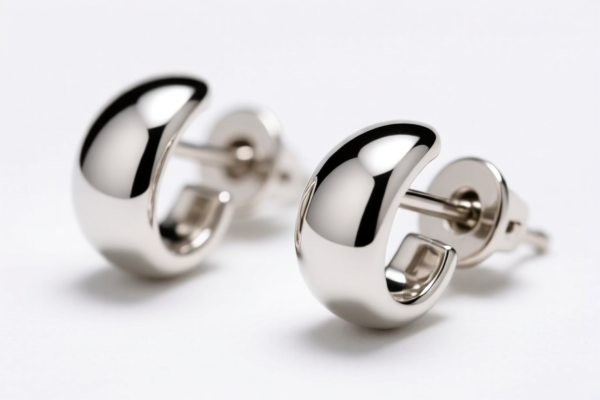
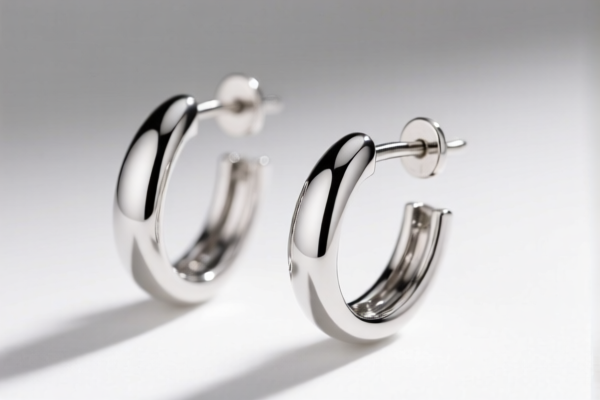
AI分析
💎 Platinum (Platinum Group Metal: PGM)
🌐 HS Code Reference & Customs Clearance Guide | 2026 Latest Tariff Analysis | Professional Entry Strategy
📌 I. Product Definition & Classification: What Exactly is "Platinum"?
Platinum (Symbol: Pt, Atomic Number: 78) is a dense, malleable, ductile, corrosion-resistant, lustrous silvery-white transition metal. It is the densest of the stable elements and one of the rarest surface elements.
In international trade, Platinum is strictly categorized under Chapter 71 (Natural or Cultured Pearls, Precious or Semi-Precious Stones, Precious Metals, Metals Clad with Precious Metal, and Articles Thereof; Imitation Jewelry; Coinage).
Key Distinctions for Classification: 1. Raw Material vs. Manufactured Article: * Unwrought Platinum: Raw bars, ingots, powder, or grains. → HS 7110. * Wrought/Manufactured Platinum: Sheets, wires, tubes, jewelry, or industrial catalysts that are shaped but not yet specific machines. → HS 7110 (if base material) or Chapter 85/82 (if specific finished goods like catalytic converters or electrodes, though often still classified under PGM depending on duty-free status for specific industrial uses). * Alloys: Platinum alloys are generally treated as Platinum if Platinum is the predominant component.
⚠️ Critical Distinction:
- If the item is platinum-plated or clad with a small amount of platinum over base metal, it does NOT fall under HS 7110. It falls under HS 7114 or HS 7113 depending on the base.
- Pure Platinum (≥95% Pt) vs. PGM Alloys: Customs requires precise assay reports. "Platinum Group Metals" (PGM) includes Ruthenium, Rhodium, Palladium, Osmium, Iridium, and Platinum. Each has specific HS codes. This guide focuses on Platinum (Pt).
📦 II. HS Code Classification Details (2026 Latest Tariff Concordance)
| HS Code | Product Description | Applicable Scenario | Purity/State |
|---|---|---|---|
7110.11.00 |
Platinum, unwrought | Raw bars, ingots, sponge, powder | Unwrought |
7110.19.00 |
Platinum, wrought (including powder) | Sheets, wires, tubes, rolled forms | Wrought |
7110.21.00 |
Palladium, unwrought | Raw Palladium (Common PGM confusion) | Unwrought |
7110.29.00 |
Palladium, wrought | Manufactured Palladium | Wrought |
7110.41.00 |
Rhodium, unwrought | Raw Rhodium | Unwrought |
7110.49.00 |
Rhodium, wrought | Manufactured Rhodium | Wrought |
7110.50.00 |
Iridium, Osmium, Ruthenium, Unwrought | Rare PGMs | Unwrought |
7110.91.00 |
Iridium, Osmium, Ruthenium, Wrought | Rare PGMs | Wrought |
🔍 Key Reminder:
- 7110.11/19 are the primary codes for Platinum.
- Duty-Free Status: In many major markets (US, EU, China), raw precious metals in Chapter 71 often enjoy 0% MFN Duty, but this is subject to specific trade agreements and "de minimis" thresholds.
- Alloys: If the platinum content is ≥50% by weight, it is generally classified as Platinum. If <50%, it may be classified under base metal chapters (e.g., Chapter 81 for Ruthenium/Iridium as base metals if Pt is minor).
💰 III. 2026 Latest Tariff Rate Details (Including Surcharges & Policy Add-ons)
✅ Applicable Country: United States (US)
✅ Country of Origin: China (CN)
✅ Effective Date: Post-2025 Trade Policies (Section 301 & IEEPA)
🎯 1. 7110.11.00 / 7110.19.00 —— Platinum (Unwrought/Wrought)
| Item | Content |
|---|---|
| Base MFN Rate | 0% (General Ad Valorem) |
| Section 301 Additional Duty | +25% (Footnote 9903.88.01 applies to many metal products; check specific subheading exclusions) |
| IEEPA Additional Duty | +10% (For China-origin PGMs, effective from Nov 2025) |
| Total Effective Rate | 35% |
| Tax Calculation | CIF Value × 35% |
| De Minimis Eligibility | ❌ None (Precious metals are exempt from Section 321 de minimis) |
| Legal Authority Path | USITC:7110.11.00 → FOOTNOTE:9903.88.01 → IEEPA:9903.01.25 |
📌 Explanation:
- Although the base MFN rate is 0%, Section 301 tariffs heavily impact Chinese-origin industrial metals, including PGMs.
- The IEEPA 10% surcharge is a new layer for strategic materials.
- Total 35% is a significant cost factor for Chinese platinum imports into the US.
- Exclusions: Some specific industrial applications may qualify for Section 301 exclusions, but they are rare and require active renewal.
🎯 2. 7110.91.00 —— Other PGMs (Iridium, Osmium, Ruthenium, Wrought)
| Item | Content |
|---|---|
| Base MFN Rate | 0% |
| Section 301 Additional Duty | +25% |
| IEEPA Additional Duty | +10% |
| Total Effective Rate | 35% |
| De Minimis Eligibility | ❌ None |
📌 Note:
- All PGMs from China face similar high tariffs due to their strategic importance in electronics, healthcare, and catalysis.
🛠️ IV. Customs Clearance Operational Advice (Practical Pitfall Guide)
✅ 1. Required Documentation Checklist
| Document | Must Provide | Explanation |
|---|---|---|
| ✅ Assay Certificate | ✔️ | Must specify Pt purity (e.g., 99.95%) issued by a recognized lab (e.g., LBMA). |
| ✅ Commercial Invoice | ✔️ | Clearly state "Platinum, Unwrought, Origin: China, HS 7110.11.00". |
| ✅ Packing List | ✔️ | Detailed weight, volume, and packaging type. |
| ✅ Bill of Lading/Air Waybill | ✔️ | Standard shipping docs. |
| ✅ FEMA/FDA Clearance | ✔️ | If used for jewelry or medical devices, additional safety data may be required. |
| ✅ Section 301 Exclusion Letter | ✔️ | If applicable, provide the exclusion number. |
✅ 2. Declaration Tips (Key Mantra)
🔥 "Pure Pt to 7110, Alloy to Check, 35% Tariff for China, De Minimis No Chance!"
| Scenario | Correct Declaration | Wrong Practice |
|---|---|---|
| Raw Platinum Bars | 7110.11.00 |
Misdeclare as "Base Metal" → Higher duty |
| Platinum Wire | 7110.19.00 |
Misdeclare as "Jewelry" → Different duty |
| Platinum-Plated Jewelry | HS 7113.19 |
Misdeclare as 7110 → Smuggling risk |
| Pt Powder for Catalysts | 7110.19.00 |
Misdeclare as "Chemical" → Wrong Chapter |
✅ 3. Special Cases Handling
| Situation | Handling Advice |
|---|---|
| OEM Platinum Parts | If the part is primarily platinum (e.g., crucible), use 7110. If it's a machine with Pt lining, check Chapter 84/85. |
| Recycled Platinum | Still classified under 7110 but may require additional environmental compliance docs. |
| Platinum Alloys | If Pt <50%, classify under base metal chapter (e.g., 8112 for Ruthenium). Consult a broker. |
| Small Quantity (<10g) | Still subject to 0% de minimis exemption. All platinum imports are taxable. |
🌍 V. Global Market Comparison (2026 Latest)
| Country/Region | Recommended HS Code | Tariff | Certification | Notes |
|---|---|---|---|---|
| 🇺🇸 USA | 7110.11.00 |
35% (CN Origin) | No special cert | High Section 301 impact |
| 🇨🇳 China | 7110.11.00 |
0% | None | Import duty-free, VAT 13% |
| 🇪🇺 EU | 7110.11.00 |
0% | REACH | No additional duties |
| 🇬🇧 UK | 7110.11.00 |
0% | UKCA | Post-Brexit alignment |
| 🇯🇵 Japan | 7110.11.00 |
0% | PSE (if electronic) | Free trade under JETPA |
📌 Conclusion:
- USA is the most challenging market due to 35% effective tariff on Chinese platinum.
- China, EU, Japan, UK offer 0% import duty for raw platinum, making them favorable for re-export or domestic use.
- Strategic Advice: If importing into the US, consider sourcing from South Africa or Russia (if sanctions allow) to avoid Section 301, or use free trade zones.
📌 VI. Common Errors & Pitfalls (Lessons Learned)
❌ Error 1: Declaring Platinum as "Base Metal" to avoid Chapter 71 scrutiny
👉 Consequence: Customs audit, fines, and potential seizure for misclassification.
❌ Error 2: Ignoring the IEEPA 10% surcharge in cost calculation
👉 Consequence: Underestimating landed cost by 10%, leading to margin erosion.
❌ Error 3: Assuming "De Minimis" applies to small platinum shipments
👉 Consequence: Packages held at border, delayed clearance, and unexpected duty bills.
❌ Error 4: Confusing Platinum with Platinum-Plated goods
👉 Consequence: HS Code mismatch, leading to incorrect duty assessment and potential fraud allegations.
✅ Correct Practice:
"Platinum, Unwrought, Purity 99.95%, Origin: China, HS 7110.11.00, Assay Certificate Attached"
🎯 VII. Conclusion: Precision Classification, Cost Optimization!
🎯 Remember the Mantra:
🔹 "Pt is 7110, 35% for China, No De Minimis!"
🔹 "Assay is Key, Duty is Free in EU, Tariff High in US!"
📌 Tips:
- If your platinum is originating from South Africa, it may qualify for AGOA benefits, reducing Section 301 impact.
- Pre-shipment Inspection and Third-Party Assay are crucial to avoid customs disputes.
- For industrial uses (e.g., catalytic converters), ensure the HS Code matches the intended use if specific exemptions apply.
📣 Immediate Action:
📞 Contact a licensed customs broker + Provide Assay Certificate + Verify Section 301 Exclusions
🚀 Let your platinum, clear smoothly, cost-efficiently, and profitably!
✨ Professional Customs, Starting from Accurate Classification!
💼 Every Penny of Duty Matters in the PGM Market!
用户评价
关于 HS 编码归类
协调制度(HS)是由世界海关组织(WCO)制定的国际贸易商品分类标准。全球 200 多个国家采用 HS 系统作为海关关税、贸易统计和进出口监管的基础。
每个 HS 编码遵循以下层级结构:
- 章(2 位)——商品大类(例如:第 84 章:机器和机械设备)
- 品目(4 位)——章内的更具体分类
- 子目(6 位)——国际通用细分,所有 WCO 成员国统一使用
- 本国细分(8-10 位)——各国自行扩展的细分编码,如美国 HTSUS 10 位编码
正确的 HS 编码归类对于顺利通关、准确缴纳关税和遵守贸易法规至关重要。错误归类可能导致海关延误、多缴关税或罚款。
从CN进口到US时,适用的关税税率可能包括:
- 最惠国(MFN)税率——适用于 WTO 成员国的标准关税税率
- 普通税率——适用于无贸易协定国家
- 贸易救济关税——附加关税,如 301 条款(反倾销)、232 条款(国家安全)或反补贴税
本页内容仅供参考。如需正式归类,请咨询当地海关或持牌报关代理。