Platinum Fox Fur (Unassembled)
CN → US| HS编码 | 关税税率 | 原产国 | 目的国 | 文档 |
|---|---|---|---|---|
| 4301603000 | 22.6% | CN | US | 官方文档 |
| 4301606000 | 17.5% | CN | US | 官方文档 |
| 4302191500 | 40.6% | CN | US | 官方文档 |
| 4302193030 | 36.5% | CN | US | 官方文档 |
| 4301900000 | 10.0% | CN | US | 官方文档 |
商品图片
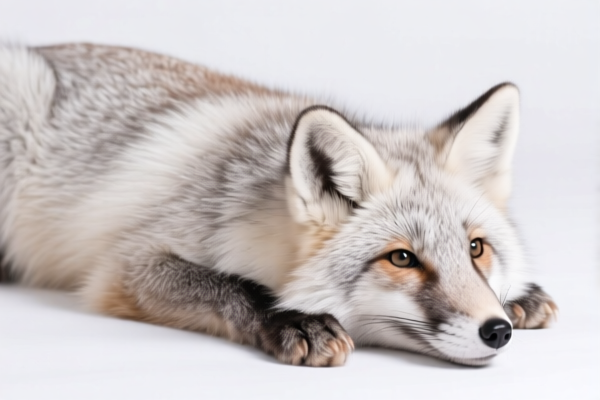
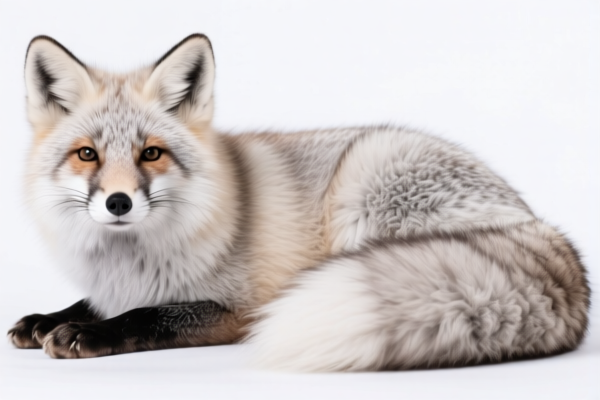
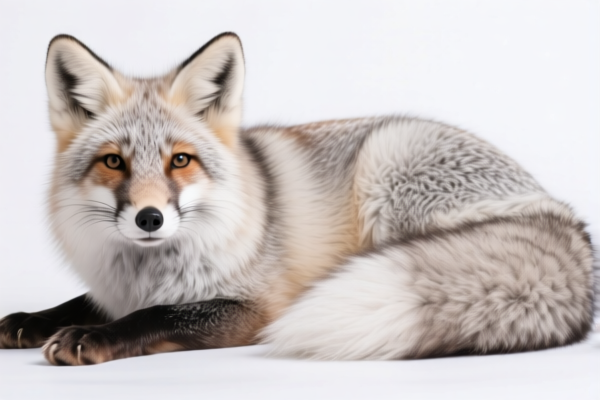
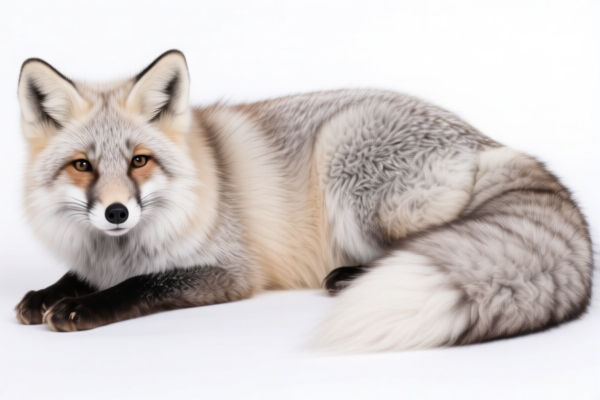
AI分析
🦊 Platinum Fox Fur (Unassembled) | Raw Skins Classification Guide
🌐 HS Code Reference & Customs Clearance Guide | 2026 Latest Tariff Analysis | Professional Strategy for Luxury Goods
📌 I. Product Definition & Classification: Understanding the "Unassembled" State
Platinum Fox Fur, known for its exquisite white coat and blue-gray undertones, is a high-value luxury raw material. In international trade, the classification of these skins depends strictly on their physical state (unassembled vs. assembled) and processing level.
Key Distinction:
- Raw Skins (Unassembled): Skins removed from the animal, salted or preserved, but not yet tanned, dressed, or assembled into panels. These fall under Chapter 43, Section 4301 or 4302.
- Processed/Assembled Skins: Once tanned, dressed, or sewn together, the classification shifts (though your data focuses on the unassembled state).
⚠️ Critical Classification Point:
The term "Unassembled" is the key driver for tariff differences. Customs authorities look for specific morphological features (e.g., whole skin, fragments, specific species) to determine the correct 10-digit HS Code.
📦 II. HS Code Classification Details (2026 Latest Tariff Authority)
Based on the provided data, here are the five specific classifications for Platinum Fox Fur (Unassembled) and their corresponding tax structures.
| HS Code | Product Description | Key Characteristics | Total Tax Rate |
|---|---|---|---|
4301.60.30.00 |
Platinum Fox Fur (Unassembled) | Matches raw hide characteristics; general raw fur skin. | 22.6% |
4301.60.60.00 |
Platinum Fox Fur (Unassembled) | Meets fox raw hide material requirements; distinct from other classifications. | 17.5% |
4302.19.15.00 |
Platinum Fox (Unassembled Furskins) | Full furskins, unprepared/unassembled; specific species & state requirement. | 40.6% |
4302.19.30.30 |
Platinum Fox Fur (Unassembled & Undyed) | Unassembled AND undyed; specific classification for natural color raw skins. | 36.5% |
4301.90.00.00 |
Fox Furskins (Unassembled Fragments) | Fragmented, sliced, or chopped fur pieces (not whole skins). | 10.0% |
🔍 Important Note:
- HS 4301 vs. 4302: HS 4301 typically covers raw hides/skins, while 4302 covers tanned or dressed furskins. However, some "unassembled" codes in 4302 may refer to specific preparatory stages or specific national interpretations. Always verify the specific definition in your destination country's tariff book. - Fragmented vs. Whole: If the fox skins are cut into pieces (snips/chips) rather than whole skins, they fall under4301.90.00.00, which has a significantly lower base tariff.
💰 III. 2026 Latest Tariff Rate Breakdown (Including Additional Duties)
✅ Applicable Country: United States (US)
✅ Origin: Likely China (based on "Section 122" and "301" terminology in data)
✅ Effective Date: Current rates apply.
🎯 1. 4301.60.30.00 – Platinum Fox Fur (Raw Hide Classification)
| Item | Detail |
|---|---|
| Base Tariff | 5.1% |
| Section 301 Additional Duty | 7.5% |
| Section 122 Duty | 10.0% |
| Total Effective Rate | 22.6% |
| Calculation Base | CIF Value × 22.6% |
| De Minimis Exemption | ❌ Not Applicable (Luxury goods/raw materials usually excluded) |
| Legal Basis | USITC Tariff Schedule + Section 301 Footnotes + Section 122 Specifics |
📌 Explanation:
- This classification treats the fur as a general raw hide under Chapter 4301. - The Section 122 duty (10%) is a specific punitive tariff often applied to certain Chinese-origin goods. - The Section 301 duty (7.5%) is part of the broader US-China trade war tariffs.
🎯 2. 4301.60.60.00 – Platinum Fox Fur (Material Requirement Match)
| Item | Detail |
|---|---|
| Base Tariff | 0.0% |
| Section 301 Additional Duty | 7.5% |
| Section 122 Duty | 10.0% |
| Total Effective Rate | 17.5% |
| Calculation Base | CIF Value × 17.5% |
| De Minimis Exemption | ❌ Not Applicable |
| Legal Basis | USITC Tariff Schedule + Section 301 Footnotes + Section 122 Specifics |
📌 Key Advantage:
- This code has a 0% base tariff, making it 5.1% cheaper than4301.60.30.00. - Eligibility depends on strict adherence to the "fox raw hide material requirement" definition. Ensure your documentation clearly states the material composition and lack of tanning.
🎯 3. 4302.19.15.00 – Platinum Fox (Unassembled Furskins)
| Item | Detail |
|---|---|
| Base Tariff | 5.6% |
| Section 301 Additional Duty | 25.0% |
| Section 122 Duty | 10.0% |
| Total Effective Rate | 40.6% |
| Calculation Base | CIF Value × 40.6% |
| De Minimis Exemption | ❌ Not Applicable |
| Legal Basis | USITC Tariff Schedule + Section 301 Footnotes (High Tier) + Section 122 |
📌 High Cost Warning:
- The 25% Section 301 duty indicates this classification is viewed more favorably by trade remedies (or targeted heavily). - This is the most expensive classification in the list. Avoid this code unless the product strictly fits the "Unassembled Furskin" definition under 4302.
🎯 4. 4302.19.30.30 – Platinum Fox Fur (Unassembled & Undyed)
| Item | Detail |
|---|---|
| Base Tariff | 1.5% |
| Section 301 Additional Duty | 25.0% |
| Section 122 Duty | 10.0% |
| Total Effective Rate | 36.5% |
| Calculation Base | CIF Value × 36.5% |
| De Minimis Exemption | ❌ Not Applicable |
| Legal Basis | USITC Tariff Schedule + Section 301 Footnotes + Section 122 |
📌 Note:
- The "Undyed" specification is critical. If the fur is dyed, it may not qualify for this specific subheading. - Despite a low base tariff (1.5%), the high Section 301 duty (25%) makes it costly.
🎯 5. 4301.90.00.00 – Fox Furskins (Unassembled Fragments)
| Item | Detail |
|---|---|
| Base Tariff | 0.0% |
| Section 301 Additional Duty | 0.0% |
| Section 122 Duty | 10.0% |
| Total Effective Rate | 10.0% |
| Calculation Base | CIF Value × 10.0% |
| De Minimis Exemption | ❌ Not Applicable (Check specific thresholds for raw materials) |
| Legal Basis | USITC Tariff Schedule + Section 122 Only |
📌 Lowest Cost Option:
- If the fur is sold as fragments, snips, or slices (not whole skins), this code offers the lowest total tax at 10%. - 0% Base and 0% Section 301 are significant savings. - Caution: You must prove the item is fragmented. Whole skins misdeclared as fragments will lead to severe penalties.
🛠️ IV. Customs Clearance Practical Advice (Pitfall Avoidance Guide)
✅ 1. Essential Documentation Checklist
| Document | Requirement | Reason |
|---|---|---|
| Commercial Invoice | Must specify: "Platinum Fox Fur," "Unassembled," "Undyed" (if applicable), and "Form" (Whole vs. Fragment). | Determines HS Code classification. |
| Packing List | Detail net/gross weight and count of skins/fragments. | Customs verifies volume vs. declared value. |
| Photographs | Clear images showing the skin condition (whole, tanned/raw, dyed/undyed, fragmented). | Critical for distinguishing between 4301.60 and 4302.19 or Fragments. |
| Certificate of Origin | Issued by authorized body. | Required for Section 122 and 301 duty assessment. |
| Animal Health Certificate | CITES permit (if endangered) or generic health cert. | Platinum Fox may be subject to CITES Appendix II restrictions. |
| Product Description | Avoid vague terms like "Fox Fur Coat Material." Use technical terms. | Prevents ambiguity that leads to random HS code assignment. |
✅ 2. Declaration Strategy (Key Mnemonics)
🔥 "Form Dictates Code, Whole vs. Fragment, Undyed vs. Dyed, Duty Changes!"
| Situation | Correct Declaration | Risk of Misclassification |
|---|---|---|
| Whole, Raw, Undyed | "Platinum Fox Fur, Unassembled, Undyed" | Try for 4302.19.30.30 (36.5%) or 4301.60.60.00 (17.5%) |
| Whole, Raw, Dyed | "Platinum Fox Fur, Unassembled, Dyed" | Likely 4301.60.30.00 (22.6%) or 4302.19.15.00 (40.6%) |
| Fragments/Snips | "Fox Fur Snips, Unassembled" | Must use 4301.90.00.00 (10.0%). If declared as whole, you pay higher taxes. |
| Tanned/Dressed | "Tanned Fox Fur Skins" | Not in this dataset. Typically falls under different 4302 codes with different rates. |
✅ 3. Special Handling for Section 122 & 301
- Section 122 (10%): Appears in ALL provided HS Codes. This is likely a broad-based tariff on Chinese-origin fur products. No exemption is available based on the data provided.
- Section 301 (7.5% or 25%):
- 7.5% applies to
4301.60.xxxxcodes. - 25% applies to
4302.19.xxxxcodes. - 0% applies to
4301.90.00.00(Fragments). - Strategy: If your product can be legally classified as fragments (
4301.90.00.00), you save 25% or 17.5% in Section 301 duties compared to whole skins.
🌍 V. Global Market Comparison (2026 Outlook)
| Market | Recommended HS Code | Est. Total Duty | Notes |
|---|---|---|---|
| 🇺🇸 USA | 4301.90.00.00 (Fragments) |
10.0% | Lowest duty due to 0% Base + 0% 301. |
| 🇺🇸 USA | 4301.60.60.00 (Raw) |
17.5% | Best for whole raw skins. |
| 🇨🇳 China | 4301.60.00.00 |
~5-10% | Varies by trade agreement; generally lower than US. |
| 🇪🇺 EU | 4302 Series |
0-10% | EU may have different CITES enforcement; check EU TARIC. |
| 🇯🇵 Japan | 4301 Series |
0-3% | Generally favorable, but CITES permits are strict. |
📌 Conclusion:
- The US market is the most tariff-sensitive for Platinum Fox Fur due to Section 301 and 122 duties. - Fragmentation (4301.90.00.00) offers the biggest tax advantage in the US. - Undyed raw skins (4301.60.60.00) offer the best balance for whole skins.
📌 VI. Common Errors & Pitfalls (Lessons Learned)
❌ Error 1: Declaring whole skins as "Fur Snips" to get 10% duty.
👉 Consequence: Customs inspection reveals whole skins → Penalties + Back Taxes + Seizure Risk.
❌ Error 2: Ignoring the "Undyed" status.
👉 Consequence: If you claim 4302.19.30.30 (Undyed) but the fur is dyed, you face a higher duty rate and potential fraud allegations.
❌ Error 3: Confusing "Unassembled" with "Tanned."
👉 Consequence: "Unassembled" raw skins are in 4301/4302. Tanned/Dressed furs are also in 4302 but may have different subheadings. Misclassification leads to duty errors.
✅ Correct Practice:
"Platinum Fox Furskins, Unassembled, Undyed, Whole Skins, Origin: China"
Ensure photos clearly show the raw, undyed state.
🎯 VII. Conclusion: Professional Classification for Cost Efficiency
🎯 Key Takeaway:
🔹 "Form is King: Whole vs. Fragment changes the duty."
🔹 "Undyed can save base taxes, but watch Section 301."
🔹 "Section 122 is unavoidable (10%) for these codes."
📌 Actionable Advice:
1. Assess Physical State: Are they whole or fragmented?
2. Assess Processing: Are they undyed or dyed?
3. Select HS Code:
- Fragments → 4301.90.00.00 (10% Total)
- Whole Undyed → 4302.19.30.30 (36.5%) or 4301.60.60.00 (17.5%)
- Whole Dyed → 4301.60.30.00 (22.6%)
4. Document Thoroughly: Provide clear photos and precise descriptions.
📣 Final Tip:
Consult a licensed customs broker before shipping. HS Code classification for luxury raw materials is highly scrutinized. A pre-shipment Advance Ruling from US Customs (CBP) can provide legal certainty and save significant costs.
✨ Precise Classification, Predictable Costs!
💼 Your Luxury Supply Chain Starts with Accurate HS Codes!
用户评价
关于 HS 编码归类
协调制度(HS)是由世界海关组织(WCO)制定的国际贸易商品分类标准。全球 200 多个国家采用 HS 系统作为海关关税、贸易统计和进出口监管的基础。
每个 HS 编码遵循以下层级结构:
- 章(2 位)——商品大类(例如:第 84 章:机器和机械设备)
- 品目(4 位)——章内的更具体分类
- 子目(6 位)——国际通用细分,所有 WCO 成员国统一使用
- 本国细分(8-10 位)——各国自行扩展的细分编码,如美国 HTSUS 10 位编码
正确的 HS 编码归类对于顺利通关、准确缴纳关税和遵守贸易法规至关重要。错误归类可能导致海关延误、多缴关税或罚款。
从CN进口到US时,适用的关税税率可能包括:
- 最惠国(MFN)税率——适用于 WTO 成员国的标准关税税率
- 普通税率——适用于无贸易协定国家
- 贸易救济关税——附加关税,如 301 条款(反倾销)、232 条款(国家安全)或反补贴税
本页内容仅供参考。如需正式归类,请咨询当地海关或持牌报关代理。