Pneumatic Rubber Tires with Rim Size Exceeding 61cm
CN → US| HS编码 | 关税税率 | 原产国 | 目的国 | 文档 |
|---|---|---|---|---|
| 4011808020 | 38.4% | CN | US | 官方文档 |
| 4011801020 | 35.0% | CN | US | 官方文档 |
| 4011802010 | 39.0% | CN | US | 官方文档 |
| 4011902010 | 39.0% | CN | US | 官方文档 |
| 4011808010 | 38.4% | CN | US | 官方文档 |
商品图片
AI分析
🚛 Pneumatic Rubber Tires (Rim Size > 61cm) | HS Code & Taxation Deep Dive
🌐 HS Code Reference & Customs Clearance Guide | 2026 Latest Tariff Analysis | Professional Compliance Strategy
📌 I. Product Definition & Classification: Understanding "Heavy-Duty Tires"
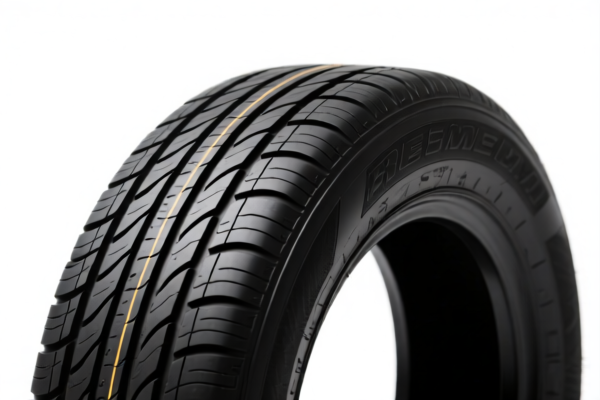
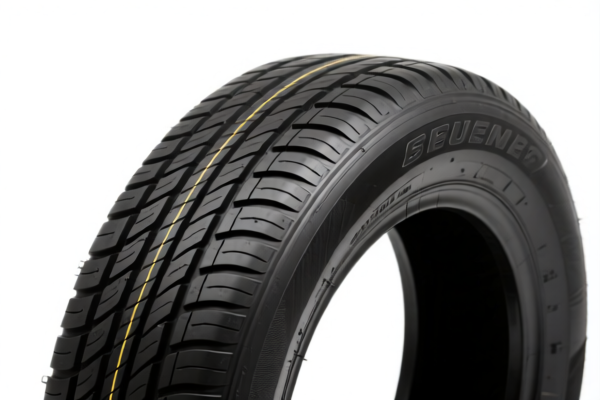
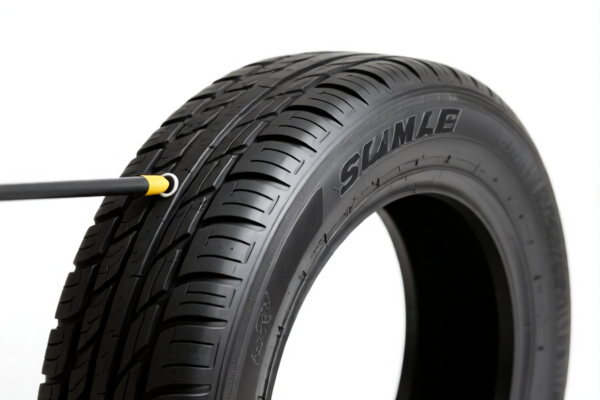
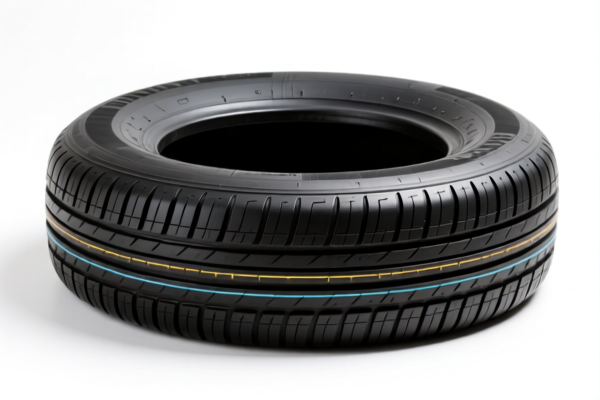
Pneumatic rubber tires with a rim size exceeding 61 cm are primarily used for heavy machinery, off-road vehicles, and specialized industrial applications (e.g., mining excavators, large agricultural tractors, or earth-moving equipment). They differ from standard passenger car tires (typically < 61 cm) in structure, reinforcement, and usage.
In international trade, these tires are classified based on two key factors:
1. Rim Size: Must be > 61 cm (approximately 24 inches).
2. Tread Pattern & Structure:
- Lug Pattern (Chevron/V-shaped): Designed for off-road/mud traction → Classified under 4011.80.
- Radial Structure: Steel-belted radial construction → Classified under 4011.90 (if not explicitly lug-patterned) or 4011.80 (if lug-patterned radial).
⚠️ Key Distinction:
- Rim Size ≤ 61 cm: Classified under subheadings ending in.10,.20, etc., with different tax rates.
- Rim Size > 61 cm: Classified under subheadings ending in.80,.10,.20(specifically for larger rims).
- Lug Pattern vs. Radial: "Lug" refers to the tread design; "Radial" refers to the internal belt structure. A tire can be both (e.g., lug-pattern radial tire).
📦 II. HS Code Classification Details (2026 Latest Tariff Cross-Reference)
| HS Code | Product Description | Application Scenario | Rim Size | Tread/Structure |
|---|---|---|---|---|
4011.80.80.20 |
Lug-pattern pneumatic tires, rim size > 61 cm | Mining trucks, off-road loaders | ✅ > 61 cm | Lug pattern (non-radial or radial not specified as "radial" in subheading) |
4011.80.10.20 |
Lug-pattern pneumatic tires, rim size > 61 cm | Agricultural tractors, earthmovers | ✅ > 61 cm | Lug pattern |
4011.80.20.10 |
Radial tires, rim size ≤ 61 cm | Large passenger vehicles, light trucks | ❌ ≤ 61 cm | Radial structure |
4011.90.20.10 |
Other radial tires, rim size ≤ 61 cm | Industrial machinery, non-lug radial | ❌ ≤ 61 cm | Radial structure (non-lug) |
4011.80.80.10 |
Radial engineering machinery tires, rim size ≤ 61 cm | Heavy construction equipment (smaller rims) | ❌ ≤ 61 cm | Radial + Lug (for engineering machinery) |
🔍 Critical Note:
- Rim Size > 61 cm tires fall under 4011.80.x0.x0 (Lug pattern) or 4011.90.x0.x0 (Other radial).
- Rim Size ≤ 61 cm tires fall under 4011.80.20.10 (Radial) or 4011.90.20.10 (Other radial).
- Misclassification Risk: Declaring a 65 cm rim tire as "≤ 61 cm" will trigger incorrect tax rates and potential customs penalties.
💰 III. 2026 Latest Tariff Rate Breakdown (US Market)
✅ Applicable Country: United States (US)
✅ Origin: China (CN)
✅ Effective Date: November 10, 2025 onwards (for subsequent imports)
🎯 1. 4011.80.80.20 – Lug-pattern Tires, Rim > 61 cm
| Item | Detail |
|---|---|
| Base Duty Rate | 3.4% (ad valorem) |
| Section 301 Additional Duty | +25% |
| 122 Clause Duty (IEEPA) | +10% |
| Total Effective Rate | 38.4% |
| Tax Calculation | CIF Value × 38.4% |
| De Minimis Exemption | ❌ Not Eligible (deny_de_minimis) |
| Legal Basis Path | IEEPA:9903.01.25 → USITC:4011.80.80.20 → FOOTNOTE:301.80.80 |
📌 Explanation:
- The 3.4% base rate is the standard MFN (Most Favored Nation) duty for these tires.
- The 25% Section 301 duty is applied due to China-US trade tensions.
- The 10% IEEPA duty is an additional sanction on Chinese goods.
- Total 38.4% is extremely high, making cost planning essential.
🎯 2. 4011.80.10.20 – Lug-pattern Tires, Rim > 61 cm (Alternative Subheading)
| Item | Detail |
|---|---|
| Base Duty Rate | 0.0% |
| Section 301 Additional Duty | +25% |
| 122 Clause Duty (IEEPA) | +10% |
| Total Effective Rate | 35.0% |
| Tax Calculation | CIF Value × 35.0% |
| De Minimis Exemption | ❌ Not Eligible |
| Legal Basis Path | IEEPA:9901.25 → USITC:4011.80.10.20 → FOOTNOTE:301.80.10 |
📌 Note:
- This subheading has a lower base rate (0%) compared to4011.80.80.20(3.4%), resulting in a 3.4% lower total tax.
- Ensure the tire’s design matches the exact subheading criteria (e.g., specific tread pattern or machinery type).
🎯 3. 4011.80.20.10 – Radial Tires, Rim ≤ 61 cm
| Item | Detail |
|---|---|
| Base Duty Rate | 4.0% |
| Section 301 Additional Duty | +25% |
| 122 Clause Duty (IEEPA) | +10% |
| Total Effective Rate | 39.0% |
| Tax Calculation | CIF Value × 39.0% |
| De Minimis Exemption | ❌ Not Eligible |
| Legal Basis Path | IEEPA:9903.01.25 → USITC:4011.80.20.10 → FOOTNOTE:301.80.20 |
⚠️ Caution:
- This code is for ≤ 61 cm rims. If your tire is > 61 cm, misclassification here will lead to higher penalties.
- Only use if the rim size is definitively ≤ 61 cm.
🎯 4. 4011.90.20.10 – Other Radial Tires, Rim ≤ 61 cm
| Item | Detail |
|---|---|
| Base Duty Rate | 4.0% |
| Section 301 Additional Duty | +25% |
| 122 Clause Duty (IEEPA) | +10% |
| Total Effective Rate | 39.0% |
| Tax Calculation | CIF Value × 39.0% |
| De Minimis Exemption | ❌ Not Eligible |
| Legal Basis Path | IEEPA:9901.25 → USITC:4011.90.20.10 → FOOTNOTE:301.90.20 |
📌 Note:
- "Other radial" refers to tires not classified as lug-pattern.
- Still ≤ 61 cm rims. For > 61 cm non-lug radial tires, check 4011.90.80.x0 (not in provided data, but generally subject to similar rates).
🎯 5. 4011.80.80.10 – Radial Engineering Tires, Rim ≤ 61 cm
| Item | Detail |
|---|---|
| Base Duty Rate | 3.4% |
| Section 301 Additional Duty | +25% |
| 122 Clause Duty (IEEPA) | +10% |
| Total Effective Rate | 38.4% |
| Tax Calculation | CIF Value × 38.4% |
| De Minimis Exemption | ❌ Not Eligible |
| Legal Basis Path | IEEPA:9903.01.25 → USITC:4011.80.80.10 → FOOTNOTE:301.80.80 |
📌 Note:
- This is for radial tires with lug-like patterns specifically for engineering machinery but with ≤ 61 cm rims.
- Not applicable for > 61 cm tires.
🛠️ IV. Customs Clearance Practical Advice (Avoid Pitfalls)
✅ 1. Required Documentation Checklist
| Document | Required | Explanation |
|---|---|---|
| ✅ Product Specification Sheet | ✔️ | Must include rim size, tread pattern, radial/lug designation, load index, speed rating. |
| ✅ Technical Diagram/Cutaway | ✔️ | To prove rim size and internal structure (radial vs. bias-ply). |
| ✅ Product Photos (Including Label) | ✔️ | Clear shot of sidewall markings (e.g., "31x15.5-25" indicates rim size > 61 cm). |
| ✅ Third-Party Test Report | ✔️ | DOT, ECE, or ISO certification if required by destination country. |
| ✅ Commercial Invoice | ✔️ | Must state: "Pneumatic Rubber Tire, Rim Size > 61 cm, Lug/Pattern Type, HS Code XXXX" |
| ✅ Certificate of Origin (CO) | ✔️ | If non-China origin, may qualify for preferential rates. |
| ✅ Packing List | ✔️ | Detailing quantity, weight, and dimensions to verify rim size claims. |
✅ 2. Declaration Tips (Key Mantra)
🔥 "Measure the Rim, Specify the Pattern, Avoid Misclassification!"
| Scenario | Correct Declaration | Incorrect Practice |
|---|---|---|
| Tire with 65 cm rim | 4011.80.80.20 or 4011.80.10.20 |
Declaring as 4011.80.20.10 (≤61cm) → Penalties |
| Radial tire with lug pattern | 4011.80.80.20 (if >61cm) |
Declaring as "standard tire" → Vague declaration |
| Tire with 50 cm rim | 4011.80.20.10 or 4011.90.20.10 |
Declaring as ">61cm" → Lower base rate fraud risk |
| Engineering machinery tire | 4011.80.80.10 (if ≤61cm radial) |
Misdeclaring as passenger tire → Wrong tax |
✅ 3. Special Cases Handling
| Situation | Recommendation |
|---|---|
| OEM Custom Tires | Provide customer PO + technical drawings to confirm exact subheading. |
| Mixed Shipments (>61cm & ≤61cm) | Split declarations for each HS code to avoid rate errors. |
| Retreaded Tires | Not covered in this data; usually classified under 4012.13 with different rates. |
| Tires on Rims | If sold as a wheel assembly, may be classified differently (e.g., as part of machinery). |
🌍 V. Global Market Comparison (2026 Latest)
| Country/Region | Recommended HS Code | Tariff (China Origin) | Certification Required | Notes |
|---|---|---|---|---|
| 🇺🇸 USA | 4011.80.80.20 / 4011.80.10.20 |
38.4% / 35.0% | DOT | High additional tariffs due to Section 301 & IEEPA. |
| 🇨🇳 China | 4011.80.80 / 4011.80.10 |
~3.4% / 0% | CCC | No additional duties for imports into China. |
| 🇪🇺 EU | 4011.80 / 4011.90 |
0% (if preferential) | E-mark | No US-style additional tariffs. |
| 🇦🇺 Australia | 4011.80 |
5% | SAA | Standard duty, no heavy penalties. |
| 🇯🇵 Japan | 4011.80 |
0% | JIS | No additional tariffs. |
📌 Conclusion:
- USA is the most costly market for Chinese-made tires due to 38.4% total tax.
- Diversify supply chains or seek origin substitution (e.g., Vietnam, Thailand) to mitigate US tariffs.
📌 VI. Common Mistakes & Pitfalls (Lessons Learned)
❌ Mistake 1: Declaring a 65 cm rim tire as "≤ 61 cm"
👉 Consequence: Incorrect HS code → Back taxes + fines upon customs audit.
❌ Mistake 2: Ignoring "Radial" vs. "Lug" distinction
👉 Consequence: Wrong subheading → 3–4% tax difference → Profit margin erosion.
❌ Mistake 3: Failing to provide rim size in declaration
👉 Consequence: Customs delays, requests for additional info, or random inspections.
❌ Mistake 4: Assuming "Tire" is sufficient description
👉 Consequence: Vague declaration → Customs rejection or reclassification.
✅ Correct Practice:
"Pneumatic Radial Tire, Lug Pattern, Rim Size 25 Inches (63.5 cm), for Mining Trucks, Model XYZ, DOT Certified, HS Code 4011.80.80.20"
🎯 VII. Conclusion: Precise Classification Saves Millions!
🎯 Remember the Mantra:
🔹 "Rim Size is King, Pattern is Queen, HS Code is Law, Tax is Pain!"
🔹 "Check 61cm Cutoff, Specify Radial/Lug, Avoid US Penalties!"
📌 Pro Tip:
If your tires are originally from Vietnam, Mexico, Thailand, or Malaysia, you may apply for IEEPA Exemptions, reducing tariffs to 0%–5%.
Recommend Advance Ruling for complex cases to ensure compliance.
📣 Immediate Action Required:
📞 Contact a licensed customs broker + Provide product specs + Apply for HS Code Advance Ruling
🚀 Ensure smooth clearance, reduce costs, and maximize profit margins!
✨ Professional clearance starts with accurate classification!
💼 Every percent of tax saved is profit earned!
用户评价
关于 HS 编码归类
协调制度(HS)是由世界海关组织(WCO)制定的国际贸易商品分类标准。全球 200 多个国家采用 HS 系统作为海关关税、贸易统计和进出口监管的基础。
每个 HS 编码遵循以下层级结构:
- 章(2 位)——商品大类(例如:第 84 章:机器和机械设备)
- 品目(4 位)——章内的更具体分类
- 子目(6 位)——国际通用细分,所有 WCO 成员国统一使用
- 本国细分(8-10 位)——各国自行扩展的细分编码,如美国 HTSUS 10 位编码
正确的 HS 编码归类对于顺利通关、准确缴纳关税和遵守贸易法规至关重要。错误归类可能导致海关延误、多缴关税或罚款。
从CN进口到US时,适用的关税税率可能包括:
- 最惠国(MFN)税率——适用于 WTO 成员国的标准关税税率
- 普通税率——适用于无贸易协定国家
- 贸易救济关税——附加关税,如 301 条款(反倾销)、232 条款(国家安全)或反补贴税
本页内容仅供参考。如需正式归类,请咨询当地海关或持牌报关代理。