Pocket Bundle Bag
CN → US| HS编码 | 关税税率 | 原产国 | 目的国 | 文档 |
|---|---|---|---|---|
| 4202923900 | 52.6% | CN | US | 官方文档 |
| 3923900080 | 38.0% | CN | US | 官方文档 |
| 3923290000 | 38.0% | CN | US | 官方文档 |
| 6305390000 | 25.9% | CN | US | 官方文档 |
| 4202926091 | 41.3% | CN | US | 官方文档 |
商品图片
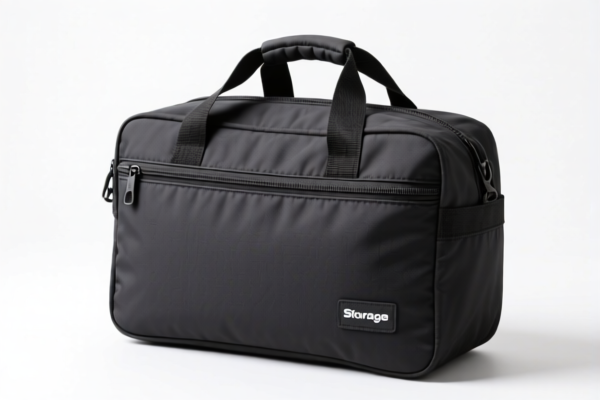
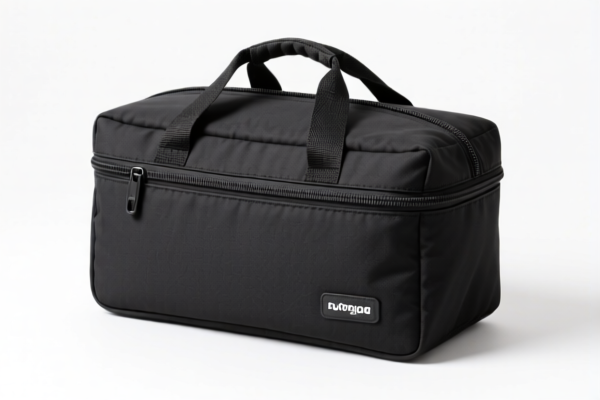
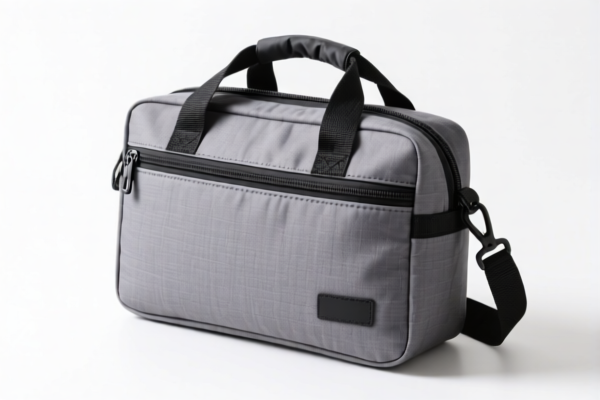
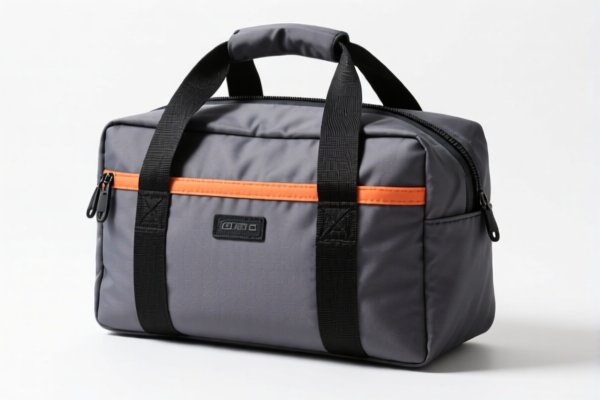
AI分析
🎒 Pocket Bundle Bag (Drawstring Pouch & Travel Bag)
🌐 HS Code Reference & Customs Clearance Guide | 2026 Latest Tariff Analysis | Professional Clearance Strategy
📌 I. Product Definition & Classification: What Exactly is a "Pocket Bundle Bag"?
The term "Pocket Bundle Bag" is a broad, non-technical descriptor that can refer to several distinct types of packaging or carrying containers. In international trade, the material composition and specific function determine the correct Harmonized System (HS) Code. Misclassification can lead to severe duty penalties due to the current high tariff environment (specifically for China-origin goods).
There are three primary categories for this item:
1. Textile/Fabric Drawstring Bags: Made from non-woven fabric, cotton, polyester, or velvet (often used for retail packaging, gym bags, or cosmetic pouches).
2. Plastic Bags/Pouches: Made entirely or primarily of plastic (used for food, retail, or simple packaging).
3. Packaged Textile Goods: Textile bags that are specifically designed for packaging commodities rather than long-term personal use.
⚠️ Key Distinction Point:
- If it is a durable bag for personal use (travel, sports, daily carry) → Chapter 42.
- If it is a disposable or semi-disposable packaging made of plastic → Chapter 39.
- If it is a textile bag specifically for packaging goods (not personal use) → Chapter 63.
📦 II. HS Code Classification Details (2026 Authoritative Comparison)
Based on the provided data, here are the four possible classifications for "Pocket Bundle Bag" products, ranging from fabric travel bags to plastic packaging.
| HS Code | Product Description | Material/Feature | Typical Use Case |
|---|---|---|---|
| 4202.92.39.00 | Travel, sports & similar bags | Fabric Surface (e.g., Velvet, Cotton, Polyester) | Gym bags, cosmetic travel pouches, high-end retail drawstring bags |
| 3923.90.00.80 | Bag-like articles of plastics | Plastic Body/Bottom | Generic plastic storage bags, bulk packaging |
| 3923.29.00.00 | Bags & pouches of plastics | Fully Plastic | Sack-like containers, retail plastic bags, food packaging |
| 6305.39.00.00 | Sacks & bags (for packaging) | Man-Made/Textile | Industrial packaging, commodity sacks, textile packaging bags |
| 4202.92.60.91 | Bag-like articles of textiles | Cotton/Other Textiles | Specific textile containers not falling under other categories |
🔍 Critical Analysis:
- 4202.92.39.00 is the most likely code for a high-quality "Velvet" (绒布) or fabric drawstring bag intended for personal use or premium retail.
- 3923 Series applies if the bag is made of plastic (even if it has a fabric print, if the structure is plastic film).
- 6305.39.00.00 is for textile packaging bags (e.g., large sacks for grain or goods), not small personal pouches.
- 4202.92.60.91 applies if the bag is made of cotton or other specific textiles not covered by the velvet/fabric specific code.
💰 III. 2026 Latest Tariff Rate Breakdown (Including Surtaxes & Policy Add-ons)
✅ Applicable Country: USA (US)
✅ Country of Origin: China (CN)
✅ Effective Date: Post-2025/2026 (Current Trade Environment)
🎯 1. 4202.92.39.00 —— Travel/Storage Bags with Textile Surface (e.g., Velvet)
| Item | Detail |
|---|---|
| Basic Tariff | 17.6% (Ad Valorem) |
| Section 301 Surtax | +25.0% |
| Section 122 Tariff | +10.0% |
| Total Duty Rate | 52.6% |
| Tax Calculation | CIF Value × 52.6% |
| De Minimis Exemption | ❌ NOT APPLICABLE (High value/section 301 goods excluded) |
| Legal Basis | USITC:4202.92.39.00 + Section 301: HTS 4202 + IEEPA:122 |
📌 Explanation:
- This is the highest tax bracket for this product.
- The "Velvet/Textile Surface" designation triggers the higher base tariff (17.6%) compared to plastic.
- Combined with the 25% Section 301 tariff and 10% Section 122 tariff, the landed cost increases significantly.
🎯 2. 3923.90.00.80 & 3923.29.00.00 —— Plastic Bags & Pouches
| Item | Detail |
|---|---|
| Basic Tariff | 3.0% (Ad Valorem) |
| Section 301 Surtax | +25.0% |
| Section 122 Tariff | +10.0% |
| Total Duty Rate | 38.0% |
| Tax Calculation | CIF Value × 38.0% |
| De Minimis Exemption | ❌ NOT APPLICABLE |
| Legal Basis | USITC:3923.29.00.00 / 3923.90.00.80 + Section 301 + IEEPA:122 |
📌 Explanation:
- Plastic bags enjoy a lower base tariff (3%) compared to textile bags (17.6%).
- However, the Section 301 (25%) and Section 122 (10%) surtaxes remain constant.
- Total Savings: 14.6% lower total duty compared to the velvet/textile bag (52.6% - 38.0% = 14.6%).
- ⚠️ Risk: Customs may challenge this if the product is clearly a "travel bag" and not just a "packaging bag," potentially reclassifying it to Chapter 42.
🎯 3. 6305.39.00.00 —— Textile Sacks/Bags for Packaging
| Item | Detail |
|---|---|
| Basic Tariff | 8.4% (Ad Valorem) |
| Section 301 Surtax | +7.5% |
| Section 122 Tariff | +10.0% |
| Total Duty Rate | 25.9% |
| Tax Calculation | CIF Value × 25.9% |
| De Minimis Exemption | ❌ NOT APPLICABLE |
| Legal Basis | USITC:6305.39.00.00 + Section 301 (Reduced Rate?) + IEEPA:122 |
📌 Explanation:
- Lowest Total Duty (25.9%).
- Crucial Condition: This code is for packaging goods (sacks for grain, cement, bulk textile packaging).
- WARNING: If you classify a small retail drawstring bag as "Packaging Sack," Customs may view it as misdeclaration. The 7.5% Section 301 rate suggests a specific sub-category or preferential treatment for certain packaging materials, but the use must be strictly industrial/commodity packaging.
🎯 4. 4202.92.60.91 —— Other Textile Bag-like Articles (e.g., Cotton)
| Item | Detail |
|---|---|
| Basic Tariff | 6.3% (Ad Valorem) |
| Section 301 Surtax | +25.0% |
| Section 122 Tariff | +10.0% |
| Total Duty Rate | 41.3% |
| Tax Calculation | CIF Value × 41.3% |
| De Minimis Exemption | ❌ NOT APPLICABLE |
| Legal Basis | USITC:4202.92.60.91 + Section 301 + IEEPA:122 |
📌 Explanation:
- For Cotton or other non-velvet textiles used in travel/sports bags.
- Lower base rate (6.3%) than velvet (17.6%), but still high due to 301 and 122 tariffs.
🛠️ IV. Customs Clearance Practical Advice (Real-World Pitfall Avoidance)
✅ 1. Documentation Checklist (Non-Negotiable)
| Document | Requirement | Note |
|---|---|---|
| ✅ Product Specification Sheet | ✔️ | Must detail material (e.g., "100% Polyester Velvet," "LDPE Plastic"). |
| ✅ Commercial Invoice | ✔️ | Description must match HS Code exactly (e.g., "Velvet Drawstring Travel Pouch" vs. "Plastic Packaging Bag"). |
| ✅ Packing List | ✔️ | Show quantity, weight, and dimensions. |
| ✅ Material Composition Proof | ✔️ | Lab test report or supplier declaration confirming % of textile vs. plastic. |
| ✅ Photos | ✔️ | Clear images of the bag, including logo, material texture, and size. |
✅ 2. Classification Strategy (The "Goldilocks" Principle)
| Scenario | Recommended HS Code | Why? | Risk Level |
|---|---|---|---|
| High-End Velvet/Cotton Bag (Personal Use) | 4202.92.39.00 or 4202.92.60.91 |
Correctly reflects "Travel/Sports Bag." | 🟡 Medium (High duty, but compliant) |
| Cheap Plastic Bag (Packaging/Retail) | 3923.29.00.00 |
Lowest duty (38%) for plastic items. | 🟢 Low (If truly plastic) |
| Bulk Industrial Sack (Textile) | 6305.39.00.00 |
Lowest duty (25.9%). | 🔴 High (Only for industrial use; misclassification leads to fraud charges) |
🔥 Golden Rule:
"Use Determines Classification."
- If it’s a gym bag, it’s Chapter 42.
- If it’s a plastic wrap for goods, it’s Chapter 39.
- If it’s a sack for shipping rice, it’s Chapter 63.
Do not force a Chapter 42 bag into Chapter 63 to save 14% tax. The penalty is far greater.
✅ 3. Special Considerations for 2026
- Section 122 Tariff (10%):
- This is a new/additional levy. Ensure your broker includes this in the calculation. It applies to all these codes.
- Section 301 Tariff (25%):
- Applies to almost all Chinese-origin goods.
- Exception: Some textile packaging (
6305) might have a different Section 301 footnote (7.5% in the data). Verify the specific HTS footnote with your broker.
- Material Mix:
- If the bag has a plastic lining or plastic zipper, does it still qualify as "Textile" (Ch 42) or "Plastic" (Ch 39)?
- Rule: If the essential character is plastic, it goes to Ch 39. If textile, Ch 42.
🌍 V. Global Market Clearance Comparison (2026)
| Market | Recommended HS Code | Est. Total Duty (CN Origin) | Key Certification |
|---|---|---|---|
| 🇺🇸 USA | 4202.92.39.00 (Velvet) |
52.6% | None specific |
| 🇺🇸 USA | 3923.29.00.00 (Plastic) |
38.0% | None specific |
| 🇺🇸 USA | 6305.39.00.00 (Textile Packaging) |
25.9% | None specific |
| 🇪🇺 EU | Varies by Material | ~4% - 12% (No 301/122) | REACH, CPSR |
| 🇨🇳 China | Varies | ~5% - 10% | None |
📌 Conclusion:
- The US market is the most expensive due to Section 301 + Section 122 tariffs.
- Plastic bags (3923) offer the best duty rate (38%) among Chapter 39/42 goods.
- Textile packaging (6305) offers the absolute lowest duty (25.9%) but is high-risk for misclassification if not used for industrial packaging.
📌 VI. Common Mistakes & Pitfalls (Lessons Learned)
❌ Mistake 1: Calling a velvet drawstring bag a "Plastic Bag" to get 38% duty.
👉 Result: Customs inspection reveals textile surface → Reclassified to 52.6% + Back Taxes + Penalty.
❌ Mistake 2: Calling a personal gym bag a "Packaging Sack" (6305) to get 25.9% duty.
👉 Result: Customs sees retail branding/personal use → Reclassified to 4202 (52.6%) + Fraud Investigation.
❌ Mistake 3: Ignoring Section 122 (10%).
👉 Result: Underpayment of duty → Seizure or Delay.
✅ Correct Approach:
Be precise.
- "Velvet Travel Bag" →4202.92.39.00(52.6%)
- "Plastic Retail Bag" →3923.29.00.00(38.0%)
- "Industrial Textile Sack" →6305.39.00.00(25.9%)
🎯 VII. Conclusion: Professional Declaration, Cost Optimization
🎯 Remember the Formula:
Total Duty = Basic Tariff + 25% (Section 301) + 10% (Section 122)
- Cheapest Base: Plastic (3%) → Total 38%
- Medium Base: Cotton Textile (6.3%) → Total 41.3%
- Highest Base: Velvet/Fabric Travel (17.6%) → Total 52.6%
- Lowest Total (if valid): Textile Packaging (8.4% base + 7.5% 301 + 10% 122) → 25.9%
📌 Pro Tip:
If your "Pocket Bundle Bag" is primarily for packaging products (not personal use), aggressively pursue 6305.39.00.00 for the 25.9% rate.
If it is for personal use, you cannot avoid the 38-52.6% range. Opt for Plastic (3923) if possible to save 14-26% in duties.
📣 Immediate Action:
📞 Contact your customs broker with material samples.
📝 Declare accurately: Do not misclassify personal bags as packaging.
🚀 Plan for 38-52% duty costs in your US pricing strategy.
✨ Precision in Classification Saves Thousands!
💼 Every percentage point counts in the current trade war environment.
用户评价
关于 HS 编码归类
协调制度(HS)是由世界海关组织(WCO)制定的国际贸易商品分类标准。全球 200 多个国家采用 HS 系统作为海关关税、贸易统计和进出口监管的基础。
每个 HS 编码遵循以下层级结构:
- 章(2 位)——商品大类(例如:第 84 章:机器和机械设备)
- 品目(4 位)——章内的更具体分类
- 子目(6 位)——国际通用细分,所有 WCO 成员国统一使用
- 本国细分(8-10 位)——各国自行扩展的细分编码,如美国 HTSUS 10 位编码
正确的 HS 编码归类对于顺利通关、准确缴纳关税和遵守贸易法规至关重要。错误归类可能导致海关延误、多缴关税或罚款。
从CN进口到US时,适用的关税税率可能包括:
- 最惠国(MFN)税率——适用于 WTO 成员国的标准关税税率
- 普通税率——适用于无贸易协定国家
- 贸易救济关税——附加关税,如 301 条款(反倾销)、232 条款(国家安全)或反补贴税
本页内容仅供参考。如需正式归类,请咨询当地海关或持牌报关代理。