Polyamide Mixed Color High Density Woven Fabric
CN → US| HS编码 | 关税税率 | 原产国 | 目的国 | 文档 |
|---|---|---|---|---|
| 5112303000 | 60.0% | CN | US | 官方文档 |
| 5407432030 | 43.5% | CN | US | 官方文档 |
| 5407431000 | 0.0% | CN | US | 官方文档 |
| 5111309000 | 60.0% | CN | US | 官方文档 |
| 5111209000 | 60.0% | CN | US | 官方文档 |
商品图片
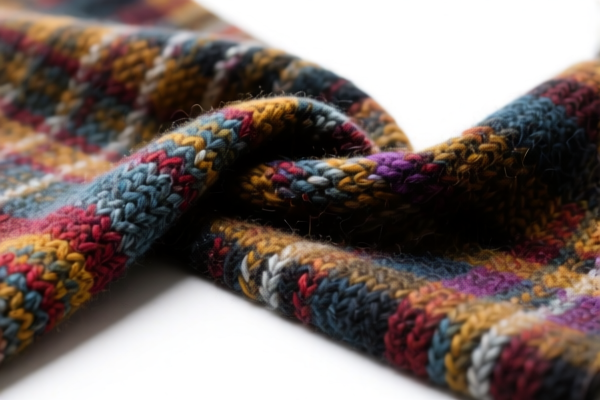
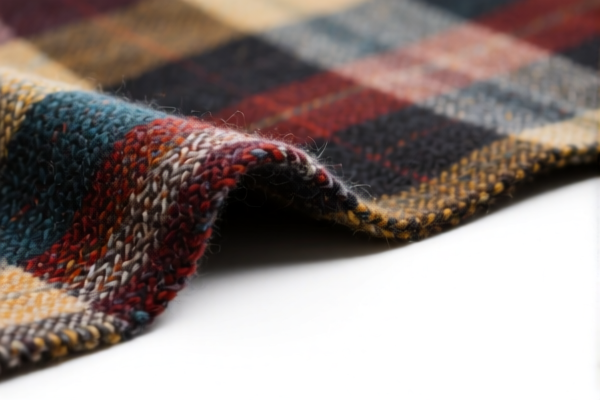
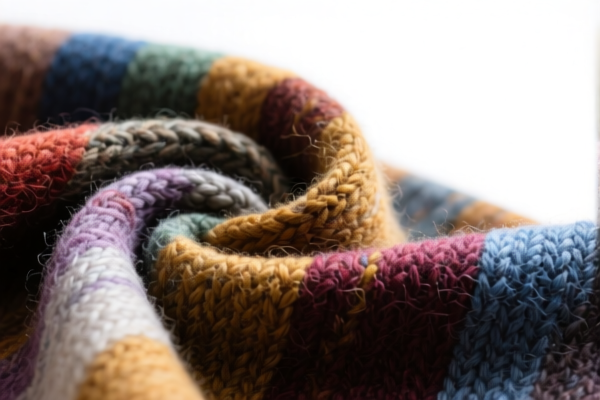
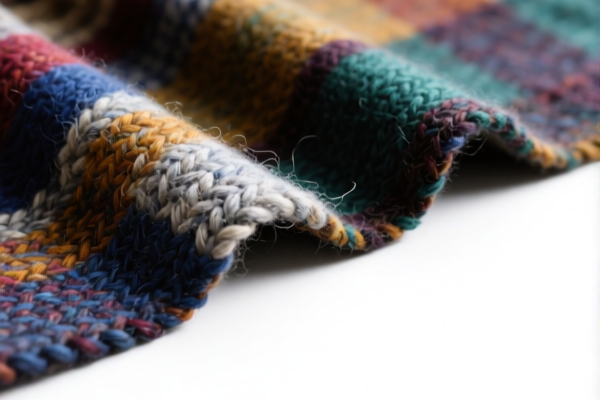
AI分析
🧵 Polyamide Mixed Color High Density Woven Fabric (Polyamide Blended Woven Fabric)
🌐 HS Code Reference & Customs Clearance Guide | 2026 Latest Tariff Analysis | Professional Clearance Strategy
📌 I. Product Definition & Classification: Do You Really Understand "Polyamide Woven Fabric"?
Polyamide Mixed Color High Density Woven Fabric is a specialized textile material widely used in high-end apparel, sportswear, and industrial applications. In international trade, its classification is highly sensitive to fiber composition and weave structure.
Key Distinction Points: - Material Composition: Polyamide (Nylon) is classified as a Man-Made Fiber. However, if it is blended with wool or fine animal hair, it may fall under Chapter 51 (Wool). If it is purely polyamide or blended with other synthetic fibers, it falls under Chapter 54. - Weave Structure: "Woven Fabric" implies a specific construction method, distinguishing it from knitted or non-woven materials. - "Mixed Color" (Heathered/Variegated): This refers to yarns of different colors woven together, affecting the visual appearance but not necessarily the chemical classification, though it may influence specific sub-headings regarding preparation.
⚠️ Critical Warning:
- Misclassification between Chapter 51 (Wool) and Chapter 54 (Man-Made Filaments) is the most common error.
- The presence of Polyamide (a synthetic polyamide fiber) typically points to Chapter 54, unless mixed with significant amounts of wool per specific tariff notes.
- US Tariffs: These fabrics are subject to severe punitive tariffs under Section 301 and IEEPA due to their origin or material nature.
📦 II. HS Code Classification Details (2026 Latest Tariff Authority Comparison)
| HS Code | Product Description | Applicable Scenario | Key Classification Logic |
|---|---|---|---|
5112.30.30.00 |
Polyamide blended woven fabric, matching material and form, consistent with the category of carded wool or fine animal hair blended with man-made fibers. | Polyamide blended with wool/animal hair; specific wool-man-made blend rules apply. | Wool Blend Focus: If wool content triggers Chapter 51 rules, this code applies despite polyamide presence. |
5407.43.20.30 |
Polyamide mixed color woven fabric, material is polyamide, form is woven fabric, mixed color corresponds to weaving with different colored yarns. | Pure Polyamide or Polyamide-dominated synthetic woven fabric. | Synthetic Focus: Primary material is Polyamide (Chapter 54). Specific sub-heading for polyamide yarns. |
5407.43.10.00 |
Polyamide mixed color woven fabric, material conforms to polyamide characteristics, form is woven fabric, mixed color corresponds to different colored yarns woven. | Polyamide woven fabric with specific duty calculation methods (compound tariff). | Compound Tariff: Unique tariff structure includes specific duty per kg + ad valorem. |
5111.30.90.00 |
Polyamide mixed color woven fabric, polyamide belongs to man-made fibers, woven fabric conforms to machine-made fabric form, determined as possibly conforming to other categories. | Ambiguous classification cases; polyamide treated as man-made fiber in wool-like forms. | Ambiguous/Other: Used when standard polyamide codes don't fit, but wool codes are rejected. |
5111.20.90.00 |
Polyamide mixed color woven fabric, matching polyamide man-made filaments and woven fabric machine-made fabric, conforms to the characteristics of main or only blended with man-made filaments. | Polyamide blended with other man-made filaments, not meeting specific polyamide sub-headings. | Man-Made Filament Blend: General man-made filament woven fabric code. |
🔍 Key Reminder:
- Chapter 51 vs. Chapter 54: The decision hinges on whether the fabric is primarily considered "Wool Product" or "Synthetic Product."
- "Mixed Color" Impact: Does not change the HS code chapter but may require detailed product descriptions for customs inspection to verify fiber content.
- Tariff Complexity: Codes under Chapter 51 often attract higher punitive tariffs (60%) compared to some Chapter 54 codes (43.5% or compound), making accurate classification critical for cost control.
💰 III. 2026 Latest Tariff Rate Breakdown (Including Additional Taxes, Policy Surcharges)
✅ Applicable Country: United States (US)
✅ Origin: China (CN)
✅ Effective Time: Ongoing (High-risk category for US-China trade)
🎯 1. 5112.30.30.00 & 5111.30.90.00 & 5111.20.90.00 —— Wool/Man-Made Blend Classifications
| Item | Content |
|---|---|
| Base Duty | 25.0% (Ad Valorem) |
| Section 301 Additional Duty | +25.0% (USITC Footnote 9903.40.00 etc.) |
| IEEPA Additional Duty | +10% (Targeting Chinese/man-made fiber products) |
| Total Tax Rate | 60.0% |
| Tax Calculation | CIF Value × 60% |
| De Minimis Exemption | ❌ Not Applicable (deny_de_minimis) |
| Legal Basis Path | IEEPA:9903.01.25 → USITC:5112.30.30.00 → FOOTNOTE:301_Wool_Blend |
📌 Explanation:
- Despite being a textile, these codes attract the maximum punitive tariff rate of 60%.
- The "60%" is a sum of Base Tariff (25%) + Section 301 (25%) + IEEPA (10%).
- Cost Impact: Extremely high. A $10,000 shipment incurs $6,000 in taxes alone.
- Risk: High audit rate by CBP for fiber content misdeclaration.
🎯 2. 5407.43.20.30 —— Pure/High-Content Polyamide Woven Fabric
| Item | Content |
|---|---|
| Base Duty | 8.5% (Ad Valorem) |
| Section 301 Additional Duty | +25.0% |
| IEEPA Additional Duty | +10% |
| Total Tax Rate | 43.5% |
| Tax Calculation | CIF Value × 43.5% |
| De Minimis Exemption | ❌ Not Applicable |
| Legal Basis Path | IEEPA:9901.25 → USITC:5407.43.20.30 → FOOTNOTE:301_Synthetic |
📌 Note:
- This code is slightly more favorable than the wool-blend codes, saving 16.5% in total tax.
- Applies when the fabric is clearly identified as Polyamide (Synthetic) without significant wool content.
- Still a high tariff burden due to Section 301 and IEEPA.
🎯 3. 5407.43.10.00 —— Polyamide Woven Fabric with Compound Tariff
| Item | Content |
|---|---|
| Base Duty | 12.2¢/kg + 11.3% (Ad Valorem) |
| Section 301 Additional Duty | +25.0% |
| IEEPA Additional Duty | +10% |
| Total Tax Structure | Compound + 35% Surcharge |
| Tax Calculation | (12.2¢/kg × Weight) + (CIF Value × 11.3%) + (CIF Value × 35%) |
| De Minimis Exemption | ❌ Not Applicable |
| Legal Basis Path | USITC:5407.43.10.00 → IEEPA:9903.01.24 |
📌 Important:
- This is a Compound Tariff: It includes both a specific duty (per kg) and an ad valorem duty.
- The "35.0%" in the summary refers to the sum of Section 301 (25%) and IEEPA (10%).
- For high-weight, low-value fabrics, the 12.2¢/kg component can significantly increase costs.
- For low-weight, high-value fabrics, the ad valorem portion dominates.
🛠️ IV. Customs Clearance Practical Advice (Combat Pitfalls Guide)
✅ 1. Required Documentation Checklist (Non-Negotiable)
| Document | Mandatory? | Description |
|---|---|---|
| ✅ Fiber Composition Report | ✔️ | Third-party lab test confirming % of Polyamide, Wool, or other fibers. |
| ✅ Product Specifications | ✔️ | Detail weave type, density, weight (GSM), and width. |
| ✅ High-Res Photos | ✔️ | Show texture, color mixing (heathered effect), and labels. |
| ✅ Commercial Invoice | ✔️ | Must specify "Polyamide Woven Fabric" and HS Code. |
| ✅ Packing List | ✔️ | Clear weight and dimensions for compound tariff calculations. |
| ✅ Origin Certificate | ✔️ | Proves origin. Note: Origin from China triggers punitive tariffs. |
✅ 2. Declaration Tips (Key Mnemonics)
🔥 “Fiber Content is King, Weight Matters for Compound, Hide Nothing from CBP!”
| Scenario | Correct Declaration | Wrong Practice |
|---|---|---|
| Polyamide > 50% | Declare as Chapter 54 (5407.43.x.x) |
Misdeclare as Cotton or Wool → Audit & Penalty |
| Blended with Wool | Declare as Chapter 51 (5112.30.30.00) |
Ignore wool content → 60% Tariff risk if misclassified |
| High Density/Heavy | Calculate Compound Tariff carefully for 5407.43.10.00 |
Ignore weight → Underpay specific duty |
| "Mixed Color" | Describe as "Heathered/Variegated Polyamide Yarn" | Just say "Colored Fabric" → Lack of detail |
✅ 3. Special Case Handling
| Situation | Handling Advice |
|---|---|
| OEM Custom Fabric | Provide design specs and color fastness reports to prove "Mixed Color" is intentional. |
| High Value/Low Weight | Consider 5407.43.20.30 (43.5% ad valorem) vs 5407.43.10.00 (Compound) to minimize tax. |
| Low Value/High Weight | Compound tariff (5407.43.10.00) may be cheaper if weight is high but value is low. |
| Transshipment Risk | Do NOT attempt to re-label origin. CBP traces polymer sources and manufacturing logs. |
🌍 V. Global Market Comparison (2026 Latest)
| Country/Region | Recommended HS Code | Tariff (China Origin) | Certification Required | Notes |
|---|---|---|---|---|
| 🇺🇸 USA | 5407.43.20.30 / 5112.30.30.00 |
43.5% - 60.0% | None specific | Highest Punitive Tariffs |
| 🇨🇳 China | 5407.43.20.30 / 5112.30.30.00 |
8.5% - 25.0% | None | Standard Import Duties |
| 🇪🇺 EU | 5407.43.20.30 / 5112.30.30.00 |
4.5% - 9.0% | REACH + OEKO-TEX | No Section 301/IEEPA |
| 🇬🇧 UK | 5407.43.20.30 / 5112.30.30.00 |
4.5% - 9.0% | UKCA + REACH | Post-Brexit tariffs |
| 🇯🇵 Japan | 5407.43.20.30 / 5112.30.30.00 |
0% - 6.0% | FSC (if chemical-treated) | JETRO guidelines apply |
📌 Conclusion:
- USA is the most challenging market due to layered punitive tariffs (Base + 301 + IEEPA).
- EU/UK/Japan offer significantly lower tariff burdens, making them more attractive for polyamide fabrics.
- Cost Saving Opportunity: Consider supply chain diversification to non-China origins (e.g., Vietnam, Bangladesh) for US-bound shipments, if feasible.
📌 VI. Common Errors & Pitfalls (Lessons Learned)
❌ Error 1: Declaring "Polyamide" as "Nylon" without specifying it's a man-made filament
👉 Consequence: Confusion with natural nylon (rare) or misclassification → Audit Delay.
❌ Error 2: Ignoring the "Compound Tariff" structure of 5407.43.10.00
👉 Consequence: Underpayment of specific duty (12.2¢/kg) → Back Taxes + Penalties.
❌ Error 3: Using "Fabric" instead of "Woven Fabric" in description
👉 Consequence: CBP may classify as non-woven or knitted → Wrong HS Code & Higher/Lower Tariff.
❌ Error 4: Failing to declare "Mixed Color" accurately
👉 Consequence: CBP may suspect dyeing processes not declared → Environmental Regulation Issues.
✅ Correct Practice:
"Polyamide Woven Fabric, Mixed Color (Heathered), 100% Polyamide, Weight: 150 GSM, Width: 150cm, For Apparel Use"
🎯 VII. Conclusion: Professional Declaration Saves Money!
🎯 Remember the Mnemonic:
🔹 "Fiber Content Dictates Chapter, Weight Dictates Compound Tariff, Origin Dictates Punitive Rate!"
🔹 "60% vs 43.5%: A 16.5% Gap Means Thousands Saved!"
🔹 "Don't Guess, Test, Declare Accurately!"
📌 Pro Tip:
If your polyamide fabric is blended with wool, the tariff jumps to 60%.
If it is pure polyamide, it may be 43.5%.
Verify your fiber composition report! A 1% wool content can double your tariff.
Consider Advance Ruling from CBP to confirm HS Code before shipping.
📣 Immediate Action:
📞 Contact a Customs Broker + Provide Lab Test Reports + Apply for Advance Ruling
🚀 Ensure your Polyamide Fabric clears US Customs smoothly, avoiding 60% tariffs where possible!
✨ Professional Customs Clearance Starts with Accurate Classification!
💼 Every Percentage Point of Tax Matters in Global Trade!
用户评价
关于 HS 编码归类
协调制度(HS)是由世界海关组织(WCO)制定的国际贸易商品分类标准。全球 200 多个国家采用 HS 系统作为海关关税、贸易统计和进出口监管的基础。
每个 HS 编码遵循以下层级结构:
- 章(2 位)——商品大类(例如:第 84 章:机器和机械设备)
- 品目(4 位)——章内的更具体分类
- 子目(6 位)——国际通用细分,所有 WCO 成员国统一使用
- 本国细分(8-10 位)——各国自行扩展的细分编码,如美国 HTSUS 10 位编码
正确的 HS 编码归类对于顺利通关、准确缴纳关税和遵守贸易法规至关重要。错误归类可能导致海关延误、多缴关税或罚款。
从CN进口到US时,适用的关税税率可能包括:
- 最惠国(MFN)税率——适用于 WTO 成员国的标准关税税率
- 普通税率——适用于无贸易协定国家
- 贸易救济关税——附加关税,如 301 条款(反倾销)、232 条款(国家安全)或反补贴税
本页内容仅供参考。如需正式归类,请咨询当地海关或持牌报关代理。