Polybutene Resin Block
CN → US| HS编码 | 关税税率 | 原产国 | 目的国 | 文档 |
|---|---|---|---|---|
| 5503909000 | 39.3% | CN | US | 官方文档 |
| 5404198080 | 41.9% | CN | US | 官方文档 |
| 5404900000 | 35.0% | CN | US | 官方文档 |
| 3902900010 | 41.5% | CN | US | 官方文档 |
| 3902900050 | 41.5% | CN | US | 官方文档 |
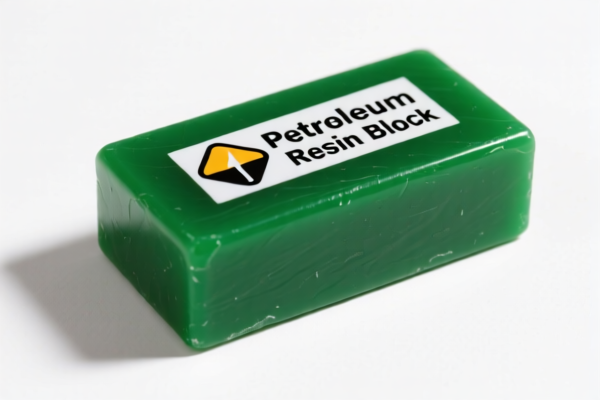
商品图片



AI分析
🧪 Polybutene Resin Block | HS Code Classification & US Customs Clearance Guide (2026)
🌐 HS Code Reference & Clearance Strategy | 2026 Latest Tariff Analysis | Professional Compliance Guide
📌 I. Product Definition & Classification: What is "Polybutene Resin Block"?
Polybutene (PB) is a polymer obtained by the polymerization of butene-1. In international trade, it is primarily classified based on its physical state and specific polymerization characteristics. The term "Resin Block" usually refers to the raw material in its primary form (pellets, flakes, or blocks) before being processed into fibers, films, or molded parts.
⚠️ Key Distinction: - If the product is intended for textile/fiber manufacturing → It may fall under Chapter 54/55 (Man-made Filaments/Staple Fibers). - If the product is the raw polymer in primary shapes (resin/pellets/blocks) → It falls under Chapter 39 (Plastics and Articles Thereof).
Note: Based on the provided data, we analyze all potential HS Codes including both resin (Chapter 39) and fiber/resin fiber forms (Chapter 54/55), as "Resin Block" can sometimes be ambiguous depending on processing stage.
📦 II. HS Code Classification Details (2026 Latest Tariff Authority Comparison)
| HS Code | Product Description | Application Scenario | Tax Rate (Total) |
|---|---|---|---|
3902.90.00.10 |
Polybutene Resin – Olefin Polymers, Primary Form | Raw resin, pellets, or blocks used for further processing (molding, extrusion) | 41.5% |
3902.90.00.50 |
Polybutene Resin – Olefin Polymers, Other Primary Forms | Other primary shapes of polybutene resin not specified elsewhere | 41.5% |
5503.90.90.00 |
Polybutene Resin Fiber – Synthetic Staple Fibers | Short fibers cut from polybutene resin, used in textile blending | 39.3% |
5404.19.80.80 |
Polybutene Resin Fiber – Synthetic Monofilaments/Filaments | Continuous filaments or synthetic monofilaments made from polybutene resin | 41.9% |
5404.90.00.00 |
Polybutene Resin Fiber – Other Synthetic Filaments/Yarn | Other synthetic filaments, strips, or similar shapes made from polybutene | 35.0% |
🔍 Critical Alert: - Raw Resin (
3902...) vs. Fiber (5404.../5503...): - If you import raw blocks/pellets of polybutene, it MUST be classified under Chapter 39 (3902.90.00.10or3902.90.00.50). - If you import finished fibers made from polybutene, it falls under Chapter 54 or 55. - Misclassification Risk: Declaring raw resin as "fiber" to seek a lower rate is illegal and will result in penalties. Conversely, declaring fiber as "resin" may trigger different regulatory requirements.
💰 III. 2026 Latest Tariff Rate Breakdown (Detailed Policy Analysis)
✅ Applicable Country: United States (US)
✅ Origin: China (CN)
✅ Effective Date: Post-November 2025 (Current 2026 Regime)
All HS Codes listed above are subject to the following cumulative tariff structure:
🎯 1. Raw Resin Classification: 3902.90.00.10 & 3902.90.00.50
| Item | Detail |
|---|---|
| Basic Duty Rate | 6.5% (Standard MFN Rate for Olefin Polymers) |
| Section 301 Add-on | +25.0% (USITC Footnote 9903.88.01) |
| IEEPA Add-on (122 Clause) | +10.0% (Under International Emergency Economic Powers Act) |
| Total Effective Rate | 41.5% |
| Tax Calculation | CIF Value × 41.5% |
| De Minimis Exemption? | ❌ NO (Section 321/861 exemptions do NOT apply to goods subject to Section 301/IEEPA tariffs from China) |
| Legal Basis Path | IEEPA:9903.01.25 → USITC:3902.90.00.10 → FOOTNOTE:9903.88.01 |
📌 Explanation: - The 6.5% is the base Most-Favored-Nation (MFN) duty. - The 25% is the Section 301 tariff, targeting specific Chinese chemical products. - The 10% is the additional IEEPA tariff (often referred to as "122 Clause" in some contexts) applied to Chinese-origin goods. - Total: 6.5 + 25 + 10 = 41.5%
🎯 2. Fiber Classification: 5503.90.90.00 (Staple Fibers)
| Item | Detail |
|---|---|
| Basic Duty Rate | 4.3% |
| Section 301 Add-on | +25.0% |
| IEEPA Add-on | +10.0% |
| Total Effective Rate | 39.3% |
| Tax Calculation | CIF Value × 39.3% |
| De Minimis Exemption? | ❌ NO |
📌 Note: Slightly lower total tax than raw resin due to lower base rate, but still heavily taxed.
🎯 3. Fiber Classification: 5404.19.80.80 (Monofilaments)
| Item | Detail |
|---|---|
| Basic Duty Rate | 6.9% |
| Section 301 Add-on | +25.0% |
| IEEPA Add-on | +10.0% |
| Total Effective Rate | 41.9% |
| Tax Calculation | CIF Value × 41.9% |
| De Minimis Exemption? | ❌ NO |
📌 Note: This is the highest tax rate among all options due to a higher base rate (6.9%).
🎯 4. Fiber Classification: 5404.90.00.00 (Other Filaments)
| Item | Detail |
|---|---|
| Basic Duty Rate | 0.0% |
| Section 301 Add-on | +25.0% |
| IEEPA Add-on | +10.0% |
| Total Effective Rate | 35.0% |
| Tax Calculation | CIF Value × 35.0% |
| De Minimis Exemption? | ❌ NO |
📌 Note: This is the lowest total tax rate (35.0%) because the base rate is 0%. However, this classification ONLY applies if the product qualifies as "other synthetic filaments" under 5404.90, which requires strict compliance with the definition of filaments vs. resin.
🛠️ IV. Customs Clearance Practical Advice (Pitfall Avoidance Guide)
✅ 1. Documentation Checklist (Non-Negotiable)
| Document | Required | Purpose |
|---|---|---|
| ✅ Product Specification Sheet | ✔️ | Must clearly state: "Polybutene Resin" or "Polybutene Fibers", molecular weight, polymerization type, and physical form (blocks/pellets/fibers). |
| ✅ Technical Data Sheet (TDS) | ✔️ | Proves chemical composition and intended use. Critical for distinguishing between Chapter 39 (Resin) and Chapter 54/55 (Fiber). |
| ✅ Commercial Invoice | ✔️ | Must explicitly describe the goods as "Polybutene Resin Blocks" or "Polybutene Synthetic Fibers" – NOT generic terms like "Plastic Material". |
| ✅ Packing List | ✔️ | Shows weight, volume, and packaging type. |
| ✅ Certificate of Origin (CO) | ✔️ | Required to confirm Chinese origin for tariff application. |
| ✅ FDA Food Contact Declaration (If Applicable) | ✔️ | Polybutene is often used in adhesives/sealants; if intended for food contact, provide FDA compliance docs. |
✅ 2. Declaration Strategy (Key Rules)
🔥 "Form Defines Code: Raw = Chapter 39, Fiber = Chapter 54/55"
| Scenario | Correct HS Code | Common Mistake | Consequence |
|---|---|---|---|
| Importing raw resin blocks/pellets | 3902.90.00.10 or 3902.90.00.50 |
Declaring as "Fiber" (5404...) |
Misclassification Penalty, potential seizure |
| Importing cut fibers for textiles | 5503.90.90.00 |
Declaring as "Resin" (3902...) |
Under-declaration of duties (if fiber rate is higher, but here resin is similar; however, regulatory compliance for textiles may differ) |
| Importing continuous filaments | 5404.19.80.80 |
Declaring as "Staple Fiber" (5503...) |
Incorrect classification, possible audit |
| Importing other synthetic strands | 5404.90.00.00 |
Declaring as "Resin" | Underpayment of Duties (35% vs 41.5%) |
📌 Critical Tip:
If you are importing raw polybutene resin to be processed into fibers abroad, DO NOT declare it as fiber. The US CBP will assess based on the condition at the time of import. Raw resin = Chapter 39.
✅ 3. Special Circumstances & Risk Management
| Situation | Recommendation |
|---|---|
| Mixed Shipments | If a shipment contains both resin and fibers, declare separately. Do not average out duties. |
| OEM/White Label | Even if branded for another company, the product characteristics determine the HS Code. Provide technical specs. |
| Partially Processed | If polybutene is partially extruded but not yet formed into final fiber shapes, it may still be considered "resin" or "primary forms". Consult a customs broker for pre-ruling. |
| Supply Chain Diversification | If possible, consider sourcing from non-China countries (e.g., South Korea, Japan) to avoid Section 301 (25%) and IEEPA (10%) tariffs, reducing total duty to just the basic rate (6.5% or 0-6.9%). |
🌍 V. Global Market Comparison (2026)
| Market | Recommended HS Code | Base Duty | Additional Taxes (China) | Total Effective Rate | Notes |
|---|---|---|---|---|---|
| 🇺🇸 USA | 3902.90.00.10 (Resin) |
6.5% | +25% (301) +10% (IEEPA) | 41.5% | High compliance risk |
| 🇺🇸 USA | 5404.90.00.00 (Fiber) |
0.0% | +25% (301) +10% (IEEPA) | 35.0% | Lowest rate, but strict definition |
| 🇨🇳 China | 3902.90.00.10 |
6.5% | None | 6.5% | Import into China |
| 🇪🇺 EU | 3902.90.00 |
6.5% | None | 6.5% | No Section 301 equivalent |
| 🇬🇧 UK | 3902.90.00 |
6.5% | None | 6.5% | Post-Brexit rules apply |
📌 Conclusion: - The US is the most expensive market for Chinese-origin polybutene due to 35-41.9% total tariffs. - The EU and UK offer significant savings (~6.5%) if sourced from China or third countries. - Optimization Strategy: If your end market is the US, consider final manufacturing in a third country (e.g., Vietnam, Mexico) to change the Country of Origin and potentially qualify for USMCA (Mexico) or GSP-like benefits (if applicable).
📌 VI. Common Errors & Pitfalls (Lessons Learned)
❌ Error 1: Declaring "Polybutene Blocks" as "Plastic Raw Materials" without specific HS Code.
👉 Consequence: Customs will assign a default code with higher duties or demand additional classification fees.
❌ Error 2: Confusing "Polybutene" (Polybutylene) with "Polypropylene" (PP) or "Polyethylene" (PE).
👉 Consequence: 3901 and 3902 have different base rates and regulatory scrutiny. Misdeclaration leads to audits.
❌ Error 3: Assuming "De Minimis" (Section 321) applies to low-value shipments.
👉 Consequence: NO. Section 301 and IEEPA tariffs override the $800 de minimis exemption for Chinese goods. Every shipment is taxed.
❌ Error 4: Using vague terms like "Chemical Resin" on invoices.
👉 Consequence: CBP may reject the entry, causing delays and storage fees. Use precise chemical names.
✅ Correct Practice:
"Polybutene Resin, Primary Form, Pellets/Blocks, CAS No. 9003-27-4, for Industrial Adhesive Applications, Origin: China"
🎯 VII. Conclusion: Professional Declaration, Cost Optimization
🎯 Key Takeaways:
🔹 Raw Resin =
3902(41.5% Total)
🔹 Fibers =5404/5503(35% - 41.9% Total)
🔹 No De Minimis Exemption for China
🔹 Origin Matters: Consider Third-Country Manufacturing for US Market
📌 Pro Tip:
If you are importing Polybutene Resin Blocks for industrial use, ensure your supplier provides a Letter of Guarantee confirming the exact chemical structure and physical form. This supports your classification choice and reduces the risk of CBP reclassification.
📣 Immediate Action:
📞 Consult a Licensed Customs Broker for an Advance Ruling if your product form is ambiguous.
🚀 Evaluate Supply Chain Options to mitigate 35-41.9% tariff burden.
✨ Precision in Classification, Profit in Logistics!
💼 Don't let tariff ambiguity eat your margins!
用户评价
关于 HS 编码归类
协调制度(HS)是由世界海关组织(WCO)制定的国际贸易商品分类标准。全球 200 多个国家采用 HS 系统作为海关关税、贸易统计和进出口监管的基础。
每个 HS 编码遵循以下层级结构:
- 章(2 位)——商品大类(例如:第 84 章:机器和机械设备)
- 品目(4 位)——章内的更具体分类
- 子目(6 位)——国际通用细分,所有 WCO 成员国统一使用
- 本国细分(8-10 位)——各国自行扩展的细分编码,如美国 HTSUS 10 位编码
正确的 HS 编码归类对于顺利通关、准确缴纳关税和遵守贸易法规至关重要。错误归类可能导致海关延误、多缴关税或罚款。
从CN进口到US时,适用的关税税率可能包括:
- 最惠国(MFN)税率——适用于 WTO 成员国的标准关税税率
- 普通税率——适用于无贸易协定国家
- 贸易救济关税——附加关税,如 301 条款(反倾销)、232 条款(国家安全)或反补贴税
本页内容仅供参考。如需正式归类,请咨询当地海关或持牌报关代理。