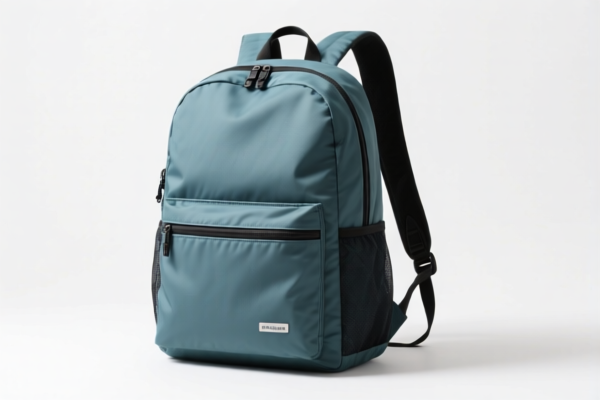
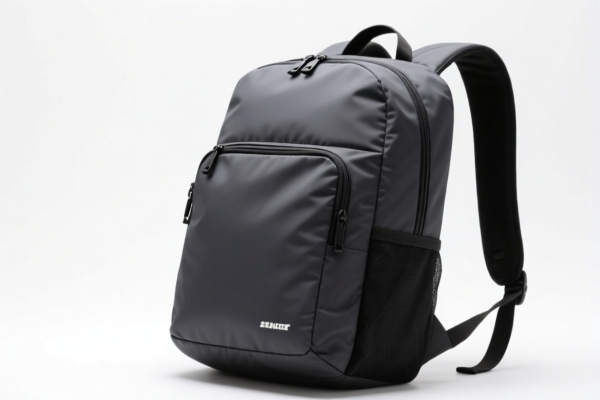
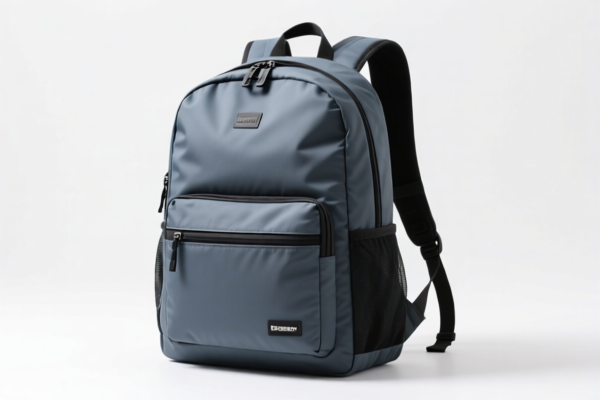
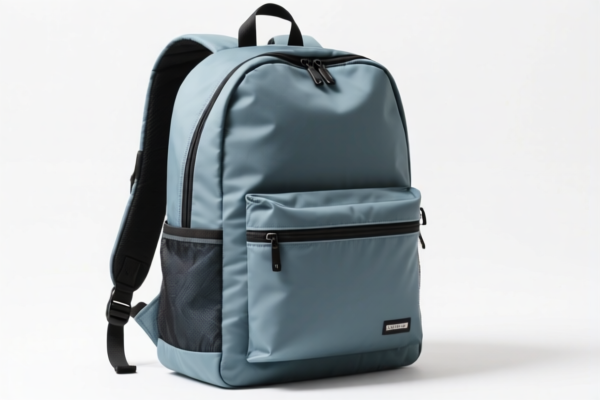
Polyester Folding Backpack
CN → US| HS编码 | 关税税率 | 原产国 | 目的国 | 文档 |
|---|---|---|---|---|
| 4202923120 | 52.6% | CN | US | 官方文档 |
| 4202923131 | 52.6% | CN | US | 官方文档 |
| 6305390000 | 25.9% | CN | US | 官方文档 |
| 3923290000 | 38.0% | CN | US | 官方文档 |
| 6305330080 | 25.9% | CN | US | 官方文档 |
商品图片
AI分析
🎒 Polyester Folding Backpack
🌐 HS Code Reference & Customs Clearance Guide | 2026 Latest Tariff Analysis | Strategic Logistics Strategy
📌 I. Product Definition & Classification: Do You Really Understand "Folding Backpack"?
A Polyester Folding Backpack is a lightweight, portable bag designed for travel, sports, or daily use, characterized by its ability to be compacted into a small pouch when not in use. In international trade, the classification depends heavily on the specific material composition (synthetic vs. artificial fibers) and the functional form (backpack vs. general bag).
⚠️ Key Distinction Point:
- If the bag is specifically a Backpack or Sports Bag made of Synthetic Fibers (e.g., Polyester woven fabric) → Classified under 4202.
- If the bag is a generic Bag/Pouch (not strictly a backpack) made of Artificial Textile Materials → Classified under 6305.
- If the bag is primarily a Plastic/Synthetic Fiber Packaging Item → Classified under 3923.
📦 II. HS Code Classification Details (2026 Latest Tariff Authority Cross-Reference)
| HS Code | Product Description | Application Scenario | Tax Rate (Total) | Tax Breakdown |
|---|---|---|---|---|
4202.92.31.20 |
Polyester Tear-Resistant Backpack/Sports Bag; Material: Synthetic Fibers; Form: Backpack or Sports Bag. | High-end tear-resistant hiking bags, gym bags made of synthetic polyester. | 52.6% | Base: 17.6% + Additional: 25.0% + Section 122: 10% |
4202.92.31.31 |
Polyester Tear-Resistant Backpack; Material: Artificial Fibers; Form: Travel, Sports, and Similar Bags. | Lightweight travel backpacks made of artificial synthetic fabrics. | 52.6% | Base: 17.6% + Additional: 25.0% + Section 122: 10% |
6305.39.00.00 |
Polyester Sports Bag; Material: Artificial Textile Materials; Form: Bag. | Generic polyester sports bags, duffel bags, or tote-style sports packs. | 25.9% | Base: 8.4% + Additional: 7.5% + Section 122: 10% |
3923.29.00.00 |
Polyester Sports Bag; Material: Plastic/Synthetic Fiber; Use: Packaging/Carrying Supplies. | Bags functioning primarily as packaging carriers, often with plastic coating or liner. | 38.0% | Base: 3.0% + Additional: 25.0% + Section 122: 10% |
6305.33.00.80 |
Polyester Sports Bag; Material: Artificial Textile Materials; Form: Bags for Packaging/Carrying. | Soft-sided bags, drawstring packs, or collapsible bags used for carrying goods. | 25.9% | Base: 8.4% + Additional: 7.5% + Section 122: 10% |
🔍 Key Reminder:
- Backpacks with straps designed for shoulder carry are strictly categorized under 4202 (Articles of Leather, Travel Goods, Handbags).
- Generic Bags (pouches, sacks, non-structured bags) fall under 6305 (Sacks and Bags).
- Plastic-Coated Bags that serve as packaging containers may fall under 3923, but this is less common for consumer backpacks unless specifically designed as disposable packaging.
💰 III. 2026 Latest Tariff Rate Details (Including Surtaxes & Policy Add-ons)
✅ Applicable Country: United States (US)
✅ Origin: China (CN)
✅ Effective Date: Current rates apply (Including Section 301 & Section 122 measures)
🎯 1. 4202.92.31.20 / 4202.92.31.31 —— Polyester Tear-Resistant Backpack/Sports Bag
| Item | Content |
|---|---|
| Base Tariff | 17.6% (ad valorem) |
| Section 301 Additional Tariff | +25.0% (USITC Footnote 9903.88.01) |
| Section 122 Tariff | +10.0% (Targeting specific textile/clothing imports) |
| Total Tariff Rate | 52.6% |
| Tax Calculation | CIF Value × 52.6% |
| De Minimis Exemption | ❌ Not Eligible (Section 301 & 122 tariffs generally exclude de minimis benefits for direct shipments from China) |
| Legal Basis Path | Section 301: 17.6% → Section 122: 10% → USITC: 4202.92.31.20/31 |
📌 Explanation:
- Base Tariff (17.6%): Standard MFN rate for travel goods/sports bags.
- Section 301 (25%): Applies to most Chinese-origin goods under HTS 4202.
- Section 122 (10%): Additional surcharge on specific textile/apparel categories.
- Total Impact: 52.6% is a very high tariff, significantly impacting profit margins. Must be factored into pricing.
🎯 2. 6305.39.00.00 / 6305.33.00.80 —— Polyester Sports Bag (Artificial Textile)
| Item | Content |
|---|---|
| Base Tariff | 8.4% (ad valorem) |
| Section 301 Additional Tariff | +7.5% (Reduced rate for some textile bags under Section 301) |
| Section 122 Tariff | +10.0% |
| Total Tariff Rate | 25.9% |
| Tax Calculation | CIF Value × 25.9% |
| De Minimis Exemption | ❌ Not Eligible (For direct China shipments subject to Section 122) |
| Legal Basis Path | Section 301: 8.4%+7.5% → Section 122: 10% → USITC: 6305.39/33 |
📌 Note:
- These codes apply to non-backpack bags (e.g., drawstring bags, tote sports bags).
- Total Rate: 25.9% is half of the backpack rate, making this a more cost-effective classification if the product form allows.
🎯 3. 3923.29.00.00 —— Polyester Sports Bag (Plastic/Synthetic Packaging)
| Item | Content |
|---|---|
| Base Tariff | 3.0% (ad valorem) |
| Section 301 Additional Tariff | +25.0% |
| Section 122 Tariff | +10.0% |
| Total Tariff Rate | 38.0% |
| Tax Calculation | CIF Value × 38.0% |
| De Minimis Exemption | ❌ Not Eligible |
| Legal Basis Path | Section 301: 3.0%+25% → Section 122: 10% → USITC: 3923.29.00.00 |
📌 Note:
- This classification is risky for consumer backpacks. It is typically reserved for packaging bags (e.g., large plastic-lined sacks). Misclassification can lead to customs audits.
🛠️ IV. Customs Clearance Practical Advice (Battle-Tested Pitfall Guide)
✅ 1. Preparation Checklist (Non-Negotiable)
| Document | Required? | Explanation |
|---|---|---|
| ✅ Product Spec Sheet | ✔️ | Must detail material (Polyester %), dimensions, weight, and folding mechanism. |
| ✅ Photos (Labeled) | ✔️ | Show the bag unfolded (to prove it's a backpack/bag) and folded (to prove portability). |
| ✅ Commercial Invoice | ✔️ | Clearly state "Polyester Folding Backpack" or "Polyester Sports Bag" – DO NOT use vague terms like "Bag". |
| ✅ Material Declaration | ✔️ | Specify if it is "Synthetic Fiber" (Polyester woven) or "Artificial Textile". This determines 4202 vs 6305. |
| ✅ Packing List | ✔️ | Ensure packaging contents match the invoice. |
✅ 2. Classification Strategy (Key Mantra)
🔥 “Backpacks go to 4202, Bags go to 6305, Plastic to 3923 – Wrong Code = Penalty!”
| Scenario | Correct HS Code | Wrong Action | Consequence |
|---|---|---|---|
| Strap Design + Backpack Shape | 4202.92.31.20 or 31 |
Misclassifying as 6305 (25.9%) |
Overpayment of 26.7% + Risk of audit for undervaluation. |
| Drawstring/Pouch (No Straps) | 6305.39.00.00 or 33 |
Misclassifying as 4202 (52.6%) |
Overpayment of 26.7% + Unnecessary tax burden. |
| Plastic-Coated Packaging Bag | 3923.29.00.00 |
Misclassifying as 4202 |
Overpayment of 14.6% + Potential fraud flag. |
| Mixed Materials (Fabric + Plastic Lining) | 4202 or 6305 |
Splitting invoice | Customs Rejection + Delays. |
✅ 3. Special Situations
| Situation | Handling Advice |
|---|---|
| OEM Custom Backpacks | Provide design files to prove "Backpack" form factor. If straps are non-standard, argue for 6305 if possible, but 4202 is safer for structural backpacks. |
| "Folding" Feature | Emphasize "Portable" and "Lightweight" in description. Does not change HS code, but helps justify value and function. |
| Section 122 Impact | Since Section 122 adds 10% to all these codes, ensure your pricing model accounts for this additional 10% on top of Section 301. |
| De Minimis (Section 321) | High Risk. Section 301 and Section 122 tariffs cannot be avoided via de minimis for direct China imports. Do not rely on $800 exemption for B2B shipments. |
🌍 V. Global Market Comparison (2026 Latest)
| Country/Region | Recommended HS Code | Tariff (China Origin) | Certification | Notes |
|---|---|---|---|---|
| 🇺🇸 USA | 4202.92.31.20 |
52.6% | N/A | Highest cost due to Sec 301 + 122. |
| 🇨🇳 China | 4202.92.31.20 |
~10-15% | N/A | Lower duties for domestic sale. |
| 🇪🇺 EU | 4202.92 |
~4.0-7.0% | CE/RoHS (if applicable) | No Section 301/122. Much more competitive. |
| 🇬🇧 UK | 4202.92 |
~5.0-10.0% | UKCA | Post-Brexit rates vary. |
| 🇨🇦 Canada | 4202.92 |
~0-18% (MFN) | N/A | CUSMA benefit if made in NA. |
📌 Conclusion:
- The US market is extremely expensive for polyester backpacks from China due to the 52.6% effective tariff.
- European markets are far more competitive with rates under 10%.
- Consider supply chain diversification (e.g., Vietnam, Bangladesh) to avoid US Section 301/122 tariffs.
📌 VI. Common Errors & Pitfall Guide (Lessons from Tears)
❌ Error 1: Calling a "Backpack" a "Bag" to get a lower rate (6305 vs 4202)
👉 Consequence: Customs audits the straps. If straps are structural, you owe 26.7% more + penalties.
❌ Error 2: Ignoring Section 122
👉 Consequence: Your cost model is off by 10%. You might think you can sell at $20, but after taxes, you lose money.
❌ Error 3: Using "Plastic Bag" description for a Polyester Backpack
👉 Consequence: Misclassification under 3923. While cheaper (38%), it’s legally incorrect for a textile backpack, leading to seizure or fines.
❌ Error 4: Assuming De Minimis applies
👉 Consequence: Shipments under $800 are NOT exempt from Section 301/122 tariffs for China-origin goods. Expect tax bills at entry.
✅ Correct Approach:
"Polyester Teard-Resistant Folding Backpack, Synthetic Fabric, Model XYZ, 20L Capacity, With Shoulder Straps"
🎯 VII. Conclusion: Professional Classification, Save Costs, Ensure Clearance!
🎯 Remember the Mantra:
🔹 "Backpacks = 52.6%, Bags = 25.9%, Plastic = 38%. Pick the Right Code!"
🔹 "Section 122 adds 10%, Don't Forget It!"
🔹 "Straps make it a Backpack, Pouch makes it a Bag."
📌 Pro Tip:
If you are selling to the US, consider re-engineering the product as a "Drawstring Sports Bag" (HS 6305.39.00.00) if the design allows. This reduces the tariff from 52.6% to 25.9%, saving $26.6 per $100 of value. However, ensure it does not have structured backpack straps to avoid reclassification.
For high-end tear-resistant backpacks, stick to 4202.92.31.20 and factor the 52.6% into your pricing strategy.
📣 Immediate Action:
📞 Contact a Licensed Customs Broker to verify the "Backpack" vs "Bag" definition for your specific design.
🚀 Audit Your BOM (Bill of Materials) to confirm Synthetic vs. Artificial fiber content.
💼 Optimize Your Landed Cost by choosing the most favorable (yet compliant) HS Code.
✨ Professional Clearance Starts with Precise Classification!
💼 Every Cent of Your Cost Deserves Precision!
用户评价
关于 HS 编码归类
协调制度(HS)是由世界海关组织(WCO)制定的国际贸易商品分类标准。全球 200 多个国家采用 HS 系统作为海关关税、贸易统计和进出口监管的基础。
每个 HS 编码遵循以下层级结构:
- 章(2 位)——商品大类(例如:第 84 章:机器和机械设备)
- 品目(4 位)——章内的更具体分类
- 子目(6 位)——国际通用细分,所有 WCO 成员国统一使用
- 本国细分(8-10 位)——各国自行扩展的细分编码,如美国 HTSUS 10 位编码
正确的 HS 编码归类对于顺利通关、准确缴纳关税和遵守贸易法规至关重要。错误归类可能导致海关延误、多缴关税或罚款。
从CN进口到US时,适用的关税税率可能包括:
- 最惠国(MFN)税率——适用于 WTO 成员国的标准关税税率
- 普通税率——适用于无贸易协定国家
- 贸易救济关税——附加关税,如 301 条款(反倾销)、232 条款(国家安全)或反补贴税
本页内容仅供参考。如需正式归类,请咨询当地海关或持牌报关代理。