Polyester Outdoor Lunch Bag
CN → US| HS编码 | 关税税率 | 原产国 | 目的国 | 文档 |
|---|---|---|---|---|
| 4202920807 | 42.0% | CN | US | 官方文档 |
| 4202920809 | 42.0% | CN | US | 官方文档 |
| 6307909891 | 24.5% | CN | US | 官方文档 |
| 3923290000 | 38.0% | CN | US | 官方文档 |
| 3923900080 | 38.0% | CN | US | 官方文档 |
商品图片
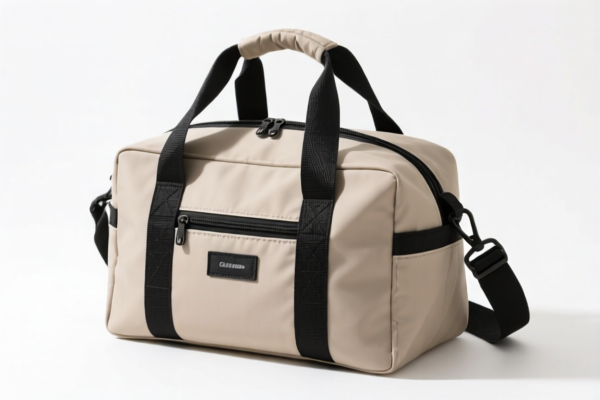
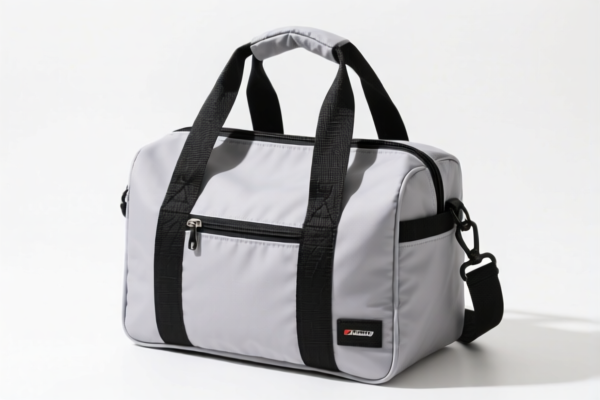
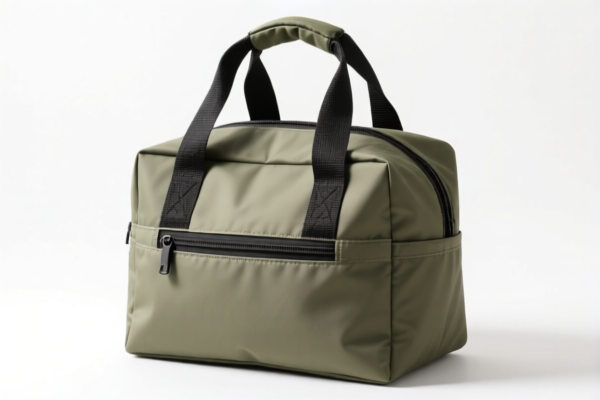
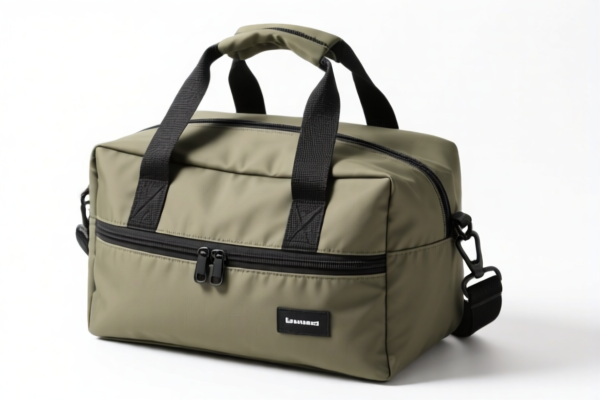
AI分析
🎒 Polyester Outdoor Lunch Bag (Insulated Food Carrier)
🌐 HS Code Classification & Customs Clearance Guide | 2026 Tariff Analysis | Professional Strategy for US Imports
📌 I. Product Definition: What is a "Polyester Outdoor Lunch Bag"?
A Polyester Outdoor Lunch Bag is a portable container designed to store, transport, and maintain the temperature of food. In international trade, its classification is complex because it sits at the intersection of textiles, plastics, and general articles.
The classification depends heavily on the primary material structure and manufacturing method: 1. Textile-Based: If the outer shell is woven/non-woven polyester fabric, even if lined with insulation (aluminum foil/PE foam), it is often classified under Chapter 42 (Articles of Apparel Accessory). 2. Plastic/Packaging-Based: If it is considered a "pouch" or "sack" made of plastic sheeting or synthetic fibers treated as plastic packaging, it may fall under Chapter 39. 3. General Article: If it doesn't fit specific textile or plastic definitions, it might fall under "Other Made-up Articles" (Chapter 63).
⚠️ Critical Distinction:
- Textile Logic: Focuses on the fabric nature of the exterior.
- Plastic Logic: Focuses on the packaging/containment function and synthetic material origin.
- General Logic: A "catch-all" for items that don't fit neatly into apparel or specific plastic containers.
📦 II. HS Code Classification Details (Based on Provided Data)
Below are the five possible HS Codes derived from the analysis, ranked by tax efficiency and logical fit.
| HS Code | Classification Logic | Total Tax Rate | Tax Breakdown |
|---|---|---|---|
| 6307.90.98.91 | Other Made-up Articles Considered a "finished good" not specifically categorized elsewhere. Fits the "catch-all" for textile-based lunch bags that don't meet specific apparel accessory definitions. |
24.5% | Base: 7.0% Add'l: 7.5% Sec 122: 10% |
| 4202.92.08.07 | Articles of Apparel/Accessories Exterior is artificial fibers (polyester). Fits "Satchels, handbags, shopping bags, etc." of textile materials. Most common for fabric lunch boxes. |
42.0% | Base: 7.0% Add'l: 25.0% Sec 122: 10% |
| 4202.92.08.09 | Other Bags (Synthetic Fiber) Insulated lunch bag made of synthetic fibers (polyester). Classified under "Other" bags within the apparel accessory chapter. |
42.0% | Base: 7.0% Add'l: 25.0% Sec 122: 10% |
| 3923.29.00.00 | Plastic Sacks/Pouches Inferred as plastic/synthetic fiber related. Treated as a "pouch" or "bag" of plastics used for packaging/carriage. |
38.0% | Base: 3.0% Add'l: 25.0% Sec 122: 10% |
| 3923.90.00.80 | Other Plastic Articles Packaging articles made of polyester (synthetic). Classified broadly under plastic packaging supplies. |
38.0% | Base: 3.0% Add'l: 25.0% Sec 122: 10% |
🔍 Analysis:
- 6307.90.98.91 offers the lowest total tax rate (24.5%).
- 4202 and 3923 categories have higher rates (38%-42%) due to higher additional tariffs (25% vs 7.5%).
- The key differentiator is whether Customs views the item as a "Bag of Textile Material" (Ch 42/63) or a "Plastic Packaging Item" (Ch 39).
💰 III. Detailed Tariff Explanation (2026 US Import Rules)
✅ Destination: United States (US)
✅ Origin: China (CN)
✅ Policy Context: Section 301 & Section 122 Tariffs apply.
🎯 1. The "Lowest Tax" Option: 6307.90.98.91
| Item | Detail |
|---|---|
| Base Duty | 7.0% |
| Section 301 Add'l Tariff | 7.5% (Reduced from 25% for certain textile/general articles in some contexts, or specific footnote application) |
| Section 122 Tariff | 10% (Applicable to low-value shipments or specific de minimis rules depending on enforcement status; Note: Data specifies 10%) |
| Total Rate | 24.5% |
| Calculation | CIF Value × 24.5% |
| Legal Path | USITC:6307.90.98.91 → FOOTNOTE:Sec 122 |
📌 Why this rate?:
- This code is classified under "Other made-up articles," which often enjoys lower additional tariffs compared to specific apparel accessories or plastic packaging.
- Crucial: Ensure the product description emphasizes "made-up article" and "textile composition" rather than "plastic packaging."
🎯 2. The "Standard Textile" Option: 4202.92.08.07 / 4202.92.08.09
| Item | Detail |
|---|---|
| Base Duty | 7.0% |
| Section 301 Add'l Tariff | 25.0% (High additional tariff for apparel accessories) |
| Section 122 Tariff | 10% |
| Total Rate | 42.0% |
| Calculation | CIF Value × 42.0% |
📌 Risk Warning:
- Classification under Chapter 42 (Apparel Accessories) triggers the highest additional tariff (25%).
- Even though polyester is a textile, Customs may view insulated lunch bags as "packaging" rather than "accessories," leading to potential disputes.
🎯 3. The "Plastic Packaging" Option: 3923.29.00.00 / 3923.90.00.80
| Item | Detail |
|---|---|
| Base Duty | 3.0% (Low base duty for plastic articles) |
| Section 301 Add'l Tariff | 25.0% |
| Section 122 Tariff | 10% |
| Total Rate | 38.0% |
📌 Note:
- Despite a low base duty (3%), the 25% additional tariff makes this more expensive than the 6307 option.
- Risk: Customs may reject "plastic" classification if the bag is primarily fabric with a plastic lining.
🛠️ IV. Customs Clearance Practical Advice
✅ 1. Document Preparation Checklist
| Document | Requirement | Purpose |
|---|---|---|
| Commercial Invoice | Must state "Polyester Insulated Lunch Bag" clearly. Avoid "Plastic Bag" if using 6307/4202. | Prevents misclassification as plastic packaging. |
| Material Composition Statement | Specify: "Outer: 100% Polyester Fabric; Inner: Aluminum Foil/PE Foam Insulation; Zipper: Metal/Plastic." | Proves textile nature for 6307/4202 classification. |
| Product Photos | Show exterior fabric texture, lining material, and structure. | Visual proof for Customs officers to distinguish from pure plastic pouches. |
| Origin Certificate | Standard CO for China origin. | Required for tariff calculation. |
✅ 2. Classification Strategy: How to Achieve 24.5%?
To classify under 6307.90.98.91 (the cheapest option):
- Emphasize "Made-up Article": Describe the item as a "Finished textile article for food storage," not a "packaging material."
- Highlight Fabric Exterior: Ensure the outer layer is visibly fabric (polyester), not plastic film.
- Avoid "Packaging" Language: Do not use terms like "secondary packaging" or "disposable sack" in marketing materials.
- Pre-Ruling: If importing large volumes, consider filing for a Binding Ruling (CBP Ruling) to secure the 6307 classification legally before shipment.
✅ 3. Common Pitfalls to Avoid
| Mistake | Consequence | Solution |
|---|---|---|
| Declaring as "Plastic Bag" | Classifies under 3923 → 38% tax | Use "Textile Lunch Bag" description. |
| Declaring as "Apparel Accessory" | Classifies under 4202 → 42% tax | Use "General Article" or "Food Storage Article" description. |
| Vague Description ("Bag") | Customs uses worst-case scenario | Provide detailed material breakdown. |
| Ignoring Section 122 | Unexpected 10% tax | Ensure all HS codes include the 122 clause in planning. |
🌍 V. Global Market Comparison (Brief)
| Market | Recommended HS | Est. Duty | Notes |
|---|---|---|---|
| 🇺🇸 USA | 6307.90.98.91 | 24.5% | Best option based on data. |
| 🇪🇺 EU | 4202.92.00 | ~5-7% | Lower tariffs, no Section 301. |
| 🇨🇳 China | 4202.92.00 | ~10-15% | Import duty varies by exact type. |
| 🇬🇧 UK | 4202.92.00 | ~5-7% | Post-Brexit tariffs apply. |
📌 Conclusion for US Importers:
The6307.90.98.91classification is the most cost-effective (24.5%) for Polyester Outdoor Lunch Bags. To achieve this, you must prove the product is a textile-based made-up article rather than a plastic packaging item or apparel accessory.
📌 VI. Final Checklist for Shippers
- Confirm Material: Is the outer shell 100% polyester fabric?
- Draft Description: "Polyester Fabric Insulated Lunch Bag, Made-up Article."
- Calculate Landed Cost: Use 24.5% total duty for budgeting.
- Prepare Docs: Invoice + Material Spec + Photos.
- Consider Pre-Ruling: For large shipments, secure the 6307 classification with CBP.
🎯 Pro Tip:
"Fabric over Plastic, Article over Accessory."
Use language that highlights the fabric exterior and the general article nature to secure the lowest 24.5% duty rate. Avoid words like "packaging," "sack," or "apparel" to prevent higher taxes.
✨ Accurate classification saves money. Clear documentation ensures speed.
💼 Contact your customs broker with this guide to optimize your clearance strategy.
用户评价
关于 HS 编码归类
协调制度(HS)是由世界海关组织(WCO)制定的国际贸易商品分类标准。全球 200 多个国家采用 HS 系统作为海关关税、贸易统计和进出口监管的基础。
每个 HS 编码遵循以下层级结构:
- 章(2 位)——商品大类(例如:第 84 章:机器和机械设备)
- 品目(4 位)——章内的更具体分类
- 子目(6 位)——国际通用细分,所有 WCO 成员国统一使用
- 本国细分(8-10 位)——各国自行扩展的细分编码,如美国 HTSUS 10 位编码
正确的 HS 编码归类对于顺利通关、准确缴纳关税和遵守贸易法规至关重要。错误归类可能导致海关延误、多缴关税或罚款。
从CN进口到US时,适用的关税税率可能包括:
- 最惠国(MFN)税率——适用于 WTO 成员国的标准关税税率
- 普通税率——适用于无贸易协定国家
- 贸易救济关税——附加关税,如 301 条款(反倾销)、232 条款(国家安全)或反补贴税
本页内容仅供参考。如需正式归类,请咨询当地海关或持牌报关代理。