Polyester Staple Yarn
CN → US| HS编码 | 关税税率 | 原产国 | 目的国 | 文档 |
|---|---|---|---|---|
| 5509210000 | 44.7% | CN | US | 官方文档 |
| 5512110090 | 24.0% | CN | US | 官方文档 |
| 5509220010 | 45.6% | CN | US | 官方文档 |
| 5508200000 | 46.0% | CN | US | 官方文档 |
| 5509220090 | 45.6% | CN | US | 官方文档 |
商品图片
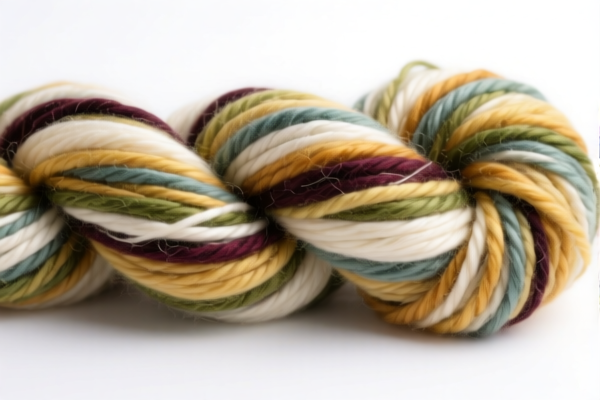
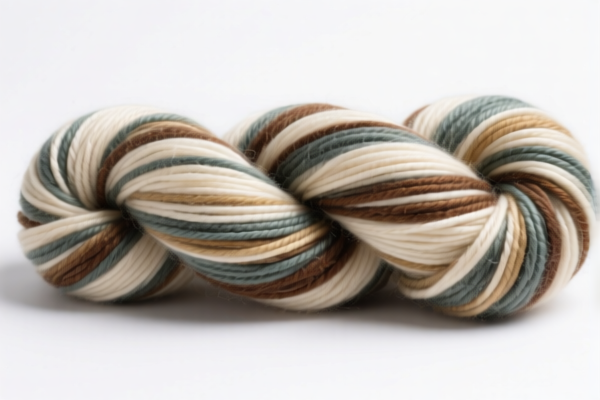
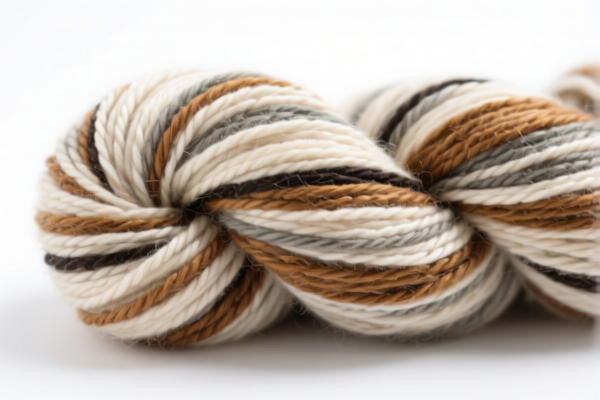
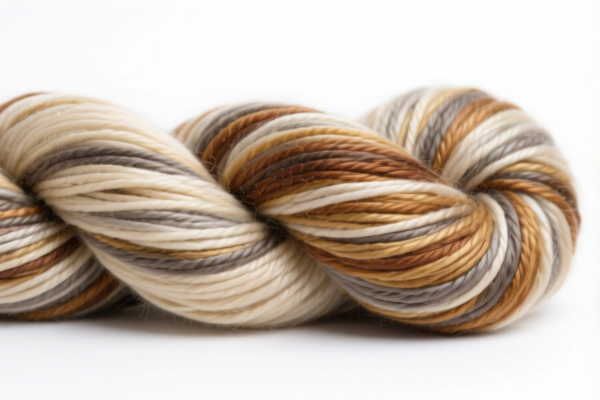
AI分析
🧵 Polyester Staple Yarn (Polystyrene Staple Yarn / PES Staple Yarn)
🌐 HS Code Reference & Customs Clearance Guide | 2024-2026 Latest Tariff Analysis | Professional-Level Strategy for High-Tariff Goods
📌 I. Product Definition & Classification: Do You Really Understand "Polyester Staple Yarn"?
Polyester Staple Yarn (PSY) is a crucial raw material in the textile industry, made by spinning polyester staple fibers (chopped filament fibers). It is widely used in weaving, knitting, non-wovens, and industrial applications.
In international trade, it is classified into two main categories based on physical form and end-use:
- Single-End Staple Yarn (Industrial/Multi-ply): Often used for heavy-duty industrial fabrics, ropes, or upholstery. These are often "multi-ply" (two or more strands twisted together).
- Sewing Thread (Man-made Fiber): Specifically designed for sewing machines, often treated for high strength and heat resistance.
⚠️ Key Distinction Point:
- If it is a general-purpose yarn for weaving/knitting (even if multi-ply) → Typically falls under 5509 series.
- If it is specifically classified as "Sewing Thread" (finished for direct sewing use) → Falls under 5508.20.00.00.
- Misclassification Risk: Declaring industrial multi-ply yarn as "sewing thread" to seek lower rates is a common audit trigger.
📦 II. HS Code Classification Details (2024-2026 Latest Tariff Authority Match)
| HS Code | Product Description | Application Scenario | Tax Rate (US/CN) |
|---|---|---|---|
5509.21.00.00 |
Polyester Staple Yarn, Industrial Use Material: Polyester, Form: Staple Yarn (Single/Multi-ply not specified as sewing) |
Industrial fabrics, geotextiles, heavy-duty canvas, general weaving | 🔴 44.7% |
5512.11.00.90 |
Polyester Staple Yarn, Industrial Use Category: Synthetic Staple Fiber Fabric Raw Material or Intermediate |
Specific sub-category for synthetic staple fiber intermediates | 🟠 24.0% |
5509.22.00.10 |
Polyester Staple Multi-Ply Yarn Material: Polyester, Form: Multi-ply Staple Yarn |
Upholstery, drapery, medium-duty weaving | 🔴 45.6% |
5508.20.00.00 |
Polyester Staple Yarn, Man-Made Fiber Sewing Thread | Finished sewing threads for garments, home textiles, industrial sewing | 🔴 46.0% |
5509.22.00.90 |
Other Polyester Staple Multi-Ply Yarn Material: Polyester, Form: Multi-ply, Other Category |
Niche industrial or specialized weaving applications | 🔴 45.6% |
🔍 Critical Reminder:
- Sewing Thread (5508) has the highest tax burden (46.0%). Do not classify general yarn as sewing thread. - Industrial Yarn (5509) generally ranges from 44.7% to 45.6%. - Item5512.11.00.90(24.0%) is an outlier with a lower rate. It is specifically for "synthetic staple fiber fabric raw materials or intermediates." If your product fits this specific definition (e.g., specific intermediate form for fabric production), it may apply. Verify with customs broker.
💰 III. 2024-2026 Latest Tariff Rate Breakdown (Including Additional Taxes & Policy Surcharges)
✅ Applicable Country: United States (US)
✅ Origin: China (CN)
✅ Effective Time: Ongoing (Subject to Section 301 & IEEPA)
🎯 1. 5509.21.00.00 —— Polyester Staple Yarn, Industrial Use
| Item | Content |
|---|---|
| Base Tariff | 9.7% (ad valorem) |
| Section 301 Additional Tariff | +25.0% |
| IEEPA Section 122 Tariff | +10.0% |
| Total Tariff | 44.7% |
| Tax Calculation | CIF Value × 44.7% |
| De Minimis Exemption | ❌ Not Eligible (High tariff items excluded from 80.01.57 exemption) |
| Legal Basis Path | USITC:5509.21.00.00 → SECTION301:25% → IEEPA:10% |
📌 Explanation:
- "Base Tariff 9.7%" is the standard Most Favored Nation (MFN) rate for polyester staple yarn. - "Section 301 25%" is the additional tariff imposed on Chinese goods under US Trade Law Section 301. - "IEEPA 10%" (122 Tariff) is the latest surcharge on Chinese imports. - Total 44.7% is extremely high, impacting cost competitiveness significantly.
🎯 2. 5512.11.00.90 —— Polyester Staple Yarn, Industrial Use (Intermediate)
| Item | Content |
|---|---|
| Base Tariff | 12.0% |
| Section 301 Additional Tariff | +2.0% |
| IEEPA Section 122 Tariff | +10.0% |
| Total Tariff | 24.0% |
| Tax Calculation | CIF Value × 24.0% |
| De Minimis Exemption | ❌ Not Eligible |
| Legal Basis Path | USITC:5512.11.00.90 → SECTION301:2% → IEEPA:10% |
📌 Note:
- This is the lowest tax rate in the dataset.
- However, the Section 301 rate is only 2%, suggesting this item might be classified under a different sub-heading where Section 301 applies differently.
- Strict Condition: Must qualify as "fabric raw material or intermediate." General yarn sold to weavers may be audited.
🎯 3. 5509.22.00.10 & 5509.22.00.90 —— Polyester Staple Multi-Ply Yarn
| Item | Content |
|---|---|
| Base Tariff | 10.6% |
| Section 301 Additional Tariff | +25.0% |
| IEEPA Section 122 Tariff | +10.0% |
| Total Tariff | 45.6% |
| Tax Calculation | CIF Value × 45.6% |
| De Minimis Exemption | ❌ Not Eligible |
| Legal Basis Path | USITC:5509.22.00.xx → SECTION301:25% → IEEPA:10% |
📌 Note:
- Multi-ply yarn is treated as a more processed product, hence the slightly higher base rate (10.6% vs 9.7%).
- The total tariff is the highest standard rate among industrial yarns.
🎯 4. 5508.20.00.00 —— Man-Made Fiber Sewing Thread
| Item | Content |
|---|---|
| Base Tariff | 11.0% |
| Section 301 Additional Tariff | +25.0% |
| IEEPA Section 122 Tariff | +10.0% |
| Total Tariff | 46.0% |
| Tax Calculation | CIF Value × 46.0% |
| De Minimis Exemption | ❌ Not Eligible |
| Legal Basis Path | USITC:5508.20.00.00 → SECTION301:25% → IEEPA:10% |
📌 Warning:
- This has the absolute highest total tax rate (46.0%).
- Only apply if the product is clearly finished sewing thread. Misclassification here is risky and expensive.
🛠️ IV. Customs Clearance Practical Advice (Battle-Tested Pitfall Guide)
✅ 1. Preparation Checklist (Non-Negotiable)
| Material | Must Provide | Explanation |
|---|---|---|
| ✅ Product Specification Sheet | ✔️ | Include fiber type (100% PES), fineness (Denier/Dtex), staple length, twist direction, ply count. |
| ✅ Physical Sample/Photo | ✔️ | Clear image showing if it's single-end, multi-ply, or finished spool (thread). |
| ✅ Commercial Invoice | ✔️ | Must describe product accurately: "Polyester Staple Yarn, Industrial Grade, 2-ply" NOT just "Yarn." |
| ✅ Bill of Lading | ✔️ | Consistent with invoice. |
| ✅ Certificate of Origin | ✔️ | Required to prove origin (China) for tariff calculation. |
✅ 2. Declaration Tips (Key Mantra)
🔥 “Form Dictates Code, Ply Dictates Rate, Name Must Match, Avoid Audits!”
| Situation | Correct Declaration | Wrong Action |
|---|---|---|
| General weaving yarn (single/multi-ply) | 5509.21.00.00 or 5509.22.00.10 |
Declaring as 5508.20.00.00 (Sewing Thread) → 46% vs 44.7% |
| Specific intermediate fabric raw material | 5512.11.00.90 (if eligible) |
Forcing general yarn here → Audit risk |
| Finished sewing thread | 5508.20.00.00 |
Declaring as general yarn → 44.7% vs 46% (Wait, 44.7% is lower! But if caught, penalties apply. Stick to correct code.) |
⚠️ Note on Strategy:
-5512.11.00.90(24.0%) is significantly cheaper than5509(44.7%).
- Action: If your product is a "raw material/intermediate" for fabric manufacturing, argue for5512.11.00.90. If it is finished yarn for sale to weavers,5509is the correct code.
✅ 3. Special Cases
| Situation | Handling Advice |
|---|---|
| Mixed Blends (e.g., Poly/Cotton) | Not covered in this data. Must use different HS codes. Ensure 100% Polyester for these codes. |
| OEM Custom Yarn | Provide customer specs. If custom-treated, it may still be 5509. |
| Bulk vs. Retail Packaging | Bulk spools often treated as industrial; retail cones might be seen as sewing thread. |
| Re-export from Third Country | Original origin is still China. Tariffs still apply. |
🌍 V. Global Market Customs Comparison (2024-2026)
| Country/Region | Recommended HS Code | Tariff (Approx) | Certification Required | Notes |
|---|---|---|---|---|
| 🇺🇸 USA | 5509.21.00.00 / 5508.20.00.00 |
44.7% - 46.0% | None (General) | High Tariff. Section 301 + IEEPA applies. |
| 🇨🇳 China | 5509.21.00.00 |
~9.7% | None | Base rate only. |
| 🇪🇺 EU | 5509.21.00 |
~5-6% | REACH (Chemical safety) | No Section 301. Lower base rate. |
| 🇬🇧 UK | 5509.21.00 |
~5-6% | UKCA (if applicable) | Post-Brexit rules apply. |
| 🇮🇳 India | 5509.21.00 |
~7.5% + BCD | BIS (if applicable) | Basic Customs Duty + Social Welfare Surcharge. |
📌 Conclusion:
- USA is the most expensive market due to additional political tariffs.
- Cost Impact: A $10,000 shipment to the US incurs $4,470 - $4,600 in tariffs.
- Strategy: Consider supply chain diversification (Vietnam, India, Bangladesh) for US-bound goods to avoid Section 301/IEEPA tariffs.
📌 VI. Common Mistakes & Pitfalls (Lessons Learned)
❌ Mistake 1: Declaring "Industrial Yarn" as "Sewing Thread" to save money?
👉 Result: No, Sewing Thread (46.0%) is more expensive than Industrial Yarn (44.7%). But if you declare "General Yarn" as "Sewing Thread," you risk penalties for misdeclaration.
❌ Mistake 2: Ignoring the "Ply" distinction.
👉 Result: Multi-ply (5509.22) has a higher base rate (10.6%) than single/poly-end (5509.21, 9.7%). Ensure accurate description of ply count.
❌ Mistake 3: Assuming De Minimis ($800) applies.
👉 Result: No. Goods subject to Section 301 and IEEPA surcharges are explicitly excluded from the $800 de minimis exemption. Small shipments are still taxed.
❌ Mistake 4: Using vague descriptions like "Textile Yarn."
👉 Result: Customs will classify based on the worst-case scenario or require additional documentation, causing delays.
✅ Correct Declaration Example:
"POLYESTER STAPLE YARN, 100% POLYESTER, INDUSTRIAL GRADE, 2-PLY, SPUN FROM STAPLE FIBERS, HS CODE 5509.21.00.00"
🎯 VII. Conclusion: Professional Declaration, Cost Savings, Risk Reduction
🎯 Remember the Mantra:
🔹 "Check Ply, Check End-Use, 24% vs 46% is a Huge Gap!"
🔹 "USA Tariffs are Brutal (44%+), Plan Your Supply Chain Accordingly."
🔹 "No De Minimis for Polyester Yarn to the US!"
📌 Pro Tip:
If you are importing large volumes, consider applying for an Advance Ruling from US Customs and Border Protection (CBP) to confirm the HS Code and tariff liability before shipment. This provides legal certainty and avoids unexpected costs.
📣 Immediate Action:
📞 Consult your freight forwarder with technical specs (ply, fineness, end-use).
🚀 Evaluate your total landed cost including the ~45% tariff.
💡 Explore alternative origins if shipping to the US to mitigate tariff risks.
✨ Professional Clearance Starts with Accurate Classification!
💼 Your Cost Efficiency Depends on the Right HS Code!
用户评价
关于 HS 编码归类
协调制度(HS)是由世界海关组织(WCO)制定的国际贸易商品分类标准。全球 200 多个国家采用 HS 系统作为海关关税、贸易统计和进出口监管的基础。
每个 HS 编码遵循以下层级结构:
- 章(2 位)——商品大类(例如:第 84 章:机器和机械设备)
- 品目(4 位)——章内的更具体分类
- 子目(6 位)——国际通用细分,所有 WCO 成员国统一使用
- 本国细分(8-10 位)——各国自行扩展的细分编码,如美国 HTSUS 10 位编码
正确的 HS 编码归类对于顺利通关、准确缴纳关税和遵守贸易法规至关重要。错误归类可能导致海关延误、多缴关税或罚款。
从CN进口到US时,适用的关税税率可能包括:
- 最惠国(MFN)税率——适用于 WTO 成员国的标准关税税率
- 普通税率——适用于无贸易协定国家
- 贸易救济关税——附加关税,如 301 条款(反倾销)、232 条款(国家安全)或反补贴税
本页内容仅供参考。如需正式归类,请咨询当地海关或持牌报关代理。