Polyethylene Flat Webbing
CN → US| HS编码 | 关税税率 | 原产国 | 目的国 | 文档 |
|---|---|---|---|---|
| 3921904090 | 39.2% | CN | US | 官方文档 |
| 3916100000 | 40.8% | CN | US | 官方文档 |
| 3921190010 | 41.5% | CN | US | 官方文档 |
| 3916905000 | 40.8% | CN | US | 官方文档 |
| 5607491000 | 37.7% | CN | US | 官方文档 |
商品图片
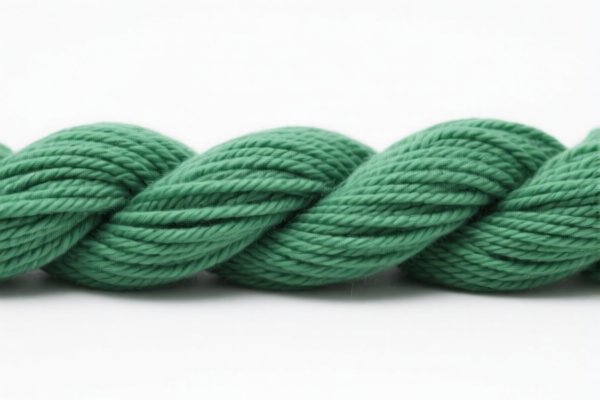
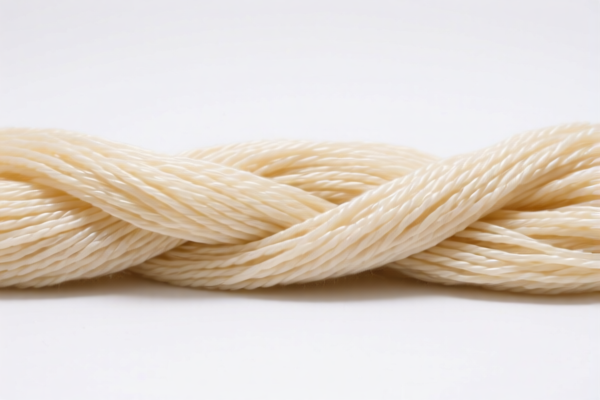
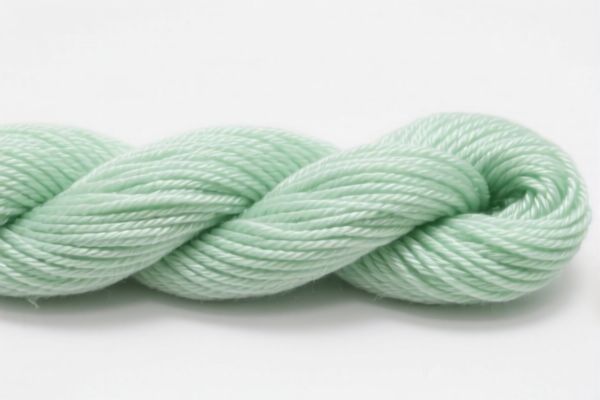
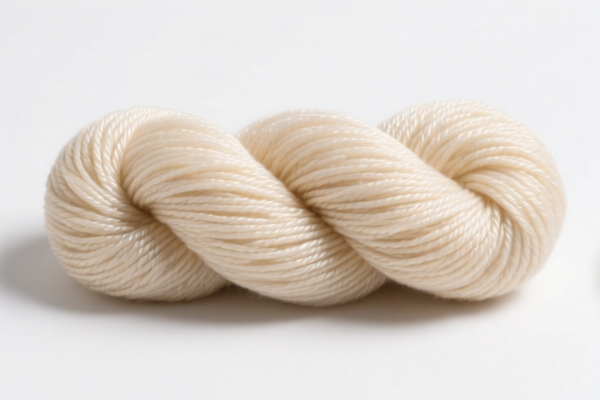
AI分析
🎗️ Polyethylene Flat Webbing (High-Density Plastic Strapping & Tapes)
🌐 HS Code Reference & Customs Clearance Guide | 2026 Latest Tariff Analysis | Professional Entry Strategy
📌 I. Product Definition & Classification: What Exactly Is "Polyethylene Flat Webbing"?
Polyethylene Flat Webbing refers to flat, strip-like products made from polyethylene (a type of plastic polymer). In international trade, these products are often used for packaging, binding, lifting, or industrial reinforcement. Because they can appear in different forms (straps, rods, sheets, or ropes), they are classified under different HS Codes depending on their physical structure and processing method.
⚠️ Key Distinction Points:
- Strip/Strap Form (Non-Rope): If it is a flat, non-textile strip used for bundling or packaging → Usually falls under Chapter 39 (Plastics).
- Rope/Cord Form: If it is woven or twisted into a rope structure → Falls under Chapter 56 (Textiles/Non-wovens) or Chapter 57.
- Monofilament/Rod Form: If extruded into a solid bar or thin single filament → Falls under Chapter 39 (Plastics) but specific subheadings differ.
📦 II. HS Code Classification Details (Based on Provided Data)
The following HS Codes are derived strictly from the provided data <DATA>. Note that all items listed incur High Additional Tariffs due to Section 301 and Section 122 regulations (likely targeting Chinese origin goods).
| HS Code | Product Summary | Material & Form | Total Tax Rate | Tax Breakdown |
|---|---|---|---|---|
3921.90.40.90 |
Polyethylene Flat Webbing (Strip) | Material: Polyethylene (Plastic) Form: Flat Strip (Strip) |
39.2% | Base: 4.2% + Sec 301: 25.0% + Sec 122: 10.0% |
3916.10.00.00 |
Polyethylene Flat Webbing (Rod/Profile) | Material: Polyethylene (E Polymer) Form: Flat Strip (Rod, Bar, Profile) |
40.8% | Base: 5.8% + Sec 301: 25.0% + Sec 122: 10.0% |
3921.19.00.10 |
Polyethylene Flat Webbing (Film/Strip Structure) | Material: Polyethylene Form: Flat Strip (Film/Strip Structure) |
41.5% | Base: 6.5% + Sec 301: 25.0% + Sec 122: 10.0% |
3916.90.50.00 |
Polyethylene Flat Webbing (Single Filament/Profile) | Material: Polyethylene (Plastic) Form: Flat Strip (Monofilament, Bar, Profile) |
40.8% | Base: 5.8% + Sec 301: 25.0% + Sec 122: 10.0% |
5607.49.10.00 |
Polypropylene Flat Rope | Material: Polypropylene (Note: PP, not PE) Form: Flat Rope (Wide Non-Fibrous Strip) |
37.7% | Base: 2.7% + Sec 301: 25.0% + Sec 122: 10.0% |
🔍 Critical Note on Data Discrepancy:
- Four items are Polyethylene (PE), but one item (5607.49.10.00) is Polypropylene (PP).
- Although the user input is "Polyethylene," if the actual product is PP, you must use5607.49.10.00to avoid misclassification.
- All rates include Section 301 (25%) and Section 122 (10%) tariffs, indicating a high-risk trade environment (likely US imports from China).
💰 III. Detailed Tariff Rate Analysis (2026 Latest)
✅ Applicable Jurisdiction: Likely United States (US)
✅ Origin: Likely China (CN) (Based on "Section 122" and high 301 rates)
✅ Effective Date: Post-2025 Trade Regulations
🎯 1. Group A: PE Strips/Films (HS 3921 Series)
Includes 3921.90.40.90 and 3921.19.00.10
| Item | Content |
|---|---|
| Base Duty | 4.2% – 6.5% (Ad Valorem) |
| Section 301 Duty | +25.0% (Specific to Chapter 39 products from China) |
| Section 122 Duty | +10.0% (Emergency import surge measures) |
| Total Effective Rate | 39.2% – 41.5% |
| Calculation Basis | CIF Value × Total Rate |
| De Minimis Exemption | ❌ Not Eligible |
📌 Explanation:
- These codes fall under Chapter 39 (Plastics and Articles Thereof).
-3921specifically covers "Other plates, sheets, film, foil and strip, of plastics."
- The 10% Section 122 tariff is a special emergency tariff often applied to goods causing market disruption, further increasing costs.
🎯 2. Group B: PE Rods/Profiles (HS 3916 Series)
Includes 3916.10.00.00 and 3916.90.50.00
| Item | Content |
|---|---|
| Base Duty | 5.8% (Ad Valorem) |
| Section 301 Duty | +25.0% |
| Section 122 Duty | +10.0% |
| Total Effective Rate | 40.8% |
| Calculation Basis | CIF Value × 40.8% |
| De Minimis Exemption | ❌ Not Eligible |
📌 Explanation:
- These codes fall under Chapter 39, Heading 3916 (Monofilament, rods, sticks, and profile shapes).
- If your "flat webbing" is extruded as a solid profile or rod rather than a flexible film/strip, this classification may apply.
- Slightly higher base duty (5.8%) compared to film/strip variants.
🎯 3. Group C: PP Flat Rope (HS 5607 Series)
Includes 5607.49.10.00
| Item | Content |
|---|---|
| Base Duty | 2.7% (Ad Valorem) |
| Section 301 Duty | +25.0% |
| Section 122 Duty | +10.0% |
| Total Effective Rate | 37.7% |
| Calculation Basis | CIF Value × 37.7% |
| De Minimis Exemption | ❌ Not Eligible |
📌 Explanation:
- Material Mismatch Alert: This code is for Polypropylene (PP), not Polyethylene (PE).
- If your product is indeed PE, do not use this code. Misclassification leads to penalties.
- However, if you are importing PP webbing, this is the cheapest option among the five (37.7%), but still very high.
🛠️ IV. Customs Clearance Practical Advice (Pitfall Avoidance Guide)
✅ 1. Essential Documentation Checklist
| Document | Required | Purpose |
|---|---|---|
| Product Specification Sheet | ✔️ | Must clearly state: Material (PE/PP), Form (Strip/Rod/Rope), Width, Thickness, Tensile Strength. |
| Photos | ✔️ | Show cross-section (to distinguish strip vs. rod) and end-use (e.g., tied around a box). |
| Commercial Invoice | ✔️ | Must match HS Code description exactly (e.g., "Polyethylene Strip" vs. "Polyethylene Rope"). |
| Origin Certificate | ✔️ | Proof of origin for Section 301/122 applicability. |
| Material Safety Data Sheet (MSDS) | ✔️ | For chemical verification (Polyethylene vs. Polypropylene). |
✅ 2. Classification Strategy (Key Decision Tree)
🔥 "Check Material, Then Check Form!"
| Scenario | Correct HS Code | Risk |
|---|---|---|
| PE Material + Flat Strip/Film | 3921.90.40.90 or 3921.19.00.10 |
Low risk if form is flexible film. |
| PE Material + Rod/Bar Profile | 3916.10.00.00 or 3916.90.50.00 |
Medium risk; ensure it's not mistaken for rope. |
| PP Material + Flat Rope | 5607.49.10.00 |
High Risk if labeled as PE. Must verify polymer type. |
| Mixed Material | N/A | Cannot mix PE and PP in one HS Code line. Split shipment. |
✅ 3. Cost Optimization Tips
-
Verify Polymer Type:
- If the product is actually Polypropylene (PP) but declared as Polyethylene (PE), you might save ~3-4% (37.7% vs ~40.8%) if correctly classified under
5607.49.10.00. - Warning: Do not misdeclare. Use FTIR test reports to prove material composition.
- If the product is actually Polypropylene (PP) but declared as Polyethylene (PE), you might save ~3-4% (37.7% vs ~40.8%) if correctly classified under
-
Section 122 Mitigation:
- Since 10% is added for Section 122, check if your product qualifies for any exclusions or if there are policy changes in 2026 that might reduce this surcharge.
- Consult a customs broker for Exclusion List eligibility (though unlikely for basic plastics).
-
Avoid "Rope" Classification for PE:
- PE webbing is rarely classified as rope unless it is woven. If it is extruded flat, keep it in Chapter 39. Misclassifying as textile rope (Chapter 54/55) could lead to different duties and stricter enforcement.
🌍 V. Global Market Comparison (2026 Outlook)
| Market | Recommended HS Code | Est. Duty (incl. Surcharges) | Notes |
|---|---|---|---|
| 🇺🇸 USA | See Data Above | 37.7% – 41.5% | High tariffs due to Sec 301 & 122. |
| 🇨🇳 China | 3921.90 / 3916.10 | ~2.7% - 6.5% | No Section 301/122. Lower entry cost. |
| 🇪🇺 EU | 3921.90 / 3916.10 | ~0% - 6.5% | No major retaliatory tariffs on plastics. |
| 🇯🇵 Japan | 3921.90 / 3916.10 | ~2.0% - 6.0% | Stable, no political surcharges. |
📌 Conclusion:
- The USA is the most expensive market for these goods due to political tariffs.
- Consider supply chain diversification (e.g., sourcing from Vietnam or Mexico) if possible to mitigate US tariffs.
📌 VI. Common Errors & Pitfalls (Lessons Learned)
❌ Error 1: Declaring Polypropylene (PP) as Polyethylene (PE) to fit a different code.
👉 Consequence: Customs audit, fines, and potential seizure. FTIR tests are standard.
❌ Error 2: Confusing Flat Strip with Rope.
👉 Consequence: If you declare a woven PE rope as a flat strip (3921), but it is woven, it might be classified under 5407/5509 (Synthetic Filament Yarns/Fabrics) or 5607 (Rope/Cordage). Ensure the physical form matches the description.
❌ Error 3: Ignoring Section 122.
👉 Consequence: Budgeting only for 25% (Sec 301) but facing 40%+ total duty. Always plan for the full rate.
✅ Correct Declaration Example:
"Flat Webbing Strip, Extruded Polyethylene, Width 25mm, Thickness 0.5mm, For Packaging Purposes, HS 3921.90.40.90"
🎯 VII. Conclusion: Precision Classification for Cost Control
🎯 Key Takeaway:
🔹 "Material First: PE vs. PP"
🔹 "Form Second: Strip/Film vs. Rod/Rope"
🔹 "Tariff Third: 40%+ is the Reality in the US"📌 Pro Tip:
If you are importing into the US, calculate the Landed Cost with the 40.8% average rate. If margins are thin, consider:
1. Re-engineering the product to use a material with lower tariff impact (if possible).
2. Third-country transshipment (check rules of origin strictly to avoid evasion penalties).
3. Pre-classification Ruling with US CBP to secure the correct HS Code before shipment.
📣 Immediate Action:
📞 Contact a Customs Broker to verify if your "Flat Webbing" is technically a "Rope" or "Strip."
📊 Run the Numbers: Compare the 37.7% (PP Rope) vs 40.8% (PE Profile) vs 41.5% (PE Film) rates based on your exact product specs.
🚀 Secure Your Supply Chain: High tariffs mean price sensitivity is critical.
✨ Clear Classification, Clear Profits!
💼 Don't Let Hidden Tariffs Eat Your Margin!
用户评价
关于 HS 编码归类
协调制度(HS)是由世界海关组织(WCO)制定的国际贸易商品分类标准。全球 200 多个国家采用 HS 系统作为海关关税、贸易统计和进出口监管的基础。
每个 HS 编码遵循以下层级结构:
- 章(2 位)——商品大类(例如:第 84 章:机器和机械设备)
- 品目(4 位)——章内的更具体分类
- 子目(6 位)——国际通用细分,所有 WCO 成员国统一使用
- 本国细分(8-10 位)——各国自行扩展的细分编码,如美国 HTSUS 10 位编码
正确的 HS 编码归类对于顺利通关、准确缴纳关税和遵守贸易法规至关重要。错误归类可能导致海关延误、多缴关税或罚款。
从CN进口到US时,适用的关税税率可能包括:
- 最惠国(MFN)税率——适用于 WTO 成员国的标准关税税率
- 普通税率——适用于无贸易协定国家
- 贸易救济关税——附加关税,如 301 条款(反倾销)、232 条款(国家安全)或反补贴税
本页内容仅供参考。如需正式归类,请咨询当地海关或持牌报关代理。