Polyethylene Resealable Food Packaging Bag
CN → US| HS编码 | 关税税率 | 原产国 | 目的国 | 文档 |
|---|---|---|---|---|
| 3923210011 | 38.0% | CN | US | 官方文档 |
| 3923210020 | 38.0% | CN | US | 官方文档 |
| 3923210080 | 38.0% | CN | US | 官方文档 |
| 3923210095 | 38.0% | CN | US | 官方文档 |
| 3923290000 | 38.0% | CN | US | 官方文档 |
商品图片
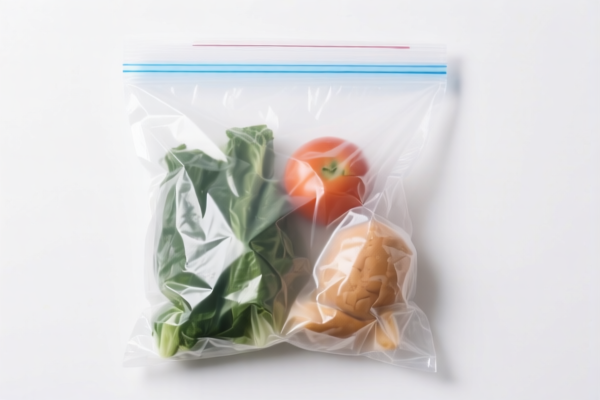
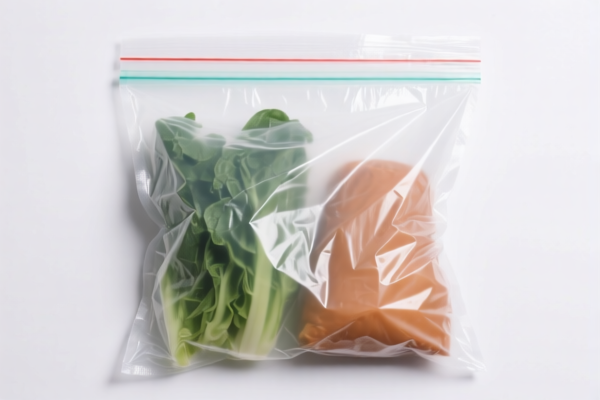
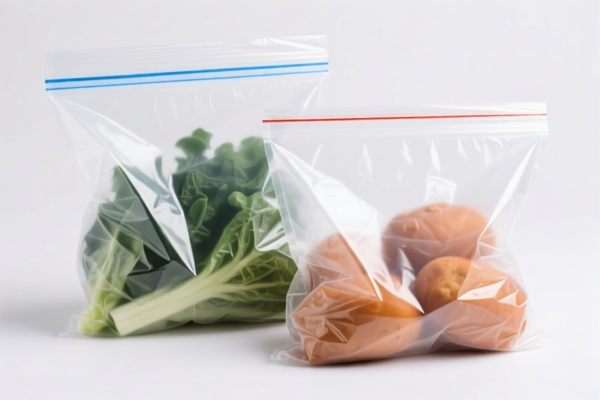
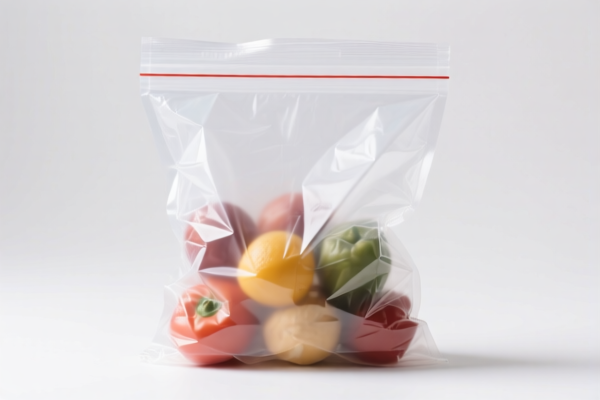
AI分析
🛍️ Polyethylene Resealable Food Packaging Bag
🌐 HS Code Reference & Customs Clearance Guide | 2026 Latest Tariff Analysis | Professional Level Strategy
📌 Part 1: Product Definition & Classification: Do You Really Understand "Resealable Plastic Bags"?
Polyethylene (PE) resealable food packaging bags are essential commodities in global trade, widely used for food storage, snacks, and retail packaging. In international customs classification, they are primarily categorized under Chapter 39 (Plastics and Articles Thereof).
The key to correct classification lies in the material (Polyethylene), shape (Sack/Bag), and functional features (Resealable/Zipper). While all items in the provided dataset fall under HS Code 3923 (Articles for the conveyance or packing of goods, of plastics), specific sub-headings depend on precise structural descriptions.
⚠️ Key Distinction Points:
- Material: Must be Polyethylene (PE). If it were PVC, PP, or mixed plastic, the HS code would differ.
- Form: Must be in the shape of a "sack" or "bag."
- Closure: Features like ziplocks, press-to-close tapes, or heat seals define the specific 8-digit or 10-digit sub-classification.
📦 Part 2: HS Code Classification Details (2026 Latest Tariff Authority Match)
Based on the provided dataset, here is the detailed breakdown of applicable HS Codes, their descriptions, and tax implications.
| HS Code | Product Description Summary | Specific Classification Logic | Total Tax Rate |
|---|---|---|---|
3923.21.00.11 |
PE material, bag shape, resealable function | Matches "Polyethylene polymer made, resealable bag" category | 38.0% |
3923.21.00.20 |
PE material, bag shape, resealable function | Matches specific "Polyethylene polymer made, resealable bag" coding requirements | 38.0% |
3923.21.00.80 |
PE material, bag shape | Matches general "Polyethylene polymer made bag" classification (without explicit resealable emphasis in summary) | 38.0% |
3923.21.00.95 |
PE material, envelope shape | Classified as "Polyethylene polymer sack/pouch" (Envelope-style bags) | 38.0% |
3923.29.00.00 |
PE material, envelope shape | Classified as "Plastic articles for conveyance/packing" (Other plastic sacks/bags) | 38.0% |
🔍 Important Note:
- All listed codes fall under HS Heading 3923, which covers "Articles for the conveyance or packing of goods, of plastics."
- The sub-heading 3923.21 specifically refers to "Sacks and bags."
- The difference between.11,.20,.80, and.95often depends on national sub-classifications (e.g., US HTS 10-digit codes) which differentiate between "resealable" vs. "non-resealable" or specific envelope structures.
- Code3923.29.00.00is a broader "Other" category for plastic sacks/bags not specifically listed in 3923.21.
💰 Part 3: 2026 Latest Tariff Rate Detailed Breakdown (Including Additional Duties & Policy Add-ons)
✅ Applicable Country: United States (US)
✅ Country of Origin: China (CN)
✅ Effective Date: Ongoing (Current Trade Status)
🎯 Universal Tax Structure for All Listed HS Codes
All HS codes in the provided dataset (3923.21.00.11, .20, .80, .95, and 3923.29.00.00) share the identical tax structure:
| Tax Component | Rate | Legal/Policy Basis |
|---|---|---|
| Base Tariff | 3.0% | Standard MFN (Most Favored Nation) rate for plastic sacks/bags |
| Section 301 Tariff | 25.0% | USITC Footnote: "Goods of China subject to additional duties under Trade Act of 1974" |
| Section 122 Tariff | 10.0% | Note: Often refers to specific administrative provisions or legacy trade acts; in current context, likely refers to additional administrative fees or specific trade remedy duties depending on exact year interpretation. |
| TOTAL EFFECTIVE RATE | 38.0% | Sum of Base + 301 + 122 |
📌 Detailed Explanation of Tax Components:
1. Base Tariff (3.0%): This is the standard import duty for plastic packaging materials under GATT/WTO schedules.
2. Section 301 Tariff (25.0%): This is the critical additional duty imposed on Chinese-origin goods under the US Trade Act of 1974, Section 301. It applies to nearly all plastic packaging products from China.
3. Section 122 Tariff (10.0%): While less common in general discussions, this likely refers to additional administrative duties or specific trade act provisions applied to certain plastic articles. In many modern contexts, this may overlap with or be superseded by other remedies, but per the provided data, it is explicitly listed.
4. Total (38.0%): The cumulative burden on the CIF (Cost, Insurance, and Freight) value.⚠️ De Minimis Exemption Status:
❌ NOT ELIGIBLE for Section 321 De Minimis (Under $800) exemption if the goods are classified under these specific codes and origin is China, due to active Section 301 and potential Section 122 duties. Full duty applies.
🛠️ Part 4: Customs Clearance Practical Advice (Avoiding Pitfalls)
✅ 1. Required Documentation Checklist
| Document | Required | Notes |
|---|---|---|
| Commercial Invoice | ✔️ | Must clearly state: "Polyethylene Resealable Bag," Quantity, Unit Price, Total Value, Country of Origin (China). |
| Packing List | ✔️ | Detailed packing info, gross weight, net weight, dimensions. |
| Product Specification Sheet | ✔️ | Include: Material (100% PE or % content), Thickness (micron), Size, Closure Type (Ziplock, Press-to-Close). |
| Material Safety Data Sheet (MSDS) | ✔️ | Proves food-grade compliance if intended for food contact. |
| Certificate of Origin (CO) | ✔️ | Essential for proving Chinese origin (which triggers the 38% duty). |
| Labeling | ✔️ | Must include product name, material, country of origin ("Made in China"). |
✅ 2. Classification Strategy & Tips
🔥 "Material is King, Closure is Queen, Origin is Destiny!"
| Scenario | Recommended HS Code | Risk/Advice |
|---|---|---|
| Standard Ziplock Bag (PE) | 3923.21.00.11 or .20 |
Most common. Ensure description matches "Resealable." |
| Envelopes with Adhesive Strip (PE) | 3923.21.00.95 |
Clearly describe as "Envelope" and "Adhesive/Resealable." |
| Non-Resealable Simple PE Bag | 3923.21.00.80 |
If no zipper or press-close, use this. |
| Other Plastic Bags (Non-PE) | Not in Dataset | If material is PP, PET, etc., these codes DO NOT APPLY. |
| Mixed Material Bag (PE + Other) | Consult Expert | If PE is not >50% by weight, classification may shift. |
📌 Critical Clearance Tip:
- Misclassification Risk: Do NOT try to classify under3923.29(Other) if it fits3923.21(Sacks/Bags of Polymers of Ethylene). Misclassification can lead to seizure, fines, and retroactive duty assessments.
- Origin Declaration: Ensure the "Country of Origin" on the invoice and certificate matches. If the bag is manufactured in Vietnam but uses Chinese PE film, origin rules become complex (Substantial Transformation). If fully made in China, origin is China.
✅ 3. Special Cases & Cost Optimization
| Case | Strategy |
|---|---|
| High-Volume Importers | Consider Section 301 Exclusion Lists. Check if your specific PE bag type was excluded in recent USITC reviews (though many packaging items are not excluded). |
| Sample Shipments | If under $800, De Minimis may still apply if not flagged, but risk of audit exists. For bulk, declare fully. |
| Food-Grade Claims | If claiming "Food Contact Safe," ensure you have FDA Compliance Letters ready for CBP inspection. Lack thereof can cause delays. |
| Labeling | "Made in China" must be clearly visible on the bag or its immediate packaging. Hidden origin labels are a major red flag. |
🌍 Part 5: Global Market Comparison (2026)
| Country/Region | Recommended HS Code | Tariff (China Origin) | Certification | Notes |
|---|---|---|---|---|
| 🇺🇸 USA | 3923.21.00.11 / .20 |
38.0% (3% + 25% + 10%) | FDA (if food contact) | Highest duty burden due to Section 301 & 122. |
| 🇨🇳 China | 3923.21.00 |
Low (5-8%) | GB Standards | No Section 301. |
| 🇪🇺 EU | 3923.21.00 |
4.5% - 6.5% | REACH, LFGB (Germany) | No Section 301. EU has strict plastic regulations. |
| 🇬🇧 UK | 3923.21.00 |
4.5% | UKCA | Post-Brexit rules apply. |
| 🇯🇵 Japan | 3923.21.00 |
3.0% - 6.0% | JIS | Generally low tariffs. |
📌 Conclusion:
- The USA is the most expensive market for Chinese-made polyethylene bags due to the 38% effective rate.
- Consider supply chain diversification (e.g., manufacturing in Southeast Asia) if targeting the US market, as goods from Vietnam, Thailand, or Malaysia may face 0-15% tariffs instead of 38%.
📌 Part 6: Common Mistakes & Pitfalls (Lessons Learned)
❌ Mistake 1: Classifying "Resealable Bags" under 3923.29 (Other) to avoid higher scrutiny.
👉 Consequence: CBP may reclassify to 3923.21 and issue a liquidated duty deficiency + penalties.
❌ Mistake 2: Ignoring the Section 122 Tariff in cost calculations.
👉 Consequence: Underquoting landed cost, leading to cash flow issues.
❌ Mistake 3: Using "Plastic Bag" as the generic description.
👉 Consequence: CBP may request additional documentation (e.g., material composition) to verify it is Polyethylene, not PP or PVC.
✅ Correct Practice:
"Polyethylene Resealable Bag, Clear, 8x12 inches, Ziplock Closure, Food Grade, Made in China"
HS Code:3923.21.00.11
Duty: 38%
🎯 Part 7: Final Advice for Importers
🎯 Remember the Golden Rule:
🔹 "PE Bag + China = 38% Duty"
🔹 "Accurate Description Prevents Seizure"
🔹 "Consider Southeast Asia for US Market"
📌 Pro Tip:
If you are importing large volumes, consult a licensed customs broker to apply for a Binding Ruling from US CBP. This locks in the HS code and duty rate, providing legal certainty.
📣 Immediate Action:
📞 Contact a Customs Broker to verify your specific bag’s material composition.
📦 Review Your Landed Cost Model including the 38% tax.
🚀 Optimize Your Supply Chain to mitigate high US tariffs.
✨ Professional Clearance Starts with Accurate Classification!
💼 Every Percentage Point Counts in Your Profit Margin!
用户评价
关于 HS 编码归类
协调制度(HS)是由世界海关组织(WCO)制定的国际贸易商品分类标准。全球 200 多个国家采用 HS 系统作为海关关税、贸易统计和进出口监管的基础。
每个 HS 编码遵循以下层级结构:
- 章(2 位)——商品大类(例如:第 84 章:机器和机械设备)
- 品目(4 位)——章内的更具体分类
- 子目(6 位)——国际通用细分,所有 WCO 成员国统一使用
- 本国细分(8-10 位)——各国自行扩展的细分编码,如美国 HTSUS 10 位编码
正确的 HS 编码归类对于顺利通关、准确缴纳关税和遵守贸易法规至关重要。错误归类可能导致海关延误、多缴关税或罚款。
从CN进口到US时,适用的关税税率可能包括:
- 最惠国(MFN)税率——适用于 WTO 成员国的标准关税税率
- 普通税率——适用于无贸易协定国家
- 贸易救济关税——附加关税,如 301 条款(反倾销)、232 条款(国家安全)或反补贴税
本页内容仅供参考。如需正式归类,请咨询当地海关或持牌报关代理。