Polyethylene Resealable Trash Bags
CN → US| HS编码 | 关税税率 | 原产国 | 目的国 | 文档 |
|---|---|---|---|---|
| 3923210095 | 38.0% | CN | US | 官方文档 |
| 3923290000 | 38.0% | CN | US | 官方文档 |
| 3923210030 | 38.0% | CN | US | 官方文档 |
| 3923210011 | 38.0% | CN | US | 官方文档 |
| 3923210095 | 38.0% | CN | US | 官方文档 |
商品图片
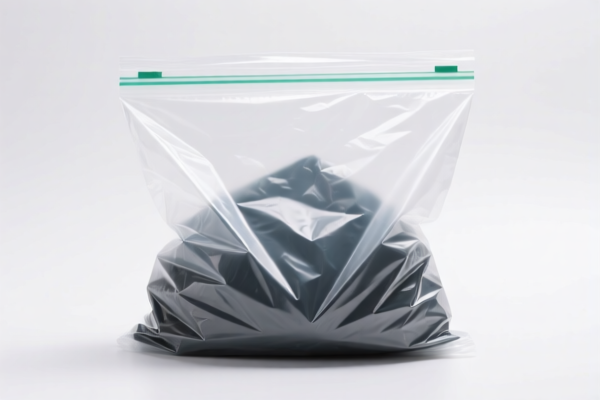
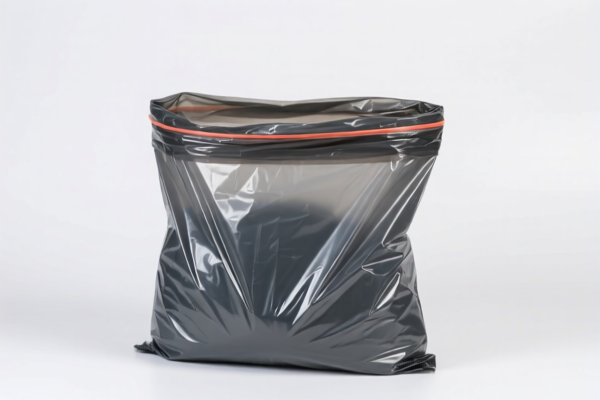
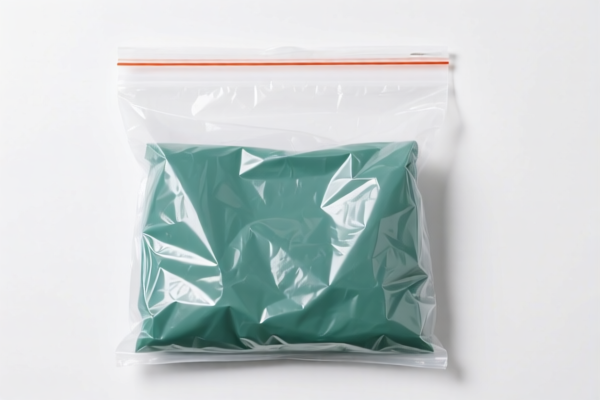
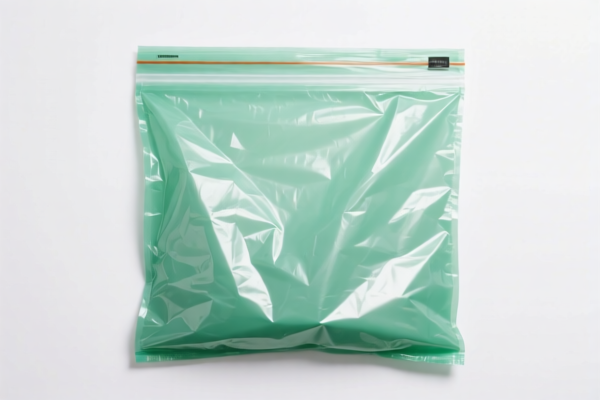
AI分析
🗑️ Polyethylene Resealable Trash Bags (HDPE/LDPE Plastic Bags)
🌐 HS Code Reference & Customs Clearance Guide | 2026 Latest Tariff Analysis | Professional Entry Strategy
📌 I. Product Definition & Classification: Are You Sure About "Trash Bags"?
Polyethylene bags are one of the most common packaging materials in global trade. However, under US Customs regulations, not all "plastic bags" are created equal. The key differentiator lies in the material specificity and closure mechanism.
For Polyethylene Resealable Bags (often used for trash, compost, or retail storage), they fall strictly under Chapter 39 (Plastics and Articles Thereof), specifically Heading 3923 (Articles for the conveyance or packing of goods, of plastics).
⚠️ Key Distinction:
- If the bag is made of Polyethylene (PE) and has a resealable feature (zipper, press-seal), it must be classified based on the specific PE subtype (LDPE vs. HDPE) and function.
- General "Plastic Bags" that do not fit specific PE definitions may fall under general residual headings (3923.29).
- Food-safe vs. Non-food-safe: While both may share HS codes if made of PE, regulatory compliance (FDA vs. general use) differs, but tariff-wise, the material dictates the code.
📦 II. HS Code Classification Details (2026 Latest Tariff Alignment)
Based on the provided data for Polyethylene Resealable Bags, here is the authoritative breakdown:
| HS Code | Product Description | Key Characteristics | Resealable Feature? |
|---|---|---|---|
3923.21.00.30 |
Polyethylene Resealable Food Packaging Bags | Made of polyethylene; specifically designed for food; Re-sealable | ✅ Yes (Food Grade) |
3923.21.00.11 |
Polyethylene Resealable Food Packaging Bags | Made of polyethylene; specifically designed for food; Re-sealable | ✅ Yes (Food Grade) |
3923.21.00.95 |
Polyethylene Envelope Bags / Vinyl Polymer Sacks | Made of polyethylene; general vinyl polymer sacks; includes Envelope-style or Resealable non-food/other PE bags | ✅ Yes (Non-Food/General) |
3923.29.00.00 |
Other Plastic Sacks and Bags | Any other plastic sacks/bags not elsewhere specified (e.g., non-PE plastics like PP/PE blends that don't fit 3923.21) | ⚠️ Varies (Check Material) |
🔍 Critical Note for "Trash Bags":
- If your "Resealable Trash Bag" is made of Polyethylene (PE) and has a resealable closure (zipper/slider), it must fall under3923.21.00...series.
- If it is a standard tie-bag or non-resealable, it might still be3923.21.00.95(as "sacks") or3923.29.00.00depending on specific polymer composition.
- "Resealable" is the trigger for the3923.21subheadings in this dataset.
💰 III. 2026 Latest Tariff Rate Breakdown (Detailed Add-ons)
✅ Applicable Country: United States (US)
✅ Origin: China (CN) (Assumed based on "122 Clause" and typical high-tariff context; verify if other origins apply)
✅ Effective Date: Current 2026 Tariff Structure
All listed HS Codes in the provided data carry the exact same tariff structure due to Section 301 and Section 122 measures.
🎯 1. All Polyethylene Bag HS Codes (3923.21.00.30, 3923.21.00.11, 3923.21.00.95, 3923.29.00.00)
| Item | Detail |
|---|---|
| Base Tariff Rate | 3.0% (Standard MFN Rate for plastics of this type) |
| Section 301 Surcharge | +25.0% (Trade Remedy Tariff on Chinese Goods) |
| Section 122 Tariff | +10.0% (Specific tariff on certain plastic articles/bags, often tied to supply chain or specific legislative actions) |
| Total Tax Rate | 38.0% |
| Calculation Basis | CIF Value × 38% |
| De Minimis Exemption | ❌ NOT Applicable (deny_de_minimis) |
| Legal Basis Path | HTSUS:3923.21 / 3923.29 → USTR:Section301 → USPTO/USITC:Section122 |
📌 Interpretation:
- "Base Tariff (3.0%)": The standard customs duty for plastic sacks and bags of polymers.
- "Additional Tariff (25.0%)": This is the Section 301 tariff, a major penalty on Chinese-manufactured goods. It is non-negotiable for most Chinese-origin plastic packaging.
- "Section 122 Tariff (10%)": This is an additional tariff layer specifically targeting certain plastic articles or bags (often invoked to protect domestic plastic manufacturing).
- Total 38%: This is a high-duty category. Profit margins must account for this significant cost.
🛠️ IV. Customs Clearance Practical Advice (Pitfall Avoidance)
✅ 1. Documentation Checklist (Mandatory)
| Document | Required | Notes |
|---|---|---|
| ✅ Product Specification Sheet | ✔️ | Must clearly state: "Polyethylene", "Resealable", "Type of Closure" (e.g., Zipper, Press-Seal). |
| ✅ Material Composition | ✔️ | Confirm 100% PE or blend. If PP (Polypropylene) is included, it may shift to 3923.29.00.00. |
| ✅ Commercial Invoice | ✔️ | Description must match HS Code exactly. Use terms like "Polyethylene Resealable Bag, For Trash/Storage." |
| ✅ HS Code Pre-Ruling | ✔️ | Strongly Recommended. Given the 38% rate, an incorrect classification can lead to massive back-taxes. |
| ✅ Country of Origin Certificate | ✔️ | To verify if Section 301 applies (China vs. Vietnam/Mexico). |
✅ 2. Declaration Tips (Key Mnemonics)
🔥 "Material First, Closure Second, Origin Matters!"
| Scenario | Correct HS Code | Risk if Wrong |
|---|---|---|
| PE Resealable Bag (Food/Non-Food) | 3923.21.00.30 / .11 / .95 |
Misclassifying as general plastic (3923.29) may still result in 38% but risks penalty for inaccurate description. |
| Non-PE Bag (e.g., PP) | 3923.29.00.00 |
Still 38% in this dataset, but ensure "Polyethylene" is NOT claimed if false. |
| Standard Tie-Bag (No Reseal) | 3923.21.00.95 (if PE) |
If you declare "Resealable" but it's not, customs may flag for false declaration. |
| Non-Chinese Origin | Check for Exclusions | If from Vietnam/Mexico, Section 301 (25%) may be waived, reducing total tax to ~3-13%. |
✅ 3. Special Handling
- "Trash Bag" vs. "Food Bag": Even if used for trash, if the bag is made of PE and resealable, it falls under the same PE headings. Do not try to avoid
3923.21by calling it "waste bag" if it meets PE/Resealable criteria. - Section 122 Specificity: Ensure the bag is not exempted under any temporary humanitarian or critical supply chain exclusions (rare for consumer plastic bags).
🌍 V. Global Market Comparison (2026)
| Country/Region | Recommended HS Code | Estimated Tariff (China Origin) | Notes |
|---|---|---|---|
| 🇺🇸 USA | 3923.21.00.30/.95 / 3923.29.00.00 |
38% (3% Base + 25% Sec 301 + 10% Sec 122) | High Risk. Plan for 38% cost. |
| 🇨🇳 China | 3923.21.00 |
Low/Zero | Domestic production friendly. |
| 🇪🇺 EU | 3923.21.00 |
~2.5% | No Section 301/122 equivalents. |
| 🇨🇦 Canada | 3923.21.00 |
~0-5% | CUSMA benefits may apply if from US/Mexico. |
📌 Conclusion:
The US market is uniquely punitive for Chinese polyethylene bags due to the cumulative effect of Section 301 (25%) and Section 122 (10%).
Strategy:
1. Verify Origin: If bags are made in Vietnam or Mexico, you may avoid the 25% Section 301 tax.
2. Pre-Ruling: Always get an ISF (Importer Security Filing) and HS Code pre-ruling from CBP.
3. Costing: Factor in 38% duty for any China-origin PE resealable bags.
📌 VI. Common Errors & Pitfalls (Lessons Learned)
❌ Error 1: Declaring "Plastic Bag" without specifying "Polyethylene"
👉 Consequence: Customs may reclassify to general residual codes, potentially missing specific exemptions or adding penalties.
❌ Error 2: Assuming "Trash Bags" are exempt from Section 301
👉 Consequence: 38% tariff applies. No exemption for consumer plastic packaging under Section 301.
❌ Error 3: Confusing "Resealable" with "Food Grade"
👉 Consequence: Using 3923.21.00.30 (Food) for non-food trash bags is technically incorrect if the code specifies food use, though tariff rate is same. Use 3923.21.00.95 for non-food PE sacks to be precise.
✅ Correct Declaration Example:
"Polyethylene Resealable Plastic Bags, For Trash/Storage, Model XYZ, Made in China, HS Code 3923.21.00.95"
🎯 VII. Conclusion: Professional Declaration Saves Money!
🎯 Remember:
🔹 "Polyethylene + Resealable = 3923.21"
🔹 "China Origin + Plastic = 38% Total Duty"
🔹 "Pre-Ruling is Your Best Friend"
📌 Pro Tip:
If you are sourcing from non-China origins (e.g., Vietnam, Thailand), you MUST secure a valid Certificate of Origin to avoid the 25% Section 301 tariff, potentially lowering your total duty to ~3-13%.
📣 Immediate Action:
📞 Consult a US Customs Broker | 📋 Prepare Material Specs | 📜 Apply for CBP Pre-Ruling
🚀 Ensure your polyethylene bags clear customs smoothly and cost-effectively!
✨ Precise Classification, Predictable Costs, Seamless Trade!
💼 Don't let 38% tariffs catch you off guard!
用户评价
关于 HS 编码归类
协调制度(HS)是由世界海关组织(WCO)制定的国际贸易商品分类标准。全球 200 多个国家采用 HS 系统作为海关关税、贸易统计和进出口监管的基础。
每个 HS 编码遵循以下层级结构:
- 章(2 位)——商品大类(例如:第 84 章:机器和机械设备)
- 品目(4 位)——章内的更具体分类
- 子目(6 位)——国际通用细分,所有 WCO 成员国统一使用
- 本国细分(8-10 位)——各国自行扩展的细分编码,如美国 HTSUS 10 位编码
正确的 HS 编码归类对于顺利通关、准确缴纳关税和遵守贸易法规至关重要。错误归类可能导致海关延误、多缴关税或罚款。
从CN进口到US时,适用的关税税率可能包括:
- 最惠国(MFN)税率——适用于 WTO 成员国的标准关税税率
- 普通税率——适用于无贸易协定国家
- 贸易救济关税——附加关税,如 301 条款(反倾销)、232 条款(国家安全)或反补贴税
本页内容仅供参考。如需正式归类,请咨询当地海关或持牌报关代理。